
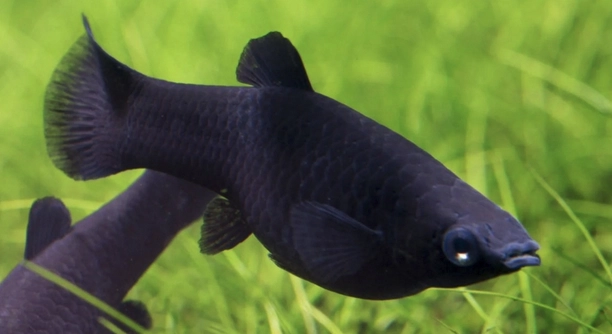
Keeping Black Mollies healthy requires more than just clean water and proper tank conditions. Their diet plays a key role in supporting growth, coloration, and overall vitality. Choosing the right foods can make a noticeable difference in their well-being.
Black Mollies benefit from a variety of nutrient-rich foods that support their immune system, promote vibrant coloration, and maintain healthy growth. Regularly providing high-quality flakes, live or frozen foods, and plant-based options ensures their long-term health and resilience.
Feeding the right combination of foods can improve energy, immunity, and tank harmony, giving your Black Mollies a stronger, more vibrant life.
High-Quality Flakes
High-quality flakes are a staple for Black Mollies. They provide essential nutrients, including proteins, vitamins, and minerals needed for growth and health. Choosing flakes specifically formulated for livebearers ensures they get a balanced diet that supports both immune function and coloration. Regular feeding of flakes also helps maintain energy levels, keeping mollies active and playful. Look for flakes that contain spirulina or other plant-based ingredients to complement their omnivorous diet. Avoid low-grade flakes that have excessive fillers, as these can affect digestion and overall vitality. Incorporating a variety of flakes can prevent dietary boredom and ensure your mollies receive a full spectrum of nutrients. Even when providing other foods like live or frozen options, flakes serve as a consistent foundation for daily feeding. Over time, consistent use of high-quality flakes helps maintain their shiny scales and healthy body shape, giving them a more vibrant presence in the tank.
Flakes offer balanced nutrition in every bite, making daily feeding simple and effective for Black Mollies.
Using flakes as the main diet allows you to supplement occasionally with live or frozen foods. This variety ensures they get protein from animal sources while also enjoying plant matter from spirulina-rich flakes. The routine of feeding flakes also stabilizes digestive processes and helps maintain water quality by reducing excess waste. Overfeeding should be avoided, as uneaten flakes can cloud the water and cause health issues. Combining flakes with occasional live foods like brine shrimp or daphnia provides extra stimulation and supports natural feeding behaviors. Additionally, flakes enriched with vitamins and minerals enhance coloration and support reproductive health, important for a breeding tank. Regular observation while feeding ensures every molly gets its share, preventing competition stress and promoting overall tank harmony. This combination of consistency and variety creates an effective diet that promotes long-term health and vibrancy.
Live and Frozen Foods
Live and frozen foods are excellent for stimulating natural hunting behaviors and providing high protein.
Live or frozen foods, such as brine shrimp, daphnia, and bloodworms, give Black Mollies essential proteins and nutrients not fully present in flakes. These foods are rich in amino acids that support muscle development, growth, and reproductive health. Regular inclusion in their diet encourages activity, making the fish more energetic and engaged with their environment. Live foods also enhance coloration, particularly in males, by adding carotenoids and other pigments that bring out brighter hues. Frozen options maintain nutritional value while reducing the risk of introducing parasites or pathogens into the tank. Feeding small portions ensures all fish can eat without leftover food decomposing. Combining these foods with flakes and plant matter creates a balanced omnivorous diet that meets all nutritional needs. Alternating between live and frozen sources keeps mealtime interesting for the fish, promoting healthier feeding behavior.
Regularly offering live or frozen foods alongside flakes ensures your Black Mollies receive complete nutrition. A diet incorporating these sources provides protein, vitamins, and minerals while encouraging natural activity. This balance supports strong immune systems, vibrant coloration, and proper growth. Live foods also act as enrichment, keeping the fish mentally stimulated. Frozen options provide convenience without sacrificing quality. Over time, consistent feeding with these foods results in more robust, active mollies that thrive in their tank environment, maintaining energy levels and enhancing reproduction. Careful portioning prevents water quality issues, keeping the tank clean and safe. Supplementing their diet this way addresses all dietary needs, from basic nutrition to enrichment, ensuring a healthy, lively, and visually striking community of Black Mollies.
Vegetables and Plant Matter
Vegetables like zucchini, spinach, and peas are important for Black Mollies. They provide fiber for digestion, vitamins for overall health, and plant-based nutrients that balance their protein-heavy diet. Regular feeding improves digestion and prevents constipation.
Chopped or blanched vegetables are easy to prepare and help mollies get fiber without disrupting water quality. Spinach and peas offer iron and vitamin C, supporting growth and immune function. Zucchini and cucumber add hydration and minerals while encouraging natural grazing behavior. Rotating vegetables prevents monotony and ensures they receive a variety of nutrients. Introducing small pieces gradually reduces the risk of leftover food polluting the tank. Vegetables complement flakes and protein sources, creating a balanced, complete diet that supports long-term health. Even picky mollies usually accept softened vegetables, making this a practical addition to feeding routines.
Plant matter supports natural foraging instincts while providing essential nutrients. Incorporating vegetables into the diet helps maintain digestive health, prevents bloating, and strengthens the immune system. Providing variety also encourages activity, keeping mollies engaged and healthy. Small amounts of blanched vegetables serve as a reliable supplement to flakes and live foods, maintaining overall balance in nutrition. This approach ensures a combination of protein, vitamins, and fiber, which is crucial for vibrant color, growth, and long-term vitality in the aquarium.
Algae and Spirulina
Algae and spirulina are excellent for Black Mollies, providing natural vitamins, minerals, and pigments that enhance coloration.
These plant-based foods contain chlorophyll, carotenoids, and essential fatty acids that support immunity and energy. Spirulina powder or wafers can be added to flakes or served alone, offering concentrated nutrition. Algae also aids digestion and contributes to a healthy gut microbiome. Feeding small amounts regularly promotes bright, shiny scales and improves overall health. Spirulina is particularly effective in enhancing black and metallic shades, giving mollies a striking appearance. It also complements other plant matter and protein sources, making the diet more complete. By including algae and spirulina, mollies receive nutrients that are otherwise hard to provide through flakes alone.
In addition to improving color, spirulina supports immune function and overall vitality. Algae sheets or spirulina-based foods reduce the risk of nutrient deficiencies, providing a steady source of vitamins and minerals. Feeding a combination of flakes, live foods, vegetables, and spirulina ensures a comprehensive diet that meets all nutritional needs. This mix promotes growth, strengthens resistance to disease, and encourages natural grazing behavior. Regular inclusion of spirulina helps maintain bright, healthy scales, contributing to a visually appealing and active aquarium community. It also supports digestion and general well-being, ensuring mollies thrive in their environment.
Small Insects and Worms
Small insects and worms, like daphnia or bloodworms, provide high-quality protein for Black Mollies. They support growth, muscle development, and reproductive health.
These foods also encourage natural hunting behavior. Offering them occasionally keeps mollies active, engaged, and more vibrant. They complement flakes and plant matter for a well-rounded diet.
Pellets
Pellets are nutrient-dense and convenient, providing balanced vitamins, minerals, and protein. They can serve as a daily staple or a supplement to flakes. Choosing pellets formulated for livebearers ensures proper nutrition. Regular feeding maintains energy, supports immune function, and helps mollies thrive in both community and breeding tanks.
Fruit
Small amounts of soft fruit like melon or apple provide extra vitamins and natural sugars for energy. Moderation is key to avoid water quality issues.
FAQ
What is the best daily diet for Black Mollies?
A balanced diet for Black Mollies includes high-quality flakes as a staple, supplemented with live or frozen foods, vegetables, spirulina, and occasional fruits. Flakes provide consistent nutrition, while live foods and plant matter supply proteins, vitamins, and fiber. Rotating food types ensures mollies get a full range of nutrients and encourages natural foraging behavior. Small portions given multiple times a day prevent overfeeding and maintain water quality. Maintaining this variety helps mollies stay active, vibrant, and healthy, supporting growth, coloration, and reproductive performance in the aquarium environment.
Can Black Mollies eat only flakes?
Flakes alone can sustain Black Mollies for some time, but relying solely on them may result in nutrient deficiencies. While high-quality flakes cover many basic needs, adding live or frozen foods, vegetables, and plant-based supplements like spirulina provides essential proteins, vitamins, and minerals. A mixed diet strengthens the immune system, improves coloration, and promotes proper growth. Including occasional treats like small insects or fruit ensures variety and keeps mollies interested in their food, which encourages natural behavior and overall well-being.
How often should I feed my Black Mollies?
Feeding should occur two to three times a day with small portions that the fish can finish in a few minutes. Overfeeding leads to uneaten food, which can pollute the water and harm fish health. By offering controlled portions regularly, mollies get a steady supply of nutrients without compromising water quality. Incorporating flakes, live foods, vegetables, and plant-based supplements in rotation ensures a complete diet. Observing how quickly they consume food helps adjust portion sizes, making feeding efficient and promoting proper digestion.
Are live foods necessary for Black Mollies?
Live foods are not strictly required but are highly beneficial. They provide high-quality protein and nutrients that flakes cannot fully replicate. Live foods stimulate natural hunting behavior and activity, keeping mollies engaged and energetic. Options like brine shrimp, daphnia, and bloodworms improve coloration and reproductive health. Frozen versions are convenient alternatives that maintain nutritional value while reducing the risk of introducing parasites. Feeding live or frozen foods a few times a week complements flakes and plant matter, creating a balanced diet that supports overall health and vitality.
Can Black Mollies eat vegetables and fruit?
Yes, vegetables like spinach, zucchini, and peas are excellent for digestion, vitamins, and minerals. Soft fruits in small amounts provide extra vitamins and natural sugars for energy. These plant-based foods prevent constipation, improve gut health, and contribute to coloration. Introducing small portions gradually reduces the risk of leftover food polluting the water. Vegetables and fruit complement flakes and protein sources, creating a varied and complete diet. Regular inclusion encourages natural grazing behavior, promotes activity, and enhances overall well-being, making mollies healthier and more visually striking.
What foods improve Black Molly coloration?
Carotenoid-rich foods like spirulina, algae, and certain live foods enhance natural coloration, particularly black, metallic, and red tones. Regular feeding of these nutrient-dense foods strengthens pigmentation and supports overall health. Balanced diets that include flakes, live or frozen protein sources, vegetables, and spirulina provide all essential nutrients while boosting color vibrancy. Over time, a diet rich in these pigments keeps Black Mollies shiny, active, and visually appealing in the tank.
How can I prevent overfeeding?
Provide only what mollies can consume in two to three minutes per feeding. Split daily portions into multiple small feedings rather than one large meal. Remove uneaten food promptly to maintain water quality. Observing feeding behavior helps adjust amounts for each tank population. Combining flakes with vegetables, live foods, and plant-based supplements in moderation ensures nutrition without excess. Careful monitoring keeps mollies healthy, prevents obesity, and reduces the risk of water contamination, maintaining a safe and balanced aquarium environment.
Is it safe to mix different types of food?
Yes, mixing flakes, live or frozen foods, vegetables, spirulina, and small fruits provides a balanced diet. Each type contributes unique nutrients, ensuring complete nutrition. Rotating food types also reduces boredom and encourages natural foraging. Introducing new foods gradually prevents digestive upset, and portion control avoids water quality issues. A varied diet improves health, coloration, and longevity while supporting activity and reproduction. Careful observation ensures all mollies receive adequate nutrition, creating a thriving aquarium community.
How important is protein for Black Mollies?
Protein is crucial for growth, muscle development, reproduction, and immune function. Live and frozen foods, as well as certain flakes and pellets, supply high-quality protein. Plant-based sources like spirulina add some protein while supporting overall health. Balanced protein intake prevents stunted growth and maintains energy levels. Overfeeding protein should be avoided to reduce waste and protect water quality. A consistent protein supply, combined with vegetables and supplements, ensures mollies grow strong, reproduce effectively, and maintain vibrant coloration.
Can Black Mollies eat algae from the tank?
Yes, algae in the tank can serve as a supplemental food source. It provides vitamins, minerals, and plant-based nutrients while encouraging natural grazing behavior. Regular inclusion of algae wafers or spirulina-based foods ensures mollies get adequate nutrients consistently. Tank algae alone may not meet all dietary needs, so combining it with flakes, live or frozen foods, and vegetables ensures a complete, balanced diet. Observing consumption helps gauge portions and prevents water quality issues. Algae supports digestion, coloration, and general health when used appropriately.
Black Mollies are beautiful and active fish that require a well-balanced diet to stay healthy. Their nutrition directly affects their growth, coloration, and overall energy levels. Feeding them a variety of foods ensures that they receive all the essential nutrients they need. Flakes are a convenient and reliable staple, providing consistent vitamins, minerals, and proteins. Supplementing flakes with live or frozen foods adds high-quality protein that supports muscle development, reproductive health, and immune function. These foods also encourage natural hunting behavior, keeping mollies more active and engaged in the tank. Vegetables and plant matter like spinach, zucchini, and peas add fiber, vitamins, and minerals that help with digestion and prevent constipation. Plant-based supplements such as spirulina or algae enhance coloration and provide additional nutrients that might be missing from flakes alone. Offering small amounts of fruit occasionally can also provide extra vitamins and natural sugars for energy.
Providing a balanced diet is not just about choosing the right foods but also about managing feeding routines carefully. Black Mollies should be fed small portions two to three times per day. Overfeeding can lead to uneaten food, which may pollute the water and harm fish health. Observing how quickly they consume their food helps adjust portion sizes and ensures all fish are eating properly. Rotating between different food types keeps their diet varied and prevents boredom while making sure they get a full range of nutrients. Live and frozen foods, in particular, should be offered in moderation to avoid water quality issues while still providing the protein and stimulation that flakes alone cannot deliver. Vegetables, spirulina, and small fruits add diversity to the diet, improving digestion, coloration, and overall vitality. A well-managed feeding routine ensures that Black Mollies remain healthy, active, and visually striking in the aquarium.
Maintaining a proper diet for Black Mollies is also about long-term health and sustainability. A varied diet supports the immune system, reduces the risk of diseases, and encourages proper growth over time. Strong, vibrant fish are less prone to stress, which is essential in a community tank. Balanced nutrition also plays an important role in reproductive success, especially if you plan to breed them. The combination of flakes, live or frozen foods, vegetables, spirulina, and occasional fruit ensures that every nutritional need is met. Consistent feeding and attention to portion control help maintain water quality and a clean tank environment, which is equally important for their well-being. By paying attention to both the quality and variety of foods, as well as feeding routines, you can create a healthy, thriving environment for your Black Mollies. Over time, these practices will not only enhance their physical health and coloration but also improve their energy and activity levels, making them more enjoyable to watch in your aquarium.

Hello,
If you enjoy the content that we create, please consider saying a "Thank You!" by leaving a tip.
Every little bit helps us continue crafting quality advice that supports the health, happiness, and well-being of pets around the world, for pets of all shapes, sizes, and species.
We really appreciate the kindness and support that you show us!