
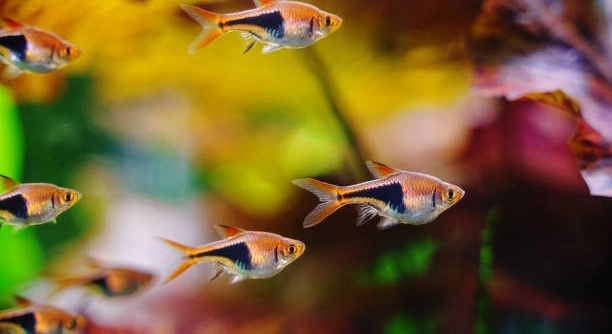
Keeping Rasboras safe in a home aquarium takes more than clean water. Many beginners overlook how small changes can reduce stress and prevent injuries. Thoughtful tank upgrades make a big difference in their daily well-being.
Smart tank upgrades for Rasbora safety include adding smooth decorations, maintaining stable water parameters, using fine substrate, providing proper filtration, and ensuring ample swimming space. These measures collectively reduce physical harm, stress, and the risk of disease in small schooling fish.
Implementing these changes can transform your aquarium into a safer, more comfortable environment for Rasboras to thrive.
Choosing Smooth Decorations
Rasboras are delicate fish, and sharp or rough decorations can cause injuries. Smooth rocks, driftwood, and rounded ornaments help prevent torn fins or scratches. Even small decorations with jagged edges can pose a threat when the fish dart quickly. Plants with soft leaves are a better option than plastic ones with sharp edges. When arranging decorations, leave plenty of open space for swimming and schooling. Avoid overcrowding, as tight areas can trap fish and increase stress levels. Floating plants provide shade and hiding spots, which can make Rasboras feel more secure. Regularly inspect decorations to ensure they remain safe and clean, removing anything that may break down and create sharp fragments. Small upgrades like replacing rough surfaces or broken items have a significant impact on overall safety and stress reduction for the fish, promoting a calm and healthy environment in the tank.
Smooth, safe decorations reduce injuries and give Rasboras a stress-free space to explore, swim, and interact naturally within the aquarium.
Adding plants and smooth ornaments not only protects the fish physically but also improves the tank’s aesthetics. Soft-leaved plants act as resting and hiding spots, encouraging natural behavior while reducing territorial disputes. Driftwood and rounded rocks create gentle boundaries, preventing accidental scrapes. Even open spaces for swimming need thought; strategically placing objects ensures fish can navigate freely without bumping into sharp edges. Decorations also help maintain water quality, as some natural wood absorbs toxins and offers surfaces for beneficial bacteria. Small changes, like replacing broken ornaments or rough gravel, make the aquarium safer and more comfortable. These adjustments may seem minor but significantly impact Rasboras’ health and reduce stress, promoting longer life and more active behavior. With careful selection, decorations serve both functional and visual purposes while keeping fish safe.
Maintaining Stable Water Conditions
Stable water conditions are key to Rasbora health. Fluctuations in temperature, pH, or ammonia levels can stress fish and lead to illness.
Using heaters, thermometers, and frequent testing ensures water remains consistent. Gradual changes are better than sudden adjustments, and partial water changes help maintain balance without shocking the fish. Filtration must be efficient but gentle to prevent strong currents that can tire small Rasboras. Soft, slightly acidic water mimics their natural habitat and supports immune health. Regular monitoring allows early detection of issues, preventing stress-related problems before they become severe. Keeping parameters steady reduces aggression, fin damage, and susceptibility to disease.
Temperature swings and chemical imbalances are common in small tanks, often unnoticed until fish show signs of stress. By setting up reliable equipment like heaters, filters, and water test kits, you can control these variables. Partial water changes prevent waste buildup while preserving beneficial bacteria. Avoid overfeeding, which can pollute water and cause sudden spikes in ammonia. Choosing a filter with adjustable flow ensures currents are gentle, letting Rasboras swim comfortably. Even minor water fluctuations can trigger illness or weaken immune systems, so consistency is essential. Recording measurements daily helps spot trends early. Well-maintained water creates a calm, safe environment, allowing Rasboras to swim actively and school naturally. By prioritizing water stability, you protect your fish from preventable stress and long-term health issues.
Fine Substrate Selection
Using fine, smooth substrate is safer for Rasboras. Sharp gravel or rough sand can injure their delicate fins and bodies. Soft sand or rounded gravel reduces risks and supports natural foraging behavior.
Fine substrates prevent accidental cuts and abrasions, allowing Rasboras to swim and feed comfortably. They also make tank cleaning easier, as debris rests on the surface instead of embedding in jagged edges. Plants root better in gentle substrate, which enhances stability and creates hiding spots. Choosing the right substrate improves both fish safety and the tank’s overall environment, making maintenance simpler and stress lower for the fish.
Sand or smooth gravel helps Rasboras explore naturally without injury. Uneven surfaces or sharp materials can tear fins, causing infections or stress. Soft substrate also complements decorations and plants, making the aquarium look more natural. Combined with careful water maintenance and gentle filtration, a fine substrate reduces accidents, supports healthy behavior, and creates a calm, safe home for schooling Rasboras to thrive and interact freely.
Gentle Filtration Systems
Filters must provide clean water without creating strong currents that stress small fish. Low-flow or sponge filters are ideal for Rasboras.
Gentle filtration ensures debris removal and promotes healthy water chemistry without exhausting delicate fish. Strong currents can tire Rasboras, causing injury or limiting natural swimming patterns. Sponge filters offer aeration, biological filtration, and a soft surface for fry or small fish to hide.
Choosing the right filter helps maintain a stable, clean environment. Adjustable flow rates prevent Rasboras from being swept around, reducing fin damage and stress. Filters with biological media encourage beneficial bacteria, breaking down harmful ammonia and nitrites. Proper placement ensures water circulates evenly, preventing stagnant areas. Regular cleaning keeps the filter efficient without disturbing tank balance. Combining gentle filtration with careful substrate and decorations creates a safe, comfortable habitat. Healthy Rasboras display brighter colors, swim actively, and school naturally, showing signs of low stress and strong immune systems.
Adequate Swimming Space
Rasboras need open areas to swim freely. Crowded tanks increase stress and risk of injury.
Leaving plenty of space reduces territorial disputes and allows natural schooling behavior. Fish are calmer and more active in roomy tanks.
Proper Lighting
Lighting should mimic natural day and night cycles. Bright, harsh lights can stress Rasboras and cause hiding or erratic behavior. Using adjustable or soft lighting supports healthy activity, encourages plant growth, and maintains a natural rhythm, keeping fish comfortable and promoting overall well-being.
Secure Tank Lid
A tight-fitting lid prevents Rasboras from jumping out. Even small gaps can be risky, as these fish are active and sometimes leap unexpectedly. A secure lid ensures safety, reduces stress, and keeps the tank environment stable while protecting fish from accidents or external threats.
FAQ
How often should I check water parameters for Rasboras?
It’s best to test water at least once a week. Key parameters include temperature, pH, ammonia, nitrite, and nitrate. Weekly checks help detect small changes before they stress the fish. Frequent monitoring keeps Rasboras healthy and prevents sudden health issues.
What is the ideal tank size for a Rasbora school?
A minimum of 20 gallons is recommended for a small school of six to eight Rasboras. Larger tanks allow more swimming space, reduce stress, and support natural schooling behavior. Overcrowding can lead to aggression and weakened immune systems.
Which plants are safest for Rasboras?
Soft-leaved live plants like Java fern, Anubias, and hornwort are ideal. They provide hiding spots without sharp edges, promoting comfort and safety. Avoid plastic plants with jagged edges, which can tear fins or cause injuries during swimming.
How should I arrange decorations to protect Rasboras?
Place smooth rocks, driftwood, and plants to create hiding spots while leaving open swimming space. Avoid tight clusters that trap fish. Rounded edges reduce injury risks, and floating plants can provide shade and reduce stress.
Is it safe to keep Rasboras with other small fish?
Yes, Rasboras do well with peaceful species of similar size. Avoid aggressive or fin-nipping fish. Tank mates should tolerate the same water parameters and allow Rasboras enough space to school freely without intimidation.
How often should I clean the tank?
Partial water changes of 20-30% weekly are recommended. This helps maintain stable water parameters and removes waste without disturbing beneficial bacteria. Regular substrate vacuuming prevents debris buildup and keeps the tank safe for the fish.
What type of filtration works best for Rasboras?
Gentle filters like sponge or adjustable low-flow filters are best. They maintain clean water without creating strong currents that tire or stress small fish. Biological filtration supports beneficial bacteria, keeping ammonia and nitrite levels low.
Can Rasboras tolerate temperature changes?
Rasboras prefer stable water temperatures between 72°F and 78°F. Sudden fluctuations can stress fish and trigger disease. Use a reliable heater and thermometer to maintain consistency, and avoid placing the tank near drafts or heat sources.
How do I prevent Rasboras from jumping out?
Always use a secure lid. Even small gaps can allow active Rasboras to leap out of the tank. A tight-fitting cover ensures safety, reduces stress, and protects the fish from accidents.
What signs indicate Rasboras are stressed?
Signs include hiding excessively, erratic swimming, faded colors, or clamped fins. Stress often results from poor water quality, overcrowding, or rough decorations. Addressing these issues quickly helps restore comfort and prevents long-term health problems.
How do I introduce new Rasboras safely?
Acclimate new fish gradually to the tank’s water conditions. Float the bag for 15-20 minutes, then slowly mix tank water. This reduces shock and stress, giving Rasboras a smooth transition into their new environment.
Are Rasboras sensitive to light and noise?
Yes, bright lights and sudden loud noises can stress them. Use soft, consistent lighting and avoid tapping on the tank. Floating plants and covered areas provide shelter and reduce exposure to sudden stimuli.
How can I encourage schooling behavior?
Keep Rasboras in groups of six or more. Adequate space and safe decorations promote natural schooling. Schools help fish feel secure, reduce stress, and encourage active swimming, which is a sign of healthy behavior.
Can I use gravel or sand interchangeably for Rasboras?
Fine, smooth gravel or soft sand works best. Avoid sharp or rough materials that can damage fins. Sand allows natural foraging and is easier to clean, while smooth gravel supports plants and decorations safely.
How often should I trim plants?
Trim plants as needed to prevent overcrowding and maintain open swimming areas. Regular pruning keeps the tank balanced, reduces hiding spots that can trap fish, and ensures Rasboras have enough space to swim freely.
Are Rasboras compatible with snails or shrimp?
Yes, small peaceful invertebrates like snails or shrimp can coexist. Ensure they are large enough to avoid becoming food. They help clean the tank naturally and generally do not interfere with Rasbora swimming or schooling behavior.
What feeding habits are safest for Rasboras?
Feed small amounts two to three times daily. Avoid overfeeding, which pollutes the water and stresses the fish. Mix flake foods with occasional frozen or live foods for a balanced diet and optimal health.
How can I reduce aggression in the tank?
Maintain adequate swimming space, stable water conditions, and peaceful tank mates. Avoid overcrowding and provide hiding spots. Proper schooling numbers and a calm environment help Rasboras remain social without conflict.
How important is water flow in the tank?
Gentle flow is essential. Strong currents can exhaust Rasboras and increase the risk of injury. Adjust filters or add flow blockers to maintain calm conditions while ensuring proper water circulation for oxygenation and cleanliness.
What is the best way to monitor Rasbora health?
Observe behavior, color, and swimming patterns daily. Healthy fish are active, brightly colored, and school naturally. Early detection of stress or illness allows for quick adjustments in water, tank setup, or diet, preventing more serious problems.
How can I maintain a safe tank environment long-term?
Consistently check water quality, maintain decorations, provide gentle filtration, and ensure adequate swimming space. Regular monitoring and thoughtful tank management create a stable, safe environment, keeping Rasboras healthy and active over time.
This FAQ covers common concerns about Rasbora safety, water conditions, tank setup, feeding, and overall care. Following these practical steps helps prevent stress, injuries, and illness, giving Rasboras a comfortable and secure habitat to thrive.
Final Thoughts
Keeping Rasboras safe and healthy requires attention to several small but important details in their aquarium. Every choice, from decorations to water conditions, affects their well-being. Smooth decorations, soft substrate, and safe plants reduce the chance of injuries and create a comfortable environment for swimming and hiding. Overcrowding and sharp edges are common risks that can be easily avoided with a little planning. Even simple upgrades like replacing rough gravel or adding floating plants can make the tank feel safer and more natural for the fish. Paying attention to these details not only protects Rasboras physically but also reduces stress, allowing them to display natural behaviors and vibrant colors. Small, thoughtful changes over time create a calm and balanced environment that supports long-term health.
Water quality is one of the most critical factors for Rasbora safety. Stable parameters for temperature, pH, and chemical levels prevent stress and disease. Sudden fluctuations or poor water conditions can quickly affect their immune system and make them more prone to illness. Regular testing, careful filtration, and partial water changes keep the water clean and consistent. Gentle filters help maintain a healthy environment without exhausting the fish, while heaters and thermometers ensure the temperature remains steady. Observing daily behavior can also provide early warning signs of stress or discomfort. When the water is well-maintained, Rasboras are more active, school naturally, and have a reduced risk of injury. Long-term stability in water quality is one of the simplest ways to keep these small fish thriving.
Finally, creating a secure, thoughtfully arranged tank goes a long way in ensuring Rasbora safety. Adequate swimming space, hiding spots, and a tight-fitting lid prevent accidents and stress. Providing proper feeding routines and compatible tank mates supports their overall health. By taking these steps, you reduce common problems such as fin damage, aggressive behavior, and stress-related illnesses. Consistent care, observation, and minor adjustments help the fish feel comfortable and secure in their environment. Over time, these careful measures make the aquarium a safe place where Rasboras can live actively and healthily. Paying attention to both the physical and environmental aspects of their habitat ensures a long and happy life for your fish, giving you the satisfaction of watching them thrive in a well-cared-for tank.

Hello,
If you enjoy the content that we create, please consider saying a "Thank You!" by leaving a tip.
Every little bit helps us continue crafting quality advice that supports the health, happiness, and well-being of pets around the world, for pets of all shapes, sizes, and species.
We really appreciate the kindness and support that you show us!