
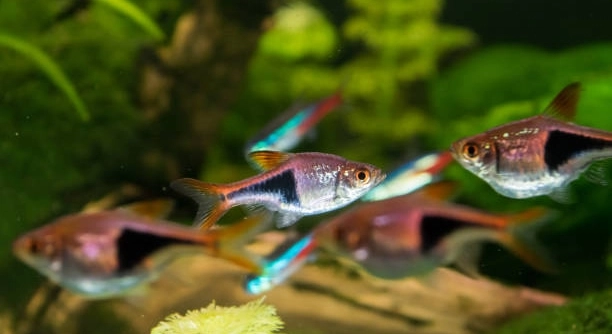
Rasboras are small, vibrant fish that brighten any aquarium. Their colors can shift depending on diet, environment, and overall health. Feeding them the right foods enhances their natural hues, making your tank more visually appealing.
Certain foods can significantly enhance Rasbora coloration. Ingredients rich in carotenoids, such as shrimp, spirulina, and red peppers, provide pigments that integrate into their skin and scales. Regular inclusion of these foods promotes brighter, more vivid colors over time.
Feeding your Rasboras the right combination of natural ingredients can transform their appearance and highlight their vibrant patterns. The right diet is key to long-lasting, healthy color.
Shrimp
Shrimp are a natural choice for boosting Rasbora colors. Rich in carotenoids, they directly influence the red and orange hues of the fish. Feeding small, chopped pieces of cooked or frozen shrimp ensures they receive these pigments without overfeeding. It’s important to balance shrimp with other proteins to provide a well-rounded diet. Using shrimp occasionally as a treat also helps maintain variety, keeping your Rasboras interested in their food. Fresh or frozen options work best, as they retain most of their nutrients. Over time, you’ll notice brighter scales, particularly in young fish, which are more responsive to dietary changes. Make sure to remove any uneaten shrimp promptly to prevent water quality issues. Observation is key, as some Rasboras prefer smaller portions spread throughout the day. Pairing shrimp with leafy greens or algae-based foods can further enhance the impact on their coloration while supporting their overall health.
Shrimp improve Rasbora coloration efficiently due to their high pigment content. Moderation and variety are essential for balanced growth.
Adding shrimp regularly can transform dull scales into vibrant tones. Combining it with other color-enhancing foods ensures your Rasboras stay healthy while showing their best natural colors.
Spirulina
Spirulina is a blue-green algae that offers significant color benefits for Rasboras. This powder or flake form supplement is rich in carotenoids and proteins, which support brighter red and orange hues. Regular use strengthens immunity and improves overall vitality, making the fish more active and lively. Spirulina can be mixed with other flakes or pellets to ensure your Rasboras consume it consistently. It dissolves quickly in water, so feeding small amounts multiple times a day is ideal. Young fish respond particularly well, showing noticeable color improvements within a few weeks. Beyond pigmentation, spirulina aids digestion and contributes to better health, helping fish resist diseases. Its natural composition means it won’t introduce harmful chemicals, unlike some artificial color additives. Integrating spirulina into their daily diet ensures a steady supply of pigments that your Rasboras can use to intensify their natural shine. Maintaining a clean tank also maximizes its benefits.
Consistent feeding with spirulina brightens red and orange tones effectively. It supports health while enhancing natural coloration over time.
Including spirulina in regular feedings is an easy, natural way to boost your Rasboras’ vibrancy. Combined with proteins like shrimp, it helps fish reach their full visual potential while staying healthy and active.
Red Bell Pepper
Red bell peppers are packed with natural pigments that enhance Rasbora coloration. Finely chopped or pureed, they release carotenoids that intensify red and orange tones in the fish. Feeding small amounts regularly yields noticeable improvements over time.
Including red bell pepper in the diet provides a steady supply of natural pigments without overwhelming the fish. Lightly steaming the pepper softens it for easier consumption while preserving nutrients. Chop it into tiny pieces to prevent leftover food from fouling the water. It can be mixed with flake or pellet foods to ensure consistent intake. Over several weeks, Rasboras show more vibrant red scales, especially around fins and gills. Pairing with protein sources like shrimp enhances overall effect. Using peppers occasionally as a supplement keeps the fish interested in their diet and prevents monotony.
Red bell pepper also contributes vitamins that support overall health, making fish more active and responsive. Combined with other pigment-rich foods, it ensures sustained brightness and improved immunity. Regular monitoring prevents overfeeding while maintaining water quality.
Daphnia
Daphnia are small, live or frozen crustaceans that provide essential nutrients for Rasboras. They enhance red and orange hues while supporting growth and vitality. Regular feeding ensures consistent color improvement.
Daphnia serve as both a protein source and a natural color enhancer. Their high carotenoid content directly contributes to brighter scales and fins. Feeding live daphnia encourages natural hunting behaviors, keeping the fish active and healthy. Frozen options offer convenience while retaining most nutrients, though live ones are often preferred for stimulation and interaction. Proper portioning prevents water contamination, as uneaten Daphnia decompose quickly. Combining Daphnia with other color-enhancing foods like spirulina or red bell pepper maximizes pigment absorption. Young Rasboras respond especially well, showing rapid color improvement within weeks of consistent feeding. They also benefit from the variety, reducing the risk of dietary deficiencies and promoting overall well-being.
Consistent inclusion of Daphnia in the diet produces noticeable color intensification while enhancing fish activity. Its natural nutrient profile supports growth and strengthens resilience to environmental stress.
Carrot
Carrots are rich in beta-carotene, which directly supports red and orange pigmentation in Rasboras. Small, finely grated pieces are easiest for the fish to eat and absorb nutrients effectively.
Steaming carrots slightly softens them without losing nutrients. Mixing them with regular flake food ensures consistent consumption. Regular feeding enhances color over weeks.
Krill
Krill are tiny, nutrient-rich crustaceans that boost vibrant coloration. They are high in natural pigments and proteins, making them an excellent addition to a Rasbora’s diet. Regular feeding promotes bright, healthy scales.
Spinach
Spinach provides essential vitamins and plant pigments that help support Rasbora coloration. Blanched and chopped, it’s easy for fish to consume while enhancing their overall health.
What is the best way to feed Rasboras to enhance their color?
Feeding Rasboras small, frequent meals is most effective. Using a mix of protein-rich foods like shrimp or Daphnia along with plant-based options such as spirulina, red bell pepper, or spinach ensures they receive the nutrients needed for brighter scales. Portion control is important to prevent overfeeding and water pollution. Observing how much they eat in a few minutes helps adjust serving sizes. Alternating between fresh, frozen, and dried foods maintains interest and ensures nutrient variety. Combining these foods regularly supports pigment development while keeping the fish healthy and active.
How often should color-enhancing foods be given?
Color-enhancing foods can be given several times a week as part of a balanced diet. Daily small portions of natural pigment sources work best for gradual, consistent improvement. Overfeeding can cause water quality issues, so monitoring consumption is essential. Rotating different foods prevents monotony and ensures Rasboras get a wide range of nutrients, including carotenoids and vitamins. Proteins like shrimp or Daphnia can be offered two to three times per week, while plant-based pigments like red bell pepper or spirulina can be added more frequently. Observation ensures the fish respond positively to the feeding schedule.
Are frozen or live foods better for enhancing Rasbora colors?
Both frozen and live foods can improve color, but live foods offer extra stimulation through natural hunting behaviors. Daphnia, brine shrimp, and krill can be fed live to encourage activity, while frozen options retain most nutrients and are convenient. Combining live and frozen foods provides both enrichment and consistent nutrient intake. Frozen shrimp or Daphnia are easy to store and ensure regular feeding, whereas live foods provide a natural, instinct-driven experience that promotes activity and overall health. The choice depends on availability, convenience, and how much natural behavior you want to encourage. Both forms support pigmentation effectively when fed appropriately.
Can plant-based foods alone enhance Rasbora colors?
Plant-based foods, including spirulina, red bell pepper, carrots, and spinach, contain carotenoids and vitamins that support coloration. While they improve red, orange, and green hues, combining them with protein sources like shrimp or Daphnia produces stronger, more vibrant results. Plant foods alone can still maintain healthy pigment levels, especially for minor color improvements. Regular inclusion is key, but balance with proteins ensures growth and brightening occur efficiently. Feeding plant foods in small, manageable portions prevents decay in the tank and guarantees that nutrients are consumed fully. Combining plant and protein sources yields the most noticeable color enhancement.
How long does it take to see results from color-enhancing foods?
Results vary depending on age, health, and diet of the Rasboras. Young fish usually show noticeable improvements within a few weeks, while adults may take longer. Consistency is crucial. Feeding a balanced diet with pigment-rich foods regularly ensures gradual intensification of red, orange, and yellow tones. Maintaining water quality and minimizing stress also support the process. Tracking progress weekly helps identify which foods produce the best results. Some changes appear subtle at first, such as brighter fins, before overall body color improves. Patience and observation are essential for achieving lasting vibrancy.
Are there any risks in feeding too many color-enhancing foods?
Overfeeding pigment-rich foods can lead to water quality problems, digestive issues, or obesity in Rasboras. Uneaten foods decompose quickly, increasing ammonia and nitrite levels. Feeding moderate portions while rotating ingredients reduces these risks. Maintaining clean tank conditions and monitoring feeding behavior ensures safety. A balanced diet with both proteins and plant-based pigments prevents nutrient deficiencies while avoiding excessive pigment accumulation. Observing fish for changes in appetite, activity, or color helps detect problems early. Moderation, variety, and proper tank maintenance are key to achieving bright, healthy Rasboras without harming their health or environment.
Can Rasboras retain their color without pigment-rich foods?
Rasboras can retain natural colors for some time without added pigments, but brightness may fade over months. A diet limited to standard flake foods may maintain basic hues but rarely produces intense red or orange tones. Regular inclusion of carotenoid-rich foods ensures long-term vibrancy. Environmental factors, including lighting, water quality, and stress levels, also affect coloration. Even with a basic diet, healthy fish maintain some color, but for optimal brightness, supplementing with natural pigments is necessary. Combining protein and plant-based sources ensures consistent color and supports overall health.
Is it necessary to provide color-enhancing foods to all Rasbora species?
Not all Rasboras respond equally to pigment-rich foods. Species with naturally muted colors, like some green or silver varieties, may show less visible change, while brightly colored species respond quickly. Feeding color-enhancing foods benefits health regardless, supporting immunity and growth. Observation of specific species helps adjust diet to maximize results. Combining protein and plant pigments generally enhances overall appearance. For species prone to stress, gradual introduction is recommended to avoid overfeeding and maintain water quality. Consistent, moderate feeding ensures even subtle-colored Rasboras display healthier, slightly more vivid tones over time.
Can supplements replace natural foods for color enhancement?
Supplements may boost color temporarily, but natural foods provide broader nutritional benefits and support growth and immunity. Relying solely on supplements can lead to deficiencies or weaker health. Combining supplements with real foods ensures pigments are absorbed effectively. Natural ingredients like shrimp, Daphnia, spirulina, and red bell pepper deliver vitamins, proteins, and carotenoids that supplements alone cannot fully replicate. Feeding whole foods encourages normal feeding behaviors and provides additional nutrients beyond color enhancement. Supplements are best used as an occasional addition, not a replacement, for a varied, balanced diet. This approach maintains bright coloration and overall well-being.
Providing the right diet for Rasboras is essential for bringing out their natural colors. Foods rich in carotenoids, like shrimp, Daphnia, spirulina, red bell pepper, carrots, krill, and spinach, offer the pigments needed to enhance red, orange, and yellow tones. Regular feeding of these ingredients ensures the fish gradually develop more vibrant scales, giving them a healthier and more visually appealing appearance. Observing the fish over time allows you to see which foods have the most effect, and small adjustments in diet can make a noticeable difference. Consistency is important, as irregular feeding or long periods without pigment-rich foods may cause colors to fade.
It is equally important to maintain proper tank conditions alongside a balanced diet. Clean water, stable temperature, and appropriate lighting support not only general health but also the effectiveness of color-enhancing foods. Uneaten food should be removed promptly to prevent ammonia buildup, which can stress the fish and dull their colors. Providing a variety of foods keeps the fish interested in their diet and ensures they receive a wide range of nutrients, including proteins and vitamins, which further supports vibrant coloration. Young Rasboras respond faster to dietary changes, but adults can also benefit from a consistent, balanced approach. Over time, the combination of proper feeding and care results in fish that are active, healthy, and colorful.
Patience is key when aiming to enhance Rasbora colors. Changes in coloration do not happen overnight, and gradual improvements over weeks or months are normal. A thoughtful approach, combining protein-rich foods with plant-based pigments, creates a natural, sustainable way to bring out the best in your fish. Regular observation, portion control, and variety in diet help maintain both water quality and fish health. The effort put into providing a balanced, color-enhancing diet rewards you with a lively and visually appealing aquarium. By focusing on consistent feeding practices and maintaining a healthy environment, you can enjoy Rasboras that display their natural beauty while thriving in a well-maintained tank.

Hello,
If you enjoy the content that we create, please consider saying a "Thank You!" by leaving a tip.
Every little bit helps us continue crafting quality advice that supports the health, happiness, and well-being of pets around the world, for pets of all shapes, sizes, and species.
We really appreciate the kindness and support that you show us!