
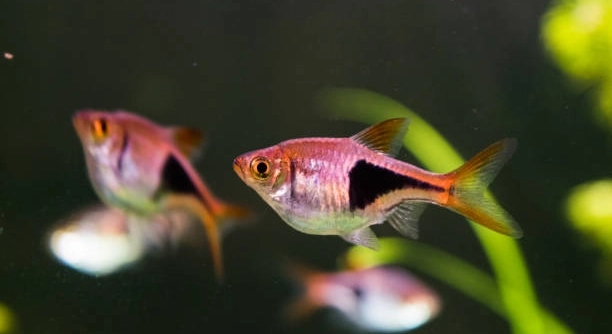
Rasboras are usually seen swimming together in tight schools, creating a lively and harmonious scene in the aquarium. Observing them suddenly separate can be surprising, leaving many fish keepers wondering about this unusual change in behavior.
Rasboras often separate from their school due to stress, changes in water conditions, or sudden disturbances in their environment. These factors disrupt their natural schooling instincts, causing temporary fragmentation while they adjust or seek safety.
Learning the reasons behind this behavior can help you maintain a peaceful and healthy environment for your fish. Proper care and observation are key to keeping your rasboras comfortable and secure.
Common Triggers for Rasboras Separating
Rasboras are sensitive fish, and even small changes in their environment can cause them to break apart from their usual school. Fluctuations in water temperature or sudden changes in pH levels often make them uneasy. Overcrowding can also stress them, especially in smaller tanks, prompting individuals to swim away from the main group. Loud noises, vibrations, or sudden movements near the tank can startle them, causing them to scatter temporarily. Even introducing new tank mates can disrupt their sense of safety. Rasboras rely heavily on visual cues from each other to feel secure, so any interruption in their routine can trigger separation. Over time, if the stressors are consistent or severe, these fish may show signs of prolonged anxiety, reduced activity, or changes in feeding habits. Maintaining a stable and calm environment helps encourage schooling behavior, allowing rasboras to regain their natural cohesion.
Observing tank conditions closely often reveals subtle changes that make rasboras uncomfortable and separate from the group.
Providing stable water conditions, reducing sudden disturbances, and spacing decorations thoughtfully supports a calm, cohesive school. This approach prevents unnecessary stress and encourages healthier interactions.
Stress and Health Considerations
Stress can directly affect the health of rasboras, making them more susceptible to illness.
Continuous stress from environmental changes or aggressive tank mates can weaken their immune systems, leading to infections or slower growth. Over time, stressed rasboras may avoid swimming in the main school, isolating themselves and losing their natural energy. Poor diet or lack of hiding spots intensifies this effect, as fish feel exposed and unsafe. Monitoring water quality, keeping a balanced diet, and observing their behavior regularly are essential for preventing these problems. Simple adjustments, like maintaining consistent temperature, avoiding sudden loud noises, and introducing new tank mates gradually, can significantly reduce stress. Regularly checking for signs of illness, such as faded coloration or clamped fins, ensures early detection. When rasboras feel safe and secure, they return to their normal schooling pattern, exhibiting natural social behavior. Careful attention to both environmental and health factors creates a stable habitat that supports happy, active rasboras over time.
Environmental Factors Affecting Schooling
Water quality plays a huge role in rasboras’ schooling behavior. High ammonia or nitrite levels make them uneasy. Even small temperature shifts can trigger separation. Decorations placed too close together may also limit their swimming space, causing individuals to stray from the group temporarily.
Poor filtration or inconsistent water changes can stress rasboras, causing noticeable behavioral changes. When oxygen levels drop or water becomes murky, they may avoid the main school and seek calmer corners of the tank. Sudden light changes, like switching lights on or off too quickly, can startle them. Overcrowding limits swimming freedom, forcing some fish to separate. Observing these signs early allows for quick corrections. Regular testing of water parameters, consistent maintenance, and arranging tank décor to allow open swimming space help rasboras feel secure. A stable environment encourages them to stick together and reduces long-term stress.
Even small environmental tweaks, like adding gentle currents or adjusting hiding spots, can restore normal schooling. Over time, rasboras learn to navigate changes without breaking apart.
Social Dynamics and Behavior
Rasboras rely on each other for safety and guidance. Disruptions in social structure can quickly lead to separation.
Introducing new tank mates, especially aggressive or larger fish, can make rasboras feel threatened. Even temporary separation occurs when they are adjusting to unfamiliar individuals or changes in group size. Social hierarchy among rasboras affects schooling; dominant individuals sometimes influence movement, and shy fish may lag behind. Conflicts over territory or access to food can cause temporary fragmentation of the group. Observing behavior closely and arranging compatible species helps maintain a peaceful social environment. Gradual introductions and providing multiple hiding spots reduce stress and allow fish to integrate smoothly. Maintaining a balanced group size supports cohesive schooling behavior over time, minimizing unnecessary separation.
Feeding and Its Impact
Rasboras may scatter during feeding if food is unevenly distributed or if competition arises. Shy fish sometimes hesitate to approach the main group, creating temporary separation.
Overfeeding can cause uneaten food to pollute the water, stressing the school. Uneven feeding routines also confuse them, leading to hesitation and brief breaks from schooling behavior.
Seasonal and Lighting Changes
Changes in daylight hours or lighting intensity can influence rasboras’ behavior. Sudden shifts may make them restless, causing separation from the group. Maintaining consistent light schedules and gradual adjustments helps them stay comfortable and cohesive.
Observing Individual Behavior
Some rasboras naturally exhibit independent tendencies. One fish might stray temporarily without any environmental or social triggers.
Monitoring these individuals helps determine if separation is normal or a sign of stress. Providing ample swimming space and stable conditions encourages them to rejoin the school naturally.
FAQ
Why do my rasboras suddenly separate even in a calm tank?
Even in a stable environment, rasboras may separate temporarily due to minor stressors we often overlook. Slight changes in water temperature, lighting, or subtle vibrations from nearby activity can make them uneasy. Individual temperament also plays a role; some fish are naturally more cautious and may drift away before returning to the main school.
How long does it take for rasboras to reunite after separating?
The time varies depending on the cause of separation. If the change is temporary, such as a sudden noise or brief disturbance, they may regroup within minutes or hours. Persistent stressors, like poor water quality or aggressive tank mates, can prolong separation, sometimes lasting days until the environment stabilizes.
Can water quality issues cause long-term separation?
Yes. High ammonia, nitrite, or nitrate levels can stress rasboras, making them avoid the main school. Poor water conditions weaken their immune system and disrupt natural behavior. Regular testing and maintenance are essential to prevent prolonged fragmentation and support healthy schooling.
Do tank decorations affect schooling behavior?
Tank layout significantly impacts how rasboras interact. Crowded or sharp decorations may restrict movement, forcing some fish to separate temporarily. Open swimming areas with hiding spots allow for safe schooling and reduce stress, helping all fish stay together.
Does the number of fish in the tank matter?
Rasboras are schooling fish, so they feel safest in groups of at least six or more. Small groups or solo fish often display erratic movement and separation. A balanced group size maintains social cohesion and encourages natural schooling instincts.
Will introducing new fish cause my rasboras to separate?
Yes. Introducing new or aggressive species can disrupt the existing social hierarchy. Temporary separation occurs while rasboras adjust to unfamiliar individuals. Gradual introductions, quarantine of new fish, and providing multiple hiding spaces can ease integration and minimize separation.
Do rasboras separate when sick?
Sick or weak fish often isolate themselves from the main school. Signs include faded color, clamped fins, or lethargy. Promptly addressing illness through proper diagnosis and treatment helps them regain strength and return to normal schooling behavior.
Can feeding routines impact separation?
Uneven feeding or overcrowding at feeding times may cause some rasboras to lag behind. Overfeeding also pollutes the water, adding stress. Providing small, distributed portions and observing feeding behavior helps maintain group cohesion.
Do lighting changes affect schooling?
Sudden or intense lighting changes can startle rasboras, causing temporary fragmentation. Maintaining a consistent light schedule and gradually adjusting intensity helps them feel secure and maintain normal school formation.
How can I prevent repeated separation?
Stable water parameters, gentle tank activity, proper group size, and thoughtful tank layout are key. Monitoring fish behavior regularly allows early detection of stressors. By keeping a calm, consistent environment and addressing minor issues promptly, rasboras are more likely to remain together and display natural schooling behavior.
Are some rasboras naturally independent?
Yes. Even in ideal conditions, a few individuals may show independent tendencies. They usually return to the school over time. Providing ample swimming space and a stress-free environment encourages reluctant fish to rejoin without forcing them.
Can seasonal changes affect rasboras?
Changes in room temperature, daylight hours, or lighting cycles can influence behavior. Gradual adjustments and consistent conditions help rasboras adapt without breaking their school. Monitoring these factors ensures long-term cohesion and reduces stress-related separation.
What should I do if separation keeps happening?
First, check water quality, temperature, and tank layout. Observe social dynamics and any aggressive interactions. Make gradual adjustments to conditions and provide hiding spots. Most cases resolve once stressors are minimized, and fish regain confidence to return to the main school.
How can I tell normal separation from a problem?
Temporary separation after minor disturbances is normal. Persistent or repeated separation, combined with signs of illness, color fading, or lethargy, indicates stress or health issues. Careful observation and timely intervention help restore natural schooling and overall well-being.
Does tank size affect schooling?
Yes. Small tanks can limit swimming space, causing fish to break off from the school. Larger tanks with open areas encourage natural movement and help rasboras maintain group cohesion comfortably. Proper tank size is essential for healthy social behavior.
Can rasboras become stressed by too many hiding spots?
While hiding spots are necessary, excessive decorations can fragment the school by restricting line of sight. Balanced placement allows safety while keeping the group visually connected, supporting schooling instincts without causing unnecessary separation.
Final Thoughts
Rasboras are naturally social fish that rely on their school for safety, guidance, and comfort. Seeing them separate can feel worrying, but it is often a normal response to environmental changes or minor disturbances. Understanding the factors that influence their behavior is essential for maintaining a healthy and peaceful aquarium. Water quality, tank size, temperature, and lighting all play significant roles in how rasboras interact with each other. Even small fluctuations in these conditions can create temporary separation, which usually resolves once the environment stabilizes. Observing your fish closely and paying attention to subtle signs of stress or discomfort allows you to address issues before they become serious.
Social dynamics also affect schooling behavior. Rasboras rely on group cohesion, and disruptions such as aggressive tank mates, newly introduced fish, or dominance interactions within the school can lead to brief separation. Individual temperament matters too, as some fish are naturally more cautious or independent. Providing a balanced group, with enough fish to maintain natural social behavior, is important. Careful tank setup, gradual introductions, and ensuring adequate swimming space help reduce stress and encourage the group to stay together. Regular observation of behavior, especially during feeding or environmental changes, can indicate when adjustments are needed to support cohesion.
Maintaining a stable and calm environment is key for preventing prolonged separation. Consistent water parameters, thoughtful placement of decorations, and attention to diet and health all contribute to a secure habitat where rasboras feel safe. Temporary separation is often part of their natural behavior, but persistent fragmentation can indicate stress or health issues that need addressing. By providing proper care, monitoring their interactions, and making gradual adjustments when needed, you help rasboras thrive as a cohesive school. Understanding their needs and patterns not only reduces stress for the fish but also creates a more enjoyable and harmonious aquarium experience for the keeper.

Hello,
If you enjoy the content that we create, please consider saying a "Thank You!" by leaving a tip.
Every little bit helps us continue crafting quality advice that supports the health, happiness, and well-being of pets around the world, for pets of all shapes, sizes, and species.
We really appreciate the kindness and support that you show us!