
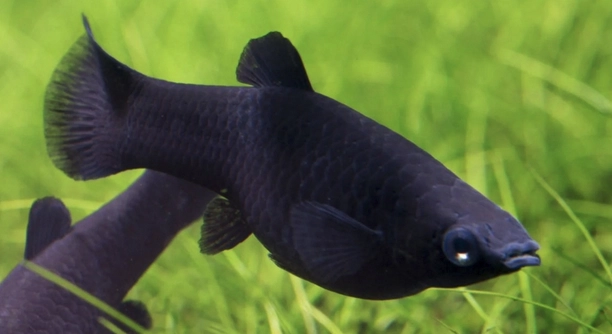
Have you ever noticed your black mollies acting in unexpected ways, making their usual peaceful behavior seem different and confusing as you try to understand what might be causing their shifts in temperament and activity.
Erratic black molly behavior typically arises from environmental instability, inadequate water parameters, social stress, nutritional deficiencies, illness, breeding activity, or habitat changes that disrupt normal patterns and produce observable behavioral shifts linked to compromised well being across their aquatic environment.
Exploring these influences can help you understand what shapes their daily actions, offering a clearer path toward supporting healthier behavior.
Unstable Water Conditions
Unstable water conditions can quickly disrupt how black mollies behave, creating sudden changes that feel worrying when you are trying to keep their environment steady. When ammonia, nitrite, or nitrate levels rise, your fish may start darting around, hiding more often, or staying near the surface for extended periods. These shifts often appear unpredictable, but they reflect how sensitive mollies are to anything that makes their habitat feel unsafe. Temperature swings can add to the pressure, making their reactions even more noticeable. Regular testing helps you keep track of subtle shifts before they build into something more serious. Stable filtration, consistent maintenance, and small water changes support a calmer space that helps your mollies settle back into their usual patterns. When the water remains balanced, their movements become smoother, their color stays bright, and their activity feels more stable throughout the day, giving you a clearer understanding of their needs.
Gradually improving these conditions helps your mollies return to calmer behavior without adding extra stress. Small adjustments often make the biggest impact, giving them a steady environment where they can swim comfortably and respond naturally to daily changes without showing the frantic movements that signal discomfort in their daily routine.
Maintaining stable water parameters also supports the natural rhythms your mollies rely on to stay comfortable. When their environment holds steady, they conserve energy, eat consistently, and interact with their surroundings in calmer ways. This stability reduces the nervous behavior that often appears when conditions fluctuate too quickly. It also helps them adjust to changes more smoothly, since their bodies are not constantly managing environmental stress. A balanced habitat encourages predictable patterns that are easier for you to observe, making it simpler to notice when something shifts. With steady care, your mollies show calmer behavior that mirrors their supported environment.
Social Stress and Aggression
Social tension can influence how your mollies act by pushing them into patterns that feel restless or overly alert. Crowding, mismatched tank mates, or territorial behavior can heighten these reactions, leading to sudden bursts of activity that reflect how strongly they respond to pressure within their group in shared spaces.
Managing social dynamics in a molly tank helps reduce the behaviors that seem unpredictable or intense, especially when several factors influence how the group interacts. Black mollies thrive when they have enough room to separate themselves during stressful moments, since tight environments can make small conflicts escalate quickly. Providing plants, decorations, and open swimming areas allows each fish to claim space without competing constantly. When tank mates have different temperaments, mollies may react strongly to their presence, especially if the other species prefers faster movements or stays too close for comfort. Observing how individuals behave around one another can help you spot patterns that indicate tension, such as fin nipping, chasing, or sudden hiding. Adjusting the number of fish, offering more shelter, or rearranging the layout can ease these issues by giving them a fresh sense of stability. Balanced social conditions help your mollies return to smoother interactions, allowing you to support healthier behavior that reflects a secure environment. Consistent monitoring prevents small disputes from building into stress that affects their stability. When early signs of tension appear, simple adjustments help restore balance, allowing each molly to relax, interact more gently, and maintain behavior that reflects a calm and environment.
Poor Nutrition
Poor nutrition can make black mollies act unsettled, leading to sudden bursts of activity or sluggish behavior that feels different from their usual patterns. An unbalanced diet often shows up through pacing, surface hovering, or reduced interest in interacting with their surroundings.
Feeding a reliable mix of quality flakes, algae based foods, and occasional protein helps support stable energy levels. When their meals lack variety, mollies may struggle to process nutrients, which affects both their movement and behavior. Overfeeding can make these problems worse, since leftover food raises waste levels and creates extra stress. Keeping meals small and consistent allows their bodies to stay balanced, leading to smoother daily behavior that feels easier to recognize and understand.
A steady feeding routine also helps your mollies adapt to predictable rhythms, easing the behaviors that appear when they feel unsettled by inconsistent meals. Balanced nutrition supports brighter color, steadier swimming patterns, and calmer reactions to small environmental changes. This makes it easier to spot unusual behavior early, since their normal activity stays consistent when they receive the nutrients they need.
Illness or Parasites
Illness or parasites often trigger clear shifts in behavior, pushing mollies into patterns that feel tense or irregular. Lethargy, rubbing against surfaces, clamped fins, or sudden hiding can signal that something is affecting them internally and needs attention before it becomes more serious.
Recognizing unusual behavior quickly helps you respond before symptoms spread or deepen. Quarantine tanks are useful for monitoring individual fish without stressing the rest of the group, giving you space to watch for appetite changes, breathing irregularities, or unusual swimming patterns. Targeted treatment supports their recovery, but maintaining good tank hygiene and stable conditions helps prevent these issues from developing. Clean water, balanced feeding, and reduced stress contribute to a healthier environment that strengthens their natural defenses. Observing their movements daily helps you notice subtle shifts early, ensuring you can act promptly when something feels off.
Continue the article with the following outline and format. Do not write an intro for each header, get straight to the point. Do not use a greeting. Make it feel slightly personal. Write in a simplistic style. Do not greet the reader.; Outline and Format: ; Header: xxxxxxxxxxxxxxxxxxx; 50 words paragraph; 50 words paragraph; Header: xxxxxxxxxxxxxxxxxxx; 100 words paragraph; Header: xxxxxxxxxxxxxxxxxxx; 50 words paragraph; Note: Skip the intro, get straight to the point. The rest of the headers will be provided later, so do not write them yet. Skip the conclusion, and recap. Respect the given word count for every paragraph.
FAQ
Why are my black mollies suddenly swimming frantically?
Frantic swimming usually indicates stress from sudden changes in the tank. It can result from unstable water parameters, aggressive tank mates, or abrupt shifts in temperature. Observing their environment carefully and checking ammonia, nitrite, nitrate, and pH levels can help pinpoint the cause and restore calm behavior.
Can black mollies act strange if their diet is poor?
Yes, an unbalanced diet can cause erratic movements or unusual hiding. Lack of proper nutrients affects energy levels, immune response, and overall health. Providing a mix of high-quality flakes, algae-based foods, and occasional protein keeps their behavior consistent and prevents nutrient-related stress.
Do breeding patterns affect molly behavior?
Breeding strongly influences behavior. Males may chase females more aggressively, while females often hide or avoid interaction. Providing plants, decorations, and a proper male-to-female ratio reduces chasing and creates a calmer environment for all fish.
How does tank size impact behavior?
Small or overcrowded tanks increase stress, triggering chasing, hiding, or erratic swimming. Mollies need space to explore and separate themselves when threatened. A larger, well-decorated tank helps distribute energy and reduces competition, promoting more natural, steady behavior.
Can illness make black mollies act oddly?
Illness or parasites frequently cause unusual behavior. Symptoms include lethargy, clamped fins, rubbing against surfaces, or refusing food. Quarantining affected fish and observing them closely while maintaining clean water can help detect problems early and support recovery.
Do environmental changes stress mollies?
Yes, even minor changes like moving plants, altering lighting, or introducing new fish can make mollies jittery. They respond to shifts in familiar patterns, so gradual adjustments and consistent tank conditions minimize stress and stabilize behavior.
Why do black mollies hide so often?
Hiding is a stress response. Common causes include aggression from tank mates, poor water quality, or sudden environmental changes. Providing ample plants and shelters allows them to feel secure and reduces frequent hiding behavior.
Can lack of stimulation affect black molly behavior?
Mollies need mental and physical stimulation. A bare tank can lead to restlessness or disinterest. Adding plants, decorations, and gentle water flow encourages natural exploration and consistent activity levels.
How often should I check water quality?
Regular testing is critical. Weekly checks for ammonia, nitrite, nitrate, and pH help prevent stress-induced behavior. Sudden spikes often trigger erratic swimming or hiding, so consistent monitoring keeps the environment stable.
Is it normal for black mollies to chase each other?
Chasing is natural during mating or establishing territory. However, excessive chasing indicates imbalance in male-to-female ratios, overcrowding, or stress. Adjusting population, providing hiding spots, and monitoring tank dynamics reduces aggressive interactions.
Can lighting affect their behavior?
Yes, abrupt or overly bright lighting can make mollies skittish or overly active. Consistent light cycles and gradual changes help maintain calm swimming patterns and predictable daily activity.
What should I do if behavior doesn’t improve?
If behavior persists despite stable water, proper diet, and balanced tank conditions, consult a veterinarian familiar with fish. Health issues or parasites may require treatment beyond standard care, ensuring mollies recover and regain steady behavior.
How long does it take for mollies to settle after changes?
Adjustment varies, usually a few days to a week. Providing stable water, proper nutrition, and a secure environment accelerates recovery, allowing mollies to return to regular swimming and interaction patterns more quickly.
Are black mollies sensitive to temperature changes?
Yes, sudden temperature fluctuations can trigger stress and erratic swimming. Keeping the tank within a consistent range, ideally between 72–82°F, supports their comfort and prevents behavioral disruptions caused by cold or warm water shocks.
Can adding new tank mates cause issues?
Introducing new fish can temporarily stress mollies. Gradual acclimation, quarantine, and monitoring interactions minimize chasing, hiding, or sudden bursts of activity, helping all fish adapt without long-term behavioral problems.
Do black mollies need hiding spots?
Yes, hiding spots reduce stress and give fish control over their environment. Plants, rocks, and decorations allow mollies to retreat when needed, promoting calmer interactions and steadier swimming patterns throughout the day.
How does overfeeding affect behavior?
Overfeeding can lead to poor water quality and stress, triggering erratic swimming or lethargy. Feeding small, consistent amounts supports digestion, maintains clean water, and helps mollies stay active and healthy.
Can stress cause color changes?
Stress may dull black molly coloration. Factors include poor water quality, overcrowding, illness, or sudden environmental changes. Maintaining stable conditions and a low-stress environment helps preserve natural color and normal behavior.
Is it normal for mollies to interact differently with each other?
Yes, personality, age, and gender influence interactions. Some fish are more active, while others are shy. Observing these patterns helps you understand group dynamics and make adjustments to reduce stress and erratic behavior.
Can I prevent erratic behavior entirely?
While some variation is natural, consistent care greatly reduces stress. Stable water, balanced diet, proper tank size, hiding spots, and compatible companions create an environment where mollies can swim, feed, and interact predictably without frequent behavioral disruptions.
Black mollies are sensitive creatures, and their behavior reflects the conditions around them. Observing them closely can tell you a lot about their well-being, from water quality to social dynamics. Sudden darting, hiding, or restless swimming often points to stress or environmental issues. Consistent care and attention make it easier to understand when they are comfortable and when something needs adjustment. Small changes, like rearranging decorations, adding plants, or maintaining a steady temperature, can have a significant impact on how they act. Understanding their daily patterns and keeping track of any deviations helps prevent problems from escalating. The more predictable their environment, the more predictable their behavior becomes.
Stable water parameters are one of the most important factors for maintaining calm, healthy mollies. Regularly testing ammonia, nitrite, nitrate, and pH ensures that their tank remains within safe limits. Even minor fluctuations can create stress, causing sudden bursts of movement or prolonged hiding. Feeding a balanced diet with appropriate nutrients also supports consistent energy levels and natural behavior. Overfeeding, underfeeding, or providing low-quality food can all contribute to erratic activity. Along with clean water, proper nutrition forms the foundation for predictable, stable behavior. When these elements are consistently maintained, mollies display smoother swimming, more interaction, and a calmer presence in the tank.
Social interactions and tank layout play a role as well. Overcrowding, incompatible tank mates, or aggressive behavior can push mollies into hiding or chasing patterns that seem sudden or unpredictable. Providing enough space, hiding spots, and decorations helps reduce tension and allows fish to settle into their environment. Breeding activity, while natural, can also create temporary behavioral changes, especially if males are chasing females. Paying attention to these patterns and creating an environment that supports both movement and retreat ensures that mollies feel secure. Ultimately, understanding black molly behavior is about observing patterns, addressing stressors, and maintaining a stable, balanced habitat where they can thrive consistently.

Hello,
If you enjoy the content that we create, please consider saying a "Thank You!" by leaving a tip.
Every little bit helps us continue crafting quality advice that supports the health, happiness, and well-being of pets around the world, for pets of all shapes, sizes, and species.
We really appreciate the kindness and support that you show us!