
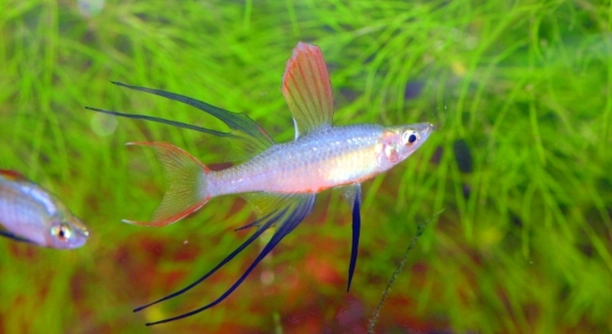
Do you enjoy watching fish in your aquarium and notice their subtle changes before they spawn? Threadfin Rainbowfish are known for their bright colors and interesting behaviors during breeding, making them a fascinating species to observe closely.
Threadfin Rainbowfish exhibit seven distinct appearances before spawning, including intensified coloration, fin flaring, body posture changes, lateral stripe prominence, increased activity, subtle pattern shifts, and territorial displays. These variations are consistent indicators of reproductive readiness in this species.
Observing these unique behaviors can deepen your understanding of Threadfin Rainbowfish and improve your care techniques for their breeding environment.
Intensified Coloration
Before spawning, Threadfin Rainbowfish display their most vibrant colors. Males often brighten their blues and reds, while females may show subtle golden hues. This shift signals reproductive readiness and is influenced by diet, water quality, and social interactions. The change is gradual but noticeable over days. Increased light exposure can enhance color intensity naturally. In my experience, observing this shift is always exciting because it marks the start of their breeding period. Coloration helps fish attract mates while also indicating their health and energy levels. A duller fish may not be ready to spawn, so noticing these subtle changes can guide your breeding setup. Maintaining stable water temperature and low stress levels supports this natural display, allowing the fish to reach their peak colors. Watching them swim with bright, glistening scales adds a calming, almost mesmerizing effect to the tank, making it easier to anticipate spawning behavior.
Vibrant coloration directly correlates with reproductive activity, serving as a biological signal to potential mates and a reliable method for tracking spawning readiness.
Noticing color changes early allows for better tank management and improved breeding success over time.
Fin Flaring and Posture Changes
Threadfin Rainbowfish spread their fins widely and hold their bodies in a more upright position. This behavior is a display of dominance and readiness for mating. It can also indicate excitement or mild stress when new fish enter the tank.
Flaring fins serve multiple purposes, including attracting females and warding off rivals. The posture itself is precise, with the fish often hovering near plants or open swimming areas. Observing this behavior gives insight into social hierarchy and pairing choices within the tank. Males may flare more often during prime daylight hours when activity peaks. Flaring also involves subtle movements, like twitching fins or shifting colors slightly. By paying attention, you can time feeding and tank maintenance to avoid stressing the fish. Overall, these displays are a natural part of reproduction and maintaining a calm environment encourages healthy, confident behavior. They help signal which fish are ready to spawn and influence mating patterns effectively.
Lateral Stripe Prominence
Lateral stripes on Threadfin Rainbowfish become more noticeable before spawning. Males usually develop sharper, darker lines, while females may show fainter markings. These stripes help communicate readiness and establish visual boundaries among tank mates. Observing these changes helps predict spawning behavior accurately.
The stripes are not static and can shift subtly depending on mood, health, and social interactions. During pre-spawning, males often swim in prominent display areas to showcase their patterns. Females respond to these visual cues, selecting mates based on stripe clarity and symmetry. Changes may also coincide with fin flaring or intensified coloration, making multiple indicators easier to track. Maintaining clean water, proper lighting, and a balanced diet enhances stripe visibility, ensuring the fish are comfortable and healthy. Watching these lines emerge and become distinct adds a layer of anticipation, as it signals that mating activity will soon occur.
Tracking lateral stripe changes can help plan tank arrangements and separate males if aggression arises. This detail allows careful observation of pairing choices without disturbing natural behaviors.
Increased Activity and Movement
Pre-spawning Threadfin Rainbowfish swim more actively, often patrolling the tank and exploring every corner. Males show bursts of speed while displaying fins and colors, signaling readiness to mates and dominance over territory.
This activity is not random; it is a purposeful pattern aimed at attracting females and establishing breeding zones. Fish may hover near plants, rocks, or open spaces, demonstrating their fitness. These movement patterns also involve chasing or circling other fish, reinforcing hierarchy. Excessive activity might stress weaker fish, so it is important to monitor interactions closely. Tank layout influences behavior significantly, with open spaces encouraging displays and hiding spots providing comfort for shy individuals. Feeding schedules can affect activity, as well-fed fish display more energy and confidence. Observing their patterns over days helps anticipate spawning times.
In my experience, noting these bursts of energy is the best way to predict the peak breeding period. Males patrol continuously, females respond subtly, and these movements create a rhythm that reflects the natural readiness for spawning. Adjusting water conditions to remain stable further supports these behaviors, ensuring fish display naturally without additional stress or distraction.
Subtle Pattern Shifts
Threadfin Rainbowfish often show slight changes in body patterns before spawning. Spots or faint markings may become more defined. These shifts help indicate readiness and can be a useful visual cue for tracking pre-spawning behavior.
Patterns can vary between individuals, with males showing stronger contrasts than females. Observing these small changes over time helps identify which fish are preparing to breed. Environmental factors like lighting and water clarity can enhance pattern visibility. Tracking these subtle shifts provides insights into tank dynamics and ensures proper monitoring of the fish’s reproductive behaviors.
Territorial Displays
Males begin defending specific areas in the tank more aggressively. This behavior establishes dominance and signals to females where spawning may occur.
Territorial behavior includes chasing rivals, circling plants, and positioning near open swimming spaces. These displays indicate a male’s readiness to mate and help reduce conflicts during breeding. Watching these interactions helps in managing tank layout and ensuring all fish remain safe and stress-free.
Increased Interest in Plants
Threadfin Rainbowfish spend more time around plants before spawning. They hover, inspect, and sometimes clean leaves in preparation for laying eggs.
This behavior is a natural instinct, reflecting their preference for sheltered, safe areas for reproduction. Providing adequate plant coverage supports healthy breeding habits and encourages fish to exhibit natural behaviors.
FAQ
How do I know if my Threadfin Rainbowfish are ready to spawn?
You can tell by observing several physical and behavioral changes. Males brighten their colors, flare their fins, and show sharper lateral stripes. Females may show subtle golden hues and increased activity. Territorial displays and hovering around plants also indicate reproductive readiness.
What is the best tank setup for spawning?
A well-planted tank with open swimming areas is ideal. Provide fine-leaved plants or spawning mops for egg-laying. Keep water stable with temperatures around 25–28°C and maintain clean, slightly acidic to neutral water. Avoid overcrowding to reduce stress and ensure natural behaviors.
How can I encourage vibrant coloration before spawning?
Feeding a varied diet rich in high-quality flakes, frozen foods, and live foods enhances color. Proper lighting and minimal stress also help. Regular water changes and stable conditions ensure fish display peak colors naturally. Observation over several days will reveal gradual intensification.
Should I separate males and females before spawning?
Separating temporarily is not usually necessary unless aggression becomes a problem. Males establish territories naturally, and females choose where to lay eggs. Monitor interactions closely; if chasing becomes excessive, providing extra hiding spaces can prevent injury.
How long does the pre-spawning phase last?
It can range from several days to a week. Changes in coloration, fin flaring, and activity develop gradually. Monitoring these signs helps predict the exact spawning time and allows preparation of appropriate breeding areas.
Do Threadfin Rainbowfish need specific water conditions to spawn?
Yes, stable water conditions are crucial. Slightly acidic to neutral pH, clean water, and consistent temperatures around 25–28°C encourage spawning. Avoid sudden changes in water chemistry, as this can stress the fish and delay reproductive behaviors.
How many eggs do they typically lay?
Females can lay several hundred eggs over a few days. Eggs are usually attached to plant leaves or fine surfaces. Removing eggs from adult fish may be necessary if the adults show egg-eating behavior.
Can I use artificial lighting to influence spawning?
Consistent lighting helps maintain natural behavior. A 10–12 hour light cycle simulates daylight, enhancing activity and color intensity. Avoid extreme brightness or sudden changes, which may stress the fish and affect spawning readiness.
How do I care for the fry?
Fry should be moved to a separate tank or heavily planted area to prevent predation. Feed infusoria, microworms, or finely crushed flake food initially. Gradually increase food size as they grow. Maintain excellent water quality for healthy development.
Are there common mistakes to avoid during spawning?
Overcrowding, poor water quality, and sudden changes in temperature or pH can prevent spawning. Avoid excessive handling and monitor aggressive males. Ensuring proper nutrition, plant coverage, and stable conditions supports natural breeding behaviors.
How can I tell if eggs are fertilized?
Fertilized eggs are usually clear or slightly yellowish and develop visible embryos within a few days. Unfertilized eggs often become opaque or white and may be removed to prevent water contamination.
Is it normal for males to chase females aggressively?
Some chasing is normal as males establish dominance and guide females to spawning areas. Monitor interactions to prevent injury, and provide hiding spaces for females if chasing becomes excessive.
How long until fry swim freely?
Fry typically become free-swimming within 5–7 days after hatching. During this time, they absorb their yolk sacs and start exploring the tank. Feeding should begin gradually once they are swimming and actively searching for food.
Can I breed Threadfin Rainbowfish in a community tank?
It is possible but more challenging. Aggressive or fast-moving tank mates can stress breeding fish or eat eggs and fry. A species-only or carefully managed tank increases success rates. Providing dense planting helps protect fry and reduces stress on adults.
How often do Threadfin Rainbowfish spawn?
Under ideal conditions, they can spawn every few weeks. Monitoring behavioral signs, maintaining stable water, and providing proper nutrition encourage regular reproductive cycles. Timing may vary depending on tank environment and fish health.
What are signs that spawning is unsuccessful?
Indicators include eggs not developing, males losing color prematurely, or females showing reduced activity. Poor water conditions, stress, or infertile pairings can cause this. Adjusting environment and monitoring behavior helps improve success in future attempts.
How long do eggs take to hatch?
Eggs usually hatch in 7–10 days depending on water temperature. Warmer water speeds development slightly, while cooler water may slow it. Keeping conditions stable ensures consistent hatching and healthy fry.
Can I remove adult fish after spawning?
If adults show egg-eating behavior, temporary removal protects the eggs. Otherwise, adults can remain, especially in well-planted tanks where eggs are difficult to reach. Observing behavior helps decide if separation is necessary.
Is it necessary to use live food for breeding?
Live foods improve nutrition and stimulate natural behavior, enhancing coloration and energy levels. While high-quality frozen foods work, a mix of live and frozen items is ideal to support pre-spawning vigor and overall reproductive success.
How do I maintain a stress-free environment during spawning?
Limit sudden changes in water, avoid overcrowding, and provide plants or hiding spots. Gentle feeding and minimal handling help. Stress-free conditions encourage natural displays, coloration, and successful spawning behaviors, improving both adult health and fry survival.
This FAQ provides practical guidance for observing, preparing, and supporting Threadfin Rainbowfish through all stages of pre-spawning and breeding, ensuring a healthy and productive environment for both adults and fry.
Final Thoughts
Threadfin Rainbowfish are remarkable fish to observe, especially during the pre-spawning and spawning phases. Their subtle changes in coloration, fin displays, and body patterns are clear indicators of their readiness to reproduce. By paying close attention to these behaviors, you can better understand the natural rhythms of your aquarium. Observing their colors intensify, fins flare, and lateral stripes become more prominent provides not only a visual treat but also important information about their health and energy levels. These changes are gradual and sometimes easy to miss, so spending consistent time watching your fish helps ensure you catch these signals early. A stable environment with proper water quality, temperature, and light conditions supports these natural behaviors and allows the fish to exhibit their full potential.
Providing the right setup for Threadfin Rainbowfish is crucial to supporting successful spawning. Planted tanks with both open swimming spaces and dense areas for hiding or egg-laying encourage natural behaviors. Fine-leaved plants or spawning mops give females safe places to lay eggs, while males display their territory through flaring, chasing, and circling behaviors. Balanced feeding with a mix of high-quality flakes, frozen foods, and live foods enhances coloration, energy, and overall readiness. Avoiding overcrowding and maintaining low-stress conditions allows these behaviors to occur naturally, without forcing the fish or creating unnecessary aggression. Monitoring interactions closely is important because territorial males may chase or harass females, and providing hiding spots can prevent injury. These efforts, while simple, make a significant difference in the overall health and reproductive success of your fish.
Understanding the pre-spawning behaviors of Threadfin Rainbowfish also enhances the enjoyment of keeping them. Observing subtle pattern shifts, increased activity, and interest in plants can become rewarding daily experiences, especially when you see the first signs of eggs or fry. Consistent attention and careful management of water conditions, diet, and tank layout create an environment that mirrors their natural habitat, encouraging both healthy behaviors and successful breeding. Even small adjustments, like optimizing light cycles or trimming plants to improve visibility, can have a meaningful impact. Over time, recognizing these patterns becomes easier, helping you predict spawning and manage the tank more effectively. These observations not only improve breeding outcomes but also deepen your connection to the fish, allowing you to appreciate the unique characteristics of Threadfin Rainbowfish while fostering a thriving, balanced aquarium.

Hello,
If you enjoy the content that we create, please consider saying a "Thank You!" by leaving a tip.
Every little bit helps us continue crafting quality advice that supports the health, happiness, and well-being of pets around the world, for pets of all shapes, sizes, and species.
We really appreciate the kindness and support that you show us!