
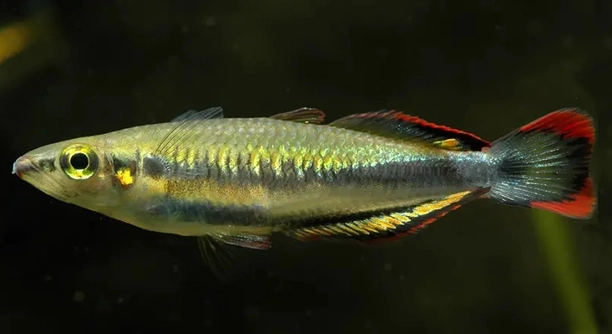
Rainbowfish are vibrant and active, often adding life to any aquarium. Sometimes, however, they may be seen rubbing or scratching themselves against decorations or tank surfaces, which can be concerning for attentive fish owners.
Rainbowfish scratch themselves primarily due to irritation caused by parasites, skin infections, or poor water quality. External parasites like ich or flukes attach to their scales, while improper tank conditions can trigger stress, leading to increased rubbing and self-damage.
Observing these behaviors closely can help identify underlying issues and maintain the overall health of your rainbowfish. Proper care ensures they remain colorful and lively in their environment.
Common Causes of Scratching
Rainbowfish often scratch themselves due to parasites, which are tiny organisms that attach to their scales and skin. Ich, also known as white spot disease, is one of the most frequent problems. This parasite causes small white spots and constant irritation. Flukes, another type of parasite, attach to gills or fins, leading to discomfort and frequent rubbing. Poor water quality can also be a significant factor. High levels of ammonia, nitrites, or an improper pH can irritate the skin and scales, prompting scratching. Overcrowding and stress may worsen these behaviors because stressed fish are more prone to infections and skin problems. Observing behavior closely, along with maintaining clean, stable tank conditions, is essential. Regular water testing and proper filtration can prevent irritation. Additionally, removing uneaten food and debris helps maintain a healthy environment. Monitoring your fish daily allows for early detection of signs and prompt treatment, keeping your rainbowfish comfortable and active.
Parasite infestations and poor water conditions are often the main triggers. Observing your fish can help catch problems early and reduce scratching.
Taking action quickly is crucial. Treatments may include medicated baths, adjusting water parameters, or isolating affected fish. Preventive measures, like quarantining new fish and maintaining regular water changes, reduce the likelihood of recurring issues. Watching for subtle changes in behavior and appearance helps ensure your rainbowfish remain healthy.
Maintaining a Healthy Tank
Clean water and proper filtration are key to preventing irritation. Regular testing keeps conditions stable.
Water changes should be consistent, usually around 20–25 percent weekly, to remove toxins and debris. Using a reliable filter maintains circulation and oxygen levels. Avoid overfeeding, as leftover food can pollute the tank. Decorating the tank with smooth surfaces and hiding spots helps reduce stress and provides areas for resting. Quarantining new fish before introducing them limits the spread of parasites. Observing your rainbowfish for unusual behavior, such as flashing, rubbing, or faded colors, allows early intervention. A balanced diet supports immunity, helping fish resist infections. Avoiding sudden changes in temperature or water chemistry also prevents stress-related scratching. Combining these practices ensures a stable environment, reduces the risk of infections, and keeps rainbowfish lively. Consistency in care makes a noticeable difference in their overall well-being and appearance.
Identifying Parasite Infestations
White spots, flashing, and rapid gill movement are common signs of parasites. Fish may scratch against decorations or the tank glass frequently. These behaviors indicate discomfort and possible infection.
Parasites like ich or flukes attach to the fish’s skin, scales, or gills. Ich appears as small white dots across the body and fins, while flukes may cause redness or inflammation in affected areas. Fish suffering from parasites often become lethargic, lose appetite, and show unusual swimming patterns. Early detection is essential to prevent widespread infection. Treatments typically involve medicated baths, raising water temperature gradually for ich, or using antiparasitic medications recommended for aquarium fish.
Quarantining affected fish is important to prevent parasites from spreading to healthy tank mates. Regular observation and maintaining optimal water conditions reduce the chances of reinfestation. Combining treatment and preventive measures ensures that rainbowfish recover quickly and remain active.
Adjusting Water Conditions
Testing water for ammonia, nitrite, and nitrate levels is essential for a healthy tank. Adjusting parameters prevents irritation and stress.
Maintaining stable water temperature and pH is crucial for rainbowfish health. Sudden fluctuations can cause stress, making them more vulnerable to infections and prompting scratching behavior. Use a reliable filter to keep water clean and circulating, while performing consistent water changes removes toxins and debris. Avoid overcrowding, as it increases waste production and stress, both of which can exacerbate skin irritation. Smooth decorations and hiding spots provide safe areas, reducing rubbing against rough surfaces. Consistency in care supports overall immunity and well-being, helping rainbowfish remain vibrant and active in the tank.
Dietary Factors
Improper diet can weaken rainbowfish, making their skin more sensitive and prone to scratching. Overfeeding or lacking essential nutrients may lead to health issues that trigger irritation.
A balanced diet with high-quality flakes, pellets, and occasional live or frozen foods supports healthy scales and skin. Consistent feeding habits reduce stress and help prevent scratching caused by dietary deficiencies.
Stress and Environmental Triggers
Loud noises, frequent tank disturbances, or sudden changes in lighting can stress rainbowfish. Stress often manifests as scratching or unusual behavior in the tank. Maintaining a calm and stable environment helps fish feel secure and reduces self-inflicted irritation.
Treating Minor Skin Irritations
Small scratches or abrasions can heal with proper water care and minimal handling. Ensuring clean water and avoiding rough surfaces prevents infections and promotes recovery.
Observation and Regular Checkups
Daily observation is key to catching problems early. Monitoring behavior and physical signs allows quick action before issues worsen, keeping rainbowfish healthy and active.
FAQ
Why is my rainbowfish constantly scratching itself?
Rainbowfish scratch primarily due to irritation from parasites, skin infections, or poor water conditions. External parasites like ich or flukes attach to their skin, causing discomfort. Stress from overcrowding or sudden changes in water temperature or pH can also increase scratching behavior. Maintaining a stable and clean environment helps reduce these issues.
Can water quality alone cause scratching?
Yes, water quality plays a significant role. High ammonia, nitrite, or nitrate levels, improper pH, or fluctuating temperatures can irritate their skin. Even small changes can stress rainbowfish, making them rub against surfaces more often. Regular water testing and consistent filtration are essential to prevent irritation.
Are certain parasites more common in rainbowfish?
Ich, also known as white spot disease, is one of the most frequent parasites. It appears as tiny white spots and causes frequent rubbing. Flukes attach to gills or fins, leading to redness and discomfort. Both require prompt treatment to prevent further stress and infection.
How do I treat parasites without harming my fish?
Medicated baths, antiparasitic treatments, and temperature adjustments are common approaches. Quarantining affected fish prevents spreading to healthy tank mates. Always follow dosage instructions carefully and monitor the fish during treatment. Maintaining clean water and consistent tank care enhances recovery and prevents recurrence.
Can diet affect scratching?
Yes, a poor diet weakens the fish’s immune system and skin health. A balanced diet with high-quality flakes, pellets, and occasional live or frozen foods helps maintain strong scales and reduces irritation. Overfeeding or irregular feeding schedules may also contribute to stress and scratching.
Do decorations or tank layout influence scratching?
Rough surfaces, sharp decorations, or overcrowded spaces can cause accidental abrasions. Smooth surfaces, proper hiding spots, and adequate swimming space reduce rubbing and help rainbowfish avoid self-injury while staying active.
Is stress a major factor in scratching?
Stress is a significant factor. Loud noises, frequent disturbances, sudden changes in lighting, and aggressive tank mates can trigger scratching behavior. Minimizing stress with a stable environment and calm tank routine promotes healthy behavior.
How can I prevent future scratching?
Consistent water maintenance, proper diet, stress reduction, and early detection of parasites are key preventive measures. Regular observation of your rainbowfish allows you to address minor issues before they escalate, ensuring long-term health and comfort.
How do I know if the scratching is serious?
Persistent scratching, redness, visible parasites, or lethargy are signs of serious issues. Immediate action, such as testing water, isolating affected fish, and starting treatment, is necessary to prevent severe infections or long-term harm.
Can minor abrasions heal on their own?
Small scratches may heal if water quality is good and stress is minimized. Avoid handling fish unnecessarily, and ensure smooth surfaces in the tank. Keeping the environment clean prevents infections and promotes recovery without additional medication.
How often should I check my rainbowfish?
Daily observation is recommended. Watching their behavior, swimming patterns, and appearance allows early detection of scratching, parasites, or stress. Quick action can prevent minor issues from becoming major problems.
Is quarantine necessary for new fish?
Yes, quarantining new fish for at least two weeks helps prevent the introduction of parasites or infections. This practice protects existing rainbowfish and maintains a healthy tank environment.
What role does temperature play in scratching?
Temperature fluctuations stress rainbowfish, which may increase scratching behavior. Keeping water within a stable range suitable for rainbowfish helps prevent irritation and supports overall health.
Can I use salt to treat minor irritation?
Adding aquarium-safe salt in small, controlled amounts can help reduce mild skin irritation and improve gill function. It should be used carefully, following guidelines for dosage, and not as a substitute for proper treatment of parasites or infections.
How important is a stress-free environment?
A calm, consistent environment greatly reduces scratching and promotes healthy behavior. Avoid sudden changes, overcrowding, and aggressive tank mates. Providing hiding spots and maintaining stable water conditions supports both physical and mental well-being.
What signs indicate recovery from scratching issues?
Rainbowfish recovering from irritation or parasites will show reduced rubbing, normal swimming, brighter colors, and restored appetite. Consistent observation during recovery ensures issues do not recur and supports overall health.
How can I tell the difference between parasites and minor abrasions?
Parasites often come with visible spots, redness, or inflammation, while minor abrasions usually result from bumping against surfaces. Parasites typically cause persistent scratching and stress, whereas small scratches heal quickly with good water care.
When should I consult a professional?
If scratching persists, parasites are visible, or fish show signs of lethargy, loss of appetite, or infection, consulting an aquatic veterinarian or experienced aquarist is recommended. Prompt professional advice can prevent serious health problems.
Can multiple factors contribute at once?
Yes, scratching is often caused by a combination of poor water quality, parasites, stress, and diet. Addressing all contributing factors ensures effective treatment and long-term health for your rainbowfish.
How long does it take for rainbowfish to recover?
Recovery time depends on the cause and severity. With proper treatment, clean water, and reduced stress, minor cases may improve within days, while serious parasite infestations may take several weeks to fully resolve. Observation and consistent care are essential throughout recovery.
Rainbowfish are active and colorful additions to any aquarium, and keeping them healthy requires attention to both their environment and behavior. Scratching is a common sign that something in their habitat may need adjustment. It can stem from external parasites, poor water quality, stress, or even minor injuries caused by rough decorations. Understanding the potential causes is the first step toward addressing the issue. By observing their daily behavior, such as rubbing against surfaces, changes in swimming patterns, or loss of appetite, you can detect problems early. Early detection is crucial, as it allows for prompt intervention before minor irritation develops into serious health concerns. Proper monitoring and care ensure that your rainbowfish remain comfortable and continue to display their natural vibrancy.
Maintaining clean water and stable tank conditions is central to preventing scratching. Regular water changes, testing for ammonia, nitrites, nitrates, and pH levels, and using effective filtration help create a healthy environment. Avoiding sudden temperature fluctuations and overcrowding further reduces stress and irritation. Diet also plays a critical role in their overall well-being. Providing a balanced mix of flakes, pellets, and occasional live or frozen foods supports immune function and helps maintain strong, healthy scales. Smooth tank decorations and sufficient hiding spots prevent accidental abrasions and create safe areas for your fish to rest. Combining these factors—stable water, a proper diet, low stress, and careful tank setup—significantly reduces the risk of scratching and promotes long-term health.
Treatment and preventive measures work best when applied consistently. For parasites or minor infections, appropriate medications and quarantining affected fish prevent the spread of disease. Addressing skin irritation promptly and maintaining optimal water conditions allows for faster recovery. Observation remains an ongoing responsibility; even healthy fish should be watched for early signs of scratching, changes in coloration, or unusual behavior. Regular maintenance and attentive care create a stable, secure environment where rainbowfish can thrive. By understanding the factors behind scratching and taking proactive steps, you ensure your rainbowfish live a comfortable, healthy life, free from unnecessary stress and discomfort.

Hello,
If you enjoy the content that we create, please consider saying a "Thank You!" by leaving a tip.
Every little bit helps us continue crafting quality advice that supports the health, happiness, and well-being of pets around the world, for pets of all shapes, sizes, and species.
We really appreciate the kindness and support that you show us!