
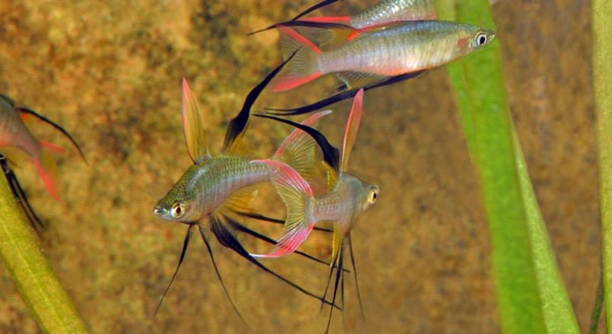
Is your threadfin showing signs of stress or losing its usual vibrant energy? Maintaining its health goes beyond feeding—it’s about building consistent habits that support its overall well-being and environment each day.
Establishing good habits for a healthy threadfin routine involves maintaining water quality, offering a balanced diet, and ensuring adequate space and filtration. Regular monitoring, gentle tank cleaning, and stable conditions help prevent stress and promote long-term vitality for these delicate fish.
Each simple habit plays a vital role in creating a balanced environment that keeps your threadfin active, vibrant, and thriving every day.
Maintain Clean and Stable Water Conditions
Keeping your threadfin healthy starts with consistent water maintenance. Poor water quality can stress the fish, weaken its immune system, and affect its coloration. Regularly changing a portion of the water, cleaning filters, and removing waste help create a balanced habitat. Use a reliable test kit to monitor ammonia, nitrite, nitrate, and pH levels. Stable conditions are key—sudden fluctuations in temperature or pH can cause serious harm. A gentle flow and proper aeration also ensure your threadfin receives enough oxygen. Clean water not only supports physical health but also keeps the fish active and calm in its surroundings.
By maintaining a consistent cleaning schedule, you reduce toxins and bacteria that may harm your threadfin. Keeping the water clear and parameters steady ensures your fish feels secure and stays vibrant every day.
Consistency builds trust in its environment, allowing your threadfin to display natural behavior and flourish with confidence.
Provide a Balanced and Nutritious Diet
A balanced diet is essential for a threadfin’s overall vitality and longevity. Feeding high-quality foods in small portions helps prevent overfeeding and waste buildup. Offer a mix of live, frozen, and pellet foods to provide complete nutrition. Threadfins enjoy variety, so alternate between protein-rich options like brine shrimp, daphnia, and bloodworms, along with quality flakes or micro pellets. Overfeeding should be avoided since uneaten food quickly affects water quality. Feeding two to three small meals daily is better than one large portion. Always observe your threadfin’s appetite and adjust accordingly to keep it healthy and active.
Feeding your threadfin is more than simply giving food—it’s about understanding its needs and patterns. Watching how it reacts to different foods helps you tailor its diet effectively. Balanced nutrition supports growth, color enhancement, and energy levels, keeping your threadfin in peak condition for years to come.
Create a Comfortable Tank Environment
Your threadfin thrives in a calm, well-structured tank with plenty of swimming space. Include gentle lighting, smooth decorations, and soft plants to reduce stress. Avoid overcrowding and strong currents, as they can make the fish uneasy and disrupt its natural swimming rhythm.
Providing the right setup helps your threadfin feel safe and behave naturally. Plants like Java fern or Anubias give hiding spots and reduce aggression among tank mates. A soft substrate prevents injury to delicate fins. Temperature should stay between 75–82°F with minimal fluctuation. A consistent day-night cycle helps regulate behavior and activity levels.
A peaceful environment encourages steady feeding and growth. If the tank feels secure, your threadfin will show its best colors and move with grace. Regularly checking for unwanted noise or harsh lighting can make a big difference in maintaining your fish’s comfort and emotional stability.
Monitor Behavior and Health Regularly
Regular observation is the easiest way to ensure your threadfin remains healthy. Noticing subtle changes early—such as reduced activity, faded color, or unusual swimming patterns—can help you address issues before they worsen. Consistency in attention helps maintain the fish’s overall balance.
Careful monitoring allows you to identify potential health concerns quickly. Set aside a few minutes each day to watch how your threadfin interacts with its surroundings. Look for signs like clamped fins, loss of appetite, or scratching against surfaces, which can indicate water problems or parasites. If changes occur, check water parameters immediately and adjust as needed. Early detection often prevents illness, keeping your fish strong and lively. Routine attention strengthens your connection with your threadfin and ensures it thrives under your care.
Avoid Overcrowding the Tank
Threadfins are peaceful but easily stressed in crowded environments. Too many fish increase competition for food and oxygen, leading to tension and poor health. Keeping a suitable number of tank mates helps maintain calmness and balanced interactions within the aquarium.
Space allows your threadfin to swim freely and display natural movements. Adequate room reduces aggression and ensures proper water circulation. Overcrowding can quickly raise waste levels, affecting water quality and oxygen supply. A spacious tank supports steady growth, comfort, and a longer, healthier life for your fish.
Keep a Consistent Routine
Threadfins respond positively to predictable care. Feeding, cleaning, and monitoring at the same time each day help establish stability. Sudden changes in schedule can cause unnecessary stress, so keeping a steady rhythm ensures your threadfin remains relaxed and healthy.
Limit Noise and Vibrations
Loud sounds or constant vibrations near the tank can startle threadfins, leading to stress or hiding behavior. Placing the aquarium in a quiet, low-traffic area helps them stay calm and active without frequent disturbances.
FAQ
How often should I feed my threadfin?
Feeding your threadfin two to three small meals a day is ideal. Smaller portions help prevent overfeeding, which can pollute the water and cause digestive issues. Each feeding should last only a few minutes, ensuring all food is eaten quickly. Observing your fish’s appetite helps you adjust the quantity when necessary. Consistency in feeding times also promotes healthy metabolism and predictable behavior. Avoid giving large amounts at once, as uneaten food may decay and affect water quality.
What kind of food is best for threadfins?
Threadfins thrive on a balanced diet that includes a mix of live, frozen, and dry foods. High-quality micro pellets or flakes can serve as a staple, while live options like brine shrimp, daphnia, and bloodworms add variety. These foods provide essential proteins, fats, and vitamins needed for strong fins and vibrant coloration. It’s important to rotate different food types to prevent nutritional deficiencies. A well-rounded diet keeps your threadfin active, bright, and healthy throughout its life.
How can I tell if my threadfin is stressed?
Stress signs include loss of color, hiding for long periods, erratic swimming, or refusal to eat. Sometimes, a stressed threadfin may clamp its fins or move to corners of the tank. Poor water quality, sudden lighting changes, or aggressive tank mates often trigger these behaviors. Regularly check water parameters and tank setup if these symptoms appear. Addressing the issue early helps restore your fish’s comfort and prevents long-term health problems.
Can threadfins live with other fish?
Yes, threadfins can coexist peacefully with other gentle fish. Ideal companions include small tetras, rasboras, and peaceful bottom dwellers. Avoid aggressive or fast-moving species that might nip fins or compete heavily for food. Ensure each fish has enough space to swim comfortably and that the tank isn’t overcrowded. Compatibility plays a major role in maintaining a relaxed and balanced aquarium. Observing interactions during the first few days helps ensure all fish adjust smoothly.
What water temperature do threadfins prefer?
Threadfins thrive in temperatures between 75°F and 82°F. Keeping the water within this range promotes good metabolism and steady activity. Sudden drops or rises can cause stress, so it’s best to use a reliable heater and thermometer. Stability is more important than precision. Regular monitoring ensures the environment remains safe and comfortable.
How often should I clean the tank?
Perform small water changes weekly, replacing about 20–25% of the tank’s water. This helps control toxins like ammonia and nitrate without disturbing the ecosystem. Clean filters monthly or as needed, but never wash them with tap water, as it kills beneficial bacteria. Instead, rinse filters using tank water. Avoid full cleanouts unless absolutely necessary, as they can shock the fish and remove essential microorganisms.
Why does my threadfin’s color look faded?
Faded color may indicate stress, poor diet, or bad water quality. Inconsistent lighting can also dull pigmentation over time. Providing a varied diet rich in natural color enhancers like brine shrimp helps restore vibrancy. Stable water conditions, proper lighting cycles, and low stress levels all contribute to maintaining brilliant coloration. Addressing these areas usually helps your fish regain its natural glow.
Can threadfins get sick easily?
Threadfins are sensitive but not fragile. They can fall ill if exposed to dirty water, sudden environmental changes, or poor nutrition. Common issues include fin rot, ich, or bacterial infections. Preventing these problems is easier than treating them—keep the tank clean, maintain stable water conditions, and avoid overcrowding. If illness occurs, isolate the affected fish and use appropriate treatment while continuing to monitor water quality.
Do threadfins need plants in their tank?
Yes, plants are beneficial. They provide shelter, reduce stress, and improve water quality by absorbing nitrates. Threadfins enjoy swimming among plants like Java fern, Anubias, or floating species that offer shade. Live plants also mimic their natural habitat, helping them feel secure. Artificial plants can work too, as long as they’re smooth and don’t damage delicate fins. A mix of open space and greenery creates a balanced environment.
How long do threadfins usually live?
With proper care, threadfins can live between five and seven years. Their lifespan depends largely on diet, tank maintenance, and water stability. Providing a peaceful habitat with consistent conditions greatly increases their chances of living longer. Regular observation and early problem detection also play a key role in extending their life expectancy.
Can threadfins handle bright lighting?
Threadfins prefer moderate lighting. Too much brightness can stress them, while dim lighting helps bring out their natural colors. If you use a strong light source, include floating plants or shaded areas in the tank. This creates balance and prevents overstimulation. A controlled day-night light cycle ensures your fish remains calm and healthy.
How can I make my threadfin feel more comfortable?
Consistency is key. Feed at regular times, keep the tank quiet, and maintain steady lighting and temperature. Avoid sudden movements around the aquarium and provide hiding spots. When your threadfin feels secure, it becomes more active, displays richer colors, and interacts naturally with its surroundings, showing true signs of comfort.
Final Thoughts
Caring for a threadfin is about creating balance through simple, consistent habits. These fish are delicate by nature, and even small changes in their environment can affect their health and mood. By keeping water clean, maintaining stable temperatures, and offering a varied diet, you build the foundation for their overall well-being. A routine that includes regular monitoring, calm surroundings, and mindful feeding keeps stress low and supports healthy growth. Every element in their care—no matter how small—contributes to their comfort. Over time, these small actions form a steady rhythm that your threadfin learns to rely on. That stability is what helps them thrive, showing their best colors and natural behavior.
A healthy threadfin routine doesn’t require complicated steps; it simply needs patience and attention. Clean water, proper tank size, and peaceful tank mates create the right atmosphere. Observing your fish daily helps you catch early signs of stress or illness before they become major problems. It’s about understanding how your fish reacts to its surroundings and making gentle adjustments when needed. Avoid sudden changes in lighting, temperature, or feeding schedules, as these can easily disrupt their balance. Small efforts like replacing water regularly, cleaning filters properly, and ensuring consistent care go a long way. These habits not only benefit your threadfin but also make fishkeeping more enjoyable and fulfilling. When your fish is healthy, active, and calm, it reflects the care and attention you’ve invested.
Maintaining a routine also allows you to form a quiet connection with your threadfin. Watching it swim gracefully, feed with ease, and rest comfortably becomes a rewarding part of the experience. Over time, you begin to recognize its behavior, preferences, and energy levels, making care feel natural and effortless. Consistency, patience, and observation are what truly define success in keeping threadfins. Their health is a reflection of your commitment to providing a stable and nurturing environment. With each habit, you build trust and balance within the tank, ensuring your threadfin feels secure and thrives in its space. In the end, it’s these steady, mindful actions that keep your aquarium not only beautiful but also alive with calm, healthy movement—a small but meaningful reward for your dedication and care.

Hello,
If you enjoy the content that we create, please consider saying a "Thank You!" by leaving a tip.
Every little bit helps us continue crafting quality advice that supports the health, happiness, and well-being of pets around the world, for pets of all shapes, sizes, and species.
We really appreciate the kindness and support that you show us!