
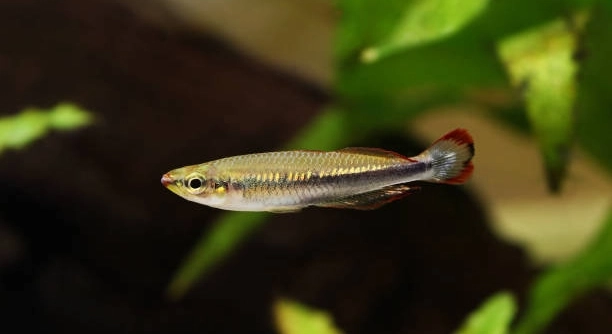
Have you ever noticed your rainbowfish acting differently than usual in your aquarium? Sometimes their behavior seems odd or unexpected. Observing these patterns can help you understand their needs and maintain a healthy aquatic environment.
Rainbowfish may act strangely due to environmental stress, changes in water parameters, social dynamics, or health issues. Recognizing these behaviors is essential for ensuring their well-being and maintaining a stable, thriving aquarium ecosystem.
Knowing what triggers unusual actions in rainbowfish can improve your care practices. Small adjustments often make a significant difference in their comfort and behavior.
Sudden Color Changes
Rainbowfish may suddenly change color when they are stressed or adjusting to new surroundings. Temperature fluctuations, water quality, and tankmates can all affect their coloration. Observing these changes helps you identify problems early and provide a stable environment. Maintaining consistent conditions reduces stress and promotes natural, vibrant colors. Stress-related color changes are usually temporary, but prolonged issues can indicate illness or poor water conditions. Feeding a balanced diet and providing hiding spots also supports their well-being. Sudden color shifts often happen when introducing new fish or rearranging the tank. Monitoring behavior alongside color changes ensures proper care and prevents long-term problems. These small observations can make a significant difference in your rainbowfish’s health and overall activity.
Sudden color shifts are often a response to stress, environmental changes, or social interactions among tankmates.
Understanding the reasons behind color changes allows you to act quickly. Adjusting water temperature, maintaining stable pH, and avoiding overcrowding can restore normal coloration. Diet and tank enrichment also play a role. Regular monitoring helps identify issues before they become serious.
Erratic Swimming Patterns
Erratic swimming can indicate stress, illness, or discomfort. It often appears as darting, spinning, or sudden stops. Noticing these behaviors early helps prevent serious health issues. Changes in water parameters or aggressive tankmates commonly trigger such activity.
Erratic swimming is usually caused by stress, water quality issues, or social conflicts.
Rainbowfish are sensitive to their surroundings, so even minor changes can affect swimming. Sudden movements may result from temperature shifts, low oxygen levels, or overcrowding. Illnesses such as parasites or infections can also make them swim unpredictably. Providing hiding places, maintaining clean water, and observing interactions can reduce stress and restore normal behavior. A stable environment encourages healthy swimming patterns, allowing your fish to thrive. Recognizing the signs early prevents prolonged stress, improving overall health. Consistent feeding and proper tank care further support normal activity. Watching how your rainbowfish respond to changes helps ensure long-term comfort and well-being in the aquarium.
Hiding More Than Usual
Excessive hiding often signals stress or discomfort. Rainbowfish may retreat to corners, plants, or decorations when water quality, lighting, or tankmates cause unease. Frequent hiding indicates something in their environment needs adjustment.
Prolonged hiding can result from poor water conditions, aggressive tankmates, or sudden environmental changes. Rainbowfish need stable conditions, proper lighting, and gentle interactions to feel secure. Observing their patterns helps determine the cause. Adding plants or shelters allows them to retreat safely, reducing stress. Monitoring water parameters and ensuring compatible tankmates can prevent hiding behaviors from becoming a long-term issue.
Hiding can also relate to health concerns. Illnesses or parasites make rainbowfish more reclusive. Watching eating habits, swimming activity, and coloration alongside hiding behavior provides a clearer picture. Consistent care, clean water, and a balanced diet reduce stress and improve their comfort. Adjusting tank setup to mimic natural conditions encourages normal activity, helping them emerge from hiding and interact naturally with their surroundings.
Aggressive Behavior
Rainbowfish may display aggression when establishing social hierarchies or competing for space. This behavior is normal but can become problematic if prolonged or intense.
Aggression often occurs in crowded tanks or when incompatible species are housed together. Dominant fish may chase or nip others to assert control. Providing enough space, hiding spots, and visual barriers reduces conflict. Separating aggressive individuals or adjusting group size can restore harmony. Monitoring behavior regularly ensures aggressive actions do not escalate into injuries, maintaining a safer and calmer environment for all fish.
Stress, overcrowding, and competition for resources increase aggressive tendencies. Even minor changes in the tank, such as new additions or rearranged decorations, can trigger confrontations. Observing which fish instigate conflicts helps manage interactions and prevents harm. Environmental enrichment, including plants, rocks, and open swimming areas, provides outlets for energy and reduces tension. Regular maintenance of water quality and feeding schedules further minimizes triggers. By managing aggression thoughtfully, rainbowfish maintain social balance, allowing all individuals to thrive. Creating a structured environment with predictable routines supports peaceful interactions and reduces the risk of prolonged aggressive episodes.
Gasping at the Surface
Gasping at the water surface usually indicates low oxygen levels. Poor circulation, high temperatures, or overstocked tanks can cause this behavior. Regular aeration and monitoring water quality help prevent oxygen depletion.
It can also signal illness or stress. Observing other signs, like lethargy or discoloration, helps determine the cause. Immediate action is important to restore proper conditions.
Loss of Appetite
Rainbowfish may lose interest in food due to stress, illness, or poor water conditions. Changes in diet, overcrowding, or sudden environmental shifts can trigger this behavior. Monitoring eating patterns and addressing underlying issues helps restore normal feeding habits and overall health.
Flashing or Rubbing Against Objects
Flashing, or rubbing against tank decorations, often signals skin irritation or parasites. Observing water quality, treating potential infections, and maintaining a clean environment reduce discomfort and prevent further health problems.
Why is my rainbowfish changing color suddenly?
Rainbowfish often change color in response to stress, water quality fluctuations, or social interactions. Sudden shifts may indicate temperature changes, poor pH levels, or overcrowding. Maintaining stable water conditions, monitoring tankmates, and providing hiding spaces helps restore natural coloration and reduces stress-related changes.
What does it mean when my rainbowfish swims erratically?
Erratic swimming usually signals stress, illness, or environmental discomfort. Rapid darting, spinning, or sudden stops can result from low oxygen, temperature fluctuations, or aggressive tankmates. Observing swimming alongside feeding and social behavior helps identify the cause. Adjusting water parameters and tank setup often restores normal activity.
Why is my rainbowfish hiding more than usual?
Hiding is a stress response or a sign of discomfort. Environmental changes, aggressive fish, or illness often trigger this behavior. Adding plants or decorations for cover and ensuring stable water conditions allows rainbowfish to feel secure while reducing prolonged reclusion.
Why does my rainbowfish appear aggressive?
Aggression is common when establishing social hierarchies or competing for resources. Crowded tanks or incompatible species increase conflicts. Providing sufficient space, visual barriers, and hiding spots helps reduce aggressive interactions. Monitoring which fish instigate fights allows for adjustments to prevent injuries.
What causes my rainbowfish to gasp at the surface?
Gasping often indicates low oxygen levels or poor water circulation. High temperatures, overstocking, or clogged filters reduce oxygen availability. Aeration, water movement, and regular maintenance ensure proper oxygenation and prevent stress-related surface gasping. Illness or parasites can also contribute.
Why has my rainbowfish lost interest in food?
Loss of appetite is usually linked to stress, illness, or water quality issues. Overcrowding, sudden changes in the tank, or dietary inconsistencies may cause feeding reluctance. Observing feeding patterns and addressing environmental or health problems helps restore normal appetite.
Why is my rainbowfish rubbing against objects or flashing?
Flashing, or rubbing against tank decorations, indicates skin irritation or parasites. Poor water quality or infections often trigger this behavior. Cleaning the tank, testing water parameters, and providing proper treatments reduce discomfort and protect overall health.
How can I prevent strange behavior in rainbowfish?
Maintaining stable water conditions, consistent feeding schedules, and a well-planned tank environment minimizes stress and abnormal behaviors. Observing social dynamics and addressing health issues promptly ensures rainbowfish remain active, colorful, and healthy over time.
Are there signs that require immediate attention?
Yes, persistent hiding, rapid color changes, aggressive behavior, loss of appetite, or continuous surface gasping often indicate serious health or environmental problems. Prompt action, such as adjusting water parameters or seeking veterinary advice, is essential to prevent further complications.
Can diet affect rainbowfish behavior?
Absolutely. Poor nutrition can weaken the immune system, reduce coloration, and trigger lethargy or hiding. A varied diet with high-quality flakes, live, or frozen foods ensures energy, supports growth, and maintains normal social interactions and activity levels.
Do tankmates influence rainbowfish behavior?
Yes, tankmates significantly impact behavior. Aggressive or overly active species may stress rainbowfish, causing hiding, color changes, or erratic swimming. Choosing compatible species and providing enough space and shelter helps reduce conflicts and maintain a balanced, peaceful environment.
How often should I monitor water quality to prevent strange behaviors?
Regular monitoring is essential. Checking temperature, pH, ammonia, nitrite, and nitrate levels at least weekly ensures conditions remain stable. Sudden changes in water parameters often trigger abnormal behavior, so proactive maintenance is key to rainbowfish health.
What role does tank environment play in rainbowfish well-being?
The environment affects comfort, stress levels, and natural behavior. Proper decoration, hiding spots, lighting, and swimming space encourage normal activity. Mimicking natural habitats reduces stress, enhances coloration, and prevents aggression, hiding, or erratic movements, promoting overall health and longevity.
Can sudden changes in the tank trigger unusual behaviors?
Yes, any sudden change—such as adding new fish, rearranging decorations, or changing water parameters—can cause stress. Rainbowfish respond with hiding, flashing, or color shifts. Gradual adjustments and careful observation help minimize stress and maintain stability.
How long does it take for rainbowfish to return to normal after stress?
Recovery time varies depending on the cause and severity. Minor stress from temporary environmental changes may resolve in hours or days, while illness or prolonged poor conditions may take longer. Consistent care, proper diet, and a stable environment speed recovery and restore normal behavior.
Caring for rainbowfish requires attention to both their environment and behavior. Observing their daily activities can reveal subtle changes that indicate stress, illness, or discomfort. Sudden color shifts, erratic swimming, or frequent hiding are all signs that something in their habitat may need adjustment. Maintaining stable water parameters, such as temperature, pH, and oxygen levels, is essential for their health. Overcrowding, aggressive tankmates, or poor filtration can quickly create stress, which affects both behavior and coloration. Providing hiding spots, plants, and adequate swimming space helps rainbowfish feel secure, reducing stress-related actions and promoting natural activity. Regular monitoring allows you to identify issues early and take corrective measures before they escalate into serious problems, ensuring your fish remain healthy and active over time.
Diet also plays a significant role in the overall well-being of rainbowfish. A balanced, varied diet supports growth, coloration, and immune function. Feeding high-quality flakes, live, or frozen foods ensures they receive proper nutrition, which in turn reduces the likelihood of abnormal behaviors such as loss of appetite or lethargy. Changes in feeding habits often serve as early warning signs of stress or health issues, so observing how your rainbowfish respond to meals is just as important as monitoring their swimming or coloration. Gradual adjustments to diet and consistent feeding schedules can help rainbowfish maintain energy and vitality, while also preventing aggression or competition over food among tankmates. Combining proper nutrition with a well-maintained environment creates conditions in which rainbowfish are more likely to thrive, display natural behaviors, and interact peacefully within the tank.
Understanding rainbowfish behavior requires patience and careful observation. Each fish may respond differently to environmental changes, social dynamics, or health challenges. Recognizing patterns, such as frequent flashing, rubbing against objects, or surface gasping, allows you to identify potential problems and take action promptly. Implementing preventive measures, such as regular water testing, tank maintenance, and providing enrichment through plants and decorations, can greatly reduce the occurrence of strange behaviors. Addressing issues early not only improves the comfort and health of your rainbowfish but also fosters a more harmonious tank environment. Over time, consistent care, attention to diet, and observation of behavior create a stable setting where rainbowfish can display natural colors, swim freely, and interact normally with their tankmates, making your aquarium both visually appealing and healthy.

Hello,
If you enjoy the content that we create, please consider saying a "Thank You!" by leaving a tip.
Every little bit helps us continue crafting quality advice that supports the health, happiness, and well-being of pets around the world, for pets of all shapes, sizes, and species.
We really appreciate the kindness and support that you show us!