
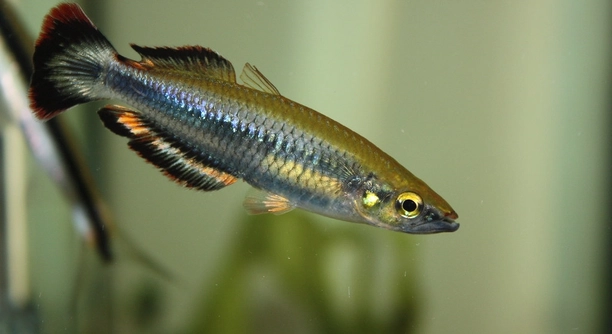
Rainbowfish are small, colorful freshwater fish often admired for their bright hues and graceful movements. They live in communities and rely on keen senses to navigate their environment and interact with other fish. Their behavior is subtle yet fascinating.
Rainbowfish can detect fear and potential threats through visual and chemical cues in their surroundings. They respond to sudden movements, changes in water chemistry, and signals from other fish, which allows them to react defensively and maintain safety in their habitat.
Observing their responses in aquariums and natural habitats reveals behaviors linked to alertness and survival instincts. These insights help understand rainbowfish interactions and their strategies for avoiding danger.
How Rainbowfish Detect Threats
Rainbowfish rely heavily on their senses to detect potential dangers. Their eyesight is particularly sharp, allowing them to notice sudden movements or changes in light within their environment. When a predator approaches, rainbowfish often exhibit quick bursts of swimming, signaling alertness. They also respond to chemical cues in the water, which can indicate stress or fear in other fish. These combined signals help rainbowfish stay aware and avoid dangerous situations. In a community tank, you might notice a ripple effect: when one fish senses a threat, others respond almost instantly. This behavior shows how sensitive they are to both visual and chemical information. By understanding these reactions, it becomes easier to maintain a safe and calm environment for them. Observing these behaviors highlights the complexity of their interactions and how subtle movements or changes can have significant impacts on their behavior and safety.
Their alertness demonstrates how survival instincts are deeply ingrained in their behavior patterns.
Rainbowfish also communicate indirectly through movement patterns. A sudden dart toward the tank’s bottom or rapid fin flicking can warn nearby fish of a potential threat. Even slight color changes may indicate stress, which other fish can detect. These subtle signals allow the group to respond collectively, reducing individual risk and maintaining overall safety. Their social nature enhances this communication, making them highly reactive to environmental changes, including unfamiliar objects, sudden shadows, or new tankmates. Over time, they learn to associate specific triggers with danger, adjusting their behavior to minimize harm. Understanding these patterns is crucial for aquarists seeking to provide a secure environment while observing natural behaviors, making it easier to recognize signs of stress or fear early.
Behavioral Responses to Fear
Fear in rainbowfish often results in immediate evasive actions and changes in swimming patterns.
When rainbowfish perceive danger, their responses are consistent and measurable. They may cluster tightly together, move quickly to a corner, or remain motionless to avoid detection. Such reactions are triggered by visual cues like rapid movements or silhouettes resembling predators. Chemical signals in the water, released by stressed fish, also provoke heightened alertness among the group. Over time, rainbowfish can distinguish between harmless and threatening stimuli, showing learned behavior that improves their chances of survival. In aquariums, recognizing these signs is important, as frequent stress can affect health and coloration. Their ability to detect threats is not limited to obvious predators but includes subtle environmental changes, such as sudden shifts in lighting or temperature.
Observing these responses offers insight into their social dynamics and environmental awareness. Their alertness and rapid adaptation show a sophisticated balance between instinct and learned behavior, making rainbowfish highly responsive to both immediate and potential threats. Group behavior reinforces safety, allowing individuals to react faster than they would alone. Understanding these patterns allows caretakers to maintain a stable, low-stress environment that supports their natural instincts. By providing predictable surroundings, minimal sudden disturbances, and proper tank conditions, rainbowfish can thrive while demonstrating their innate defensive strategies and sensitivity to fear cues.
Environmental Cues and Reactions
Rainbowfish respond quickly to environmental changes, such as sudden shadows, movements, or new objects in the tank. These cues trigger alert behavior, often causing them to dart away or cluster together for safety. Their reactions are immediate and highly sensitive to both visual and chemical stimuli.
Environmental cues affect rainbowfish behavior in predictable ways. Bright light changes, water vibrations, or the appearance of unfamiliar tankmates often provoke rapid swimming or hiding. They rely on subtle signs from the water and other fish to assess safety. Chemical signals released by stressed fish amplify their awareness, leading to coordinated responses among the group. These reactions help them avoid threats and maintain stability within their environment, showing that they are highly attuned to both immediate and indirect signals.
Subtle environmental changes can also influence long-term behavior patterns. Over time, rainbowfish may avoid areas associated with previous stress, adjusting their swimming paths and preferred locations. This learning helps them conserve energy and reduces unnecessary exposure to potential threats. Their sensitivity to the environment demonstrates a balance between instinctive responses and adaptive behavior. By observing their reactions, one can better understand the importance of consistent tank conditions and careful introduction of new elements to minimize stress while supporting their natural alertness and social coordination.
Social Signals and Group Awareness
Rainbowfish rely on group dynamics to detect and respond to danger. One fish’s alertness often triggers immediate reactions in others, enhancing overall safety. Their coordination is subtle yet effective, allowing them to act collectively without obvious communication.
Group awareness significantly impacts rainbowfish responses. When a single fish senses danger, its sudden movements or fin flicks serve as cues for others to follow. Chemical signals from stressed individuals spread through the water, heightening vigilance throughout the group. This social behavior reduces the likelihood of a predator targeting an isolated fish. Within aquariums, group coordination also affects feeding and swimming patterns, demonstrating that social signals are as important as environmental cues. Observing these interactions reveals their capacity for collective decision-making and adaptive behavior in response to threats.
The social structure of rainbowfish strengthens their survival instincts. Fish positioned near the center often feel more secure, while those on the edges stay alert for potential dangers. Their movements are synchronized enough to create ripple effects that communicate alarm efficiently. Over time, they learn to interpret subtle variations in swimming speed, direction, and proximity as indicators of risk. This social vigilance allows them to maintain cohesion and minimize vulnerability. Careful observation shows that their awareness is not just instinctive but also shaped by interactions, emphasizing the importance of keeping rainbowfish in appropriate group sizes to support natural behavioral responses.
Visual and Chemical Signals
Rainbowfish detect threats through both sight and chemical cues in the water. Quick movements, color changes, and stress-related chemicals alert them to danger, allowing immediate defensive actions.
Visual cues like sudden shadows or darting shapes trigger rapid responses. Chemical signals from nearby stressed fish amplify awareness and prompt coordinated movement, keeping the group safe.
Learned Threat Responses
Rainbowfish can learn to associate specific stimuli with danger. Repeated exposure to non-threatening events reduces unnecessary stress, while consistent cues linked to risk strengthen defensive reactions. Over time, they develop predictable patterns of avoidance and alertness, demonstrating both instinct and learned behavior.
Stress Indicators
Changes in color, fin positioning, and swimming speed are common signs of stress in rainbowfish. Recognizing these indicators helps maintain a safe environment and reduces unnecessary fear.
How do rainbowfish show they are scared?
Rainbowfish display fear through changes in movement and appearance. They often dart quickly, hide behind plants, or stay near the tank’s bottom. Their fins may clench closer to their bodies, and some species show subtle color changes. Stress chemicals released in the water also signal fear to other fish, causing a group response. These behaviors are natural survival mechanisms that help them avoid predators and stay safe in their environment. Watching closely, it becomes clear that even minor changes in swimming patterns or body posture indicate that a rainbowfish senses a potential threat nearby.
Can rainbowfish sense other fish’s fear?
Yes, rainbowfish can detect fear in nearby fish. Chemical signals released by stressed individuals disperse through the water, alerting others to possible danger. Visual cues, like rapid movements or sudden hiding, reinforce the warning. This group awareness allows rainbowfish to react quickly, often as a coordinated response, even if the initial stimulus is not immediately visible. It demonstrates that rainbowfish are socially attuned, using both chemical and visual information to maintain safety. In aquariums, this means one stressed fish can trigger a ripple effect, influencing the behavior of the entire group.
What environmental changes make rainbowfish feel threatened?
Sudden light changes, shadows, and unfamiliar objects or tankmates often trigger fear in rainbowfish. Vibrations in the water, loud noises, or abrupt feeding changes can also cause stress. They are highly sensitive to shifts in their environment, responding almost instantly with evasive swimming or hiding. Over time, they learn which stimuli are safe and which are associated with danger. Keeping the tank consistent and predictable helps reduce unnecessary fear, supporting natural behaviors while preventing chronic stress that can affect health and coloration.
Do rainbowfish react differently in groups versus alone?
Rainbowfish are more alert and reactive when in groups. One fish’s movement or stress signal quickly spreads, causing the whole group to respond. Alone, their reactions are less coordinated, and they rely solely on instinctive cues. Group behavior provides safety in numbers, amplifying awareness and reducing individual risk. Social interaction enhances their ability to detect threats, showing that they are not only instinctive but also rely on learned group dynamics. Observing them in a proper group size highlights the importance of social structure for maintaining natural alert behaviors.
How can aquarists reduce fear in rainbowfish?
Maintaining stable water conditions, consistent lighting, and predictable feeding schedules minimizes unnecessary stress. Introducing new fish gradually and avoiding sudden movements around the tank also helps. Providing plants, hiding spots, and sufficient space allows rainbowfish to express natural defensive behaviors without prolonged fear. Observing their reactions regularly ensures early detection of stress and promotes a calm, healthy environment where they can thrive. Proper care strengthens their ability to respond naturally while preventing chronic stress that may affect overall health and social interactions.
Do rainbowfish remember threats?
Rainbowfish have the ability to remember past threats and adjust their behavior accordingly. Repeated exposure to harmful stimuli strengthens avoidance responses, while harmless events lead to reduced stress over time. They learn to associate specific cues, like sudden shadows or chemical changes, with danger. This learned memory improves survival by helping them anticipate risks and react appropriately. In a controlled environment, this capacity allows aquarists to observe predictable patterns, helping maintain safety and calm within the tank. Their responses show a balance between instinctive fear and learned experience.
Can stress affect rainbowfish coloration?
Yes, stress often causes subtle or pronounced color changes. Rainbowfish may appear duller or lose vibrancy when frightened or exposed to continuous stressors. Color change is a visual signal of fear and discomfort, providing cues to other fish and caretakers. Reducing stressors, providing hiding spots, and ensuring a stable environment helps maintain natural coloration and overall health. Monitoring these changes allows insight into their emotional and physiological state, making it easier to address potential threats before they impact well-being.
Are rainbowfish more sensitive than other freshwater fish?
Rainbowfish are highly perceptive compared to many other species due to their acute eyesight and chemical detection. They quickly respond to environmental shifts and social signals, showing heightened awareness of threats. This sensitivity makes them responsive to subtle cues that might go unnoticed in less reactive fish. While it requires careful handling, their attentiveness also makes observing natural behaviors more rewarding. Ensuring proper care and a stable environment helps them use these heightened senses effectively, balancing alertness with comfort.
How do rainbowfish communicate danger without sound?
Rainbowfish rely on visual and chemical communication rather than vocalizations. Rapid swimming, fin movements, color shifts, and water-borne chemical signals alert other fish to potential threats. These non-verbal cues coordinate group reactions, allowing them to act collectively. Understanding these signals helps aquarists recognize stress early and manage the tank environment to reduce unnecessary fear responses, keeping the fish safe and calm while maintaining natural social dynamics.
Can rainbowfish adapt to repeated exposure to mild threats?
Yes, rainbowfish can habituate to non-dangerous stimuli. Repeated exposure to harmless objects or minor disturbances reduces overreaction, allowing them to conserve energy and avoid chronic stress. However, consistent exposure to actual threats strengthens defensive behavior. This adaptability shows a balance between instinctive responses and learned experience, which is important for survival in both natural and aquarium settings. Observing these patterns helps in creating an environment that supports natural alertness without causing unnecessary fear.
Rainbowfish are small yet highly perceptive fish that rely on both instinct and learning to stay safe. Their ability to detect threats comes from a combination of sharp eyesight, sensitivity to chemical signals, and awareness of other fish around them. They react quickly to sudden movements, changes in lighting, or vibrations in the water, using these cues to determine whether they need to hide or flee. In community settings, one fish’s fear can spread quickly to others, demonstrating how social signals play an important role in their survival. This sensitivity is natural and allows rainbowfish to maintain safety even in complex environments. Observing these behaviors closely reveals how finely tuned their senses are and how much they depend on subtle changes in their surroundings.
Stress and fear in rainbowfish are shown in both movement and appearance. They may dart rapidly, hide behind plants, or cluster together to feel safer. Fin positions and slight changes in color can indicate discomfort or heightened alertness, while chemical signals released in the water warn others in the group. Over time, rainbowfish can learn to associate certain cues with danger, improving their responses to real threats. Conversely, repeated exposure to harmless stimuli can reduce unnecessary stress. Understanding these signals is essential for anyone caring for rainbowfish, as it helps maintain a calm environment and supports their natural behaviors. Providing a stable tank with consistent lighting, proper hiding spots, and gradual introductions of new elements can prevent chronic fear and stress, allowing rainbowfish to thrive.
Rainbowfish show a balance between instinctive responses and learned behavior, which is important for their survival and well-being. They rely on group dynamics to detect danger, using subtle movements and chemical cues to communicate threats. Their sensitivity to environmental changes and social signals allows them to respond collectively, reducing individual risk. At the same time, they can adapt to repeated harmless stimuli, showing an ability to distinguish between real threats and minor disturbances. Maintaining a proper environment, monitoring for stress indicators, and supporting natural social behavior are key to ensuring rainbowfish remain healthy and alert. Observing their responses provides insight into how these fish interact, learn, and protect themselves, emphasizing the importance of a calm, stable environment that meets both their physical and social needs. Their behaviors are not just instinctive reactions—they reflect a sophisticated awareness that balances survival, learning, and social coordination.

Hello,
If you enjoy the content that we create, please consider saying a "Thank You!" by leaving a tip.
Every little bit helps us continue crafting quality advice that supports the health, happiness, and well-being of pets around the world, for pets of all shapes, sizes, and species.
We really appreciate the kindness and support that you show us!