
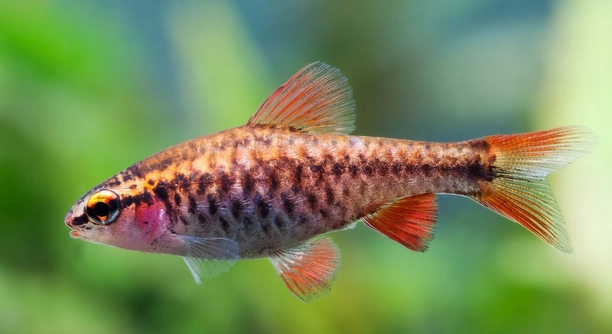
Have you ever watched your Cherry Barbs disappear into the plants and decorations, wondering why they’ve suddenly become so shy or quiet?
Cherry Barbs may hide due to stress, poor water conditions, incompatible tank mates, lack of hiding spots, changes in lighting, breeding behavior, or illness. Each factor can influence their comfort and visibility in the tank.
Knowing what causes your Cherry Barbs to hide can help you create a healthier and more stable environment for them.
Stress From Sudden Changes
Cherry Barbs can easily become stressed if there’s a sudden shift in their environment. This might be due to changes in temperature, water chemistry, or even rearranged decorations. When stressed, they often retreat to secluded corners or hide under plants. Loud noises near the tank or too much movement in the room can also make them uneasy. It’s important to monitor water parameters regularly and maintain a consistent routine. Cherry Barbs feel safer when their surroundings are predictable. Even small fluctuations can have a big impact. Give them time to adjust after any change. Be gentle and slow during maintenance, and avoid making big changes all at once. Adding new fish or changing lighting intensity can also cause them to hide. Try to introduce changes gradually. Their behavior should normalize within a few days if the environment stabilizes. Keeping their space calm and balanced encourages them to swim out more freely.
Give your Cherry Barbs time and a calm setting, and they’ll usually become more comfortable again.
If your Cherry Barbs are hiding right after a water change or after introducing new decor, they may just need time to adjust. Gradual transitions help reduce stress and keep them from retreating all day.
Incompatible Tank Mates
Cherry Barbs are peaceful fish, and placing them with more aggressive species can lead to constant hiding. Fast swimmers or nippy fish may make them feel unsafe, especially if they’re chased or bullied. This behavior forces them to stay in cover for most of the day, even during feeding time. They might not show visible injuries, but you’ll notice a difference in how often they come out. Choosing calm tank mates with similar temperaments is key. Avoid fin-nippers or large, dominant species. Instead, go for peaceful community fish like Corydoras, small Rasboras, or other gentle barbs. Also, make sure the tank has enough space for everyone. Crowding increases tension and leads to more hiding. Observing interactions between species helps you notice any stress early. If one type of fish is constantly hovering over or chasing others, that’s a sign they may not be compatible. Balanced group dynamics lead to a more active and visible tank.
Lack of Hiding Spots
Cherry Barbs may hide more often if there aren’t enough places in the tank for them to feel secure. Without proper cover, they can feel exposed and vulnerable.
Add a mix of plants, rocks, and decorations to create shaded areas and hiding spaces. Live plants like Java fern, Anubias, or floating plants can help break up sightlines and provide comfort. These fish enjoy darting in and out of foliage, and having those hiding options helps them relax. When they feel safe, they’re more likely to swim out in the open. Use soft decorations with no sharp edges to avoid injury. Spread the cover around the tank to prevent one fish or group from dominating a single space. Even in a peaceful tank, they need places to rest undisturbed. A well-decorated setup reduces stress and gives your Cherry Barbs the choice to hide when they need it without vanishing completely.
Cherry Barbs use hiding places not only to escape threats but also to rest. They often retreat to low-light areas or dense plants during quieter times of the day. Creating a tank that mimics their natural habitat helps keep their activity level consistent and their behavior calm and balanced.
Illness or Discomfort
When Cherry Barbs aren’t feeling well, they may become more reclusive and spend most of their time hiding. This behavior is often paired with signs like clamped fins, lack of appetite, or pale coloration.
Look closely for subtle symptoms, such as white spots, swelling, or labored breathing. These can point to conditions like Ich, fin rot, or internal parasites. Regular tank maintenance and water checks are essential for prevention. If you notice one fish behaving differently for more than a day or two, it’s worth isolating it for closer observation or treatment. Use a separate tank to medicate, so the others aren’t exposed unnecessarily. Even a mild imbalance in ammonia, nitrite, or pH levels can weaken their immune system and cause them to retreat. A clean tank and stable conditions can help reduce these risks. Always act early—hiding is often the first sign something isn’t right.
Healthy Cherry Barbs are curious and active. When illness strikes, hiding becomes their defense, giving them a quiet space to recover. They may avoid feeding or social interaction and stick to dark corners of the tank. Watch closely—early detection and gentle care can often reverse the issue before it becomes serious.
Changes in Lighting
Cherry Barbs are sensitive to lighting changes. Sudden bright lights or keeping the tank lights on too long can cause them to hide. Soft, consistent lighting helps them feel more at ease and encourages normal activity.
Try using a dimmer setting or adding floating plants to diffuse the light. This creates a calmer, more natural environment that supports their comfort and reduces stress.
Breeding Behavior
When Cherry Barbs are preparing to breed, they often behave differently. Males may become more territorial, and females might seek out quiet spots to lay eggs. During this time, both may hide more frequently. The behavior is usually temporary and part of their natural breeding pattern. If you notice more hiding along with vibrant colors or chasing, it could be a sign of spawning activity. Provide extra cover like moss or dense plants for egg-laying. After the eggs are laid, the parents often lose interest and return to their normal habits. Removing adults afterward helps protect the eggs and prevent stress for all fish involved.
Aggressive Feeding Times
Cherry Barbs may hide during feeding if other tank mates are aggressive or too quick. This can lead to missed meals and added stress over time. Offering food in multiple spots or using sinking pellets can help them eat without feeling pressured.
FAQ
Why do my Cherry Barbs hide all of a sudden?
Sudden hiding can be triggered by changes in their environment. This includes things like temperature shifts, water chemistry issues, or even loud noises nearby. If they were active before and are now withdrawn, check for any recent changes. Sudden hiding is often their first sign of stress or discomfort.
Is it normal for Cherry Barbs to hide during the day?
Yes, it can be normal depending on the tank setup. If the lighting is too bright or there are not enough hiding spots, Cherry Barbs might choose to stay in darker areas until they feel safe. They are more confident when they have cover and feel protected.
Do Cherry Barbs hide when they are sick?
Yes, illness is a common reason for hiding. If a Cherry Barb is not eating, has clamped fins, or shows color changes along with hiding behavior, it’s likely unwell. Isolate and observe them if possible, and check water parameters to rule out any environmental issues that could be causing the symptoms.
Can tank mates make Cherry Barbs hide more?
Absolutely. Aggressive or fast-moving tank mates can cause stress and force Cherry Barbs into hiding. These peaceful fish do best with other calm, non-aggressive species. If they are being chased or bullied, they’ll spend more time in hiding to avoid conflict.
Should I be worried if they’re hiding after a water change?
Not necessarily. Cherry Barbs often hide for a little while after a water change, especially if it was a large one or done quickly. Try to make water changes gradually and avoid sudden temperature differences. They usually return to normal behavior within a few hours or by the next day.
Do Cherry Barbs need plants in their tank?
Yes, plants—especially live ones—help Cherry Barbs feel secure. They offer hiding spots, reduce light intensity, and make the environment feel more natural. Floating plants can also soften lighting and create shaded areas. A well-planted tank leads to less hiding and more visible, relaxed fish.
Are Cherry Barbs shy by nature?
They can be, especially in new environments or if kept in small groups. Cherry Barbs are schooling fish, and keeping them in groups of six or more helps reduce shyness. The larger the group, the more confident they tend to be, resulting in less hiding.
Can hiding be a sign they’re getting ready to breed?
Yes, especially if you notice increased color in the males and more chasing behavior. During breeding, both males and females may retreat to quiet spots. Females will often look for hidden areas to lay eggs. Afterward, they typically return to their usual activity levels.
How long should I wait before being concerned about constant hiding?
If your Cherry Barbs are hiding for more than two or three days with no change in environment or tank mates, it’s a good idea to investigate further. Check water parameters, look for signs of illness, and review their diet and tank conditions. Prolonged hiding usually means something isn’t right.
Can poor diet cause Cherry Barbs to act withdrawn?
Yes. A lack of proper nutrition can affect their energy levels and immune system, leading to less activity and more hiding. Offer a balanced diet that includes high-quality flakes, live or frozen foods, and vegetable matter. Feeding variety helps them stay healthy and active.
Final Thoughts
Cherry Barbs are peaceful, active fish that bring life and color to a tank when they feel comfortable. Hiding can be normal in short bursts, but if it becomes frequent, it’s usually a sign that something is off. By paying close attention to their behavior and the tank conditions, you can often figure out what’s causing the issue. Most of the time, the reasons are simple—like sudden changes, poor water quality, or too much activity in the tank. Once these things are fixed, your Cherry Barbs usually come back out and behave like their usual selves.
It’s helpful to look at the whole picture when Cherry Barbs start hiding more often. Are they eating normally? Are their fins clamped or colors faded? Is the water clean and stable? These small clues can help point you in the right direction. Even things like tank decorations or lighting can affect how safe they feel. Try not to make too many changes at once, and always give them time to settle after any adjustment. Cherry Barbs are sensitive to their environment, but they are also hardy fish when their needs are met. A stable routine and a calm setting usually make a big difference.
Creating a balanced tank doesn’t mean making everything perfect right away. It just means paying attention and adjusting things over time. A quiet space, safe hiding spots, friendly tank mates, and proper feeding go a long way. If your Cherry Barbs are hiding, it’s not always a reason to worry—but it’s worth looking into. Over time, you’ll learn to read their behavior and spot when something’s wrong. That way, you can act early and help them feel more at home. When they feel secure, they’re more active, more colorful, and more fun to watch. And that’s what makes keeping them so enjoyable.

Hello,
If you enjoy the content that we create, please consider saying a "Thank You!" by leaving a tip.
Every little bit helps us continue crafting quality advice that supports the health, happiness, and well-being of pets around the world, for pets of all shapes, sizes, and species.
We really appreciate the kindness and support that you show us!