
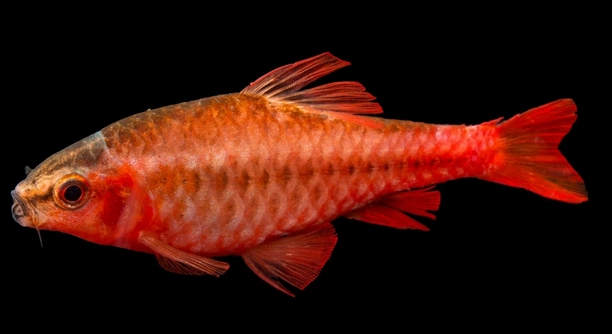
Cherry Barbs are popular aquarium fish known for their vibrant colors and peaceful nature. However, if you’re a fish owner, you may notice that your Cherry Barb exhibits fin clamping. This is a common behavior in fish and can be a sign of distress.
Fin clamping in Cherry Barbs is typically caused by stress, water quality issues, diseases, or physical injury. Poor water conditions, parasites, or improper tank mates can lead to this behavior, signaling the fish is uncomfortable or unwell.
Understanding why your Cherry Barb is clamping its fins will help you address the issue properly. Identifying the root cause is essential for restoring your fish’s health and preventing further complications.
Poor Water Quality
Water quality is a major factor in Cherry Barb health. When the water is too dirty, too warm, or lacks necessary minerals, it can stress your fish and cause fin clamping. Cherry Barbs are sensitive to changes in their environment, and even slight shifts in pH, ammonia levels, or nitrites can make them uneasy. Keeping the water clean is crucial, as dirty conditions can also lead to diseases that affect the fins. If your fish are constantly clamping their fins, it’s worth checking your tank’s water parameters.
Proper filtration is key for maintaining water quality in a tank. Regular water changes and testing for ammonia, nitrate, and pH levels can help prevent stress. A well-maintained environment will help your Cherry Barbs thrive and avoid any discomfort.
To ensure optimal water conditions, it’s important to test the water regularly. If you notice any abnormalities in the water, act quickly to adjust the levels. Your Cherry Barbs will feel more comfortable and relaxed when their environment is stable, reducing their chances of fin clamping. Additionally, using a good-quality filter will help keep the water clean and free from harmful toxins. This way, your fish can enjoy a healthier and happier life.
Incompatible Tank Mates
Another reason for fin clamping could be incompatible tank mates. Cherry Barbs are peaceful fish, and adding aggressive or overly active fish to their tank can cause stress. Tank mates that chase, nip, or bully your Cherry Barb can make them feel unsafe, resulting in fin clamping. It’s important to choose tank mates carefully to maintain harmony.
If you’re introducing new fish to your aquarium, consider the behavior and size of the other species. Avoid keeping aggressive or territorial fish with Cherry Barbs, as they may cause unnecessary stress. Even small fish, if too active, can overwhelm your Cherry Barb.
Fish that are overly dominant or territorial may not only stress your Cherry Barb but can also cause injury. Fin clamping in response to bullying or harassment is common in these cases. If your tank has fish with strong personalities, try to separate them or introduce peaceful companions. Species like neon tetras, otocinclus, and other small, calm fish tend to coexist well with Cherry Barbs. Providing a peaceful environment will reduce stress levels and allow your fish to swim freely, which helps prevent fin clamping and promotes overall well-being.
Illness or Parasites
Illness and parasites can cause your Cherry Barb to clamp its fins. If the fish is feeling unwell, it may try to conserve energy, which results in clamped fins. Common diseases, such as fin rot or internal parasites, can affect their overall health. Parasites can irritate the skin and cause discomfort, leading to behavior like fin clamping.
If you notice clamped fins along with other symptoms like faded colors, loss of appetite, or unusual swimming, your Cherry Barb may be sick. It’s important to quarantine the affected fish to prevent spreading any diseases to other tank mates. Treatments vary depending on the illness, so it’s essential to identify the problem early.
When dealing with illness or parasites, closely monitor your Cherry Barb for any changes in behavior or appearance. Diseases can worsen quickly, so prompt action is crucial. Using medications designed for aquarium use and adjusting water conditions can help in treating the problem. Regularly checking for any external or internal issues can prevent illness from becoming severe and help restore your fish’s health more quickly.
Stress
Stress can also cause fin clamping in Cherry Barbs. They are sensitive to changes in their environment, and things like loud noises, sudden temperature shifts, or frequent changes in their surroundings can make them anxious. Even overcrowding can lead to stress, as they need space to swim freely.
If your tank is too small or has too many fish, it can lead to both physical and mental stress for your Cherry Barb. This will cause them to clamp their fins as a sign of discomfort. Stress weakens their immune system, making them more prone to diseases and infections.
To reduce stress, provide a stable environment. Keep the water temperature consistent and avoid placing the tank in areas with a lot of foot traffic. Additionally, ensure your Cherry Barb has enough space to move around and swim comfortably. A calm, secure environment will help reduce stress and prevent fin clamping.
Physical Injury
Physical injury can be another cause of fin clamping in Cherry Barbs. If your fish has been injured, it may clamp its fins to minimize further movement and protect the damaged area. Injuries can happen from aggressive tank mates or even sharp objects in the aquarium.
Check your fish carefully for signs of injury, such as torn fins or marks on the body. If the injury is minor, the fish may heal on its own with proper care and a peaceful environment. However, severe injuries could require treatment to prevent infection.
Treating physical injuries promptly will help your Cherry Barb recover faster. Ensure that the tank is free from sharp objects that could further harm the fish. If necessary, use aquarium-safe medications to help prevent infection and speed up healing.
Overfeeding
Overfeeding can cause problems in your tank that lead to fin clamping. When you feed your fish too much, excess food can decompose and pollute the water, which stresses your Cherry Barb. The imbalance can cause discomfort and health issues for your fish.
To avoid overfeeding, stick to a feeding schedule and provide only what your Cherry Barb can consume in a few minutes. This helps keep the water clean and prevents unnecessary stress on your fish. Reducing the risk of poor water quality can lead to a happier, healthier tank.
Inadequate Tank Size
An inadequate tank size can be a hidden cause of fin clamping. If your Cherry Barb doesn’t have enough space to swim, it can become stressed, leading to behavioral changes like fin clamping. A cramped environment doesn’t promote a healthy lifestyle for any fish.
Make sure your tank is large enough to accommodate all your fish comfortably. A general rule is to provide at least 20 gallons of water for a small group of Cherry Barbs. Giving your fish room to swim and explore reduces stress and improves their overall well-being.
FAQ
Why are my Cherry Barbs clamping their fins?
Clamped fins are often a sign of stress or discomfort in Cherry Barbs. The most common causes are poor water quality, disease, parasites, physical injury, or incompatible tank mates. Stress, such as overcrowding, frequent changes in their environment, or loud noises, can also lead to fin clamping. To determine the cause, check your tank’s water quality, observe your fish for signs of illness, and ensure their environment is peaceful and stable.
How can I fix clamped fins in my Cherry Barbs?
To fix clamped fins, start by identifying the underlying issue. Test the water quality for ammonia, nitrites, and pH levels, and adjust accordingly. If illness or parasites are suspected, use appropriate treatments. If tank mates are causing stress, consider separating the aggressive fish. Additionally, ensure your tank is not overcrowded, and provide plenty of hiding spots for your Cherry Barbs to feel secure. Regular maintenance and monitoring will help keep your fish healthy.
Can poor water quality cause fin clamping?
Yes, poor water quality is one of the leading causes of fin clamping in Cherry Barbs. Ammonia, nitrites, and fluctuations in pH levels can stress your fish and cause them to clamp their fins. Regular water changes and proper filtration are crucial to maintaining a clean environment. Testing the water regularly helps you stay on top of any changes that could affect your fish’s health.
What diseases cause fin clamping in Cherry Barbs?
Several diseases can lead to fin clamping in Cherry Barbs, including fin rot, internal parasites, and external parasites like ich. Infected fish may display other symptoms such as faded colors, loss of appetite, or abnormal swimming. If your fish is showing signs of illness, consider quarantining the affected fish and using treatments specific to the disease. Early diagnosis and treatment are important for preventing further complications.
Are my Cherry Barbs stressed if they are clamping their fins?
Stress is a common cause of fin clamping. Cherry Barbs are sensitive fish, and changes in their environment, such as sudden temperature shifts, overcrowding, or aggressive tank mates, can make them feel insecure. Stress weakens their immune system, which can also make them more vulnerable to diseases. Reducing stressors in the tank and providing a stable environment can help alleviate fin clamping and improve their overall health.
Do Cherry Barbs need a lot of space to prevent fin clamping?
Yes, Cherry Barbs need adequate space to feel comfortable. Overcrowding is a common cause of stress, which can lead to fin clamping. A tank that is too small can restrict their natural swimming behavior and make them anxious. A 20-gallon tank is recommended for a small group of Cherry Barbs, with additional space for other tank mates. Providing enough room to swim freely will reduce stress and help your fish stay healthy.
Can tank mates cause fin clamping in Cherry Barbs?
Tank mates can certainly cause fin clamping if they are aggressive or overly active. Cherry Barbs are peaceful fish and can become stressed if they are constantly chased or bullied. If you notice clamped fins along with signs of aggression in other fish, it may be time to separate the tank mates. Choosing calm, non-aggressive species to live with Cherry Barbs will create a more peaceful environment and help reduce stress.
Is fin clamping a sign of a serious problem?
Fin clamping is a sign that something is wrong, but it doesn’t always indicate a serious problem. It can be caused by temporary issues like poor water quality or minor stress. However, if the clamping persists, or if other symptoms like loss of appetite or faded colors appear, it could indicate an illness or more severe stress. It’s important to act quickly to identify and address the problem before it escalates.
How often should I change the water to avoid fin clamping?
Water changes should be done regularly to maintain good water quality. For most aquariums, a 25-30% water change every 1-2 weeks is ideal. In tanks with more fish or higher bioloads, more frequent water changes may be necessary. This helps keep ammonia and nitrite levels low and ensures a clean environment for your Cherry Barbs. Regular water changes also help reduce the risk of stress and disease, preventing issues like fin clamping.
What should I do if my Cherry Barb has an injury causing fin clamping?
If your Cherry Barb has been injured, check for signs of damage such as torn fins or marks on the body. Injuries can happen from aggressive tank mates or sharp objects in the tank. Clean water is essential to help prevent infections, so make sure the tank is well-maintained. If the injury is severe, consider using aquarium-safe medications to promote healing. Keeping the injured fish in a quiet, stress-free environment will help speed up recovery.
Can overfeeding cause fin clamping in Cherry Barbs?
Yes, overfeeding can lead to poor water quality, which in turn can cause stress and fin clamping. Leftover food in the tank can decompose, leading to an increase in toxins like ammonia and nitrites. To prevent this, feed your Cherry Barbs small amounts of food that they can consume in a few minutes. Removing any uneaten food after feeding will help maintain good water quality and reduce stress.
Is it normal for Cherry Barbs to clamp their fins occasionally?
Occasional fin clamping is normal, especially if the fish are adjusting to a new environment or experiencing temporary stress. However, if fin clamping becomes a regular occurrence or is accompanied by other symptoms, it may be a sign of a more serious issue. It’s important to monitor your Cherry Barbs and address any changes in their behavior to ensure they remain healthy.
Can tank decorations affect fin clamping in Cherry Barbs?
Tank decorations can influence fin clamping if they create stress for your Cherry Barbs. Decorations that are too large, sharp, or cluttered may restrict swimming space or cause injury. On the other hand, providing hiding spots and plants can help your fish feel secure. Ensure that decorations are fish-safe and don’t overwhelm the tank, allowing your Cherry Barbs to swim freely.
Final Thoughts
Cherry Barbs are generally peaceful and easygoing fish, but like any aquarium pet, they can face health issues, such as fin clamping. Understanding the causes of fin clamping, like poor water quality, stress, and diseases, can help you take the necessary steps to improve their well-being. Regularly testing the water, maintaining a proper tank environment, and providing compatible tank mates are key to keeping your fish healthy. Monitoring their behavior closely will give you clues if something isn’t right, allowing for timely intervention.
While fin clamping can be alarming, it’s usually a sign that something needs attention in their tank. For many fish, including Cherry Barbs, water quality plays a huge role in their overall health. Ensuring that the tank is properly filtered, water changes are done regularly, and harmful chemicals like ammonia are kept in check can help prevent this issue. If your fish is clamping its fins, it’s a good idea to first check the water parameters and make any necessary adjustments. Once water quality is stable, you’ll often see improvements in their behavior.
Along with water quality, stress can be another common factor contributing to fin clamping. Cherry Barbs are sensitive to changes in their environment, so overcrowding, sudden temperature shifts, or incompatible tank mates can cause distress. If your fish is showing signs of stress, it’s important to provide a peaceful environment with plenty of space. By paying attention to their needs and making necessary changes, you can help your Cherry Barbs feel secure and reduce fin clamping. With the right care and attention, your fish can thrive and remain healthy in your aquarium.

Hello,
If you enjoy the content that we create, please consider saying a "Thank You!" by leaving a tip.
Every little bit helps us continue crafting quality advice that supports the health, happiness, and well-being of pets around the world, for pets of all shapes, sizes, and species.
We really appreciate the kindness and support that you show us!