
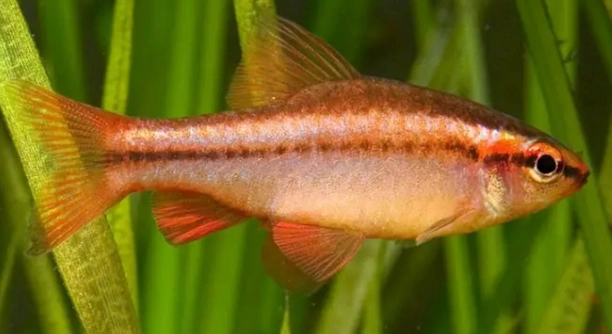
Cherry Barbs are small, peaceful fish often kept in aquariums for their beauty and gentle nature. While they’re known for their social behavior, some wonder if these fish can lose interest in each other over time.
Cherry Barbs, like many species, may experience fluctuations in their social behavior. In some cases, fish can become less active around one another due to stress, overcrowding, or environmental factors, leading to reduced interactions.
Understanding why Cherry Barbs might lose interest can help maintain a harmonious environment in your tank. This article will explore factors influencing their social dynamics and how to ensure their well-being.
What Affects Cherry Barb Behavior?
Cherry Barbs are social creatures, but their behavior can change depending on the environment. If they are in an aquarium with too many fish or poor water quality, their social interactions may decline. These fish prefer calm surroundings, so when there is too much movement or a lack of hiding spots, they might become more reclusive. Stress from aggressive tank mates or overcrowding can also cause them to become less interested in interacting with each other. It’s important to monitor their tank’s conditions, as a happy, healthy environment leads to better social behavior.
Tank size plays a significant role in their well-being. Cherry Barbs need enough space to swim and establish territories, which helps them avoid stress.
If your tank is overcrowded, it might be harder for your Cherry Barbs to feel comfortable. This could lead to them retreating into corners or becoming passive. Make sure your tank isn’t overstocked and has plenty of plants or decorations for hiding places.
The Importance of Proper Tank Conditions
A well-maintained tank encourages Cherry Barbs to remain social. Water temperature, pH levels, and cleanliness can all influence how active and engaged they are. If the water isn’t ideal, they may become stressed and distant from each other. Water changes, proper filtration, and checking the temperature regularly are key to keeping them healthy.
Keeping the water clean and consistent ensures Cherry Barbs have a safe environment. The right conditions can help these fish feel secure enough to swim together and show their social behavior. Healthy water will also support their immune system, which in turn keeps them active and vibrant.
By setting up a tank with proper water parameters and avoiding overcrowding, you help Cherry Barbs stay happy and engaged with their surroundings.
Can Overcrowding Cause a Loss of Interest?
Overcrowding is a common problem in many home aquariums. When there are too many fish in a tank, it can cause stress, leading to behavioral changes in Cherry Barbs. Their interactions may decrease as they struggle to find space and establish their own territories.
Overcrowded tanks create competition for resources like food, space, and oxygen. In such environments, Cherry Barbs may not feel comfortable enough to interact with each other. They may withdraw from social activity, spending more time hiding or staying in the corners. This makes it hard for them to show their usual playful and peaceful nature. To keep them active and engaged, avoid overcrowding and make sure each fish has enough room to move around comfortably.
It’s not just the number of fish that matters, but also the size of the tank. A small tank with too many fish will amplify stress, reducing their interest in each other. If your tank feels crowded, consider moving some fish to another tank to restore harmony.
How Aggressive Tank Mates Affect Behavior
Aggressive fish can be a big problem for Cherry Barbs. When placed with more dominant species, they may become shy and less social. Aggressive tank mates can make Cherry Barbs feel threatened, leading to a decline in their usual interactions.
Fish like cichlids or bettas may harass Cherry Barbs, causing them to hide more and avoid socializing. The stress of being bullied or chased can make Cherry Barbs lose interest in their peers. When Cherry Barbs feel unsafe, their instincts drive them to stay in secluded spots, making them appear less engaged with other fish. This kind of environment can prevent them from showing their natural, peaceful behavior.
To maintain a healthy, happy community, it’s important to pair Cherry Barbs with peaceful, non-aggressive fish. A tank with compatible species will help them feel more comfortable and encourage them to interact more with each other.
The Role of Water Quality in Social Behavior
Poor water quality can lead to Cherry Barbs becoming less social. If the water becomes too polluted, it can stress the fish, making them less active and less likely to interact with each other. Keeping the water clean helps maintain healthy and social behavior.
Cherry Barbs thrive in clean, well-maintained water. Ammonia or nitrite spikes can weaken their immune systems and reduce their interest in socializing. Regular water changes and proper filtration are essential to ensure their environment is safe and conducive to positive interactions.
Temperature and Social Interaction
The temperature of the water plays a crucial role in Cherry Barbs’ social behavior. They are most comfortable in water ranging from 73°F to 81°F. Temperatures outside this range can cause stress and reduce their willingness to engage with one another.
If the water is too warm or too cold, Cherry Barbs may retreat to cooler or warmer areas of the tank, avoiding interaction. Keeping the temperature stable and within the ideal range encourages active behavior and better socialization among them.
Lighting and Its Impact on Social Behavior
Lighting can affect Cherry Barbs’ behavior. Inadequate lighting may make them feel insecure, while too much light can stress them out. Proper lighting helps them feel comfortable enough to swim freely and engage with each other.
FAQ
Can Cherry Barbs live alone?
Cherry Barbs are social fish and prefer to live in groups. Keeping them alone can lead to stress and less social behavior. While they can survive in solitude, their true behavior comes out when they are part of a small group. A school of at least five Cherry Barbs allows them to feel secure and interact with each other. Without company, they might not display their usual active and playful behavior.
How can I tell if my Cherry Barbs are stressed?
Stressed Cherry Barbs will show certain signs, such as hiding more than usual, reduced activity, and less interaction with other fish. They may swim erratically or stay in corners of the tank. Stress can also cause them to lose their vibrant colors or appear more lethargic. If you notice these signs, it’s important to check water quality, tank conditions, and ensure the fish are not overcrowded or surrounded by aggressive tank mates.
What should I feed Cherry Barbs to keep them healthy?
A balanced diet is key to keeping your Cherry Barbs healthy and active. They will eat a variety of foods, including high-quality flake food, pellets, and frozen or live foods like brine shrimp and daphnia. Providing a mix of protein and plant-based foods ensures they get all the nutrients needed to thrive. Overfeeding can lead to poor water quality, which in turn could cause stress, so feed them small amounts once or twice a day.
Can Cherry Barbs breed in captivity?
Yes, Cherry Barbs can breed in captivity, but it requires the right conditions. A separate breeding tank with clean water, proper temperature (around 78°F), and low light helps stimulate breeding behavior. When they spawn, the female will scatter eggs, which should be removed to avoid being eaten by the parents. Once the eggs hatch, you can feed the fry small foods like infusoria or baby brine shrimp. It’s important to have a separate tank for breeding to prevent the fry from being eaten.
How often should I clean my Cherry Barb tank?
Cleaning your tank regularly is important to maintain a healthy environment. Aim to do a partial water change of 20-30% every week. This helps keep the water quality high and reduces the buildup of waste. You should also clean the filter and check for any debris that might affect the water. However, avoid overcleaning, as beneficial bacteria can be disturbed. Only clean the tank’s substrate when necessary, and use a soft sponge for the glass to prevent damaging the surfaces.
Can Cherry Barbs live with other fish?
Cherry Barbs are peaceful fish and can live with a variety of other species as long as they are not aggressive. They do well with other small, peaceful fish like tetras, rasboras, and guppies. Avoid keeping them with larger, more aggressive fish that might stress them out. When selecting tank mates, consider both the temperament and size of the other fish to ensure everyone in the tank gets along. A peaceful community tank will allow your Cherry Barbs to thrive and engage in more social behavior.
What water temperature do Cherry Barbs prefer?
Cherry Barbs thrive in water temperatures ranging from 73°F to 81°F (23°C to 27°C). Temperatures outside this range can cause stress, leading to a decline in their health and social behavior. Consistently maintaining the right temperature will help them feel more comfortable and active. You can use a reliable aquarium heater to ensure the temperature remains stable, especially in cooler or fluctuating environments.
Are Cherry Barbs easy to care for?
Cherry Barbs are relatively easy to care for, making them a good choice for beginners. They don’t require special care but do need a well-maintained tank with stable water conditions. Regular water changes, appropriate feeding, and monitoring for signs of stress are the main tasks to keep them healthy. As long as their basic needs are met, Cherry Barbs will thrive and remain active in your aquarium.
Why are my Cherry Barbs not swimming together?
Cherry Barbs are social fish, but they may not always swim together. If they are stressed, overcrowded, or there are aggressive tank mates, they may not show the usual schooling behavior. You can encourage them to swim together by ensuring a stress-free environment, providing enough space, and keeping water quality high. Also, consider the number of Cherry Barbs in your tank – a small group will interact more than a solitary or poorly matched group.
How long do Cherry Barbs live?
Cherry Barbs typically live for 3 to 5 years in captivity if kept in proper conditions. Their lifespan can be affected by factors such as water quality, diet, and overall tank care. Keeping them in a stable environment with minimal stress and regular maintenance will help them reach their full lifespan. They can live longer with proper attention to their needs and by avoiding common mistakes like overcrowding or poor water conditions.
Final Thoughts
Cherry Barbs are peaceful and social fish that thrive in groups. They are known for their calm nature and can live harmoniously with other non-aggressive species. However, like all fish, they need specific conditions to remain healthy and active. If they are kept in the right environment, Cherry Barbs can show their best social behaviors, interacting with each other and their tank mates. Without proper care, factors like overcrowding, poor water quality, and aggressive tank mates can lead to stress, causing them to withdraw and lose interest in socializing.
A key factor in keeping Cherry Barbs engaged with each other is maintaining a well-balanced aquarium. Providing a suitable tank size, clean water, and the right temperature is essential. Water changes should be regular, and filtration should be efficient to maintain good water quality. Temperature fluctuations or extremes can also affect their behavior, making them less active or even causing health problems. It’s important to keep the water within their preferred range, which is between 73°F and 81°F. Additionally, having enough space for the fish to swim and establish territories will help reduce stress and promote social interaction.
If you notice your Cherry Barbs becoming distant or inactive, it may be a sign that something is wrong with their environment. Stress from overcrowding, poor tank conditions, or aggressive companions can lead to behavioral changes. By adjusting the tank setup, ensuring a peaceful community, and taking care of their water quality, you can encourage your Cherry Barbs to stay active and social. These small changes can make a big difference in their overall well-being, allowing them to live out their natural behaviors in your aquarium.

Hello,
If you enjoy the content that we create, please consider saying a "Thank You!" by leaving a tip.
Every little bit helps us continue crafting quality advice that supports the health, happiness, and well-being of pets around the world, for pets of all shapes, sizes, and species.
We really appreciate the kindness and support that you show us!