
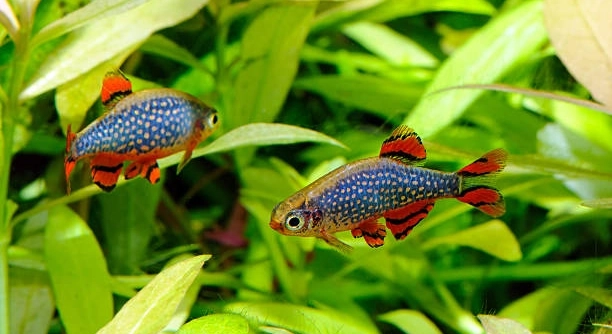
Danios are lively, social fish that often thrive in groups. However, without careful attention, their interactions can lead to stress and aggression, making it difficult for aquarists to maintain a peaceful tank environment.
Effective management of danio groups relies on proper tank size, consistent feeding routines, structured territories, and attentive observation. Providing adequate space, compatible companions, and environmental enrichment minimizes stress, aggression, and competition, promoting a stable and healthy aquatic community for all individuals.
Following these strategies will help maintain harmony in your aquarium, ensuring your danios can flourish while reducing potential conflicts and stress.
Choosing the Right Tank Size
A proper tank size is essential for danios to live comfortably and reduce aggression. Small tanks often create overcrowding, which leads to competition for space and resources. For a group of 5–10 danios, a minimum of 20 gallons is recommended, but larger tanks are always better. Extra space allows each fish to swim freely, establish territories, and avoid constant stress. Overcrowding can also negatively affect water quality, as higher fish density increases waste buildup and requires more frequent maintenance. Plants, rocks, and other decorations provide hiding spots and break lines of sight, which reduces conflict. Open swimming areas combined with shaded retreats create a balanced environment that encourages natural behavior. Monitoring your tank regularly ensures that any tension or bullying is addressed early, preventing long-term stress. Consistency in tank size and environment is crucial for maintaining harmony and the overall health of your danio group. A stable environment fosters stronger immunity and better growth for all fish.
Proper tank size gives danios room to interact naturally and reduces stress, supporting a healthier and calmer group dynamic.
Maintaining an adequately sized tank requires attention to both horizontal and vertical space. Danios are active swimmers, so open areas for movement are just as important as hiding spots. Decorations should be placed strategically, allowing for escape routes and preventing dominant fish from monopolizing certain areas. A larger tank reduces competition for food, lowers aggression, and encourages a more social, balanced group. Additionally, larger tanks are easier to maintain in terms of water stability, reducing sudden changes in temperature or chemical levels that can trigger conflict. Careful planning and observation of the tank’s layout help create an environment where each fish can thrive, swim freely, and display natural behaviors without fear of harassment.
Monitoring Social Behavior
Keeping a close eye on interactions helps prevent minor disputes from escalating. Early detection of bullying or stress signs is crucial.
Observing danios daily allows you to notice changes in swimming patterns, fin damage, or unusual hiding behavior. Reacting early by separating aggressive individuals or adjusting the environment minimizes harm.
Social monitoring involves more than spotting aggression. Watch how fish interact around feeding times and in shared spaces. Subtle signs such as chasing, nipping, or cornering indicate tension that may not be immediately obvious. Providing visual barriers or rearranging decorations can diffuse conflict and create multiple territories. Keeping records of behavior changes helps track which fish are dominant or stressed, informing future tank adjustments. By maintaining vigilance and making small environmental changes, you ensure that each danio has a chance to thrive without fear. A proactive approach allows you to create a balanced, harmonious tank where natural social structures develop safely, encouraging healthy growth, stress reduction, and long-term stability for the entire group.
Maintaining a Balanced Diet
A balanced diet keeps danios healthy and reduces aggression caused by competition over food. Feeding small portions multiple times a day ensures all fish get enough nutrients and limits dominance by stronger individuals. Variety in food types is important.
Providing a mix of high-quality flakes, pellets, and occasional live or frozen foods ensures danios receive necessary proteins, vitamins, and minerals. Rotating food types prevents selective feeding, where some fish eat more while others are left hungry. Balanced nutrition strengthens their immune systems, improves coloration, and encourages natural behaviors. Overfeeding must be avoided, as it can lead to water quality issues, which increase stress and trigger conflicts among the group. Measuring portions and observing how the fish eat allows adjustments for both quantity and frequency. Consistent feeding routines create predictability, reducing anxiety and tension during mealtime, ensuring a calmer tank atmosphere for all members.
Monitoring feeding behavior helps detect weaker or stressed fish early. Adjusting portion sizes and feeding locations ensures every danio gets adequate nutrition.
Providing Hiding Spots
Hiding spots give danios a sense of security and reduce stress during conflicts. Plants, caves, and decorations break line of sight, allowing fish to retreat when needed.
Well-placed hiding spots prevent dominant fish from controlling the entire tank. By offering multiple retreats, each fish can establish its own safe area without constant interference. Live plants serve a dual purpose, providing cover while improving water quality through natural filtration. Rocks and small ornaments create visual barriers that reduce chasing and allow more timid individuals to rest. The strategic arrangement of hiding spots can influence social hierarchy, helping fish interact without constant confrontation. Changing the layout periodically keeps the environment stimulating, encourages exploration, and minimizes boredom-related aggression. Providing adequate cover is essential for a harmonious tank.
Keeping Compatible Groups
Choosing danios with similar temperaments reduces conflict. Mixing overly aggressive or very timid fish can lead to constant chasing and stress.
Grouping fish of similar size and energy levels helps maintain balance. Compatibility promotes natural schooling behavior and prevents bullying, creating a calmer tank environment.
Regular Water Maintenance
Clean water is critical for danio health and stress reduction. Regular water changes and monitoring of ammonia, nitrite, and nitrate levels keep the environment stable. Stable water chemistry prevents aggression that often arises from poor conditions.
Limiting Overcrowding
Too many fish in one tank increases stress and conflict. Maintaining appropriate stocking levels ensures everyone has space to swim, feed, and rest comfortably.
How many danios should I keep in a group?
A minimum of five danios is recommended to promote natural schooling behavior and reduce stress. Smaller groups can result in aggressive interactions or bullying as fish compete for dominance. Larger groups, around 8–12, are ideal for social interaction and dispersing energy evenly. Tank size should always be adjusted according to the number of fish. Overcrowding leads to stress, poor water quality, and higher risk of disease. Observing the group will help identify if the number of fish is appropriate or if some may need to be relocated to maintain harmony.
Can danios live with other fish species?
Yes, danios can coexist with many peaceful species. Ideal tank mates include tetras, guppies, and small rasboras. Aggressive or slow-moving species should be avoided as they may cause stress or become targets for nipping. Compatibility depends on temperament, size, and swimming patterns. Introducing new fish gradually allows everyone to adjust. Monitoring interactions for the first few weeks is critical. If conflicts arise, separating incompatible species may be necessary. Proper hiding spots and open swimming areas reduce tension between different species. Maintaining consistent feeding schedules and observing behavior ensures all fish coexist safely.
What types of food are best for danios?
High-quality flakes or micro pellets should form the base of their diet. Supplementing with frozen or live foods such as brine shrimp, daphnia, or bloodworms ensures a balanced intake of protein and nutrients. Variety prevents selective feeding and encourages natural hunting behaviors. Feeding small portions multiple times daily helps prevent aggression during mealtime and avoids water quality problems caused by leftover food. Fresh vegetables, like blanched spinach or zucchini, can also be offered occasionally to provide fiber and minerals. Monitoring how fish consume food allows adjustments to ensure all individuals are fed adequately.
How often should I clean the tank?
Partial water changes of 20–30% weekly are recommended to maintain stable water conditions. Cleaning the substrate and removing uneaten food prevents buildup of harmful chemicals. Filters should be checked regularly and rinsed in tank water to avoid killing beneficial bacteria. Regular maintenance reduces stress and aggression, as fish are more comfortable in clean, stable environments. Observing water clarity and testing parameters like ammonia, nitrite, and nitrate levels ensures the habitat remains safe. A consistent cleaning schedule helps prevent outbreaks of disease, keeps fish active, and supports long-term health and harmony within the group.
Why do danios sometimes nip each other?
Nipping is often a sign of establishing hierarchy or boredom. Inadequate space, lack of hiding spots, or uneven feeding can increase this behavior. Providing multiple retreats, open swimming areas, and consistent feeding routines reduces tension. Observing which individuals are targeted helps identify if certain fish are stressed or bullied. Adjusting group composition or rearranging the tank layout can alleviate persistent nipping. Minor nips are normal, but constant aggression indicates an issue that must be addressed to prevent injuries and stress-related illness. Balanced groups with proper care minimize this behavior naturally.
How can I tell if a danio is stressed?
Signs of stress include hiding excessively, frayed fins, loss of color, or erratic swimming. Reduced appetite or constant chasing by tank mates can also indicate tension. Stress increases susceptibility to disease and can disrupt group dynamics. Addressing the cause, whether it’s water quality, aggression, or lack of space, is critical. Providing hiding spots, ensuring proper tank size, and monitoring water parameters often resolves stress-related behaviors. Keeping a log of fish activity and behavior helps detect changes early and maintain a healthy, calm environment.
Is temperature important for danio health?
Yes, danios thrive in water between 64–75°F (18–24°C). Sudden fluctuations can trigger stress and aggression. Maintaining a stable, consistent temperature ensures metabolism, feeding, and social behavior remain normal. Using a reliable heater or thermometer allows for accurate monitoring. Gradual adjustments are necessary if changes are needed. Proper temperature also supports immune function, reducing susceptibility to disease. Stable water conditions combined with appropriate lighting and filtration contribute to a peaceful, well-balanced tank for all danios.
Do danios need plants in their tank?
Yes, plants provide cover, break lines of sight, and create territories, reducing stress and aggression. Live plants also improve water quality by absorbing nitrates and offering natural filtration. Artificial plants can provide similar hiding spaces but lack water purification benefits. Placing plants strategically creates multiple retreats for timid fish and allows dominant individuals to patrol without overwhelming the group. A mix of tall and low plants encourages exploration and natural behaviors. Rotating or rearranging plants occasionally keeps the environment stimulating and prevents territorial disputes. Plants are a simple yet effective way to maintain harmony.
Can aggressive behavior be corrected?
Yes, aggression can often be managed through environmental adjustments. Increasing tank size, adding hiding spots, and maintaining a balanced diet reduces stress. Separating persistently aggressive individuals may be necessary. Grouping fish of similar size and temperament encourages natural schooling and disperses dominance. Regular monitoring helps catch conflicts early. Consistent routines for feeding and maintenance promote calm behavior. Changes should be implemented gradually to allow fish to adjust. With careful observation and intervention, aggression can be minimized, resulting in a healthier, more peaceful group where all danios can thrive.
How do I introduce new danios to an established group?
Introduce new fish gradually by using a quarantine or divider for 1–2 weeks. This allows residents to observe newcomers without direct contact, reducing initial stress. Slowly acclimate new danios to the tank’s water conditions. Rearranging decorations before introduction helps prevent territorial disputes. Monitor interactions closely once barriers are removed. Providing extra hiding spots and spreading feeding areas helps reduce competition. Introducing multiple new fish at once can balance social dynamics better than adding one fish at a time. Patience and observation are key to integrating newcomers safely.
How often should I observe my danios?
Daily observation allows early detection of stress, illness, or conflict. Noting behavior changes, appetite, or fin damage helps address problems before they escalate. Monitoring is essential after feeding, water changes, or introducing new fish. Keeping consistent notes over time provides a clear picture of group dynamics. Observing for even a few minutes each day helps maintain a healthy, harmonious tank environment and ensures prompt intervention when issues arise.
Managing a group of danios successfully requires attention to several key factors, including tank size, group composition, diet, and environmental enrichment. Danios are active, social fish, and they thrive when they have enough space to swim freely and interact naturally. Overcrowding can quickly lead to stress, aggression, and poor water quality, which can affect the health of the entire group. Providing a tank that is appropriately sized for the number of fish is a fundamental step. Open swimming areas should be complemented with hiding spots, such as plants, rocks, or decorations, to allow timid individuals a place to retreat when needed. Careful observation of fish behavior helps identify early signs of stress or bullying, allowing adjustments before problems escalate.
Maintaining consistent feeding routines and offering a balanced diet also plays a major role in keeping danios peaceful. Overfeeding or irregular feeding can cause competition and tension among the fish, while a well-planned feeding schedule with varied food types ensures each individual gets enough nutrients. Small portions fed multiple times a day reduce aggressive behavior around food and contribute to better overall health. Monitoring how fish consume their meals can also indicate potential health issues or social stress, as weaker or more timid individuals may struggle to eat in a group setting. Adjusting feeding strategies and providing multiple feeding spots can minimize competition and help maintain calm interactions among all tank residents.
Finally, regular water maintenance and careful management of the tank environment support long-term health and harmony in danio groups. Partial water changes, monitoring ammonia, nitrite, and nitrate levels, and ensuring stable temperature and filtration create a comfortable living space that reduces stress. Introducing new fish gradually, keeping compatible groups, and observing daily behavior are also critical for maintaining balance. Even minor changes in layout, lighting, or group size can affect social dynamics, so attention to detail is essential. By combining these practices—adequate space, hiding spots, balanced diet, stable water conditions, and careful monitoring—you can create a peaceful environment where danios can display natural behaviors, thrive in their community, and remain healthy over time.

Hello,
If you enjoy the content that we create, please consider saying a "Thank You!" by leaving a tip.
Every little bit helps us continue crafting quality advice that supports the health, happiness, and well-being of pets around the world, for pets of all shapes, sizes, and species.
We really appreciate the kindness and support that you show us!