
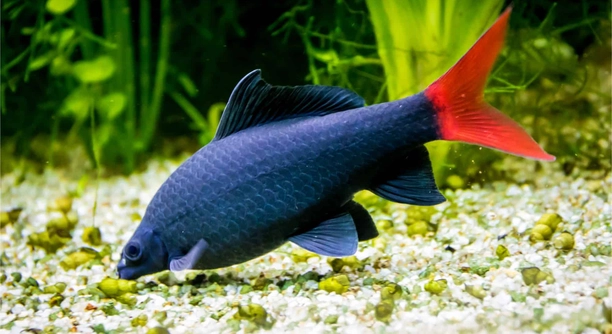
Rainbow sharks are popular freshwater fish known for their striking colors and active nature. Many aquarium owners enjoy watching their behaviors and interactions. However, these fish can sometimes be shy or aggressive, making social behavior a concern.
Improving a rainbow shark’s social behavior involves creating a proper environment, maintaining water quality, providing enough space, offering a balanced diet, and carefully selecting tank mates. These factors help reduce stress and encourage natural, peaceful interactions among fish.
Learning effective ways to enhance your rainbow shark’s social life can lead to a healthier and more enjoyable aquarium experience.
Creating a Comfortable Environment
A rainbow shark feels more secure when its tank mimics its natural habitat. Providing plenty of hiding spots like caves, plants, and driftwood helps reduce stress and encourages natural behavior. These fish enjoy swimming in open areas but need places to retreat when they feel threatened. The tank should have smooth substrate to prevent injury since rainbow sharks often rest on the bottom. Lighting should be moderate, not too bright, to keep them calm. Proper filtration is also important to maintain clean water, which directly affects the fish’s mood and health. Regular maintenance, including water changes and checking water parameters, supports a stable environment. When the habitat is comfortable, rainbow sharks are more likely to show social and active behaviors rather than hiding or acting aggressively. The right environment forms the foundation for any behavioral improvements in these fish.
Maintaining a natural and peaceful habitat benefits your rainbow shark’s behavior greatly.
Understanding and replicating their environment is key to fostering a calm and sociable rainbow shark.
Choosing Compatible Tank Mates
Rainbow sharks can become territorial, so tank mates must be selected carefully. Avoid fish that are too small or slow, as they might be bullied or stressed. Fast, mid-level swimmers that occupy different parts of the tank usually coexist better. Avoid other bottom dwellers that compete for the same space, which can cause fights. Keeping the number of rainbow sharks low also reduces territorial disputes. Observe the behavior of new fish before permanent introduction to prevent stress. Sometimes adding more hiding places can help reduce conflicts among tank mates. With proper planning, a community tank with a rainbow shark can be peaceful and balanced.
Selecting appropriate companions helps reduce stress and encourages peaceful social interactions.
Tank mates that swim at different levels and have similar temperaments prevent conflicts.
Providing enough space and hiding spots lowers territorial aggression.
By choosing compatible species, your rainbow shark can coexist well without unnecessary stress or fighting. Always monitor interactions closely, especially during the first few weeks. If aggression occurs, consider rearranging decorations or separating fish temporarily. A well-balanced community tank promotes healthier behavior and enjoyment for both the fish and the owner.
Feeding for Better Behavior
A balanced diet helps keep your rainbow shark active and less aggressive. Feed high-quality pellets designed for bottom feeders, supplemented with occasional live or frozen foods like bloodworms or brine shrimp.
Proper nutrition supports the immune system and reduces stress. Overfeeding can cause water quality issues and make fish lethargic, so feed small amounts once or twice daily. Variety in diet prevents boredom and encourages natural foraging behaviors, which promotes mental stimulation. Ensuring your rainbow shark gets the right nutrients will help it interact better with tank mates and display healthier social behaviors.
Keep an eye on feeding habits to avoid overfeeding and maintain water cleanliness.
Maintaining Water Quality
Stable water conditions are essential for your rainbow shark’s wellbeing. Regular testing and water changes prevent harmful buildup of ammonia, nitrites, and nitrates, which can stress fish and increase aggression.
Water temperature should be kept between 74°F and 80°F (23°C to 27°C), with a pH around 6.5 to 7.5. Sudden changes in water parameters can cause behavioral issues, so gradual adjustments are best. Using a reliable filtration system helps maintain clarity and oxygen levels, supporting healthy fish activity. Clean water reduces disease risk and encourages peaceful interactions among tank inhabitants.
Consistent maintenance ensures your fish remain calm and comfortable.
Healthy water conditions promote natural behaviors and reduce signs of stress or aggression in rainbow sharks. Taking the time to monitor and adjust water quality keeps the tank environment stable, which is key to improving social behavior over time. This effort helps your rainbow shark thrive alongside its tank mates.
Providing Enough Space
Rainbow sharks need enough room to swim freely and establish territories without constant conflict. A tank size of at least 30 gallons is recommended for one fish to reduce stress and aggression.
Overcrowding leads to competition and territorial fights. Giving each fish adequate space encourages peaceful social behavior and reduces hiding.
Regular Monitoring of Behavior
Observing your rainbow shark regularly helps catch early signs of stress or aggression. Noticing changes allows you to adjust the environment or tank mates before problems worsen.
Keeping a close eye ensures your fish stay healthy and behave naturally, improving overall tank harmony.
Enrichment Through Tank Setup
Adding plants, rocks, and caves creates a stimulating environment. These features offer hiding places and reduce boredom, encouraging natural behaviors and reducing aggression.
Enrichment helps your rainbow shark feel secure and engaged within its space.
Avoiding Sudden Changes
Sudden changes in tank conditions or layout can stress rainbow sharks, causing erratic or aggressive behavior. Introduce changes slowly to help them adjust comfortably.
Consistency helps maintain calm and balanced social interactions among fish.
How can I tell if my rainbow shark is stressed?
Stress in rainbow sharks often shows through hiding more than usual, loss of appetite, or sudden aggression. You might notice them swimming erratically or rubbing against tank decorations. Color fading is also a common sign. Monitoring these behaviors closely can help identify stress early before it leads to health problems.
What are the best tank mates for rainbow sharks?
Good tank mates are peaceful, fast swimmers that occupy different areas of the tank. Examples include danios, barbs, and larger tetras. Avoid small, slow fish or other bottom dwellers that may trigger competition or aggression. Proper selection of companions helps maintain a peaceful environment.
How often should I feed my rainbow shark?
Feed your rainbow shark once or twice a day in small amounts it can finish within a few minutes. Overfeeding causes water quality issues and lethargy. Providing variety through pellets, frozen, or live foods keeps them healthy and mentally stimulated.
Can rainbow sharks live with other rainbow sharks?
Keeping multiple rainbow sharks together is risky because they are territorial, especially in smaller tanks. If you have a large tank with plenty of hiding spaces, it might work, but watch carefully for aggressive behavior. Often, one shark per tank is safest.
What water conditions are ideal for rainbow sharks?
Maintain water temperature between 74°F and 80°F (23°C to 27°C), pH around 6.5 to 7.5, and low ammonia and nitrite levels. Stable water conditions reduce stress and promote better social behavior. Regular testing and water changes help keep these parameters in check.
Why does my rainbow shark act aggressively sometimes?
Aggression usually comes from territorial instincts, overcrowding, or poor water quality. Stress from sudden changes or incompatible tank mates can also cause it. Providing enough space, hiding spots, and a calm environment helps reduce aggressive episodes.
How important is tank size for rainbow shark behavior?
Tank size is very important. A minimum of 30 gallons is needed for one rainbow shark to reduce stress and territorial fights. Smaller tanks force fish into close quarters, increasing competition and aggressive behavior. Bigger tanks allow better space sharing.
What should I do if my rainbow shark is bullying other fish?
First, check tank size and environment. Add more hiding spots and rearrange decorations to break territories. Consider removing overly aggressive individuals or changing tank mates. Maintaining excellent water quality also helps reduce stress-induced aggression.
Can diet affect my rainbow shark’s behavior?
Yes, poor diet can lead to stress and aggression. Feeding a balanced diet with proper nutrients supports health and calm behavior. Variety encourages natural foraging and prevents boredom, which otherwise might cause irritability.
How often should I change the water in my rainbow shark’s tank?
Perform partial water changes of 20-25% weekly to keep water clean and safe. Frequent changes prevent toxin buildup and reduce stress. Clean water supports healthy social interactions and overall fish wellbeing.
Taking good care of your rainbow shark’s social behavior involves several important steps. Creating a comfortable and natural environment is the foundation. Providing hiding spots, smooth substrate, and moderate lighting helps your fish feel safe. Maintaining clean and stable water conditions reduces stress and prevents health issues that might cause aggression. A balanced diet that includes quality pellets and occasional live or frozen foods supports your fish’s health and encourages natural behavior. Choosing the right tank mates and giving enough space also play key roles in preventing fights and promoting peaceful coexistence. Regular observation of your fish’s behavior helps you notice any changes early and take action before problems grow.
Improving your rainbow shark’s social behavior takes patience and attention. Changes should be made carefully and gradually to avoid causing more stress. Adding enrichment like plants, rocks, and caves keeps the fish engaged and less likely to act aggressively out of boredom or frustration. Avoid sudden changes in tank setup or water conditions, as these can cause erratic behavior. It is important to keep tank size adequate and not overcrowd the fish. If aggression or stress continues despite your efforts, adjusting tank mates or separating fish temporarily may be necessary. Every rainbow shark is unique, and what works best can vary from one tank to another.
By following these steps, you create a more peaceful and healthy environment for your rainbow shark. This not only improves their social behavior but also makes your aquarium more enjoyable to watch. Taking time to learn about their needs and habits helps you provide better care and build a stronger connection with your fish. With steady care and attention, your rainbow shark can thrive and show more natural, calm, and social behaviors. This will lead to a happier fish and a more balanced tank overall.

Hello,
If you enjoy the content that we create, please consider saying a "Thank You!" by leaving a tip.
Every little bit helps us continue crafting quality advice that supports the health, happiness, and well-being of pets around the world, for pets of all shapes, sizes, and species.
We really appreciate the kindness and support that you show us!