
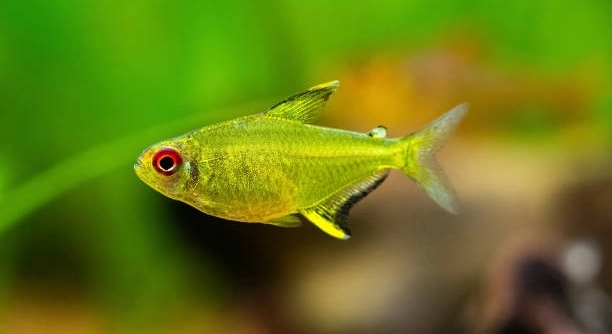
Do you ever find yourself trying to choose the right aquarium shape for your lemon tetra and wondering how the tank layout might influence their comfort, movement, and overall well being in your home setup.
Lemon tetra thrive best in wide tanks because horizontal space supports their active schooling behavior. A broader layout allows steady swimming patterns, reduces stress, and encourages natural social interactions that mirror their habitat, promoting healthy movement and improved stability overall.
This simple difference in tank shape can change how your lemon tetra behave, creating an environment that supports their traits.
Understanding Tank Shape Effects
Choosing the right tank shape for lemon tetra becomes easier when you understand how these small fish respond to space and movement. Wide tanks offer more stable swimming opportunities, reducing stress by giving them room to school without constant interruption. I have always noticed that lemon tetra look calmer when their environment allows them to glide in smooth patterns, and this simple detail makes a noticeable difference in their behavior. Tall tanks tend to limit their natural rhythm, which can lead to restlessness or uneven group movement. Focusing on horizontal space helps you support their active nature while still keeping your aquarium easy to maintain. Observing their reactions to different layouts can guide your decisions and prevent unnecessary adjustments later. With the right setup, your lemon tetra will display brighter colors, steadier activity, and a more balanced temperament overall. This thoughtful approach creates a calmer space that supports their daily activity.
A wide tank supports steady schooling, keeps movement natural, and helps lemon tetra stay relaxed throughout the day. This simple choice reduces tension and encourages healthier interactions. By offering more horizontal room, you create a stable environment that strengthens their behavior and makes care easier overall in your home setup.
Understanding how tank shape influences lemon tetra behavior helps you plan an environment that feels natural and balanced. Wide tanks give them the room they need to swim in coordinated groups, which keeps them comfortable and active. Tall tanks can restrict their movement, creating patterns that feel less stable for such social fish. When you focus on width, you support their natural rhythm and reduce stress. This simple decision improves their overall behavior and keeps your aquarium running smoothly. Paying attention to how they move will help you maintain a setup that encourages healthy habits and steady activity every day.
Benefits of Wide Tanks
Wide tanks offer lemon tetra the space needed for calm schooling and steady movement. This layout supports their natural behavior and keeps their activity consistent. By reducing restrictions, you create a stable environment that aligns with their needs and promotes smoother group interactions overall within your well planned setup today.
Setting up a wide tank for lemon tetra allows them to behave in a way that reflects their natural schooling instincts, creating a calm and balanced environment. The extra horizontal room helps them move smoothly without abrupt turns or crowding, which supports steady group coordination. When their space feels open and predictable, their colors appear brighter and their activity becomes more even. Tall tanks often create narrow swimming lanes that interrupt their rhythm, making it harder for them to settle into a comfortable pattern. A wide layout also simplifies maintenance, since their movement distributes waste more evenly and reduces stagnant areas. Watching how they respond to different layouts can help you fine tune your decisions and avoid unnecessary changes later. With the right width, your lemon tetra gain a sense of stability that encourages healthier interactions and clearer behavior. This thoughtful setup supports their natural traits, keeps daily care manageable, and helps your aquarium remain a calm and enjoyable part of your space.
Choosing the Right Setup
Wide tanks help lemon tetra maintain smooth schooling patterns by giving them enough space to move side by side without sudden stops. This extra room supports calmer behavior and keeps their activity steady, which makes the aquarium feel more balanced and easier to manage overall.
A wider layout lets lemon tetra settle into natural routines that support their comfort and stability. Their movement becomes smoother when they are not forced into tight vertical spaces that interrupt group flow. This setup also reduces tension within the school, since they can adjust their spacing without feeling crowded. I have seen how consistent horizontal room helps them maintain clearer coordination and brighter coloration. When the swimming space makes sense for their habits, their behavior becomes more predictable, which helps you understand their needs better and adjust your care with confidence over time.
Wide tanks also help improve water distribution, making your maintenance schedule easier to follow. Lemon tetra move in ways that break up still pockets, which helps you avoid uneven filtration. This effect reduces buildup in corners and supports better oxygen exchange. Tall tanks often create isolated spaces where debris settles faster, which can make cleaning more frequent and more time consuming. With a wide layout, the water flow moves naturally across the tank, giving the filter better access to all areas. This setup keeps their environment cleaner and helps you maintain a healthier space with less effort.
How Tall Tanks Affect Their Behavior
Tall tanks restrict the natural side to side movement that lemon tetra rely on to feel settled. This limited space can cause uneven schooling and occasional restlessness, especially when the group tries to adjust its spacing but cannot maintain a smooth pattern together.
When vertical space dominates the layout, lemon tetra must adjust their routes more often, which interrupts their rhythm and may create scattered movement. This type of environment can make it harder for them to maintain steady coordination, especially in larger groups where spacing matters more. Because tall tanks create narrow lanes, they often encourage movement that feels less natural for these fish. This can influence their overall activity level, making them appear more hesitant or more reactive. A tall layout also affects how waste settles, creating areas that need more frequent cleaning due to limited horizontal flow. These factors contribute to an environment that may feel less stable for lemon tetra, even when the water quality itself is well maintained.
Continue the article with the following outline and format. Do not write an intro for each header, get straight to the point. Do not use a greeting. Make it feel slightly personal. Write in a simplistic style. Do not greet the reader.; Outline and Format: ; Header: xxxxxxxxxxxxxxxxxxx; 50 words paragraph; 50 words paragraph; Header: xxxxxxxxxxxxxxxxxxx; 100 words paragraph; Header: xxxxxxxxxxxxxxxxxxx; 50 words paragraph; Note: Skip the intro, get straight to the point. The rest of the headers will be provided later, so do not write them yet. Skip the conclusion, and recap. Respect the given word count for every paragraph.
FAQ
How many lemon tetra should I keep in a single tank?
Lemon tetra are social fish that thrive in groups. Keeping at least six in a single tank helps them form a stable school and reduces stress. Smaller groups often appear timid and may display uneven swimming patterns. I have noticed that larger schools move more smoothly and show brighter colors because the social dynamic feels natural. Overcrowding should be avoided, though, because it can strain filtration, increase waste, and cause aggressive interactions. A balance between school size and tank volume is key. For wide tanks, 8–12 lemon tetra is comfortable, giving them space to swim freely while maintaining group cohesion.
Do lemon tetra prefer planted tanks or bare tanks?
Lemon tetra feel more secure in tanks with plants. Live or artificial plants provide hiding spots and mimic their natural environment. In my experience, adding dense plants along the sides and back encourages schooling in the open areas while giving them places to retreat when stressed. Bare tanks can make them feel exposed and may increase restlessness. Floating plants or taller background plants also help diffuse light, creating a calmer atmosphere that supports their well-being. However, too many plants in a small tank can limit swimming space, so a balance is essential. Wide tanks make it easier to include plants without overcrowding their swimming area.
Can lemon tetra live in tall tanks if necessary?
They can survive in tall tanks, but it’s not ideal for their behavior. Limited horizontal space restricts smooth schooling, which can increase stress. I’ve observed lemon tetra in tall tanks often swim in tighter clusters or exhibit sudden turns. While water quality can remain stable, the restricted layout may prevent natural schooling patterns and reduce their overall activity. If a tall tank is your only option, consider arranging plants and decorations to create open horizontal swimming lanes. Adding mirrors temporarily can encourage schooling behavior, but nothing fully replaces the benefits of a wide tank for long-term movement and social cohesion.
How does tank width affect feeding behavior?
Wide tanks allow lemon tetra to spread out during feeding, preventing overcrowding and competition. I’ve seen how they move more naturally when there is space to access food without bumping into each other. This reduces stress and ensures all fish can eat evenly. In tall or narrow tanks, they often cluster in tight spaces, which can lead to dominance hierarchies and uneven feeding. Maintaining consistent feeding schedules and spreading food over a broader surface area helps maximize comfort. Proper tank width also improves water circulation during feeding, reducing leftover food buildup and helping maintain cleaner conditions.
Do lemon tetra need a specific water flow?
They prefer gentle to moderate water flow that mimics their natural habitat. In wide tanks, water movement distributes evenly, which supports consistent swimming patterns and schooling. I’ve noticed that strong currents in small or tall tanks can push them into corners, disrupting coordination. Flow should not be so strong that they struggle to swim steadily. A well-placed filter outlet or gentle circulation pump often works best. Observing how your fish move with the current will help you adjust placement and flow strength. Balanced flow enhances oxygen distribution, maintains water quality, and supports natural behavior without adding unnecessary stress.
Will tank shape affect their coloration?
Yes, indirectly. Lemon tetra show brighter colors when they feel secure and swim naturally. Wide tanks allow them to school smoothly, reducing stress and promoting vibrant hues. I’ve seen them lose brightness temporarily in restrictive or crowded setups because stress triggers subdued coloration. Adequate swimming space, stable water parameters, and proper lighting all work together to enhance their appearance. Plants and décor that provide comfort without limiting movement also support natural coloration. In contrast, tall, narrow tanks can make them appear duller, especially if horizontal swimming lanes are insufficient for steady movement.
Is it necessary to have a heater for lemon tetra?
Yes, maintaining consistent temperature is important. Lemon tetra thrive in water between 72–80°F. I always use a reliable heater to avoid fluctuations that stress the fish and affect behavior. Even a few degrees’ difference can cause restlessness or reduced activity. A thermometer helps track changes, ensuring stable conditions. Wide tanks make heat distribution more even, while very tall tanks may require careful placement to avoid warmer layers at the top and cooler layers below. Keeping water temperature stable supports immune function, encourages schooling, and maintains overall health.
How do decorations affect lemon tetra in wide tanks?
Decorations in wide tanks can provide security without disrupting movement. I like to place plants, rocks, or driftwood along the sides and back, keeping the central area open. This allows smooth schooling and clear swimming routes. Overcrowding with décor restricts natural movement, leading to stress and erratic swimming. Open areas in the middle of the tank give them room to maintain coordination, while decorations offer hiding spots if they feel threatened. Floating plants or soft background lighting can also help reduce stress. Thoughtful placement ensures both visual appeal and behavioral support, making wide tanks ideal for healthy lemon tetra.
Final Thoughts
Lemon tetra are small, active fish that benefit greatly from having the right tank shape. Observing their natural schooling behavior makes it clear that horizontal space is far more important than vertical height. Wide tanks allow them to swim freely side to side, maintaining smooth patterns that reduce stress and support overall health. I have found that when lemon tetra are confined to tall, narrow tanks, their movement becomes interrupted, and they often appear restless or hesitant. Giving them room to glide naturally helps them feel secure and encourages calmer, more coordinated interactions. This simple adjustment in tank choice makes a noticeable difference in how they behave and how vibrant they appear.
The environment you create for lemon tetra affects not just their movement but their comfort, activity level, and color display. A wide tank allows them to maintain their social structure and reduces tension within the group. Plants, decorations, and even water flow become more effective when there is sufficient horizontal room to swim. In my experience, lemon tetra show brighter coloration and smoother schooling patterns when the layout mirrors their natural habits. Tall tanks, while workable, often force abrupt turns and disrupt coordinated movement, which can create stress over time. Simple changes, such as arranging plants along the sides or keeping the middle open, can improve the experience for both the fish and the aquarist. Choosing a tank that prioritizes width over height is one of the easiest ways to support natural behavior without requiring complex modifications or interventions.
Finally, considering tank shape alongside other factors such as group size, filtration, and feeding routines helps create a balanced, manageable setup. Wide tanks not only improve schooling and reduce stress but also support more even water circulation and make routine maintenance easier. Lemon tetra respond to environments that feel predictable and stable, and a spacious layout contributes to both physical and behavioral health. I have seen how these fish thrive when given room to swim naturally, displaying steady activity and vibrant colors that reflect their well-being. Prioritizing horizontal space ultimately allows lemon tetra to live comfortably, interact smoothly, and remain active, creating a healthier and more visually pleasing aquarium overall.

Hello,
If you enjoy the content that we create, please consider saying a "Thank You!" by leaving a tip.
Every little bit helps us continue crafting quality advice that supports the health, happiness, and well-being of pets around the world, for pets of all shapes, sizes, and species.
We really appreciate the kindness and support that you show us!