
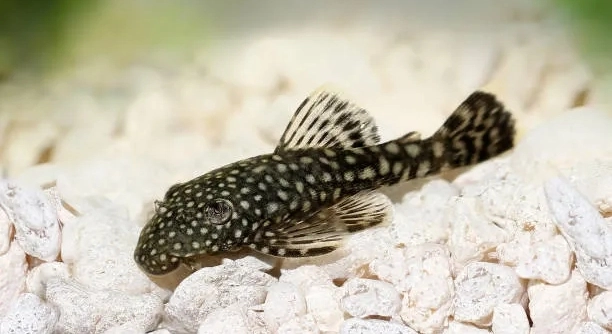
Do you ever notice your pleco swimming calmly and then suddenly disappearing after a meal? Watching them hide can be puzzling, especially when they seem perfectly healthy and active before eating. This behavior is common among aquarium owners.
Plecos often hide after eating as a natural response to digestion and vulnerability. Post-feeding, they seek safe, dark areas to rest, conserve energy, and process food efficiently. This hiding behavior is normal and indicates a healthy routine.
Understanding these patterns will help you provide a better environment for your pleco. Proper tank setup and care can reduce stress and encourage natural, healthy behaviors.
Common Reasons Plecos Hide After Eating
Plecos are naturally nocturnal and shy, so hiding after meals is normal. After eating, they feel more vulnerable, especially in an open tank. Digestion requires energy, and retreating to a secure spot helps them rest. In larger tanks, plecos often choose caves, driftwood, or plants as hiding spots. These areas mimic their natural environment, giving them a sense of safety. Observing your pleco’s routine can help you notice if anything changes. Sometimes, plecos hide due to stress, sudden movements, or bright lights. Ensuring a calm tank environment with consistent lighting can reduce hiding from stress. Temperature also plays a role—slightly cooler water can make them less active after feeding. Providing a varied diet helps digestion and encourages them to return to normal swimming behaviors faster. Some plecos hide more than others based on personality, tank mates, or health, but overall, hiding is part of their natural post-feeding behavior and should not cause concern if they return to normal activity.
Hiding after meals is generally a normal behavior. Plecos use these moments to digest food safely and conserve energy.
Watching your pleco adapt to the tank environment shows how sensitive they are. They need proper hiding spots and calm surroundings to feel secure. A well-maintained tank with stable temperature, clean water, and places to hide ensures plecos stay healthy. Their hiding habits also indicate when they are comfortable and not stressed.
How to Encourage Healthy Behavior
Providing enough hiding spots reduces unnecessary stress in plecos.
Plecos are more likely to hide if the tank feels unsafe or crowded. Adding driftwood, caves, and plants allows them to choose spaces where they can rest. Avoid sudden changes in lighting or adding aggressive fish nearby. Feeding at consistent times helps plecos feel secure, reducing excessive hiding. Observing your pleco’s habits daily can indicate their comfort level and overall health. Temperature, water quality, and diet are also key factors; poor water conditions can make plecos hide more often. A variety of food, such as algae wafers or fresh vegetables, supports digestion and energy levels. Overfeeding can lead to longer hiding periods, so control portions carefully. Each pleco has a unique personality, and some prefer hiding more than others. By creating a stable environment and respecting their natural habits, plecos will remain active and healthy, minimizing stress-related hiding. Regular observation ensures that any changes in behavior are addressed promptly, maintaining your pleco’s well-being.
Feeding Habits That Affect Hiding
Plecos often hide after eating large meals. Overfeeding can slow digestion and make them seek shelter for longer periods. Even healthy portions sometimes cause hiding if the food is rich or new. Consistency in feeding times helps them feel secure.
Feeding frequency and portion size strongly affect pleco behavior. Too much food at once can lead to bloating, discomfort, or slower digestion, prompting plecos to retreat. Introducing new foods gradually allows their digestive system to adjust. Algae wafers, blanched vegetables, and occasional protein treats keep them balanced. Observing their eating habits helps identify how much they need, preventing overeating. Maintaining a feeding routine and proper portion sizes ensures they hide less and remain active.
Water quality also influences post-feeding behavior. Poor water conditions, like high ammonia or nitrite levels, can make plecos feel unsafe, increasing hiding after meals. Regular water changes and testing keep the environment healthy. Temperature consistency supports digestion, while clean tanks reduce stress. Tank setup matters too—driftwood, caves, and plants provide safe areas for them to rest. Balancing food, water quality, and habitat ensures plecos hide naturally without stress or discomfort, keeping them active and healthy overall.
Tank Environment and Security
A stable tank environment reduces hiding and promotes natural behavior in plecos.
Plecos feel safest in tanks with adequate hiding spots and low disturbances. Bright lighting, aggressive fish, or strong currents can increase hiding frequency. Driftwood, caves, and dense plant areas allow them to rest comfortably after meals. Maintaining stable water parameters, including pH, temperature, and hardness, supports digestion and reduces stress. Quiet tank surroundings help them feel secure, making them more likely to explore after eating. Regular observation lets you notice subtle changes in behavior and ensures your pleco’s well-being.
Tank size and layout significantly affect pleco comfort. Larger tanks provide more territory and hiding options, which encourages natural activity patterns. Properly positioned decorations and plants create secure zones without overcrowding, allowing plecos to rest while feeling protected. Water movement and filtration should be gentle near hiding areas to avoid disturbing them. Adjusting lighting cycles gradually supports nocturnal instincts. Observing interactions with tank mates helps prevent stress-related hiding. Consistent care, regular maintenance, and thoughtful placement of hiding spots allow plecos to feel safe, digest comfortably, and stay active, supporting long-term health and natural behavior patterns.
Health Factors That Influence Hiding
Illness or discomfort can make plecos hide more often. Digestive issues, parasites, or injuries can cause them to retreat. Observing unusual behavior alongside hiding helps detect health concerns early.
Changes in appetite, lethargy, or irregular swimming may indicate stress or illness. Addressing these issues promptly with proper care or veterinary advice supports recovery and reduces excessive hiding.
Stress and Tank Dynamics
Stress from tank mates or sudden changes can increase hiding behavior. Aggressive or overly active fish make plecos feel unsafe, especially after meals. Maintaining a calm environment and monitoring interactions helps reduce anxiety. Proper space, hiding spots, and stable water conditions allow plecos to feel secure and confident.
Lighting and Activity Patterns
Bright lighting often triggers hiding in plecos. They naturally prefer dim or shaded areas, particularly after eating. Adjusting light intensity or using floating plants can create comfortable zones. A predictable light schedule supports natural activity and rest patterns, helping plecos feel safe while digesting food.
Observation and Adjustment
Monitoring pleco behavior regularly helps identify patterns. Changes in hiding, feeding, or swimming may signal environmental or health issues. Making small adjustments to tank setup, feeding, or water parameters can improve comfort. Understanding your pleco’s habits ensures they remain healthy and reduce unnecessary hiding.
FAQ
Why does my pleco hide after every meal?
Plecos naturally hide after eating because digestion requires energy, and being in an open area makes them feel vulnerable. Seeking a safe, dark spot allows them to rest, process food efficiently, and reduce stress. Some plecos hide more depending on their personality or tank environment.
Is it normal for plecos to stay hidden for hours after eating?
Yes, it can be normal for plecos to hide for several hours, especially after a large meal. Digestion slows their activity, and they prefer a secure spot to rest. Consistent feeding, good water quality, and proper hiding spaces can reduce excessive hiding.
Could hiding mean my pleco is sick?
Occasional hiding is normal, but if hiding is accompanied by loss of appetite, lethargy, rapid breathing, or unusual swimming, it may indicate illness. Parasites, digestive issues, or stress-related problems could be factors. Observing overall behavior and water conditions helps determine if veterinary attention is needed.
Does tank size affect hiding behavior?
Tank size matters. Smaller or crowded tanks make plecos feel less secure, increasing hiding behavior. Larger tanks with proper hiding spots allow them to rest while exploring other areas. Providing multiple caves, driftwood, and plants helps plecos feel safe and reduces stress-related hiding.
How do lighting and tank setup influence hiding?
Bright lights or strong currents often trigger hiding. Plecos prefer dim or shaded areas, especially after eating. Floating plants, caves, and driftwood create shaded zones and encourage natural behavior. A stable light schedule supports digestion and nocturnal instincts while reducing unnecessary stress.
Can diet impact how much my pleco hides?
Yes, diet plays a role. Overfeeding or introducing rich foods can slow digestion, making plecos hide longer. Providing balanced portions with algae wafers, blanched vegetables, and occasional protein treats encourages digestion and energy. Gradual introduction of new foods helps prevent stress-related hiding.
Do plecos hide more when stressed by tank mates?
Aggressive or overly active tank mates can increase hiding behavior. Plecos need calm surroundings and plenty of secure spaces to feel safe. Observing interactions and providing separate zones for rest reduces stress and encourages natural activity patterns.
How can I encourage my pleco to be more active?
Ensuring proper tank setup, consistent feeding, and a stable environment encourages activity. Providing hiding spots, gentle water flow, and nighttime feeding schedules aligns with their nocturnal nature. Monitoring water quality, temperature, and diet also supports healthy behavior and reduces hiding.
When should I worry about hiding behavior?
Persistent hiding combined with appetite loss, unusual swimming, or rapid breathing should be addressed. These may indicate health problems, poor water conditions, or stress. Regular observation and prompt adjustments to tank setup, feeding, or water parameters ensure your pleco stays healthy and active.
Does personality affect hiding habits?
Each pleco has a unique personality. Some are naturally shy and hide more, while others are more outgoing. Respecting their habits and providing a safe environment ensures they can digest comfortably, feel secure, and maintain healthy behavior patterns.
Can temperature changes influence hiding?
Yes, fluctuations in water temperature can increase hiding. Sudden drops or rises cause stress and slow digestion, making plecos retreat to secure spots. Maintaining stable, species-appropriate temperatures helps them feel comfortable, reduces stress, and supports normal post-feeding behavior.
Is it okay if plecos only eat at night?
Plecos are nocturnal by nature, so feeding at night aligns with their instincts. Offering food during darker periods encourages natural activity. Avoid overfeeding during daytime, as it may lead to prolonged hiding and slower digestion. Proper feeding routines support healthy digestion and minimize stress.
Can hiding indicate tank maintenance issues?
Poor water quality, high ammonia or nitrite levels, or inconsistent maintenance can cause plecos to hide more. Regular testing, water changes, and cleaning substrate reduce stress and create a healthier environment. Well-maintained tanks keep plecos active and reduce hiding behavior.
How do I know if hiding is normal or a problem?
Observe your pleco’s overall behavior. If hiding is routine after meals, with normal swimming, appetite, and interactions, it is likely normal. Sudden changes in hiding frequency, behavior, or health signals potential issues. Consistent monitoring ensures timely interventions and a comfortable tank environment.
Do plecos need multiple hiding spots?
Yes, multiple hiding spots are important, especially in community tanks. Driftwood, caves, and dense plants provide safe zones. Multiple options reduce competition and stress, allowing plecos to rest comfortably after meals and maintain healthy, natural behavior patterns.
Can lighting adjustments reduce hiding?
Adjusting lighting can help. Dimming lights or adding shaded areas encourages plecos to feel safe and active after eating. Gradual transitions in light cycles support nocturnal behavior and reduce stress, helping them digest comfortably and explore their environment confidently.
Final Thoughts
Understanding why plecos hide after eating helps create a healthier and calmer tank environment. This behavior is mostly natural and relates to their instincts. Plecos are nocturnal and shy, so hiding gives them a sense of security while they digest their food. Retreating to a dark or sheltered area helps them conserve energy and process meals efficiently. Many plecos have unique personalities, so some may hide more often than others. Observing their routine over time is the best way to determine what is normal for your fish. Consistent care, appropriate feeding, and a stable environment all play a role in reducing stress and encouraging healthy behavior. By knowing why plecos hide, you can feel more confident in providing them with the spaces and conditions they need to thrive in your tank.
Proper tank setup and environment are key factors in minimizing unnecessary hiding. Plecos respond to lighting, water quality, and the layout of hiding spots. Bright lights or strong water currents can make them feel unsafe, while carefully placed caves, driftwood, and plants create secure zones where they can rest comfortably. Water conditions such as pH, temperature, and cleanliness also influence their comfort and activity levels. Regular water testing, gentle filtration, and stable temperature ranges support healthy digestion and lower stress. Providing multiple hiding options ensures that plecos feel safe even in community tanks, reducing conflict with other fish. Additionally, feeding habits affect hiding. Overfeeding or introducing rich or new foods can lead to longer resting periods. Balanced portions and gradual dietary changes help plecos digest properly while keeping hiding behaviors within normal limits. Observing and adjusting these factors will make your pleco feel secure and reduce anxiety-driven hiding.
Monitoring your pleco’s behavior is an ongoing process that provides valuable insight into their health and well-being. Occasional hiding after meals is normal, but persistent hiding, loss of appetite, lethargy, or unusual swimming patterns can indicate stress or illness. Paying attention to these signs allows timely intervention, whether adjusting tank conditions, reviewing feeding routines, or consulting a veterinarian. Every pleco is different, and understanding their habits, preferences, and natural instincts allows you to create an environment that meets their needs. By focusing on consistent care, proper tank setup, and attentive observation, you can help your pleco feel safe, healthy, and comfortable, ensuring that hiding behavior remains a natural part of their routine rather than a sign of concern. With patience and care, your pleco will thrive, and you will better understand their subtle ways of communicating comfort and stress in your aquarium.

Hello,
If you enjoy the content that we create, please consider saying a "Thank You!" by leaving a tip.
Every little bit helps us continue crafting quality advice that supports the health, happiness, and well-being of pets around the world, for pets of all shapes, sizes, and species.
We really appreciate the kindness and support that you show us!