
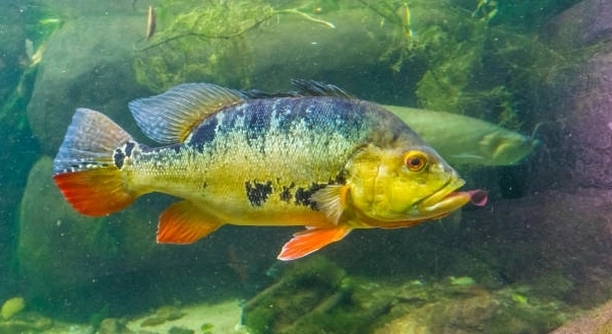
Cichlids are popular freshwater fish known for their vibrant colors and active behavior. Keeping them healthy requires understanding their basic needs and creating a suitable environment. Many fish owners seek simple ways to maintain their cichlids’ well-being effectively.
Proper care of cichlids involves maintaining clean water, providing a balanced diet, monitoring water parameters, and ensuring an appropriate tank setup. Consistent attention to these factors helps prevent disease and promotes healthy growth and behavior in cichlids.
These straightforward tips will help you support your cichlids’ health and enjoy their lively presence in your aquarium.
Maintain Clean Water Regularly
Keeping the water clean is essential for healthy cichlids. Dirty water can lead to stress and disease in fish. Changing 20-30% of the water every week helps remove waste and toxins. Using a good filter supports water clarity and quality by trapping debris and harmful substances. Testing water parameters like pH, ammonia, nitrites, and nitrates is important to keep them in safe ranges. Overfeeding can cause leftover food to decay, polluting the water, so feeding the right amount is necessary. Removing uneaten food and cleaning the substrate also helps maintain cleanliness. Proper water care creates a stable environment that allows cichlids to thrive and reduces the chance of health problems.
Regular water maintenance keeps your tank balanced and your cichlids comfortable. Clean water encourages natural behavior and vibrant colors, which shows they are in good health.
A well-kept tank also prevents the buildup of harmful bacteria and algae that can affect your fish’s respiratory system. When water quality is stable, cichlids experience less stress and are more resistant to illnesses. This means fewer trips to treat disease and more time enjoying your aquarium.
Provide a Balanced Diet
Feeding your cichlids a varied diet supports their health and energy. A mix of pellets, flakes, and live or frozen foods gives them essential nutrients.
A balanced diet includes proteins, vitamins, and minerals that promote growth, coloration, and immune strength. Overfeeding or giving only one type of food can cause nutritional deficiencies or water quality problems. Fresh vegetables like peas and spinach can be added to their meals for fiber. Feeding small amounts 2-3 times a day is better than one large meal. Observing your fish’s eating habits helps adjust portion sizes and food types.
A thoughtful feeding routine helps your cichlids stay active and healthy while reducing waste that can pollute the tank. Proper nutrition is key to their well-being and longevity.
Monitor Water Temperature
Cichlids need stable water temperatures to stay healthy. Most species prefer temperatures between 75°F and 82°F. Sudden changes can stress them and make them vulnerable to illness.
Using a reliable aquarium heater with a thermostat helps maintain consistent temperatures. Check the temperature daily to avoid fluctuations. Avoid placing the tank near windows or heat sources that cause temperature swings. A stable temperature supports fish metabolism, digestion, and immune response. It also encourages normal behavior and breeding. When temperatures are too low or too high, cichlids may become lethargic or overly aggressive, which can lead to health problems and tank conflicts.
Maintaining the right temperature is a simple but crucial part of cichlid care. Consistency ensures your fish thrive in their environment without added stress.
Ensure Proper Tank Setup
A suitable tank size and layout are important for cichlid health and comfort. Most cichlids need at least a 30-gallon tank with enough space to swim freely. Overcrowding increases stress and aggression.
Adding hiding spots using rocks, caves, and plants creates a natural habitat where cichlids can feel safe. This reduces stress and helps control territorial behavior. Arrange decorations to allow open swimming areas and separate territories. Use substrate that mimics their natural environment, like sand or fine gravel. Proper tank setup supports cichlids’ mental and physical well-being by providing comfort and reducing conflicts. It also makes tank maintenance easier by controlling waste buildup and water flow.
By creating the right space and environment, you help your cichlids stay active, calm, and healthy in their home.
Avoid Overcrowding
Too many cichlids in one tank causes stress and aggression. Crowded conditions increase waste buildup, harming water quality and fish health.
Give each fish enough space to swim and establish territories. Overcrowding often leads to fights and injury, which can weaken their immune systems.
Regularly Check for Signs of Illness
Watch for changes in behavior, appetite, or appearance. Early detection of illness improves treatment success. Common signs include lethargy, faded colors, or spots on the body. Prompt action can prevent disease spread in the tank.
Maintain Proper Lighting
Provide a natural light cycle with about 10-12 hours of light daily. Avoid bright, constant light as it stresses fish and encourages algae growth.
Keep Stress Low
Stress weakens cichlids’ immunity. Avoid sudden changes in environment and handle fish gently during maintenance.
FAQ
How often should I change the water in my cichlid tank?
Regular water changes are important to keep your cichlids healthy. Changing about 20-30% of the water once a week is usually enough. This removes waste and toxins that build up. Avoid changing too much water at once, as sudden shifts can stress your fish.
What is the best diet for cichlids?
Cichlids need a varied diet that includes pellets or flakes designed for their species. Adding live or frozen foods like brine shrimp, bloodworms, or daphnia helps provide protein. Some cichlids also enjoy fresh vegetables like peas or spinach. Feed small amounts two to three times daily to prevent overfeeding and water pollution.
How do I test the water quality?
Testing water regularly is crucial. You can use a test kit to check pH, ammonia, nitrite, and nitrate levels. Ideal pH varies by species but usually falls between 6.5 and 8.0. Ammonia and nitrites should be at zero, while nitrates should stay below 20 ppm. Testing helps catch problems early.
What temperature should I keep my cichlid tank at?
Most cichlids thrive between 75°F and 82°F. Use a heater with a thermostat to keep the temperature steady. Sudden changes can cause stress or illness, so avoid placing the tank where it’s exposed to drafts or direct sunlight.
Can I keep different species of cichlids together?
Some species can live together, but it depends on their temperament and size. Aggressive or territorial species may fight if the tank is too small or lacks hiding spots. Always research compatibility and provide enough space and decorations to reduce conflicts.
Why are my cichlids fighting?
Fighting usually happens due to overcrowding, lack of hiding spots, or territorial behavior. Male cichlids can be especially aggressive during breeding. To reduce fighting, increase tank size, add more decorations for territory, or separate aggressive individuals.
How do I know if my cichlid is sick?
Signs of illness include loss of appetite, lethargy, faded colors, abnormal swimming, or visible spots and sores. If you notice these, test the water and consider consulting a fish health expert. Early treatment improves chances of recovery.
How much light do cichlids need?
Cichlids do well with 10-12 hours of light each day. Too much light can stress them and cause algae growth. Use a timer to keep the lighting consistent and mimic their natural day-night cycle.
What kind of substrate is best for cichlids?
Many cichlids prefer sand or fine gravel that resembles their natural habitat. This helps protect their delicate fins and allows natural digging behavior. Avoid sharp or coarse substrate that can injure your fish.
Is it necessary to have a filter in the cichlid tank?
Yes, a filter is essential. It helps remove waste, toxins, and uneaten food, keeping the water clean. Filters also improve oxygen circulation, which is vital for your fish’s health. Choose a filter suitable for your tank size and cichlid species.
How do I handle cichlids during tank cleaning?
Handle your fish gently and as little as possible. Use a net to move them temporarily if needed, but avoid stressing them. Clean the tank carefully without disturbing their environment too much to keep them comfortable.
Can I use tap water for my cichlid tank?
Tap water is usually fine if treated properly. Use a water conditioner to remove chlorine and chloramines before adding water to the tank. Testing and adjusting pH may also be necessary depending on your water source.
Why is my cichlid’s color fading?
Color fading can be a sign of stress, poor water quality, or illness. Make sure water conditions are stable and the diet is balanced. Sometimes, color changes happen naturally due to breeding or age.
How do I introduce new cichlids to my tank?
Acclimate new fish slowly by floating their bag in the tank water and gradually mixing tank water into the bag over 30-60 minutes. This reduces shock from temperature or water chemistry differences. Monitor them closely after introduction to prevent stress or aggression.
Can cichlids breed in a home aquarium?
Yes, many cichlid species breed in captivity if conditions are right. Providing clean water, a proper diet, and hiding spots encourages breeding. Be prepared to care for fry or separate them to prevent other fish from eating the young.
Caring for cichlids can be very rewarding when you follow basic steps to keep them healthy. Consistent maintenance of their environment, like regular water changes and monitoring temperature, helps create stable conditions. A clean tank with good water quality reduces stress and disease risks. Feeding them a balanced diet suited to their species provides the nutrients they need for growth and vitality. Paying attention to these essentials supports your cichlids’ well-being and allows them to thrive.
Setting up the tank properly is also important. Providing enough space and creating hiding places helps reduce aggression and territorial disputes. Cichlids often display strong behaviors, so a well-organized environment keeps them comfortable and less stressed. Avoiding overcrowding and maintaining proper lighting contribute to a calm and natural habitat. When fish live in an environment that meets their needs, they show healthier activity levels and better coloration.
Regular observation is key to catching problems early. Watching for changes in behavior or appearance lets you take action before issues worsen. Proper care is a combination of daily attention and long-term habits. Simple steps like testing water parameters, feeding the right foods, and managing tank conditions go a long way in promoting cichlid health. With patience and consistency, you can enjoy a lively and colorful aquarium for years to come.

Hello,
If you enjoy the content that we create, please consider saying a "Thank You!" by leaving a tip.
Every little bit helps us continue crafting quality advice that supports the health, happiness, and well-being of pets around the world, for pets of all shapes, sizes, and species.
We really appreciate the kindness and support that you show us!