
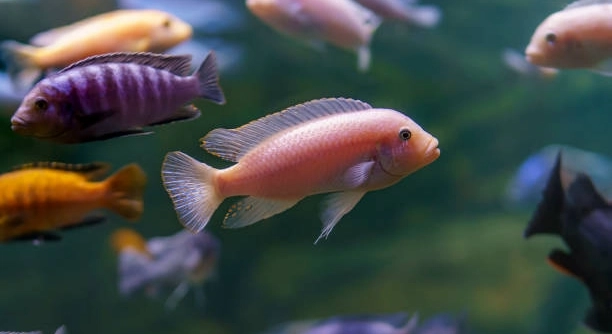
Is your cichlid not growing as expected despite proper care and feeding? Stunted growth in cichlids can be subtle but has important implications for their health and well-being. Recognizing the signs early is essential for effective management.
Stunted growth in cichlids is typically identified by noticeably smaller size compared to peers of the same age, disproportionate body shapes, and reduced activity levels. Environmental stressors, poor nutrition, or genetic factors are common causes affecting normal development.
Identifying growth issues early can improve your cichlid’s quality of life and help prevent further health complications. This article explains the key indicators and what to watch for in your aquarium.
Signs Your Cichlid May Be Stunted
One clear sign of stunted growth in a cichlid is a size that falls noticeably behind other fish of the same species and age. Stunted cichlids may have bodies that appear disproportionate, such as larger heads or thinner bodies, compared to healthy fish. These physical differences can be subtle at first but become more obvious over time. Behavior can also be an indicator; stunted cichlids may be less active or less interested in food, which can further affect their growth. Water quality and tank conditions can impact growth, so it’s important to regularly check parameters like pH, temperature, and ammonia levels. Consistently poor water quality can stress fish, leading to slower development. Watching for these signs early allows for adjustments in care to support better health and growth.
Poor water conditions and diet issues often cause stunting, so monitoring these factors is key to prevention.
Understanding these signs helps you recognize when your cichlid may need extra attention to thrive in its environment.
Causes of Stunted Growth in Cichlids
Stunted growth can result from several factors, including inadequate nutrition, poor water quality, or overcrowding.
Inadequate nutrition is a major cause of poor growth. A diet lacking essential vitamins and minerals prevents proper development. Feeding a varied and balanced diet is essential to support growth. Poor water quality also affects health by increasing stress and disease risk, which slows growth. Parameters like ammonia, nitrite, and nitrate levels must be kept within safe ranges. Overcrowding in the tank can lead to competition for food and space, limiting access to resources each fish needs. Limited swimming space and social stress may also reduce growth rates. Genetics can play a role, but environmental factors usually have a greater impact. Regular maintenance of the tank and attention to feeding habits can reduce the risk of stunted growth and promote healthier, faster development in your cichlid.
Preventing Stunted Growth
Maintaining stable water conditions is essential for preventing stunted growth in cichlids. Frequent water changes and proper filtration help keep the environment healthy. Feeding a balanced diet supports development and overall health.
Providing a varied diet rich in protein and essential nutrients promotes healthy growth. Avoid overfeeding or underfeeding, as both can harm development. High-quality pellets, live or frozen foods like brine shrimp and bloodworms, and occasional vegetables keep nutrition balanced. Consistent feeding schedules help maintain good appetite and energy levels.
Tank size and stocking density also influence growth. Overcrowded tanks increase stress and competition for food, reducing growth rates. Giving cichlids enough space to swim and establish territories improves their physical and mental well-being. Adjusting tank mates to reduce aggression can also support healthier growth by lowering stress levels.
When to Seek Help
If your cichlid shows consistent signs of poor growth despite good care, it’s time to consult a specialist. Early intervention can improve outcomes.
A veterinarian or experienced aquarist can identify underlying health issues that might cause stunting. They can suggest specific treatments or changes in care routines. Sometimes infections or parasites affect growth and require targeted medication. Testing water and tank conditions alongside physical health checks helps pinpoint problems. Timely professional advice prevents worsening of the condition and gives your cichlid the best chance for recovery and healthy development.
Diagnosing Stunted Growth
Measuring your cichlid regularly helps track its growth accurately. Use a ruler or caliper to note size changes over weeks. Consistent small size compared to peers may indicate stunting.
Observe body shape and behavior closely. Stunted fish often have unusual proportions and may be less active or eat less than normal.
Adjusting Tank Conditions
Improving water quality by performing regular water changes and checking parameters reduces stress on your cichlid. Stable temperature and proper pH levels encourage healthy growth.
Feeding Tips for Growth
Focus on high-protein foods like live or frozen brine shrimp and bloodworms. These provide essential nutrients for development. Avoid overfeeding to prevent water quality issues.
Monitoring Progress
Keep a growth log to notice any improvements or ongoing issues. Regular observation ensures timely action when needed.
FAQ
What causes stunted growth in cichlids?
Stunted growth usually results from poor water quality, inadequate nutrition, overcrowding, or stress. When water parameters are off, fish become stressed, which slows their development. Feeding low-quality or insufficient food also limits growth. Overcrowded tanks increase competition for resources and space, further affecting size.
How can I tell if my cichlid is stunted?
If your cichlid remains much smaller than others of the same species and age, it may be stunted. Look for unusual body proportions, like a large head or thin body. Reduced activity and lack of appetite can also signal stunting. Comparing your fish to healthy tank mates helps identify these differences.
Can stunted cichlids recover?
Recovery depends on the cause and severity of stunting. Fixing water quality, improving diet, and reducing tank stress can help many fish grow better. However, some stunted growth may be permanent if caused by early-life issues or genetics. Early care changes improve chances of recovery.
How often should I test my aquarium water?
Testing water weekly is ideal, especially if you suspect growth problems. Key parameters to monitor include ammonia, nitrite, nitrate, pH, and temperature. Keeping these stable helps maintain a healthy environment for your cichlid to grow normally.
What is the best diet for promoting growth?
A varied diet rich in protein supports healthy development. Use high-quality pellets formulated for cichlids, supplemented with live or frozen foods like brine shrimp, bloodworms, and daphnia. Occasionally adding vegetables like spinach or peas provides essential vitamins and fiber.
Can overcrowding cause stunted growth?
Yes, overcrowding increases stress and competition for food and space. Fish under constant pressure often fail to grow properly. Maintaining an appropriate number of cichlids per tank size allows each fish room to swim, feed, and establish territories, which encourages healthy growth.
Are some cichlid species more prone to stunting?
Certain species with faster growth rates or more delicate environmental needs may show stunted growth if conditions are not ideal. However, most cichlids can suffer from stunting if care is inadequate. Knowing species-specific requirements helps prevent problems.
Does genetics affect cichlid growth?
Genetics do influence growth potential, but environmental factors usually have a stronger effect. Poor conditions can stunt even genetically strong fish. Conversely, good care can help genetically slower growers reach their best size.
Should I separate a stunted cichlid from others?
Separating a stunted fish may reduce stress and competition for food. Providing a calm environment allows it to eat better and rest. However, be careful not to isolate the fish completely, as some cichlids thrive with social interaction.
How long does it take to see improvement after changes?
Improvements in growth can be noticed within weeks after fixing water quality and diet. However, full recovery depends on the stunting cause and fish’s age. Patience is important, as growth is gradual.
Can stunted cichlids reproduce normally?
Stunted cichlids often have reduced reproductive capability due to smaller size and possible health issues. Proper care can improve their condition, but some effects of stunting may persist, impacting breeding success.
What role does tank size play in cichlid growth?
Tank size directly affects swimming space and territory establishment. Small tanks limit movement and cause stress, leading to stunted growth. Providing an adequately sized tank helps cichlids develop fully and maintain good health.
Are there signs of stress linked to stunting?
Yes, stressed cichlids may hide frequently, refuse food, or show rapid breathing. Chronic stress lowers immunity and slows growth. Identifying and reducing stressors like poor water quality or aggressive tank mates supports recovery.
Can stunting be reversed with medication?
Medication helps only if stunting is caused by illness or parasites. Otherwise, focus on improving environment and diet. Consult a vet before using any treatment, as unnecessary medication can worsen stress.
What is the best way to monitor growth?
Regularly measure your cichlid using a ruler or caliper and keep a log. Comparing size over time against species standards helps detect growth issues early. Observing behavior and physical appearance supplements size measurements.
Final thoughts on recognizing and managing stunted growth in cichlids emphasize the importance of attentive care. Noticing signs like smaller size, unusual body shapes, or changes in behavior can help catch growth problems early. These signs often point to environmental issues such as water quality or nutrition. Paying close attention to your fish and their surroundings allows for timely action that can improve their health and well-being. Maintaining clean water, a balanced diet, and a proper tank setup are essential to support normal growth and prevent stunting.
Taking steps to improve your cichlid’s environment can make a significant difference. Regular water changes and testing keep water parameters stable and safe. Feeding a varied diet with sufficient protein and nutrients promotes healthy development. Avoiding overcrowding reduces stress and competition, giving each fish the space it needs. When growth problems persist despite good care, seeking advice from an experienced aquarist or veterinarian is a wise choice. Professional guidance can help identify underlying health issues and provide treatment options if necessary. Early intervention increases the chance of recovery and better long-term health.
It’s important to remember that not all stunted growth is reversible, especially if caused by genetics or problems during early life stages. However, creating the best possible conditions can help your cichlid reach its full potential and live a healthier life. Careful observation, patience, and consistent maintenance are key parts of this process. Keeping your fish in a stable and supportive environment will reduce stress and encourage better growth. By focusing on these factors, you can ensure that your cichlids remain active, healthy, and vibrant members of your aquarium.

Hello,
If you enjoy the content that we create, please consider saying a "Thank You!" by leaving a tip.
Every little bit helps us continue crafting quality advice that supports the health, happiness, and well-being of pets around the world, for pets of all shapes, sizes, and species.
We really appreciate the kindness and support that you show us!