
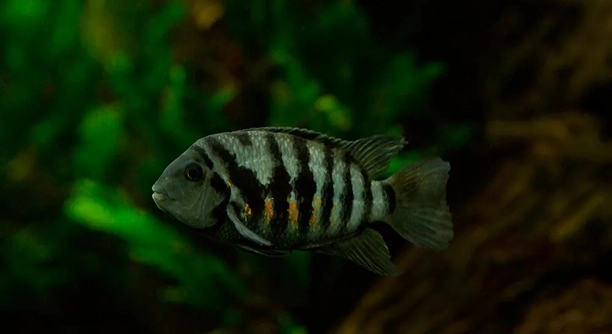
Cichlids are popular freshwater fish known for their interesting behaviors, especially during breeding. Watching them can reveal many signs that show when a cichlid is protecting its eggs or young. Recognizing these signs can help aquarium owners understand their fish better.
A cichlid guarding a nest typically displays specific behaviors such as increased territoriality, frequent cleaning of the nesting site, close proximity to the eggs or fry, aggressive defense against intruders, and unique body postures. These clues indicate the fish is actively protecting its offspring to ensure their survival.
Knowing these clues can improve your experience with cichlids and help you create a safer environment for their young to grow. Observing these behaviors offers insight into the natural instincts of these fascinating fish.
Increased Territorial Behavior
When a cichlid is guarding a nest, one of the first signs you’ll notice is its strong territorial behavior. The fish will often patrol the area around the nest, swimming back and forth to mark its boundaries. It may become more aggressive toward other fish, chasing them away or displaying warning gestures like flaring its fins or opening its mouth wide. This behavior helps protect the eggs or fry from potential threats. The cichlid’s focus on the nesting area becomes clear, as it rarely strays far and seems more alert than usual. You might also notice that the fish spends time cleaning the nest site, removing debris or algae to keep the eggs safe and healthy. This increased activity and vigilance can be a clear clue that the fish is in nesting mode.
Territorial defense is one of the most obvious signs of nesting in cichlids. It helps keep the area safe.
Understanding this behavior helps you respect the space your cichlid needs during breeding, minimizing stress for both the fish and others in the tank.
Nest Cleaning and Preparation
When a cichlid guards a nest, cleaning and preparing the area is a key behavior to watch for. The fish will actively remove dirt, algae, and leftover food particles from the nesting site. This ensures the eggs have a clean and healthy environment to develop in. Cleaning can involve picking up small debris with the mouth or fanning water over the eggs to keep them oxygenated. The cichlid might also rearrange gravel or smooth surfaces to make the nest more suitable for the eggs. This behavior shows the fish’s investment in the success of its offspring and is a strong sign that it is caring for a nest. Observing these cleaning habits gives a clear indication that the cichlid is protecting its future young with dedication and care. Nest preparation is a natural part of the breeding cycle and should be left undisturbed.
Consistent cleaning keeps the nest safe and healthy for developing eggs, improving survival chances.
Watching these details can deepen your understanding of cichlid care and their natural instincts.
Close Proximity to Eggs or Fry
Cichlids guarding a nest stay very close to their eggs or fry. They rarely leave the area and monitor the young closely to protect them.
This close proximity helps the fish defend the eggs from threats like other fish or sudden movements in the tank. It also allows the cichlid to clean the eggs frequently and ensure proper water flow. The constant presence of the parent creates a safer environment for the developing offspring, improving their chance of survival. Watching your cichlid remain near the nest without wandering is a clear sign it is in protective mode.
In addition, the fish’s constant attention to the nest shows a natural instinct to care for its young. The bond between parent and offspring is visible through this behavior, making it an important clue for anyone observing cichlid breeding habits.
Aggressive Defense
Cichlids guarding their nests can become very aggressive toward anything perceived as a threat. This includes other fish, objects, or even people moving near the tank.
This aggressive behavior is a natural way for the fish to protect its eggs or fry. It may chase or nip at intruders, flare its fins, and make loud noises underwater. The intensity of this defense often increases during the early stages when eggs are most vulnerable. Recognizing this aggressive stance helps you understand when your cichlid needs space and less disturbance.
Keeping other fish or pets away from the nesting area during this time reduces stress and potential harm. Giving the cichlid a calm environment during aggressive defense will support successful breeding and healthier offspring.
Unique Body Postures
Cichlids guarding nests often change their body posture to appear larger or more intimidating. They may raise their fins or press their bodies low near the nest.
These postures help signal to others that the area is protected and not to be disturbed. It’s a visual warning that the fish is serious about guarding its eggs or fry.
Frequent Fanning of Eggs
Fanning eggs is a key behavior where the cichlid uses its fins to gently move water over the eggs. This increases oxygen flow and prevents fungus from growing. The parent spends a lot of time doing this, showing careful attention to egg health. This activity is an important sign of active nest guarding and caring.
Reduced Feeding
Cichlids guarding nests often eat less. Their focus shifts to protecting and caring for their offspring, so they may skip meals or show less interest in food. This change is a natural part of breeding behavior and helps them stay alert to threats around the nest.
FAQ
How can I tell if my cichlid is really guarding a nest?
Look for behaviors like increased territorial defense, staying close to one spot, cleaning the area, and aggressive actions toward other fish. The fish will also show body postures that warn intruders and may fan eggs if you can see them. These signs together usually confirm that your cichlid is guarding a nest.
Is it normal for a guarding cichlid to become aggressive?
Yes, aggression is a natural response during nesting. Cichlids protect their eggs and fry by chasing or nipping at anything they see as a threat. This behavior helps keep their young safe but can sometimes stress other fish in the tank.
Should I separate my cichlid when it is guarding a nest?
Not always. If aggression toward other tank mates becomes too intense, separation might be necessary to prevent injury. However, many cichlids can guard nests safely with compatible tank mates if given enough space and hiding spots.
How long does a cichlid guard its nest?
The guarding period depends on the species and environmental conditions but usually lasts from a few days to a few weeks. The parent remains vigilant until the fry are strong enough to survive on their own.
What can I do to support my cichlid during nesting?
Provide a calm environment with minimal disturbances and ensure proper water quality. Avoid handling the fish or rearranging the tank during this time. Offering nutritious food before and after nesting helps maintain the cichlid’s health.
Will the cichlid eat its eggs or fry?
In some cases, yes. Stress or poor water conditions can cause parents to eat their offspring. Providing a safe, quiet environment reduces this risk. Some species are more prone to this than others.
How do I identify the nest location?
The nest is usually on a flat surface like a rock, a cave, or a cleared area in the substrate. You may notice the cichlid spending most of its time hovering around this spot or cleaning it frequently.
Can other fish harm the eggs or fry?
Yes, many fish see eggs or fry as food. This is why guarding behavior is important. If you have other fish in the tank, they may try to sneak in and eat the offspring if the guard fish is distracted.
Is it necessary to feed a guarding cichlid less?
Guarding cichlids often reduce their feeding naturally, but it’s important to offer small, nutritious meals to keep their strength up. Avoid overfeeding, as it can lead to water quality issues.
How do I know when the fry are ready to be on their own?
Fry become more independent when they start swimming freely and eating on their own. At this stage, the parent will spend less time guarding and may even chase the young away to encourage independence.
Can I remove the fry to raise them separately?
Yes, but only if you have experience and proper equipment. Raising fry separately can improve survival rates but requires careful feeding and water maintenance.
What signs show my cichlid is stressed during nesting?
Signs include erratic swimming, loss of appetite, hiding more than usual, or damage to fins. Stress can harm both the parent and offspring, so maintaining a stable environment is crucial.
Do male and female cichlids both guard the nest?
In many species, both parents share guarding duties. In others, only one parent is responsible. Observing your specific cichlid species helps you understand their typical behavior.
Can water temperature affect nesting behavior?
Yes, water temperature plays a role in breeding. Too cold or too warm water can delay spawning or affect egg development. Maintaining the ideal temperature for your cichlid species supports healthy nesting.
What should I do if my cichlid stops guarding suddenly?
This could indicate a problem like stress, illness, or poor water conditions. Check the environment carefully and consider separating the fish if necessary. Sometimes parents abandon nests if conditions are not right.
Final Thoughts
Watching a cichlid guard a nest can be a fascinating experience. It shows how protective and careful these fish can be when it comes to their eggs or fry. The behaviors they display—such as staying close to the nest, cleaning the area, and defending it aggressively—are natural instincts that help increase the survival chances of their young. Understanding these signs helps aquarium owners give their fish the right environment and care during this important time.
Creating a calm and stable space for your cichlid during nesting is important. Avoid making sudden changes in the tank, like moving decorations or introducing new fish. These disturbances can stress the parent and cause it to abandon the nest or act more aggressively. Good water quality is also essential because healthy conditions support both the parent and the developing eggs or fry. Feeding your cichlid well before and after the guarding period will help keep its strength up, even if it eats less during the actual guarding phase.
Every cichlid species is a bit different, so it helps to learn about your particular fish’s habits and needs. Some species share guarding duties between male and female, while others rely on one parent. Knowing these details can improve your experience and support successful breeding. Watching your cichlid care for its young gives you a small window into their natural behavior, which can be rewarding and informative for anyone interested in fishkeeping.

Hello,
If you enjoy the content that we create, please consider saying a "Thank You!" by leaving a tip.
Every little bit helps us continue crafting quality advice that supports the health, happiness, and well-being of pets around the world, for pets of all shapes, sizes, and species.
We really appreciate the kindness and support that you show us!