
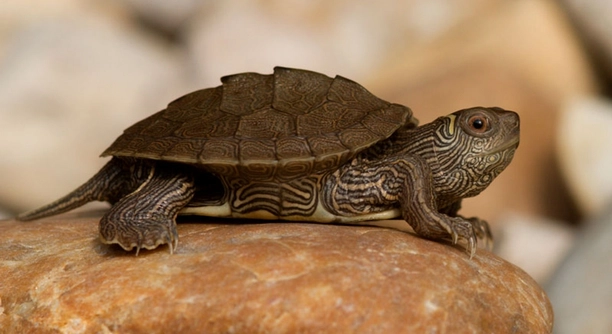
Map turtles are known for their unique sleeping positions. These reptiles are often seen in ways that seem uncomfortable but serve important functions for their rest and overall well-being. The reasons behind these behaviors are intriguing.
Map turtles sleep in unusual positions due to their need to remain alert to potential threats and regulate body temperature. In the wild, they must balance rest with being ready to quickly escape danger. Their unusual posture helps them stay protected.
Understanding how map turtles sleep provides insight into their adaptation to their environment. By examining their behavior, we can better appreciate how these turtles navigate the challenges of survival.
The Unique Resting Posture of Map Turtles
Map turtles often sleep in unusual positions, which can seem odd at first glance. However, these positions are not just random—they are linked to the turtle’s instinctual need for survival. In the wild, they face constant threats from predators, so sleeping in a way that allows them to remain alert is essential. The unusual positions, like sleeping with one leg raised or partially submerged in water, enable the turtles to react quickly if needed. These behaviors are especially common in areas with high predator activity, where every second counts in an escape attempt.
This sleeping posture helps them keep a low profile and minimizes exposure to predators. Additionally, by keeping their bodies partially submerged, map turtles can maintain their body temperature in cooler conditions. Sleeping in an odd position, therefore, is a way to adapt to environmental stressors and to stay safe.
Map turtles’ unique sleeping patterns also highlight how species adapt to their environments. In captivity, these turtles might exhibit similar behaviors if placed in environments that replicate their natural habitat. This sleeping position is tied to instinct and environmental needs, showing how animals evolve to survive in the wild.
Temperature Regulation and Protection
Map turtles rely heavily on their surroundings to regulate body temperature. During rest, they may adjust their position to maximize sun exposure or stay cool in the shade. In the wild, they balance warmth with safety to ensure they stay active and ready.
Understanding how map turtles regulate their body temperature while sleeping can be quite fascinating. The way they position themselves allows them to soak up the sun’s warmth during colder months, while also keeping one eye open for potential threats. In warmer weather, they might rest in deeper waters to stay cool, adjusting their sleeping posture to avoid overheating.
This adaptability is critical for map turtles, as maintaining the right temperature is necessary for proper digestion and metabolism. When kept in captivity, it’s essential to provide them with the right conditions, such as access to both warm basking spots and cooler water areas. Without these adjustments, map turtles could struggle with their health and sleep patterns.
The Impact of Habitat on Sleeping Positions
Map turtles’ sleeping positions are influenced by the type of habitat they live in. Whether they are in freshwater lakes, rivers, or ponds, the availability of safe, sheltered spots dictates how they rest. The presence of vegetation, rocks, or logs nearby allows them to sleep while feeling secure.
In their natural habitats, map turtles are more likely to sleep in unusual positions to avoid detection. They often prefer to hide among water plants or rest near submerged objects, which provides them with cover. This behavior is particularly important when predators, like birds of prey, are around.
Captive environments can also affect how map turtles sleep. If the tank setup doesn’t offer sufficient hiding spaces or a proper temperature gradient, they may not rest as effectively. Ensuring that the habitat mimics their natural surroundings helps support their instinctual behaviors and overall health.
Sleeping Patterns in Captivity
Captive map turtles may adopt odd sleeping positions, but these behaviors can sometimes indicate stress. A lack of proper environment or enrichment can cause restlessness or a deviation from typical sleep patterns. Stress from inappropriate tank conditions can lead to inconsistent sleep cycles.
When map turtles are kept in tanks that are too small, lack proper basking spots, or have unbalanced water conditions, their sleep may become erratic. They might sleep in uncomfortable positions or remain active when they should be resting. In these situations, it’s essential to reassess the habitat setup to improve their quality of life.
Providing a spacious, well-lit environment that includes proper hiding spots, basking areas, and clean water helps map turtles feel secure. These elements contribute to their natural sleeping patterns. A happy, healthy turtle is more likely to rest comfortably, maintaining the behavior seen in the wild.
Why Map Turtles Rest on Land
Map turtles may sleep on land, though they spend most of their time in the water. This behavior is often linked to basking in the sun or seeking safety from water-based predators. Resting on land allows them to escape threats and regulate their body temperature.
They may choose a warm rock or a safe spot along the shore to rest, basking in the sun’s heat. This allows them to dry off, as staying too long in the water can cause their skin and shells to become overly moist. It’s a natural behavior that also helps maintain their health.
Basking on land provides map turtles with the warmth they need to stay active and digest food. This is especially true for map turtles in colder climates, where the sun’s warmth is essential for maintaining energy levels. It’s a behavior that supports their overall well-being.
Sleep Disruption and Map Turtle Health
Map turtles are sensitive to changes in their environment, and disruptions in their sleep patterns can affect their health. Stress, poor water quality, and overcrowded tanks can all lead to irregular sleep, which might impact digestion, behavior, and overall health.
In captivity, turtles that are disturbed or unable to sleep properly may show signs of stress. This stress can lead to a weakened immune system, making them more susceptible to illness. When a turtle’s sleep cycle is disrupted, they might also become more aggressive or withdrawn.
Providing a calm and quiet environment helps turtles maintain their regular sleep cycles, ensuring they stay healthy and active. Proper water filtration and a stable tank environment play a large role in reducing stress and promoting restful sleep.
FAQ
Why do map turtles sleep in unusual positions?
Map turtles often sleep in unusual positions to remain alert to potential threats. Their bodies are adapted to sleep in ways that allow them to quickly react to danger. In the wild, these sleeping habits help them evade predators by keeping them in a position to retreat or hide. In captivity, they may continue these behaviors due to instincts formed in their natural habitat.
Do map turtles need to sleep on land?
While map turtles spend most of their time in the water, they do rest on land, especially to bask in the sun. This provides them with warmth, which is necessary for digestion and maintaining body temperature. Basking on land also allows map turtles to dry off and regulate moisture levels in their shells and skin.
How long do map turtles sleep?
Map turtles sleep anywhere from 6 to 12 hours a day, depending on factors such as age, environment, and activity levels. Young turtles may sleep more, while older ones may have shorter sleep cycles. In the wild, they often sleep during the night or in periods of low activity during the day.
What are the signs of stress in map turtles?
Stress in map turtles can be seen through changes in behavior such as reduced activity, loss of appetite, or erratic swimming patterns. They may also stop basking or exhibit strange sleeping positions. Environmental factors like poor water quality or overcrowding in their enclosure often cause stress, which can affect their health.
Can map turtles sleep underwater?
Yes, map turtles can sleep underwater. In fact, they are capable of holding their breath for extended periods while resting. When they sleep underwater, they typically remain near the surface or stay close to a safe spot to easily surface for air. Their ability to rest underwater is an adaptation to help them stay hidden from predators.
How do map turtles regulate their body temperature?
Map turtles regulate their body temperature through basking in the sun or by swimming in different water depths. When they need warmth, they may bask on rocks or logs above water. When they need to cool down, they rest in cooler, deeper parts of the water. This behavior is crucial for their metabolism and overall health.
What is the best environment for map turtles to sleep in?
A good environment for map turtles to sleep in includes a spacious tank with both aquatic and land areas. The tank should have a basking platform to allow them to rest and absorb warmth from a heat source, such as a UVB light. Clean, well-filtered water and a stable temperature range help map turtles feel comfortable and sleep well.
Do map turtles sleep more in colder months?
Map turtles may sleep more in colder months as part of a natural response to lower temperatures. However, they do not undergo true hibernation like some species. They may become less active or sleep longer during colder weather, but they will still need access to warmth and water to stay healthy.
How can I ensure my map turtle sleeps well?
To help your map turtle sleep well, provide a balanced habitat with proper lighting, heating, and clean water. Make sure your turtle has a designated basking area with a heat source and plenty of space to swim. Reducing stress factors such as loud noises or overcrowding will also support restful sleep.
Can map turtles sleep with their eyes open?
Yes, map turtles can sleep with their eyes open, though this depends on the individual and their level of comfort. In their natural habitats, they may sleep in a semi-alert state, keeping their eyes open to watch for potential threats. In captivity, they may still sleep with their eyes open if they feel insecure or threatened.
Are there any risks associated with map turtles not sleeping properly?
Yes, improper sleep can affect map turtles’ health. If they do not sleep enough or if their sleep is disrupted, they may become stressed, lose their appetite, or show signs of illness. Long-term lack of rest can weaken their immune system, making them more susceptible to infections or diseases.
Do map turtles sleep at night or during the day?
Map turtles are primarily diurnal, meaning they are most active during the day. They typically sleep at night, but they may also rest during the day, especially in periods of inactivity. If they feel safe and comfortable, map turtles may rest or sleep during the day and become more active in the evening.
Why do map turtles sleep with their legs stretched out?
Map turtles sometimes sleep with their legs stretched out as a way to increase their comfort and relaxation while resting. Stretching out their legs may help them stay balanced or positioned safely in the water or on land. It’s a natural part of their sleep behavior, especially when they feel secure in their environment.
Can the temperature affect how map turtles sleep?
Yes, temperature has a significant impact on map turtles’ sleep. If the tank or environment is too cold, they may become sluggish and sleep more than usual. Conversely, if it’s too hot, they might struggle to find comfortable resting positions. Maintaining a stable temperature helps map turtles sleep in a way that supports their health.
How do I know if my map turtle is resting comfortably?
If your map turtle is resting comfortably, it will sleep in a relaxed position, such as with its legs tucked or stretched out naturally. It may be partially submerged in the water or basking on a dry platform. Healthy turtles will also show normal breathing patterns and remain still while resting.
Can map turtles sleep in the same position every time?
Map turtles may sleep in different positions depending on their mood, environment, and temperature. While they may prefer certain positions, they are not likely to always sleep in the same way. Environmental changes or personal comfort needs can lead to different sleeping positions.
Final Thoughts
Map turtles are unique creatures with fascinating behaviors, including their sleep patterns. Their sleep positions and habits are shaped by their natural instincts to stay safe from predators and regulate their body temperature. Sleeping in unusual positions, such as on land or with their legs stretched out, is part of how they adapt to their environment. In the wild, these behaviors help them maintain balance, stay alert, and avoid threats. In captivity, understanding these sleep habits can provide insight into how to better care for them.
Taking care of map turtles requires providing them with an environment that supports their natural behaviors. A proper basking area with access to warmth and UV light is essential for maintaining their health. Clean water, a secure tank, and a peaceful environment help reduce stress, allowing them to rest and sleep comfortably. By mimicking their natural habitat as much as possible, map turtle owners can ensure that their pets sleep well and stay healthy. Stress and poor water quality can lead to disruptions in their sleep, affecting their overall health, so creating a suitable environment is key.
Understanding why map turtles sleep in unusual positions and what factors influence their sleep can enhance how we care for them. These turtles may sleep in ways that seem odd to us, but these behaviors are normal and necessary for their well-being. Whether it’s basking in the sun, sleeping underwater, or resting in a curled position, map turtles rely on these behaviors to survive and thrive. By paying attention to their needs and ensuring they have a comfortable, stress-free environment, map turtle owners can support their health and happiness for years to come.

Hello,
If you enjoy the content that we create, please consider saying a "Thank You!" by leaving a tip.
Every little bit helps us continue crafting quality advice that supports the health, happiness, and well-being of pets around the world, for pets of all shapes, sizes, and species.
We really appreciate the kindness and support that you show us!