
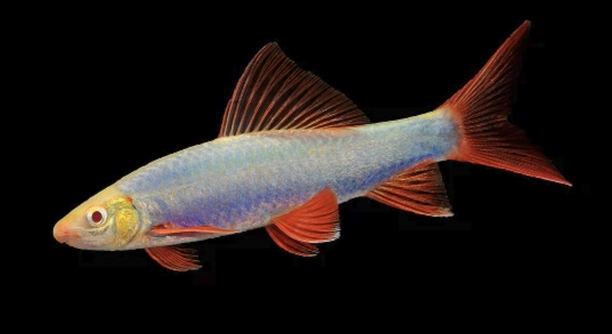
Is your rainbow shark spending more time near the surface or hiding in one corner of the tank with little movement? These subtle changes can sometimes be signs of breathing trouble, which may need quick attention to prevent serious issues.
Breathing problems in rainbow sharks are often caused by poor water quality, low oxygen levels, illness, or high stress. Identifying the signs early and making proper adjustments can significantly improve your fish’s health and tank conditions.
Knowing what to look for can make a big difference in your rainbow shark’s well-being and help you maintain a healthier aquarium.
Gasping at the Surface
When a rainbow shark starts gasping at the surface, it’s often a sign that there isn’t enough oxygen in the water. These fish typically stay near the bottom or middle of the tank, so seeing them at the top can signal a problem. Low oxygen levels may be caused by high water temperatures, poor filtration, or overcrowding. A tank with limited water movement will also struggle to keep oxygen levels stable. Ensuring your filter is working well and adding an air stone can help improve the flow. Regular water testing is also important to make sure ammonia, nitrite, and nitrate levels aren’t too high. These toxins can stress your fish and impact their breathing. Keep in mind that surface gasping is not normal behavior for a rainbow shark. If it continues after making adjustments, it may be time to check for illness or consult an aquarium expert.
This sign usually shows up early when water conditions aren’t right.
Proper water movement and oxygenation can help prevent this issue from getting worse. Be sure to make changes slowly to avoid further stress on your fish. Keeping your tank lightly stocked and performing regular water changes can support better breathing conditions and help your rainbow shark return to its usual activity.
Rapid Gill Movement
If your rainbow shark’s gills are moving quickly even when it’s resting, that’s a strong sign of respiratory stress.
Fast gill movement often means the fish is working harder to breathe. Poor water quality, high ammonia or nitrite levels, and low oxygen are common triggers. Use a test kit to check the water immediately. Perform a partial water change if levels are off. Make sure your filter is clean and working efficiently. Sometimes, too much food or decaying plants can lead to oxygen depletion or spikes in waste. Clean out excess debris and avoid overfeeding. Temperature also plays a role — warmer water holds less oxygen, so use a thermometer to ensure it stays within a healthy range (usually 75–81°F for rainbow sharks). You might also notice the fish becomes more skittish or hides more often when breathing is difficult. These changes are not just behavioral—they’re physical responses to stress. Taking action quickly can ease the pressure on your shark’s gills and restore healthier conditions.
Staying in One Spot
When a rainbow shark stays in one place for a long time, especially near the bottom or corner of the tank, it could be struggling to breathe. Lack of movement often means it’s conserving energy due to stress or discomfort.
A healthy rainbow shark is usually active and territorial, swimming across the tank and occasionally chasing other fish. But when breathing becomes difficult, energy levels drop. Staying in one spot helps the fish use less oxygen and avoid exertion. This can be caused by poor water quality, stress from aggressive tankmates, or illness. Check for changes in gill color or body movement while it’s resting. Also observe whether it reacts to food or nearby movement. These details can help you figure out if the behavior is related to breathing or another issue. The sooner you act, the better the chance of helping your fish recover.
Water conditions should always be your first focus when you notice inactivity. Use a reliable test kit and check for ammonia, nitrites, nitrates, and pH. Even slight imbalances can make breathing more difficult. Add an air stone or increase surface agitation to help oxygen levels. Avoid overcrowding and make sure your shark has space to move. A quiet, stable environment can help reduce stress and improve breathing.
Flaring Gills
When your rainbow shark frequently flares its gills, it may be reacting to irritation or struggling to take in more oxygen. This movement usually isn’t aggressive—it’s often tied to water conditions or internal discomfort rather than territorial behavior.
Gill flaring might happen after a water change or during high-stress situations. But if it happens often and comes with other signs like reduced activity or fast breathing, something in the tank may be off. Poor water quality or chemical irritants are common causes. If ammonia or nitrite levels are elevated, the gills become inflamed and breathing gets harder. Flaring is the fish’s way of trying to move more water across the gills. Parasites or infections can also cause irritation. Look closely for spots, swelling, or color changes on the gills. If you’re unsure, isolating the fish and consulting a vet or experienced aquarist can help guide treatment and improve its condition.
Loss of Appetite
If your rainbow shark stops eating or only nibbles at food before losing interest, it may be struggling to breathe. Eating requires energy and effort, and when breathing is hard, your fish may avoid the extra strain altogether.
Loss of appetite can happen suddenly or slowly over time. If water conditions are poor, your fish may feel stressed or sick, making feeding uncomfortable. Watch for leftover food, which can foul the water and make breathing even harder. Keep feeding small portions and monitor behavior closely.
Pale or Discolored Gills
Gills that look pale, grayish, or unusually red can be signs of oxygen issues or disease. Healthy gills are usually a rich red color, indicating good blood flow and oxygen levels. If the color fades or darkens, check water quality and temperature right away.
Erratic Swimming
Erratic swimming—like darting, rolling, or bumping into things—can signal stress from low oxygen or poor water quality. This kind of movement isn’t typical for a calm, healthy rainbow shark and often means it’s reacting to discomfort or struggling to breathe.
FAQ
What causes breathing problems in rainbow sharks?
Breathing problems are often caused by poor water quality, low oxygen levels, high temperatures, or illness. Ammonia and nitrite buildup from waste can damage gills, making it harder for the fish to absorb oxygen. Stress from aggressive tankmates or overcrowding can also affect breathing.
How can I improve oxygen levels in my tank?
Increase water movement using a filter, air stone, or bubbler to help oxygenate the water. Regular water changes and keeping the tank clean also prevent oxygen depletion. Avoid overcrowding and make sure the water temperature stays within the ideal range (75–81°F).
Why is my rainbow shark gasping at the surface?
Gasping at the surface usually means the fish is trying to get more oxygen. This often happens when oxygen levels are low in the tank, so check water quality and improve aeration immediately.
Can temperature affect my fish’s breathing?
Yes. Warmer water holds less oxygen, which can stress your rainbow shark. Keeping the temperature steady and within the recommended range helps maintain healthy oxygen levels. Use a reliable heater and thermometer.
How do I know if my fish is sick or just stressed?
Signs of illness include pale gills, clamped fins, loss of appetite, and erratic swimming. Stress might show as hiding or staying still. Testing water quality and observing behavior over time will help you decide if medical treatment or tank changes are needed.
What should I do if my rainbow shark is breathing heavily?
Check the water parameters first. Perform a partial water change and improve aeration. Remove any dead plants or uneaten food to reduce waste buildup. If the problem persists, consider isolating the fish to monitor symptoms and consult a specialist.
Can poor diet cause breathing issues?
A poor diet itself rarely causes breathing problems directly, but malnutrition weakens the immune system. This makes the fish more vulnerable to infections that can affect breathing. Feed a balanced diet and avoid overfeeding to keep your rainbow shark healthy.
How often should I test my aquarium water?
Testing weekly is a good routine, especially if you notice changes in your fish’s behavior. Frequent checks help catch issues early before they become serious breathing problems.
Is it normal for rainbow sharks to flare their gills?
Some gill movement is normal, but frequent or extended flaring often signals irritation or low oxygen. Watch for other signs and test water quality to find the cause.
Can tank mates cause breathing stress?
Yes. Aggressive or overly active tankmates can stress your rainbow shark, causing faster breathing and hiding. Choose peaceful fish and provide enough space to reduce stress.
When should I seek professional help?
If water conditions are good but your rainbow shark still struggles to breathe, or if symptoms like swelling, discoloration, or lethargy worsen, consult a vet or experienced aquarist for diagnosis and treatment.
When you care for a rainbow shark, watching for signs of breathing trouble is very important. These fish rely on clean, well-oxygenated water to stay healthy. If you notice changes like gasping at the surface, fast gill movement, or staying still in one spot, these are early warnings that your fish may be struggling. Acting quickly by checking water quality and tank conditions can prevent more serious problems. Small adjustments, like improving filtration or doing a water change, often help your fish breathe easier and feel better.
It is also important to keep your rainbow shark’s environment stable and comfortable. Maintaining the right water temperature, avoiding overcrowding, and feeding a balanced diet are key parts of good care. Stress from other tankmates or sudden changes in the tank can affect your fish’s breathing and overall health. Keep an eye on your fish’s behavior and gill appearance regularly. Early detection of any problem can lead to better results and reduce the risk of illness or death. Remember, a healthy tank makes for a healthy fish.
Lastly, don’t hesitate to ask for help if you are unsure. Aquarium care can be complex, and sometimes problems require advice from experienced hobbyists or professionals. If your rainbow shark continues to show signs of trouble even after you improve water quality and tank conditions, a vet or fish specialist can provide guidance and treatment options. Taking these steps will help ensure your rainbow shark lives a longer, healthier life and stays a beautiful part of your aquarium.

Hello,
If you enjoy the content that we create, please consider saying a "Thank You!" by leaving a tip.
Every little bit helps us continue crafting quality advice that supports the health, happiness, and well-being of pets around the world, for pets of all shapes, sizes, and species.
We really appreciate the kindness and support that you show us!