
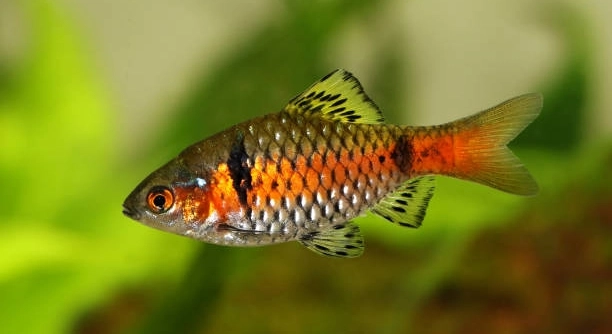
Rosy barbs are popular freshwater fish known for their vibrant colors and active behavior. Many aquarists enjoy keeping them in community tanks for their lively presence. However, some tank mates may not get along well with rosy barbs.
Certain fish species display aggressive or competitive behaviors that can stress or harm rosy barbs. These include larger, territorial fish and those prone to fin-nipping or bullying. Understanding which species pose a threat is crucial for maintaining a peaceful aquarium.
Learning about these less obvious tank enemies can help you create a healthier environment for your rosy barbs and avoid common issues in community setups.
Aggressive Tank Mates to Avoid
Some fish are naturally aggressive and do not mix well with rosy barbs. Species like tiger barbs, certain cichlids, and larger aggressive fish tend to chase and nip at smaller or more peaceful fish. Rosy barbs are active but can become stressed when constantly targeted. Stress can weaken their immune system, making them vulnerable to disease. It is important to carefully select tank mates that have similar temperaments and sizes. Avoid overcrowding, as limited space can increase aggression. Providing hiding places and plants can help reduce tension. Monitoring interactions between fish regularly allows early intervention if aggression arises. Creating a balanced community tank requires attention to compatibility, tank size, and environmental enrichment.
Aggressive fish can dominate and harm rosy barbs, making peaceful tank mates essential for their well-being.
Understanding these aggressive behaviors helps prevent common problems and supports a calm environment for your barbs to thrive.
Fin-Nipping Species
Fin-nipping is a frequent issue in community tanks, especially with species like tiger barbs or some danios. These fish nip at the fins of slow-moving or long-finned tank mates, causing damage and stress. Rosy barbs, with their flowing fins, can be prime targets. Persistent fin-nipping can lead to infections and slower healing. While some barbs may tolerate minor nips, repeated attacks reduce their overall health and appearance. Observing tank dynamics and removing fin-nippers when necessary keeps your tank peaceful. Adding fast-swimming species that can handle themselves or providing plenty of space helps minimize this behavior. Fin health is crucial for swimming efficiency and comfort.
Choosing species that do not nip fins or aggressively chase others creates a safer environment. Monitoring and managing fin-nipping behavior improves your tank’s harmony and fish health.
Large Predatory Fish
Large predatory fish often see rosy barbs as prey. Species such as oscars, large catfish, or arowanas will hunt smaller, active fish like rosy barbs. Keeping them together leads to constant stress or loss of barbs.
Tank size plays a role in compatibility. In small tanks, the risk of predation increases because barbs cannot escape easily. Large predators also create a tense environment that reduces feeding and natural behaviors. Even if no barbs are eaten, the constant threat impacts their health. It is best to avoid mixing large predators with rosy barbs to prevent unnecessary stress and casualties.
When considering tank mates, size and temperament must be prioritized. Large fish with hunting instincts are not suitable companions for active but smaller barbs. Keeping rosy barbs safe promotes their well-being and longevity.
Territorial Fish
Territorial fish defend their space aggressively, which disrupts peaceful tank life. Fish like some cichlids establish territories and chase others away, including rosy barbs. This behavior causes stress and injuries.
Territorial species demand significant space to reduce conflicts. In smaller tanks, the limited area forces constant confrontations. Rosy barbs may be chased or harassed when trying to swim through these territories. Their active nature means they frequently cross boundaries, increasing tension. Providing ample hiding spots and breaks between territories can help, but some territorial fish remain persistently aggressive. This results in stress-related health problems or fin damage for barbs.
Managing tank layout and choosing less territorial species improves community harmony. Avoiding territorial fish or ensuring a very large tank with plenty of structure keeps rosy barbs comfortable and reduces aggressive incidents.
Overcrowded Tanks
Overcrowding increases stress and aggression among all fish, including rosy barbs. Limited space reduces hiding spots and forces constant encounters, leading to conflicts.
High fish density also worsens water quality quickly, affecting health. Maintaining proper stocking levels ensures a peaceful, healthy environment for your barbs.
Slow-Moving or Long-Finned Fish
Slow-moving or long-finned fish attract fin-nippers like rosy barbs and others. Their slow pace and large fins make them easy targets, resulting in damaged fins and stress.
To prevent injuries, it’s better to avoid mixing rosy barbs with such species or ensure the tank is spacious with plenty of hiding spots.
Aggressive Bottom Dwellers
Some bottom-dwelling fish are territorial and aggressive toward other tank inhabitants, including rosy barbs. Species like certain loaches or corydoras may compete for space and food aggressively.
Monitoring interactions and tank conditions helps reduce conflicts with these bottom dwellers and keeps your tank balanced.
FAQ
What fish should not be kept with rosy barbs?
Fish that are aggressive, territorial, or large predators should be avoided. Examples include tiger barbs, oscars, and certain cichlids. These species either nip at rosy barbs’ fins or see them as prey. Slow-moving or long-finned fish also do poorly with rosy barbs because of fin-nipping. Overcrowded tanks can increase aggression, so stocking levels matter.
How can I tell if my tank mates are stressing my rosy barbs?
Signs of stress include torn fins, hiding, loss of appetite, and erratic swimming. Rosy barbs may also become less active or show faded colors. If you notice these signs, observe interactions closely. Aggressive chasing or fin-nipping is usually the cause. Adjusting tank mates or adding plants and hiding places can help.
Can rosy barbs live with other barb species?
Generally, yes, but care is needed. Some barb species like tiger barbs can be aggressive fin-nippers and cause stress. Smaller or more peaceful barbs tend to be better companions. Always ensure tank size is adequate and watch for aggressive behavior. Keeping barbs in groups of similar temperament reduces conflict.
What tank size is suitable for rosy barbs and their companions?
Rosy barbs are active swimmers and need at least a 30-gallon tank. Larger tanks reduce aggression by providing space for territories and escape routes. Overcrowding should be avoided to prevent stress. Providing plants and decorations also helps create hiding spots and breaks in line of sight, calming the fish.
How do I prevent fin-nipping in a community tank with rosy barbs?
Avoid aggressive fin-nippers like tiger barbs or danios that target slow-moving fish. Providing plenty of space and hiding places reduces stress and chasing behavior. Keeping a balanced number of fish, not overcrowding, and maintaining good water quality are also important. Removing persistent fin-nippers may be necessary.
Are rosy barbs aggressive themselves?
Rosy barbs are semi-aggressive. They may nip fins, especially if kept alone or in small groups. Keeping them in groups of six or more reduces aggression within their own species and towards others. A well-planned community tank with compatible species minimizes their semi-aggressive tendencies.
What are signs of compatibility issues in a mixed tank?
Frequent chasing, damaged fins, hiding fish, and poor health indicate compatibility problems. Aggressive or territorial behavior causes stress for shy species like rosy barbs. Monitoring fish behavior regularly allows early changes to tank composition before serious harm occurs.
Can I mix rosy barbs with bottom-dwelling fish?
Yes, many bottom dwellers like corydoras catfish or small loaches can cohabit peacefully with rosy barbs. Avoid aggressive bottom dwellers that defend territory aggressively. Ensuring enough space and hiding spots helps prevent competition for food or space between species occupying different tank levels.
What water conditions do rosy barbs prefer?
Rosy barbs thrive in water temperatures between 64-72°F (18-22°C) with neutral to slightly alkaline pH (6.5-7.5). Stable water parameters reduce stress and susceptibility to disease. Proper filtration and regular water changes maintain a healthy environment, especially important in community tanks.
How do I introduce new fish to a rosy barb tank?
Add new fish slowly and monitor their interactions. Quarantine new arrivals to prevent disease spread. Introduce fish during feeding times to distract aggression. Rearranging tank decorations before adding new fish breaks established territories and reduces territorial aggression.
These answers help maintain a calm and healthy tank environment for rosy barbs and their tank mates. Proper care and careful selection of companions are key to success.
Rosy barbs are lively and colorful fish that add vibrancy to any freshwater aquarium. However, keeping them with the right tank mates is important to ensure a peaceful environment. Choosing incompatible fish can lead to stress, aggression, and health problems for your barbs. Many common fish may seem like good companions but can cause unexpected issues like fin-nipping, chasing, or territorial behavior. Understanding the needs and temperaments of both rosy barbs and their potential tank mates helps avoid these problems.
Stress is one of the biggest concerns when mixing fish species. Rosy barbs can become anxious if other fish are aggressive, overly territorial, or much larger in size. Stress weakens their immune system and makes them vulnerable to disease. Fin-nipping is another common problem caused by incompatible species. Fish with a tendency to nip fins, such as tiger barbs or some danios, can damage the delicate fins of rosy barbs, causing pain and infection. Overcrowding and poor water quality also contribute to stress and illness. It is essential to provide enough space, hiding spots, and clean water to promote healthy behavior.
Keeping rosy barbs with peaceful, similarly sized fish reduces the risk of conflict. Bottom dwellers like corydoras catfish or small loaches often coexist well with rosy barbs because they occupy different areas of the tank. Avoiding large predatory fish and aggressive species helps protect the barbs from harm. Regularly observing your aquarium allows you to spot early signs of stress or aggression. Taking prompt action by rearranging the tank, adding hiding places, or changing tank mates can improve the situation. With careful planning and attention to fish behavior, you can create a balanced and thriving community tank that supports the health and happiness of your rosy barbs.

Hello,
If you enjoy the content that we create, please consider saying a "Thank You!" by leaving a tip.
Every little bit helps us continue crafting quality advice that supports the health, happiness, and well-being of pets around the world, for pets of all shapes, sizes, and species.
We really appreciate the kindness and support that you show us!