
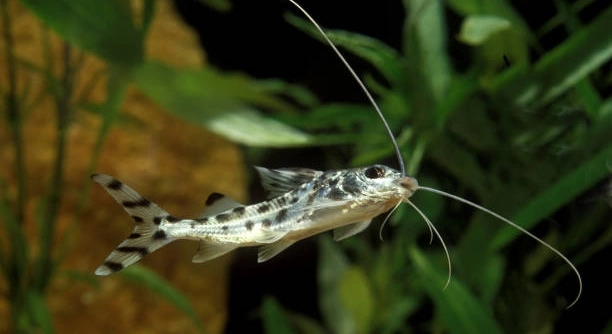
Introducing a new Pictus catfish to your aquarium requires careful steps to ensure the fish’s safety and comfort. Proper acclimation and tank preparation are essential for minimizing stress and promoting healthy adjustment to its new environment. Taking time with this process benefits both the fish and your aquarium’s balance.
The safest way to introduce a Pictus catfish is through gradual acclimation, which involves slowly adjusting the fish to the water conditions and temperature of the tank. This process reduces shock and increases the chances of successful adaptation and survival.
Following these guidelines will help you provide a smooth transition for your new catfish, encouraging a healthy and peaceful aquarium environment.
Preparing the Aquarium for Your Pictus Catfish
Before introducing your new Pictus catfish, the aquarium must be properly set up. These fish need plenty of space and hiding spots, so adding decorations like caves or plants is important. The tank should be well-cycled, with stable water parameters, especially temperature and pH. Ideal water temperature ranges between 74 and 79°F (23–26°C), and the pH should be slightly acidic to neutral, around 6.5 to 7.5. Regular filtration and gentle water flow are necessary to keep the environment clean without stressing the fish. Make sure to test the water for ammonia, nitrite, and nitrate levels to confirm it is safe. Finally, keep the tank lighting moderate since Pictus catfish prefer dimmer conditions, which help them feel secure and more active during feeding times.
Setting up a suitable tank environment reduces stress and helps your catfish settle in faster. Taking these steps supports their health and wellbeing from day one.
Proper preparation of the tank ensures your Pictus catfish will adapt comfortably. Including natural hiding places and maintaining consistent water quality keeps the fish safe. Over time, a well-prepared aquarium promotes normal behavior and reduces risks of illness. Avoid sudden changes in water conditions as they can cause shock. Remember, these fish are nocturnal and appreciate subdued lighting during the day. Feeding them a balanced diet and observing their activity levels completes good care. Following these guidelines will help your catfish thrive in their new home.
Acclimating Your New Pictus Catfish
Acclimation is key for a smooth introduction.
Slowly adjusting the catfish to the new water conditions prevents shock. Begin by floating the sealed bag in the aquarium for 15–20 minutes to match the temperature. Then gradually mix small amounts of tank water into the bag over an hour. Finally, gently release the fish into the tank without adding the bag water to avoid contamination.
Proper acclimation helps reduce stress, which is critical for the fish’s health. Rushing this step can lead to illness or death. Patience during this phase allows your Pictus catfish to adjust naturally, increasing its chances of long-term survival. Regular observation in the following days is important to catch any signs of distress early. If needed, isolate the fish in a quarantine tank for additional monitoring. This method also helps protect other tank inhabitants from potential diseases. Overall, acclimation is a small effort that results in a safer, healthier transition.
Feeding Your Pictus Catfish
Pictus catfish prefer a varied diet of sinking pellets, frozen foods, and live treats. Feeding them once or twice daily is best to prevent overfeeding and maintain water quality.
A balanced diet supports their health and natural behavior. Sinking pellets provide essential nutrients and help mimic their bottom-feeding habits. Supplement their meals with frozen bloodworms, brine shrimp, or daphnia to add protein and variety. Occasionally offering live foods encourages their hunting instincts, but ensure the live food is from a safe source to avoid parasites. Avoid feeding floating flakes as Pictus catfish tend to feed near the bottom. Monitoring their eating habits can also indicate health status; a decrease in appetite may signal stress or illness.
Maintaining good feeding practices reduces waste and keeps the tank clean. It also prevents aggressive competition for food from other fish. Offering food at consistent times helps your catfish settle into a routine, supporting overall well-being. Avoid sudden changes in diet, as Pictus catfish can be sensitive. Ensuring a nutritious and varied diet will keep your catfish active and healthy.
Monitoring Behavior and Health
Regular observation of your catfish’s behavior is essential. Look for signs of stress, illness, or injury to address problems early.
Changes in swimming patterns, hiding more than usual, or loss of appetite often indicate stress or health issues. White spots, faded colors, or damaged fins can suggest infections or parasites. It is important to isolate sick fish promptly to prevent spreading disease. Keep the tank clean and maintain stable water conditions to reduce health risks. Stress can also result from aggressive tank mates or inadequate hiding spaces. By paying close attention, you can detect early warning signs and act quickly to provide treatment or adjust the environment, ensuring your Pictus catfish remains healthy and comfortable.
Tank Mates for Pictus Catfish
Choose peaceful tank mates that won’t bully or compete aggressively with your Pictus catfish. Avoid very small or slow-moving fish that might be harassed.
Ideal companions include medium-sized schooling fish, peaceful bottom dwellers, and non-aggressive species that share similar water requirements.
Cleaning and Maintenance
Regular tank maintenance is essential to keep the environment healthy. Perform partial water changes weekly and clean filters monthly to maintain water quality.
Signs of Stress in Pictus Catfish
Stress signs include hiding excessively, erratic swimming, and loss of appetite. These symptoms suggest changes are needed in tank conditions or care.
Quarantine for New Fish
Always quarantine new fish before introducing them to the main tank to prevent spreading diseases. A 2–4 week quarantine period is recommended.
FAQ
How often should I feed my Pictus catfish?
Feeding once or twice a day is sufficient. Overfeeding can pollute the tank and harm the fish. Offer only what the catfish can consume in a few minutes to avoid leftover food decay.
Can Pictus catfish live with other fish?
Yes, they do well with peaceful tank mates that are similar in size. Avoid very small or aggressive fish, as Pictus catfish can be active and may stress smaller or slow-moving species.
What water temperature is best for Pictus catfish?
Maintain the water temperature between 74°F and 79°F (23°C to 26°C). This range supports their metabolism and immune system. Sudden temperature changes should be avoided as they cause stress.
How do I acclimate a new Pictus catfish?
Float the sealed bag in your tank for 15 to 20 minutes to match temperature. Gradually add small amounts of tank water into the bag over an hour before gently releasing the fish into the tank without adding bag water.
What are common signs of stress in Pictus catfish?
Signs include hiding more than usual, erratic swimming, loss of appetite, faded colors, and damaged fins. These symptoms may indicate poor water quality, illness, or incompatible tank mates.
How often should I clean the tank?
Perform weekly partial water changes of 20-30% and clean filters monthly. Maintaining water quality is critical to avoid stress and disease in your catfish.
Why is my Pictus catfish hiding all the time?
Pictus catfish are naturally shy and nocturnal, so some hiding is normal. However, excessive hiding can signal stress, poor water conditions, or illness. Check water parameters and tank environment to ensure it meets their needs.
Can I keep more than one Pictus catfish?
Yes, keeping multiple Pictus catfish can work well if the tank is large enough. They are social fish and often do better with a small group, but avoid overcrowding to reduce stress.
What should I do if my Pictus catfish gets sick?
Isolate the fish in a quarantine tank to prevent spreading disease. Test water parameters and perform water changes. Consult a vet or aquarium specialist for appropriate medication based on symptoms.
Is it necessary to quarantine new fish?
Quarantining new fish for 2 to 4 weeks before adding them to your main tank helps prevent disease introduction. This step is important for the health of all aquarium inhabitants.
What kind of diet is best for Pictus catfish?
A diet including sinking pellets, frozen bloodworms, brine shrimp, and occasional live food is ideal. This variety provides necessary nutrients and mimics their natural feeding habits. Avoid overfeeding to maintain tank cleanliness.
How do I maintain water quality for my Pictus catfish?
Test water regularly for ammonia, nitrite, nitrate, and pH levels. Perform consistent partial water changes and avoid overcrowding. Proper filtration and gentle water flow also support healthy water conditions.
Do Pictus catfish need special lighting?
They prefer dimmer lighting because they are nocturnal and shy. Bright lights can cause stress, so use subdued lighting or provide plenty of hiding spots to create shaded areas in the tank.
Can Pictus catfish jump out of the tank?
Yes, they can jump, especially if startled or if water quality is poor. A secure tank lid is necessary to prevent escapes and protect your fish.
How large do Pictus catfish grow?
They typically grow up to 5 to 6 inches in captivity. Adequate tank size and diet contribute to healthy growth. Providing enough space is essential for their wellbeing.
Final Thoughts
Introducing a new Pictus catfish to your aquarium requires patience and proper preparation. Taking the time to set up the tank correctly, with stable water conditions and appropriate hiding spots, helps reduce stress for the fish. Gradual acclimation is essential to allow your catfish to adjust safely to its new environment. Rushing this process can lead to health problems or even death. Following recommended steps ensures your catfish has a smoother transition and better chances of thriving in your care.
Feeding your Pictus catfish a varied and balanced diet is important for its long-term health. Offering sinking pellets alongside frozen or live foods helps meet their nutritional needs while encouraging natural behaviors. It is important to avoid overfeeding, which can harm water quality and cause health issues. Keeping a regular feeding schedule supports a healthy routine for the fish and the entire tank ecosystem. Monitoring your catfish’s eating habits and behavior provides clues about their wellbeing, making it easier to respond to any concerns early.
Regular maintenance and observation play a critical role in caring for your Pictus catfish. Performing partial water changes and cleaning filters keeps the tank environment clean and stable. Watching for signs of stress or illness allows you to act quickly, reducing the risk of serious problems. Selecting compatible tank mates and ensuring enough space prevents aggression and competition for resources. By paying close attention and maintaining proper care, you create an environment where your Pictus catfish can live a healthy and peaceful life.

Hello,
If you enjoy the content that we create, please consider saying a "Thank You!" by leaving a tip.
Every little bit helps us continue crafting quality advice that supports the health, happiness, and well-being of pets around the world, for pets of all shapes, sizes, and species.
We really appreciate the kindness and support that you show us!