
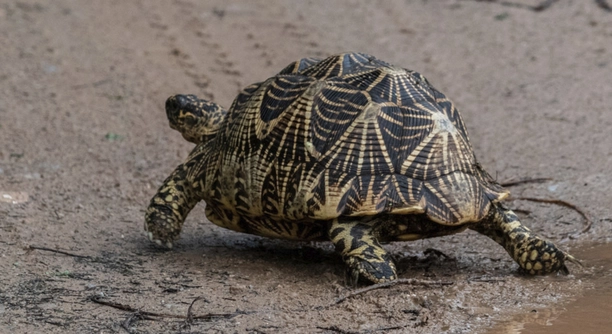
Dehydration is a common issue for pet star tortoises, and recognizing the signs early is key to their health. It’s important to monitor their habits and environment to ensure they stay hydrated.
Star tortoises show signs of dehydration through various behaviors, such as reduced activity, dry skin, or sunken eyes. Keeping track of these symptoms can help prevent serious health issues and ensure your tortoise gets the proper care it needs.
Understanding dehydration signs and how to fix them can make a significant difference in your tortoise’s well-being. By following simple steps, you can prevent long-term health problems and keep your pet happy and hydrated.
1. Signs Your Star Tortoise is Dehydrated
If your star tortoise isn’t getting enough water, it may show certain behaviors that hint at dehydration. One of the first signs is a lack of appetite. When your tortoise is not eating, it’s usually because it feels weak or uncomfortable. Dehydration can also cause lethargy, making your tortoise less active than usual. You may notice your tortoise spending more time in one spot, not moving around much. Another common sign is dry, wrinkled skin. If you gently press on their skin and it doesn’t bounce back, dehydration is likely.
The eyes of a dehydrated tortoise can also become sunken or dull, making them appear unhealthy. If your tortoise looks like it’s not as alert or doesn’t respond to your presence, this is a major red flag.
It’s important to regularly check your tortoise’s environment and hydration levels. Keeping a consistent routine with food, water, and humidity control will ensure your pet doesn’t become dehydrated. Monitoring their behavior closely will help catch issues before they become severe. Prevention is always better than treatment when it comes to dehydration.
2. The Importance of Hydration for Star Tortoises
Hydration is essential for star tortoises to function properly. Without enough water, their organs cannot work as they should. Dehydration affects their digestion, mobility, and overall health. A hydrated tortoise will have better energy levels and a healthier appearance.
To keep your star tortoise healthy, make sure they always have access to fresh water. You should also consider adding a shallow water dish to their habitat, where they can easily drink or soak. Regular soaking helps maintain their hydration levels and supports their natural behavior.
It’s also vital to create the right environment. A dry, hot habitat can lead to dehydration more quickly. Maintaining proper humidity levels and ensuring your tortoise has access to shade will help regulate their body temperature and keep them hydrated. Always monitor their water intake and take steps to adjust their habitat if needed. A little attention goes a long way in ensuring your star tortoise stays healthy and hydrated.
3. How to Hydrate Your Star Tortoise
To help your star tortoise rehydrate, start by offering fresh water in a shallow dish. Ensure it’s clean and accessible. Soaking your tortoise in warm water for about 20 minutes can encourage them to drink and absorb moisture through their skin.
You can also offer food high in water content, like leafy greens or succulent fruits. This can be a good supplement to their regular diet and helps them stay hydrated. Make sure the food is safe for tortoises and doesn’t contain harmful ingredients. A balanced diet with plenty of hydrating options will keep your tortoise healthier.
If your tortoise refuses to drink water, consider gently dripping water on its nose to encourage licking. Some tortoises may need time to get used to the idea. You can also increase the humidity in their habitat by misting or using a humidifier. It creates a more comfortable environment, making it easier for your tortoise to stay hydrated.
4. Adjusting the Environment for Proper Hydration
The right environment plays a crucial role in preventing dehydration. Keep the temperature in your tortoise’s habitat stable, as extreme heat can increase the chances of dehydration. Aim for a basking area of 90°F (32°C) and a cooler side of 75°F (24°C) to create a balanced temperature gradient.
Humidity is also important. Star tortoises need a slightly humid environment to stay hydrated. You can achieve this by adding a shallow water dish, soaking your tortoise, or misting the enclosure a few times a week. A well-maintained habitat reduces the risk of dehydration and supports your tortoise’s overall health.
Ensure that your tortoise’s habitat has enough hiding spots and shade to protect it from excessive heat. If your tortoise is kept outdoors, avoid placing its enclosure in direct sunlight for long periods. All these adjustments can help your pet stay hydrated and comfortable.
5. Signs Dehydration is Becoming Serious
When dehydration becomes severe, your star tortoise might show signs like sunken eyes, dry or cracked skin, and a lack of coordination. These symptoms mean that their body is struggling to function properly. Immediate attention is needed at this stage.
Severe dehydration can lead to more serious health problems like organ failure. If your tortoise becomes unresponsive or unable to move normally, it’s time to consult a vet. Prompt treatment is crucial to avoid long-term damage. Don’t wait for the condition to worsen.
6. The Role of a Vet in Treating Dehydration
A vet can provide immediate care when your tortoise is severely dehydrated. They may recommend subcutaneous fluids, which are given under the skin to help rehydrate quickly. In some cases, oral rehydration solutions might be prescribed.
Your vet can also check for underlying health problems that may be contributing to the dehydration. Infections or parasites, for instance, can make it harder for your tortoise to stay hydrated. Regular vet check-ups help catch any issues early and provide peace of mind.
FAQ
How can I tell if my star tortoise is drinking enough water?
It’s not always easy to tell if your star tortoise is drinking enough water. One way to check is by observing its behavior. If your tortoise is active, alert, and eating regularly, it’s likely getting enough hydration. A hydrated tortoise usually has clear, bright eyes and smooth, pliable skin. If the skin seems wrinkled or you notice any changes in behavior like lethargy or a lack of appetite, dehydration could be the issue.
If your tortoise is not drinking from its water dish, try placing it in shallow water to see if it soaks or drinks from the bowl. Some tortoises may need extra encouragement, such as gently dripping water near their nose or offering moist foods.
How often should I soak my star tortoise?
Soaking your star tortoise once or twice a week is generally sufficient. You can place it in shallow, warm water for about 15-20 minutes to allow it to absorb moisture. However, if you notice signs of dehydration or your tortoise is not drinking enough, you may need to soak it more frequently.
In addition to regular soaking, always ensure your tortoise has access to fresh water in its enclosure. If you have a particularly dry environment, increasing humidity levels or adding a water dish may also encourage your tortoise to drink more on its own.
Can I use a humidifier for my star tortoise’s habitat?
Yes, using a humidifier can be helpful in maintaining the right level of humidity for your star tortoise. It is essential to have a slightly humid environment to prevent dehydration and promote overall health. A humidifier can help maintain the proper moisture levels, especially in drier climates or during the winter months when indoor air tends to be drier.
Keep the humidity level around 50-60% in the enclosure. You can also mist the habitat occasionally to ensure the air stays properly humidified. Just be careful not to overdo it, as excessive moisture can lead to other issues, such as mold growth.
What type of water should I give my star tortoise?
Always offer clean, fresh water for your star tortoise. Tap water is typically fine, but if you live in an area with hard water or chemicals like chlorine, it’s a good idea to use filtered or dechlorinated water. You can let tap water sit for 24 hours to allow the chlorine to dissipate.
Avoid offering sugary or flavored water. Stick to water that is neutral and free from any additives that could harm your tortoise’s health. Regularly change the water to prevent any bacteria buildup.
Can star tortoises survive without water for a few days?
Star tortoises are relatively resilient, but they still need water to stay healthy. They can survive without water for a few days, especially if they are kept in dry conditions, but this will not be ideal for their long-term well-being. Lack of hydration can lead to dehydration, which can cause a range of health problems.
If your tortoise doesn’t have access to water for a few days, monitor it closely for signs of dehydration. It’s best to maintain a regular hydration routine and ensure your tortoise has water available at all times.
How do I help a dehydrated star tortoise recover?
If your star tortoise is dehydrated, the first step is to offer it fresh water and soak it in warm water for about 15-20 minutes. This helps with rehydration and can encourage your tortoise to drink. If your tortoise is severely dehydrated, you may need to consult a vet who can administer fluids subcutaneously.
To prevent future dehydration, ensure that your tortoise’s habitat has the right temperature and humidity levels. Providing hydrating foods like leafy greens or high-water fruits can also help maintain hydration.
Is it okay for my star tortoise to drink from a shallow pond or pool?
If your star tortoise has access to a shallow pond or pool, it can drink from it, but make sure the water is clean and safe. The water should not contain any harmful chemicals, such as chlorine or algae. Be sure the water is shallow enough that your tortoise can easily get in and out without risk of drowning.
While outdoor soaking can be beneficial, always supervise your tortoise around water. It’s best to offer water in a controlled environment, like a clean water dish, to ensure its safety and health.
How can I tell if my tortoise’s shell is drying out?
A healthy star tortoise’s shell should feel smooth and firm, not brittle or cracked. If the shell feels dry or rough, it may indicate dehydration or inadequate humidity in its environment. This can lead to shell deformities over time, so it’s important to address the issue quickly.
To prevent a dry shell, make sure your tortoise’s habitat is properly humidified and that it has access to water regularly. Also, avoid exposing it to extreme heat for prolonged periods. Regular soaking and hydration will keep the shell healthy and moisturized.
Final Thoughts
Dehydration in star tortoises can lead to serious health issues if not addressed. It’s essential to monitor their water intake and keep their environment at the right humidity and temperature levels. A simple habit of soaking your tortoise regularly and providing fresh water in their habitat can prevent dehydration. Keeping an eye on signs like lethargy, dry skin, or sunken eyes will help you catch dehydration early before it becomes a bigger problem.
Taking care of a star tortoise requires consistency and attention to detail. While they are hardy creatures, they still rely on their owners to provide a proper environment. Along with hydration, maintaining the right temperature and humidity is crucial for their overall well-being. You can make small changes, like using a humidifier or misting their habitat, to help them stay hydrated. Offering fresh, water-rich food like leafy greens can also be an easy way to support their hydration.
Finally, it’s important to remember that if dehydration becomes severe, it can have lasting effects on your tortoise’s health. In these cases, seeking veterinary care is necessary. Regular vet check-ups can ensure your tortoise stays healthy, and catching any issues early can prevent bigger problems down the road. With the right care, your star tortoise can live a long and healthy life, free from the risks of dehydration.

Hello,
If you enjoy the content that we create, please consider saying a "Thank You!" by leaving a tip.
Every little bit helps us continue crafting quality advice that supports the health, happiness, and well-being of pets around the world, for pets of all shapes, sizes, and species.
We really appreciate the kindness and support that you show us!