
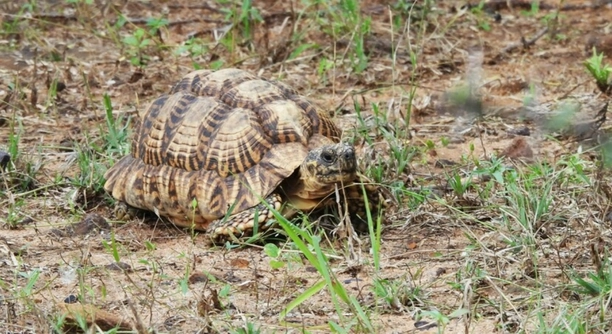
Star tortoises are fascinating creatures, but sometimes their behaviors can leave you wondering what’s going on. If your tortoise is climbing the walls, it’s likely a sign of something happening in its environment.
The most common reasons for a star tortoise climbing the walls include a desire for more space, seeking a cooler environment, or being stressed. It’s important to assess its habitat and make sure it’s suited to its needs.
Understanding the root cause of this behavior will help you create a better home for your tortoise and ensure its well-being.
Why Your Star Tortoise Might Be Climbing
Star tortoises are known for their calm and slow-moving nature, but it can be surprising when they start climbing walls. This behavior may indicate that they are feeling confined, stressed, or uncomfortable in their environment. These tortoises are naturally curious, and their climbing attempts could be a way to escape or find a better spot to rest. It’s crucial to observe your tortoise closely to figure out if they need more space, enrichment, or changes to their habitat.
In some cases, star tortoises climb when they feel like their enclosure isn’t big enough. This can happen if they don’t have enough room to move around or explore. A small space could make them feel trapped, leading them to try to climb the walls in search of more freedom. If the enclosure is overcrowded or lacking proper structures, the tortoise may feel stressed.
Additionally, if the temperature inside the enclosure isn’t regulated properly, it may cause your tortoise to climb. Tortoises are highly sensitive to their surroundings, and if it’s too warm or too cold, they’ll try to find a more comfortable spot. It’s vital to ensure that your star tortoise’s habitat has both a warm and a cool area for them to move between.
Stress and Anxiety in Your Star Tortoise
Stress is another common reason your star tortoise might be climbing walls. This could be due to external factors, like loud noises or frequent disturbances, or internal factors like loneliness or improper care.
When tortoises experience stress, their behavior can become erratic, and they might start climbing in an attempt to escape. Providing a quiet, calm, and stable environment is essential for a happy, healthy tortoise. Make sure that your tortoise has a secluded, safe space to retreat to when needed, and try to minimize changes in its environment to reduce anxiety.
Over time, these anxious behaviors can take a toll on their well-being. If your star tortoise is constantly climbing walls, it’s best to adjust the habitat by adding hiding spots, using soft bedding, and making sure they feel secure. If the issue persists, it’s worth checking with a vet for further advice.
Lack of Space in the Enclosure
Star tortoises require space to roam and explore, so when their enclosure is too small, they might climb to escape. A cramped habitat can lead to restlessness and stress, making them look for ways to get out. If you notice climbing behavior, it could be a sign that your tortoise is looking for more room to move around.
The minimum recommended size for a star tortoise enclosure is around 4×8 feet, especially for an adult. If your tortoise has limited space, try expanding its environment by adding more floor area or upgrading to a larger enclosure. It’s important to provide enough room to move freely and avoid overcrowding with other pets. A spacious habitat will promote natural behaviors and reduce climbing attempts.
Adding obstacles like logs, rocks, or platforms can also help your star tortoise feel less confined. These structures give them areas to climb safely without the need for constant wall climbing. A richer environment with hiding spots and climbing opportunities can make a huge difference in how your tortoise behaves.
Temperature and Environmental Conditions
Temperature regulation plays a vital role in your star tortoise’s health and behavior. If the habitat is too hot or too cold, they may attempt to climb in search of a more comfortable area. Tortoises require a basking area with temperatures between 90-95°F and a cooler zone of around 75°F.
When these temperature zones aren’t available, or if the environment feels uncomfortable, your tortoise may act out by climbing walls. It’s essential to have a proper heat source, such as a basking lamp, and to check the overall temperature of the enclosure with a thermometer. Tortoises depend on these temperature gradients to regulate their body heat.
Improper lighting can also affect their behavior. Star tortoises need UVB light to help them process calcium and maintain healthy shell growth. If the lighting is insufficient or the temperature is not controlled, your tortoise might show signs of discomfort, including climbing. Always ensure that both heat and light sources are functioning properly to avoid stress on your pet.
Lack of Enrichment
Star tortoises need more than just space; they need mental stimulation. Without enough things to explore or interact with, they can get bored and start climbing walls out of frustration. If there are no objects or structures to engage with, climbing becomes a way to seek out something new.
You can add enrichment by including things like hiding spots, rocks, or logs for them to climb. This gives them opportunities to explore and can help reduce the climbing behavior. Even adding plants or a digging area can keep them entertained and make their habitat more interesting.
Overfeeding and Obesity
Overfeeding your star tortoise can lead to weight gain, which can make them feel sluggish and uncomfortable. An overweight tortoise may begin climbing walls in an attempt to relieve discomfort or find a cooler spot.
It’s important to regulate their diet, offering the right amount of food and not overfeeding them. A balanced diet of leafy greens, fruits, and occasional protein helps maintain their weight. Keeping an eye on their eating habits ensures they stay healthy and won’t resort to climbing due to excess weight.
Social Behavior
Star tortoises are solitary animals but still need social interaction in the form of gentle handling. If they’re isolated too much or lack human contact, they may exhibit climbing as a sign of seeking attention.
Proper care includes handling them safely to build trust and provide them with the companionship they need. A balanced routine of care and interaction can reduce this unwanted behavior.
FAQ
Why does my star tortoise climb the walls?
Your star tortoise may climb the walls due to stress, lack of space, temperature issues, or boredom. Tortoises are naturally curious, so they may try to escape if their enclosure feels too small or uncomfortable. It’s important to evaluate the habitat to make sure it meets their needs.
How much space does a star tortoise need?
A star tortoise needs a minimum of 4×8 feet of space, especially as an adult. A larger enclosure gives them room to move around, explore, and engage in natural behaviors. Smaller enclosures can cause stress and make your tortoise feel confined, leading to wall climbing.
Can the temperature affect my star tortoise’s behavior?
Yes, the temperature can significantly affect your star tortoise’s behavior. If the habitat is too hot or too cold, your tortoise may try to climb in search of a more comfortable area. Ensure that you have a proper heat source and temperature gradient, with a basking area of 90-95°F and a cooler area of 75°F.
What should I do if my tortoise keeps climbing the walls?
First, check the size of the enclosure and ensure it’s large enough. Next, regulate the temperature, ensuring there is a proper heat and cool zone. Adding enrichment, like logs or rocks, can help reduce climbing by providing your tortoise with more places to explore.
Can overfeeding cause climbing behavior?
Yes, overfeeding can lead to obesity, which can make your tortoise uncomfortable. An overweight tortoise may climb the walls in search of a cooler area or to relieve discomfort. To prevent this, provide a balanced diet and avoid overfeeding your star tortoise.
How can I make my star tortoise feel more comfortable?
To make your star tortoise feel more comfortable, ensure its enclosure is large enough, with proper temperature gradients. Add enrichment like rocks, logs, and hiding spots to encourage natural behavior. Regularly handle your tortoise to build trust, and avoid overfeeding to maintain a healthy weight.
Is it normal for my star tortoise to be active during the day?
Yes, star tortoises are diurnal, meaning they are active during the day. They prefer to bask in the sun, forage, and explore their environment. If your tortoise is climbing the walls, it could be a sign that it’s not getting enough space or stimulation during its active hours.
Should I worry if my tortoise is climbing constantly?
If your tortoise is constantly climbing, it could indicate an underlying issue with its environment. It’s important to assess the size of the enclosure, the temperature settings, and whether the tortoise is bored or stressed. Addressing these factors can reduce climbing behavior.
How can I keep my star tortoise entertained?
Providing enrichment is key to keeping your star tortoise entertained. Include items like rocks, logs, or plants that they can explore. Creating a varied environment with climbing opportunities, places to hide, and areas to dig will prevent boredom and help reduce climbing behavior.
Can climbing damage my tortoise’s shell?
Climbing itself won’t usually damage your tortoise’s shell, but if they repeatedly climb against sharp or rough surfaces, it could cause scratches or abrasions. Make sure your tortoise’s enclosure has smooth walls and objects that won’t harm its shell.
How do I know if my tortoise is stressed?
Signs of stress in a star tortoise include erratic behavior like constant climbing, pacing, or hiding. A stressed tortoise may also refuse to eat or show signs of aggression. Check for environmental issues such as improper temperature, lighting, or overcrowding to address the cause of stress.
Can my tortoise be climbing due to a health problem?
Climbing behavior is typically related to environmental factors, but in rare cases, it could signal a health issue, such as discomfort from a shell injury or internal issues. If the climbing persists despite making environmental changes, it’s a good idea to consult with a vet to rule out health problems.
How do I prevent my tortoise from escaping?
To prevent escape attempts, ensure the walls of your tortoise’s enclosure are high enough to stop climbing. Use smooth, high barriers that don’t offer easy grip for climbing. Regularly check for gaps or weak spots in the enclosure that your tortoise could slip through.
How often should I clean my star tortoise’s enclosure?
It’s important to clean your star tortoise’s enclosure at least once a week. Remove waste, soiled bedding, and food remnants to keep the environment fresh. A clean environment reduces stress and the chance of illness, which could also contribute to unusual behaviors like climbing.
Can I keep more than one star tortoise together?
Star tortoises are solitary animals, and keeping more than one together can lead to stress and territorial disputes. If you choose to house multiple tortoises, make sure the enclosure is large enough for each to have its own space. Monitor their interactions closely to prevent aggression.
Final Thoughts
When your star tortoise begins climbing the walls of its enclosure, it’s important to consider a variety of factors that could be causing the behavior. Most often, this action is a sign that something in their environment isn’t quite right. It could be a matter of too little space, improper temperature, or lack of stimulation. Understanding the reasons behind this climbing behavior is crucial to providing a better living space for your tortoise and ensuring its well-being.
If your star tortoise is climbing due to a small enclosure, the solution is simple: provide more space. A larger habitat allows your tortoise to move around more freely and reduces feelings of confinement. Additionally, adding enriching objects like logs, rocks, or plants can make the space more interesting and provide opportunities for natural behaviors like climbing, which may help reduce the climbing behavior on the walls. If the temperature is causing the climbing, make sure there are both warm and cool areas in the enclosure so your tortoise can regulate its body temperature. Keeping the right balance of heat is essential for their health and comfort.
Ultimately, it’s important to regularly assess your tortoise’s environment to make sure it’s both comfortable and stimulating. Star tortoises need a habitat where they feel secure, have room to explore, and are able to bask in proper lighting. Climbing walls can be a simple sign that these needs aren’t being fully met. Once you address these factors, your tortoise is likely to feel more at ease and stop climbing in search of a better environment.

Hello,
If you enjoy the content that we create, please consider saying a "Thank You!" by leaving a tip.
Every little bit helps us continue crafting quality advice that supports the health, happiness, and well-being of pets around the world, for pets of all shapes, sizes, and species.
We really appreciate the kindness and support that you show us!