
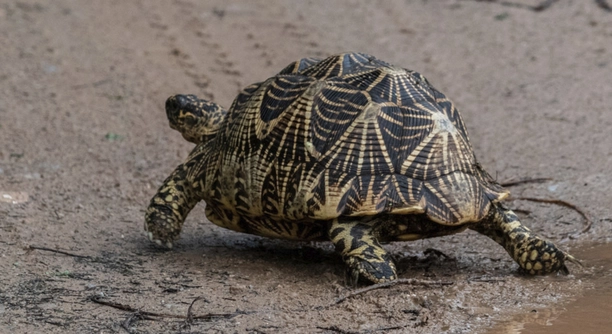
Do you ever find yourself wondering if your star tortoise can share its enclosure with other tortoise species? Housing different species together may seem like a good idea, but their unique needs and behaviors can make cohabitation challenging.
Star tortoises should not be housed with other tortoise species. Differences in habitat requirements, diet, and disease susceptibility can lead to health issues, stress, and aggression. Keeping them separate ensures their well-being and reduces the risk of illness or injury.
Understanding the specific needs of star tortoises is essential for responsible pet care. From environmental factors to social behaviors, knowing what works best will help create a safe and comfortable habitat for your tortoise.
Risks of Housing Star Tortoises With Other Species
Star tortoises have specific environmental and dietary needs that differ from other tortoise species. They require warm, dry conditions, while some species thrive in humid environments. Mixing species with different needs can create stress, leading to poor health and a weakened immune system. Additionally, star tortoises have a gentle nature, making them vulnerable to bullying or competition for food when housed with more aggressive species. Even minor stress can affect their eating habits and overall well-being. Keeping them in a species-specific enclosure ensures they receive the proper care, minimizing risks and maintaining their quality of life.
Disease transmission is another major concern. Tortoise species can carry bacteria and parasites that may be harmless to them but dangerous to others. Since star tortoises have weaker immune systems, exposure to unfamiliar pathogens can result in severe illness or even death. Preventing cross-contamination is crucial for their health.
Providing a controlled, species-specific habitat helps star tortoises thrive. Proper temperature, humidity, and diet contribute to a long and healthy life. Mixing them with other species can disrupt their natural routine, leading to stress-related health issues. Keeping them separate is the best way to ensure they remain happy and stress-free.
Ideal Living Conditions for Star Tortoises
Star tortoises need a warm, dry environment with plenty of space to roam. Their enclosure should mimic their natural habitat, offering a soft substrate, hiding spots, and a steady temperature between 80-90°F during the day.
A well-balanced diet is essential for their health. They primarily eat grasses, hay, and leafy greens. Unlike some tortoises that consume fruit, star tortoises should avoid sugary foods. Fresh water should always be available, even though they get most of their hydration from food.
Enclosure design plays a key role in their well-being. They require a secure space with proper ventilation and UVB lighting to support their shell and bone development. Outdoor enclosures are ideal, but if kept indoors, a spacious setup with access to sunlight or UVB lamps is necessary. Proper care and attention to their needs will help them live a long, healthy life.
Why Star Tortoises Prefer Solitary Living
Star tortoises are naturally solitary and do not seek companionship from other tortoises. Unlike social animals, they prefer a quiet, stress-free environment where they can eat, rest, and explore without interference. Housing them alone helps maintain their health and reduces unnecessary stress.
Keeping multiple tortoises together can lead to dominance issues. Even if they appear calm, subtle signs of stress may develop over time. A more dominant tortoise may take the best basking spots or eat more food, leaving the other deprived. This imbalance can cause weight loss, shell deformities, and weakened immunity. A solitary environment ensures that each tortoise receives the care it needs without competition.
Introducing another tortoise, even of the same species, can result in aggression. Males often fight for territory, leading to injuries. Females may experience stress if constantly pursued. Providing a separate space for each tortoise keeps them safe and comfortable.
Signs of Stress in Star Tortoises
Changes in appetite can indicate stress. A star tortoise that suddenly stops eating or shows a reduced interest in food may be feeling overwhelmed. Stress can also weaken their immune system, making them more vulnerable to infections and other health issues. A calm environment supports a stable appetite and overall well-being.
Unusual behavior, such as excessive hiding or pacing, is another sign of discomfort. If a tortoise spends most of its time withdrawn or seems restless, it may be reacting to environmental stress. Loud noises, temperature fluctuations, or the presence of another tortoise can disrupt their natural routine, leading to long-term health concerns. Keeping their habitat consistent and peaceful is essential.
Common Health Risks of Mixing Tortoise Species
Bacterial and viral infections spread easily between different tortoise species. Some tortoises carry pathogens that may not affect them but can be deadly to others. Star tortoises have weaker immune systems, making them more vulnerable to respiratory infections and shell rot when exposed to unfamiliar bacteria.
Parasitic infestations are another concern. Internal and external parasites can transfer between tortoises, causing digestive issues, weight loss, and general weakness. Since different species react differently to parasites, treatments may not be effective for all. Keeping star tortoises separate prevents unnecessary exposure and helps maintain their health.
Proper Habitat Setup for Star Tortoises
A spacious enclosure with a dry, warm environment is essential. The substrate should be soft and natural, like a mix of soil and sand, to support their feet and allow burrowing. A basking area with a temperature of around 90°F helps with digestion and overall health.
Final Thoughts
Caring for a star tortoise means understanding its unique needs. Providing a safe, species-specific environment ensures a stress-free and healthy life. Avoiding cohabitation with other tortoise species helps prevent illness, aggression, and competition for resources, allowing them to thrive.
FAQ
Can star tortoises live with other tortoises of the same species?
Star tortoises can sometimes be housed together, but it depends on their personalities. Some may tolerate each other, while others may become territorial. Males are more likely to fight, especially during mating season. If housing multiple star tortoises, provide ample space, separate feeding areas, and hiding spots to minimize stress.
What happens if a star tortoise is housed with a more aggressive species?
A more dominant tortoise may bully a star tortoise by taking its food, basking spots, or even physically pushing it around. This constant stress can lead to weight loss, weakened immunity, and a reluctance to eat. Injuries from biting or shell ramming can also occur, increasing the risk of infection.
Can mixing tortoise species lead to diseases?
Yes, different tortoise species can carry bacteria, viruses, and parasites that may not affect them but can be dangerous to others. Star tortoises have weaker immune systems, making them more susceptible to infections. Keeping them separate from other species reduces the risk of illness and ensures a healthier environment.
Do star tortoises get lonely if housed alone?
Star tortoises are naturally solitary animals and do not need companionship. Unlike social animals, they do not form bonds with other tortoises. In fact, being housed alone helps them feel more secure and reduces stress. Providing an enriching environment with hiding spots and proper care is enough to keep them content.
What are the signs that a star tortoise is stressed?
A stressed star tortoise may eat less, become inactive, or spend excessive time hiding. Pacing or trying to climb enclosure walls can also indicate discomfort. Changes in shell color, weight loss, or frequent respiratory issues may suggest underlying health problems caused by stress. Monitoring their behavior helps prevent long-term issues.
Can different tortoise species share the same diet?
Not all tortoise species eat the same foods. Star tortoises require a high-fiber diet mainly consisting of grasses, hay, and leafy greens. Some other species, like red-footed tortoises, eat fruit and animal protein, which can be harmful to star tortoises. Feeding them separately ensures they get the proper nutrition.
Is it safe to introduce a new tortoise to an existing one?
Introducing a new tortoise carries risks, even within the same species. The new tortoise could carry unseen illnesses or parasites that may infect the existing one. If an introduction is necessary, quarantine the new tortoise for several months, monitor for health issues, and introduce them slowly in a neutral space.
What should I do if my star tortoise stops eating after being housed with another tortoise?
Loss of appetite can be a sign of stress or illness. If a star tortoise stops eating after being introduced to another tortoise, separate them immediately. Ensure the enclosure is quiet, check for signs of illness, and provide familiar food. If the issue persists, consult a reptile veterinarian.
Can baby star tortoises be raised together?
Hatchlings and young tortoises are less territorial than adults, so they may tolerate being housed together. However, as they grow, dominance behaviors can emerge. If one tortoise starts eating more or showing signs of stress, separating them is the best option to prevent long-term health issues.
What is the best way to create a stress-free environment for a star tortoise?
A stress-free environment includes a spacious enclosure, proper temperature, a consistent diet, and minimal disturbances. Providing plenty of hiding spots, a warm basking area, and a quiet space helps them feel secure. Avoiding cohabitation with other tortoises further reduces stress and promotes a healthy lifestyle.
Final Thoughts
Star tortoises thrive best when housed alone. Their specific environmental and dietary needs make it difficult to keep them with other tortoise species. Differences in temperature, humidity, and food preferences can create stress and health issues. Star tortoises also have weaker immune systems, making them more vulnerable to illnesses carried by other tortoises. Even if they seem to get along at first, long-term cohabitation can lead to competition for food, basking spots, and space. Keeping them in a species-specific enclosure ensures they remain healthy and stress-free.
Observing a star tortoise’s behavior is essential for maintaining its well-being. Signs of stress, such as lack of appetite, excessive hiding, or changes in activity levels, indicate that something is wrong. If a tortoise appears uncomfortable or unwell, checking its environment is the first step. A proper habitat with the right temperature, hiding spots, and a consistent routine helps prevent stress-related illnesses. Regular health checkups and a nutritious diet also contribute to a longer, healthier life. Providing a quiet, stable home ensures that star tortoises feel secure and can exhibit their natural behaviors without disturbances.
Caring for a star tortoise requires patience and attention to detail. Their unique needs mean they should not be housed with other tortoises, even if it seems like they could benefit from companionship. Unlike social animals, they do not seek interaction with others of their kind and are perfectly content living alone. Understanding their behaviors, diet, and environmental needs is key to giving them the best care possible. By keeping them in a well-maintained, stress-free enclosure, they can live a long and healthy life.

Hello,
If you enjoy the content that we create, please consider saying a "Thank You!" by leaving a tip.
Every little bit helps us continue crafting quality advice that supports the health, happiness, and well-being of pets around the world, for pets of all shapes, sizes, and species.
We really appreciate the kindness and support that you show us!