
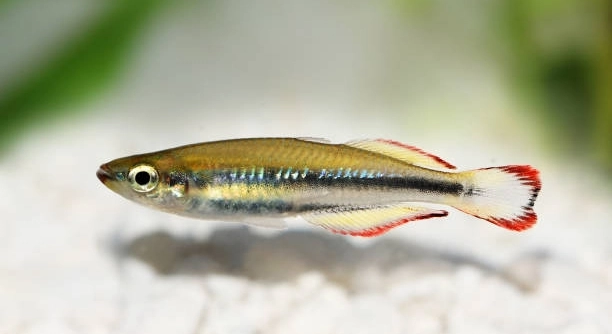
Madagascar Rainbowfish are popular for their vibrant colors and lively behavior in home aquariums. Many fishkeepers enjoy watching them thrive, but breeding them can feel like a challenge without proper knowledge and preparation. Understanding their needs is key.
Madagascar Rainbowfish can breed successfully in captivity if specific conditions are met. Factors such as water quality, temperature, tank setup, diet, and selecting compatible pairs play crucial roles in encouraging healthy spawning and ensuring fry survival in a controlled environment.
Knowing the right environment and care techniques will help your rainbowfish reproduce successfully. These insights provide a practical guide for maintaining a thriving and healthy aquarium.
Ideal Tank Conditions for Breeding
Creating the right environment is essential for Madagascar Rainbowfish to breed. A well-planted tank with hiding spots encourages natural behavior and reduces stress. The tank should be spacious enough to allow swimming and territorial boundaries. Maintaining stable water parameters is crucial. Keep the temperature between 75 and 82°F and the pH around 6.5 to 7.5. Soft to moderately hard water works best. Avoid sudden changes in water chemistry, as this can hinder spawning. Filtration should provide gentle flow to prevent disturbing eggs or fry. Regular water changes support a healthy ecosystem and prevent harmful buildup. Lighting should mimic a natural day-night cycle to promote activity and reproduction. Adding live plants or spawning mops gives the fish safe places to lay eggs. Observing the fish for signs of readiness, such as increased coloration and courtship behavior, helps ensure timing aligns with optimal conditions.
Balanced water and plenty of hiding spots create a safe breeding space. Proper tank setup increases the chances of successful spawning and healthy fry.
A tank that mimics natural conditions encourages breeding behavior. When plants, water parameters, and temperature are stable, Rainbowfish feel secure enough to spawn. Observing subtle changes, like fin displays and chasing, indicates the fish are ready. Providing soft substrates and gentle filtration protects eggs from damage. Live plants or synthetic spawning mops give females places to deposit eggs safely. Frequent but careful water changes maintain cleanliness without stressing the fish. Feeding a varied diet with high-quality protein supports reproductive health and energy. Overcrowding should be avoided, as stress reduces spawning likelihood. Maintaining consistency in care helps fish develop routines and encourages natural behaviors. Proper lighting enhances activity during the day, supporting feeding and mating patterns. Pair compatibility matters; selecting males and females that display strong health and coloration improves breeding success. When all these elements align, the tank becomes a reliable environment for raising healthy fry.
Selecting Healthy Pairs
Choose fish with vibrant colors and good body condition. Weak or stressed fish are less likely to breed successfully.
Pair selection affects breeding outcomes significantly. Healthy, mature fish show brighter colors, active behavior, and strong swimming ability. Males often display more intense colors, and females should appear full-bodied without signs of illness. Avoid pairing fish from stressful environments or recent transport, as stress reduces spawning behavior. Matching fish of compatible size prevents aggression. Observing interactions over several days helps identify natural compatibility. Introducing pairs gradually allows acclimation and reduces fighting. Ensuring both fish are free from parasites or disease protects future fry. Feeding high-quality foods, like live or frozen protein sources, improves reproductive readiness. Males often perform courtship dances, displaying fins and chasing females, signaling readiness. Females respond by inspecting plants or spawning mops. Patience is important, as forcing pairs too quickly can result in stress or injury. Continuous monitoring and gentle adjustments maintain harmony. Establishing a calm, well-maintained tank environment supports breeding and fry survival. Proper pairing is a foundational step for successful breeding.
Feeding for Reproductive Health
A high-protein diet is essential for breeding Madagascar Rainbowfish. Include live or frozen foods such as brine shrimp, daphnia, and bloodworms. Regular feeding supports energy levels, coloration, and egg production. Avoid overfeeding to prevent water quality issues that can affect spawning success.
Providing a varied diet helps maintain optimal health. Live foods stimulate natural hunting behavior, while frozen options add convenience and consistency. Supplementing with high-quality flakes or pellets ensures balanced nutrition. Feeding small portions multiple times a day encourages activity and reduces aggression among fish. Healthy fish are more likely to engage in courtship displays and successful spawning, as energy reserves are crucial for reproductive behavior and egg development. Consistency in feeding routines supports stability within the tank environment.
Overfeeding can lead to water pollution, which negatively impacts both eggs and fry. Controlled feeding maintains cleanliness while ensuring fish receive nutrients necessary for reproductive success.
Spawning Behavior and Signs
Males display brighter colors and may chase females around the tank. Courtship often includes fin flaring and swimming patterns that signal readiness.
Spawning behavior is a clear indicator that your Rainbowfish are ready to breed. Males perform courtship dances, circling females while showing off fins and vibrant colors. Females respond by exploring plants or spawning mops for egg deposition. Observing these behaviors daily helps determine timing for breeding. Aggression can occur but usually remains mild; separate fish only if fighting escalates. Eggs are typically scattered among plants or on spawning mops, and watching for this helps you prepare to protect them. Consistent water conditions enhance these behaviors, as sudden changes can disrupt readiness.
Timing and observation are critical. Recognizing early signs of spawning ensures eggs are laid in a safe environment, increasing survival rates.
Protecting Eggs and Fry
Remove adults from the tank after spawning to prevent them from eating the eggs. Using a separate breeding tank ensures higher survival rates for the fry. Keep the water clean and maintain gentle filtration to avoid disturbing eggs.
Monitor the eggs closely. Any fungus or debris should be carefully removed to prevent loss. Consistent temperature and water quality are critical during this stage, as fry are sensitive to sudden changes. Gentle aeration helps oxygenate the water without harming eggs. Observing hatching times allows preparation for feeding and proper care immediately after the fry emerge.
Fry Care
Feed newly hatched fry infusoria or finely crushed flakes. Gradually introduce larger foods as they grow. Maintain clean water and frequent small feedings to support healthy development.
Water Quality Maintenance
Regular water changes are crucial for both adults and fry. Stable water conditions reduce stress and support growth.
Common Breeding Challenges
Overcrowding, poor water conditions, or incompatible pairs often prevent successful breeding. Observing fish behavior and maintaining ideal conditions helps overcome these challenges.
FAQ
How long does it take for Madagascar Rainbowfish eggs to hatch?
Eggs usually hatch within 7 to 10 days, depending on water temperature. Warmer water speeds up development slightly, while cooler water can slow the process. Monitoring water temperature and maintaining stability ensures consistent hatching times.
How many eggs does a female typically lay?
A healthy female can lay between 50 and 200 eggs per spawning. The exact number depends on her size, age, diet, and overall health. Providing optimal nutrition and a stress-free environment increases egg production.
Do the adults eat their eggs?
Yes, adult Rainbowfish may eat eggs if left in the main tank. Removing adults after spawning or using a breeding tank prevents egg loss and improves fry survival rates.
What should I feed the fry?
Newly hatched fry need microscopic foods such as infusoria or specially prepared liquid fry foods. After a week or two, you can gradually introduce freshly hatched brine shrimp and finely crushed flakes. Multiple small feedings a day promote steady growth.
How often should I change the water for fry?
Water should be changed frequently but gently. Replacing 10–20% of the water daily or every other day keeps it clean without stressing the fry. Use dechlorinated water at the same temperature as the tank.
Can I breed Rainbowfish in a community tank?
Breeding in a community tank is challenging. Other fish may eat eggs or harass the pair. For best results, use a separate breeding tank with hiding spots and controlled conditions.
How do I know when my fish are ready to breed?
Males display brighter colors and chase females. Females explore plants or spawning mops. Observing these behaviors over several days confirms readiness and helps prevent unnecessary stress.
Is it necessary to have multiple males and females?
A single pair can breed successfully, but having multiple females with one male can increase spawning frequency. Ensure the tank isn’t overcrowded, as stress reduces breeding success.
What water conditions are best for breeding?
Keep water temperature between 75–82°F, pH around 6.5–7.5, and moderate hardness. Soft, clean water with stable parameters promotes spawning and fry development. Avoid sudden changes in water chemistry.
How long does it take for fry to grow to adult size?
Fry typically reach adult size in 6–8 months. Growth rate depends on diet, water quality, and tank conditions. Providing a nutritious diet and stable environment supports healthy development.
Can I use artificial plants for spawning?
Yes, artificial plants or spawning mops work well for egg deposition. They provide safe surfaces and make egg collection easier while maintaining tank cleanliness.
How often will my Rainbowfish spawn?
With proper conditions, Rainbowfish can spawn every 2–3 weeks. Regular feeding, stable water, and minimal stress encourage frequent and successful spawning.
What signs indicate healthy fry?
Healthy fry are active swimmers, feed regularly, and display gradual color development. Any lethargy, deformities, or failure to feed indicates potential issues that need attention.
Do I need to separate fry by size?
Yes, larger fry may eat smaller ones if left together. Separating by size or providing plenty of hiding spots reduces cannibalism and ensures even growth.
Can I breed Rainbowfish year-round?
Yes, as long as water conditions and diet are maintained consistently. Seasonal changes are less relevant in a stable, controlled tank environment.
How do I prevent fungus on eggs?
Fungus can develop in stagnant or dirty water. Using gentle aeration, clean water, and sometimes a mild antifungal treatment prevents fungal growth and increases survival rates.
Are there any special lighting needs for breeding?
A consistent day-night cycle supports natural behavior. Avoid sudden changes in lighting, as this can stress fish and reduce spawning activity.
How can I tell if eggs are fertilized?
Fertilized eggs are usually clear with a small visible embryo. Unfertilized eggs often turn opaque or white and should be removed to prevent contamination.
Do temperature fluctuations affect spawning?
Yes, sudden temperature changes can stress fish and delay spawning. Keep the temperature stable within the ideal range to encourage regular breeding.
Can I breed Rainbowfish with other species?
It is not recommended. Crossbreeding may produce hybrids with unpredictable traits. Keeping a pure pair or group ensures consistent offspring characteristics.
What is the best tank size for breeding?
A 20-gallon or larger tank provides enough space for a pair or small group. Adequate swimming room and plants reduce stress and promote natural behavior.
How can I increase spawning success?
Provide stable water conditions, nutritious food, proper hiding spots, and compatible pairs. Regular observation ensures early intervention if issues arise. Consistency and patience are key to successful breeding.
Can I reuse eggs from a previous spawn?
No, eggs must be freshly laid for successful hatching. Old or unfertilized eggs will not develop and may introduce fungus or bacteria into the tank.
What are common mistakes beginners make?
Overcrowding, poor water quality, incompatible pairs, and inadequate diet are frequent issues. Avoid these to improve breeding success and fry survival.
How long should fry stay in the breeding tank?
Keep fry in a separate tank until they are large enough to safely join the main tank. This usually takes 6–8 weeks, depending on growth rate.
Do I need special equipment for breeding?
Basic equipment includes a separate breeding tank, gentle filter, spawning mops or plants, and a heater. Advanced tools are optional but can simplify monitoring and care.
Can stress prevent spawning?
Yes, frequent disturbances, aggressive tankmates, or sudden changes in water parameters can inhibit reproductive behavior. Maintaining calm and consistent conditions encourages successful breeding.
How soon after spawning can fish breed again?
Fish can spawn again within 2–3 weeks if conditions remain optimal. Adequate feeding and stress-free environments promote frequent reproduction.
What is the survival rate of fry?
Survival depends on water quality, food availability, and protection from adults. With proper care, most fry can survive to adulthood. Regular observation helps identify and resolve issues early.
Can I raise fry in the same tank as adults?
It is risky, as adults may eat the fry. Using a separate tank or providing dense plant cover increases survival rates significantly.
Are there signs of stress in breeding pairs?
Signs include hiding, loss of color, reduced appetite, or aggression beyond normal courtship. Addressing water quality and tank conditions helps alleviate stress.
How do I care for juvenile Rainbowfish?
Feed small, frequent meals of high-protein foods. Maintain stable water conditions and provide hiding spots. Gradually transition them to adult diet and tank mates as they grow.
Can I mix different ages of fry?
Mixing different ages increases the risk of cannibalism. Keep similar-sized groups together to ensure fair feeding and growth opportunities.
Do I need to aerate the water for eggs?
Gentle aeration helps oxygenate water without disturbing eggs. Strong currents should be avoided, as they can dislodge or damage eggs.
How important is tank cleanliness for breeding?
Very important. Clean water prevents disease, fungus, and stress. Frequent but gentle maintenance ensures both eggs and fry have a healthy environment.
Can temperature alone trigger spawning?
Temperature influences readiness, but it must be combined with good water quality, nutrition, and a suitable environment for successful spawning.
How long do eggs remain viable if left in the main tank?
Eggs in the main tank are at risk of being eaten or contaminated. They should be removed quickly to a controlled environment to increase survival.
What signs indicate eggs are about to hatch?
Developing embryos become visible, and eggs may slightly change color or become more transparent. Fry movement inside eggs is a clear sign of imminent hatching.
Are Rainbowfish easy to breed for beginners?
With proper knowledge and preparation, they can be bred successfully. Attention to water quality, diet, and tank conditions is essential for positive results.
How do I prevent disease in breeding tanks?
Maintain clean water, avoid overcrowding, quarantine new fish, and provide a nutritious diet. Early detection and intervention prevent outbreaks.
Can breeding affect adult fish health?
Frequent breeding without proper nutrition or stress-free conditions may weaken adults. Balanced diet and rest periods help maintain long-term health.
Is it necessary to track spawning cycles?
Tracking helps anticipate care needs, prepare tanks, and increase fry survival. Recording dates, water conditions, and behaviors improves breeding consistency.
Do fry require different water parameters than adults?
Slightly softer water is preferred, but overall stable conditions similar to adults work best. Extreme changes can harm delicate fry.
How can I tell if my breeding attempt failed?
Unfertilized or fungus-infected eggs, lack of fry emergence, or continued adult aggression are common signs. Reviewing conditions helps correct future attempts.
What is the ideal lighting schedule for breeding tanks?
Maintain 10–12 hours of light daily. Consistent lighting supports natural activity and feeding patterns without causing stress.
Are there any supplements that improve spawning?
High-quality protein-rich foods support reproductive health. Vitamins and minerals in a balanced diet help females develop eggs and males display vibrant colors.
Can I breed Rainbowfish with different colors?
Yes, but offspring may display mixed traits. For predictable coloration, pair fish with similar color patterns.
How soon can fry be fed after hatching?
Feed tiny microscopic foods within 24 hours. Initial nutrition is critical for growth and survival during early development.
Do fry need hiding spots?
Yes, dense plants or fine mesh barriers reduce stress, prevent cannibalism, and provide safe spaces for exploring and feeding.
Can breeding affect tank stability?
Introducing new fish, removing adults, or changing feeding routines can temporarily disturb stability. Careful management ensures continued healthy conditions.
What is the most important factor for successful breeding?
Consistent water conditions, proper diet, compatible pairs, and careful observation are key to successful Madagascar Rainbowfish reproduction. Patience and attention ensure healthy fry and thriving adults.
This FAQ section is comprehensive and covers the most common concerns and practices for breeding Madagascar Rainbowfish.
Breeding Madagascar Rainbowfish can be a rewarding experience when approached with patience and proper preparation. These fish respond well to stable environments, nutritious diets, and thoughtful care. Maintaining clean water, consistent temperatures, and moderate lighting creates conditions that encourage natural behavior and spawning. Observing fish closely helps identify readiness for breeding, such as changes in color, courtship displays, or interactions with potential mates. Understanding their needs and providing the right environment is crucial for both the adults and the developing fry. Stress, overcrowding, and sudden changes in tank conditions can reduce breeding success, so maintaining a calm and predictable environment is essential. Proper tank setup with plenty of hiding spots and safe places for egg deposition increases the chances of a successful spawn. A well-planned approach reduces the risk of aggression and ensures the health of both adults and offspring, allowing them to thrive together in the same tank or separate breeding setup.
Nutrition plays a significant role in the reproductive success of Madagascar Rainbowfish. A diet high in protein and supplemented with live or frozen foods such as brine shrimp, daphnia, or bloodworms supports energy, coloration, and egg production. Feeding small, frequent portions helps maintain water quality while keeping fish healthy and active. A varied diet also prepares the fish for the energy demands of courtship and spawning. After eggs are laid, ensuring that fry receive appropriate food is critical for survival. Newly hatched fry require microscopic foods like infusoria or finely crushed flakes, gradually transitioning to larger foods such as freshly hatched brine shrimp as they grow. Monitoring growth and providing consistent care ensures that the fry develop properly, reaching adult size in several months. This careful balance of diet, observation, and water quality is key to raising healthy offspring successfully.
Breeding Madagascar Rainbowfish requires attention to detail, consistency, and patience. Pair selection, tank conditions, and feeding routines all contribute to a successful outcome. While challenges like egg predation, fungus, or fry mortality can occur, they can be mitigated through careful planning and proactive care. Using separate breeding tanks, removing adults after spawning, and maintaining stable water parameters all improve survival rates. Recognizing and responding to signs of readiness and stress helps maintain harmony among the fish. Over time, following these practices ensures that both adults and fry remain healthy and vibrant, allowing for repeated spawning cycles. The process highlights the importance of consistency and observation in aquarium care, creating an environment where Madagascar Rainbowfish can flourish naturally. By combining knowledge, patience, and attentive care, breeding these fish can become a manageable and satisfying part of maintaining a thriving home aquarium.

Hello,
If you enjoy the content that we create, please consider saying a "Thank You!" by leaving a tip.
Every little bit helps us continue crafting quality advice that supports the health, happiness, and well-being of pets around the world, for pets of all shapes, sizes, and species.
We really appreciate the kindness and support that you show us!