
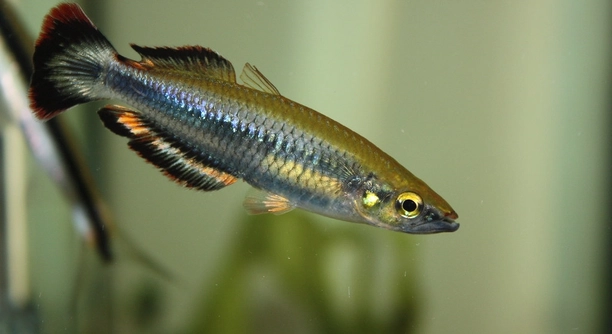
Have you ever noticed your rainbowfish swimming around the tank with unusual energy or curiosity? Observing their movements can reveal more than just routine behavior. These subtle actions often indicate a fish exploring its environment.
Rainbowfish exhibit exploration through consistent movement across different areas of the tank, interacting with objects, and showing heightened alertness. Observing changes in swimming patterns, fin positioning, and color intensity can help identify when these fish are actively exploring.
Recognizing these subtle signs allows you to better understand your rainbowfish and support a stimulating environment for their natural behaviors.
Increased Swimming Around the Tank
When rainbowfish begin exploring, one of the first things you might notice is how much they swim. They move from one corner of the tank to another, gliding along plants and rocks, and sometimes darting quickly through open spaces. This increased activity is a sign that they are curious about their surroundings and feel comfortable in the environment. You may also notice them pausing to inspect decorations, lingering near filters, or checking out new additions to the tank. Unlike their usual swimming routine, which can be predictable, this type of movement is purposeful. They often circle areas repeatedly or follow a specific path while exploring. Observing this behavior can give insight into their comfort level, health, and interest in the tank. It is important to ensure there are no stress factors like overcrowding or sudden changes, as these can affect their exploratory behavior.
Exploring rainbowfish often swim in open areas more confidently, showing less hesitation and more curiosity than usual.
Active movement signals a fish’s engagement with its habitat. Consistent exploration can indicate a healthy fish that is adapting well to the tank. Watching these patterns helps you notice environmental preferences, favored hiding spots, or areas that may need more enrichment. Some fish may interact with objects in the tank, nudging plants or investigating substrate, which highlights their natural curiosity. Over time, these actions help establish territories and routines, reflecting their comfort level. Careful observation can also alert you to health issues if movement suddenly changes or becomes erratic, providing an early indication that intervention might be needed.
Inspecting Decorations and Tank Objects
Rainbowfish often spend time closely examining decorations, plants, or other objects in the tank.
This inspecting behavior shows their interest in understanding the tank’s environment. They may hover near ornaments, swim around plants repeatedly, or nibble gently at new items.
Fish inspecting their surroundings is a natural way to learn about their habitat. These behaviors are often seen when new plants, rocks, or other decorations are added to the tank. Rainbowfish might circle objects several times, peek under leaves, or even push small stones with their mouths. This careful investigation allows them to map out safe areas and identify hiding spots. For aquarists, this behavior provides an opportunity to observe preferences, such as favorite resting areas or areas they avoid. Over time, you may notice patterns where certain objects attract more attention than others. This insight can guide how you arrange decorations to encourage natural movement and exploration. Ensuring enough open space alongside these structures supports both activity and comfort, promoting overall well-being for the fish.
Following Tankmates Closely
Rainbowfish often follow other fish around the tank, showing curiosity and engagement. This behavior indicates they are exploring social dynamics as well as their environment.
Following tankmates is a way for rainbowfish to learn about potential threats and opportunities within the tank. They may swim alongside other fish, sometimes mirroring movements or investigating the same areas. This interaction is not aggressive but investigative, helping them understand the layout and how others use space. It also strengthens their awareness of social hierarchies and preferred zones. Observing who they follow and how closely they interact can reveal comfort levels and personality traits. Some rainbowfish are more social, consistently seeking others, while some prefer brief investigations before moving on. These behaviors are subtle signs that the fish is actively engaging with both its environment and companions, highlighting natural exploratory instincts.
Fish that follow tankmates often show more active swimming, checking out corners and plants alongside others. This pattern reflects both curiosity and a sense of security when moving through the tank.
Nibbling at Plants or Substrate
Rainbowfish frequently nibble at plants or substrate while exploring, indicating curiosity about textures and objects.
Nibbling is part of their natural exploratory behavior and helps them interact with their environment. Fish may gently bite leaves, rocks, or the substrate to investigate taste, texture, and stability. This is often observed when new elements are added or when the fish are particularly active. Nibbling also encourages movement throughout the tank, as they travel between areas to sample different surfaces. Watching where and how often they nibble provides insight into what interests them most. It can help aquarists decide which plants or decorations to place in specific zones to promote healthy exploration. Some fish may nibble lightly and move on, while others may linger longer, showing preferences. Ensuring that plants and objects are safe and non-toxic is essential for this behavior, allowing them to explore without risk.
Investigating Corners and Hiding Spots
Rainbowfish often swim into corners or small spaces, showing interest in their surroundings. This behavior reflects their natural curiosity and desire to understand all areas of the tank.
Checking tight spaces also provides a sense of security. They may linger briefly, observing the area before moving on.
Reacting to Light Changes
Rainbowfish respond quickly to changes in lighting, adjusting their movements and positions. Sudden shifts in brightness or shadow can trigger investigation, prompting them to explore areas previously unnoticed. They may swim toward or away from the light, pause near objects, or circle plants. This responsiveness shows alertness and engagement with the environment, reflecting natural instincts to monitor surroundings for safety and opportunity. Observing these reactions can help aquarists identify how lighting affects activity levels and behavior. Maintaining a consistent light schedule while occasionally introducing slight variations encourages natural exploration without causing stress. This balance promotes a healthy, active tank environment.
Playing with Water Currents
Rainbowfish enjoy moving through gentle water currents. This behavior provides stimulation and encourages exploration of the tank.
FAQ
Why is my rainbowfish constantly swimming around the tank?
Constant swimming is often a sign that your rainbowfish is exploring. They move through different areas to investigate objects, check hiding spots, and interact with tankmates. This behavior indicates curiosity, good health, and engagement with their environment. It can also reflect comfort in their habitat.
Is it normal for rainbowfish to follow each other?
Yes, following other fish is natural. Rainbowfish observe tankmates to understand social dynamics and explore together. This behavior helps them identify safe areas, learn movement patterns, and engage with both their environment and companions. Following is typically gentle and investigative, not aggressive.
Why do they nibble on plants or substrate?
Nibbling is part of exploring textures, shapes, and new objects. Rainbowfish use their mouths to investigate, test stability, and interact with their surroundings. It also encourages movement and activity, and observing where they nibble shows preferences, helping you arrange the tank for stimulation and comfort.
Do rainbowfish explore more when lighting changes?
Yes, light changes often trigger exploration. Fish respond to shifts in brightness by moving toward or away from light, pausing, or inspecting nearby objects. This behavior shows alertness and interest in the environment. Slight variations in lighting encourage exploration without causing stress if done gradually.
Why do they enter corners or small hiding spaces?
Exploring tight spaces gives rainbowfish a sense of security while satisfying curiosity. They may linger briefly to observe the area and determine if it’s safe. This natural behavior reflects both instinct and engagement with the tank’s layout. It also helps them find favorite resting spots.
How can I encourage my rainbowfish to explore more?
Providing a variety of decorations, plants, and open areas encourages movement and investigation. Gentle water currents, new objects, and slight light changes can stimulate curiosity. Ensuring a safe and comfortable environment supports natural exploration while preventing stress. Observing patterns allows you to adjust the tank for their preferences.
Is following currents a sign of play or exploration?
Rainbowfish often swim through gentle currents to stimulate their senses. Moving with the current allows them to explore different tank zones, interact with objects, and engage their muscles. This behavior is both playful and exploratory, promoting activity while helping them understand the water flow and layout.
What if my rainbowfish suddenly stops exploring?
A sudden decrease in exploration may indicate stress, illness, or environmental issues. Check water quality, temperature, and tank conditions. Observe for signs of illness, injury, or bullying from tankmates. Early intervention ensures your fish remain healthy and comfortable, maintaining their natural curiosity and activity levels.
Can tank size affect exploration?
Yes, limited space can restrict natural movement and reduce exploration. Providing enough room for swimming, hiding spots, and interaction encourages engagement. Larger tanks with varied environments allow rainbowfish to explore comfortably and exhibit natural behaviors without feeling confined.
How long do rainbowfish typically explore each day?
Rainbowfish spend significant portions of the day moving, investigating, and interacting with the tank. Their activity varies based on light, feeding schedules, and tank setup. Most explore steadily in short bursts, balancing movement with resting periods, which helps maintain both health and curiosity.
Rainbowfish are naturally curious creatures, and observing their behavior can be both interesting and helpful for maintaining a healthy tank. Their exploration shows that they are engaged with their environment, comfortable in their space, and physically active. By paying attention to signs like increased swimming, investigating corners, following tankmates, or nibbling on plants, you can better understand what your rainbowfish enjoy and how they interact with their surroundings. These behaviors are not random; they are purposeful actions that reflect their instincts and preferences. When fish are active and exploring, it usually means they are healthy, their environment is suitable, and they feel secure in the tank. On the other hand, a sudden lack of exploration can signal stress, illness, or issues with the environment, which is why monitoring their activity is important for their overall well-being.
Creating a stimulating and safe environment encourages rainbowfish to explore more often. Adding decorations, plants, rocks, and hiding spots provides variety and keeps their habitat engaging. Gentle water currents and slight variations in lighting can also trigger exploration, as rainbowfish respond naturally to changes in their surroundings. Observing which areas they prefer or interact with most can help you arrange the tank in a way that maximizes both activity and comfort. It is important to avoid overcrowding and maintain good water quality, as these factors can significantly affect exploration and general behavior. Consistent feeding schedules, proper tank size, and safe interactions with other fish also contribute to a healthy environment where rainbowfish can explore confidently. By understanding their habits and preferences, you can ensure they remain active and stimulated, which is essential for their long-term health.
Paying attention to your rainbowfish’s behavior is more than just watching them swim. It provides insight into their health, comfort, and needs. When they explore plants, decorations, or even swim alongside tankmates, they are expressing curiosity and engagement. Supporting this behavior through a well-maintained tank and thoughtful layout helps them thrive and encourages natural activity. Regular observation allows you to notice changes that might indicate health or environmental issues early on. Creating an environment that promotes exploration not only enhances the fish’s quality of life but also makes caring for them more rewarding. Healthy, active rainbowfish are often happier, more colorful, and more interactive, which can make the tank more enjoyable to watch. By understanding these behaviors and providing a stimulating environment, you are helping your rainbowfish reach their full potential in terms of health, activity, and natural instincts.

Hello,
If you enjoy the content that we create, please consider saying a "Thank You!" by leaving a tip.
Every little bit helps us continue crafting quality advice that supports the health, happiness, and well-being of pets around the world, for pets of all shapes, sizes, and species.
We really appreciate the kindness and support that you show us!