
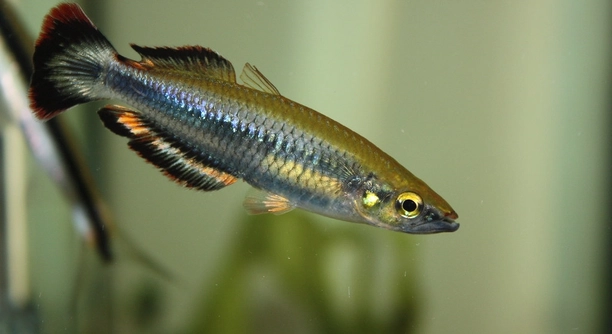
Do you ever notice your rainbowfish swimming frantically whenever you clean their tank? Many owners find it surprising how quickly these usually calm fish react during routine maintenance. Their sudden panic can be alarming and concerning.
Rainbowfish may panic during cleaning primarily due to sudden changes in their environment and water conditions. Alterations in water movement, lighting, or the presence of unfamiliar objects can trigger stress responses, causing erratic swimming and heightened alertness.
Understanding why rainbowfish react this way helps improve care and ensures a calmer aquarium environment for your fish during routine cleaning sessions.
Common Triggers During Tank Cleaning
Rainbowfish are highly sensitive to changes in their environment, and routine cleaning can unintentionally disturb them. Sudden movements near the tank, shifts in water temperature, or even adding new decorations can make them feel threatened. Strong water currents created by siphoning or scrubbing can startle them, causing frantic swimming. Bright lighting during cleaning also increases stress, as rainbowfish prefer consistent, moderate light conditions. Even minor vibrations from equipment or hands moving around the tank may trigger a panic response. Over time, repeated stressful experiences can affect their health, appetite, and behavior. Observing them closely during cleaning allows you to notice signs of distress early, helping to adjust your methods. Simple adjustments like slow movements, dimmed lights, and gradual water changes can reduce the intensity of their reaction. Understanding these triggers helps maintain both their well-being and the overall harmony of the aquarium environment.
Taking a calm, steady approach to cleaning prevents sudden reactions and keeps your rainbowfish less stressed.
Reducing stress involves small, deliberate steps. Start by preparing all tools before approaching the tank. Perform water changes slowly, avoiding strong siphon currents near the fish. Move gently and avoid tapping or bumping the glass. Keep lighting soft during maintenance and replace any decorations carefully. Observing their body language, such as rapid gill movements or darting, indicates discomfort, so pause if needed. Gradual acclimation to routine cleaning helps rainbowfish recognize it as a non-threatening event. Over time, they may swim more calmly, even during necessary maintenance. Maintaining stable water parameters, including temperature and pH, is crucial, as sudden fluctuations amplify stress. Combining careful handling, slow changes, and consistent environmental conditions ensures rainbowfish remain healthy and confident, minimizing panic episodes.
Signs Your Rainbowfish Is Stressed
Rapid, erratic swimming, hiding, or clamping fins are common signs of stress during cleaning. Observing these behaviors is essential to respond appropriately.
Stress may also appear as loss of appetite, faded coloration, or unusual aggression toward tank mates. These behavioral changes indicate that the fish is experiencing significant discomfort or anxiety. Environmental shifts during cleaning, such as sudden water current changes or bright light, often trigger these reactions. Monitoring these signs closely helps you adjust maintenance practices. For instance, pausing the cleaning process or dimming lights can reduce panic. Over time, repeated observation helps you understand each fish’s tolerance level and preferred conditions. Creating a calmer environment with gentle water flow, minimal abrupt movements, and stable temperature prevents recurring stress. Maintaining consistent feeding routines and tank conditions further supports their overall well-being. Recognizing these stress indicators early ensures that your rainbowfish remain healthy, active, and vibrant, allowing for a smoother cleaning experience.
Minimizing Panic During Cleaning
Keeping movements slow and predictable helps rainbowfish remain calm. Reducing bright lighting and avoiding sudden splashes lowers their stress levels.
Using a gentle siphon and moving decorations carefully can prevent startling them. Gradually introducing new water keeps temperature and chemical changes minimal, which reduces panic. Softly covering areas of the tank while cleaning can create a safer, less exposed environment. Observing the fish’s reactions and pausing when signs of stress appear ensures they stay calm. Over time, these practices help rainbowfish associate cleaning with minimal disruption, improving their overall comfort. Consistent routines make maintenance predictable, helping them adjust naturally.
Introducing gradual changes rather than sudden actions is crucial. Rainbowfish react poorly to abrupt temperature shifts, fast water currents, and unexpected equipment noises. Preparing all cleaning materials beforehand and moving methodically prevents unnecessary alarm. Keeping the tank partially shaded and performing smaller, frequent water changes instead of large, rare ones reduces stress. Tracking each fish’s behavior during maintenance helps refine your approach. Adjusting light, movement, and water flow according to their reactions ensures a calmer environment. Patience and observation make cleaning smoother and more predictable for rainbowfish.
Maintaining a Healthy Tank Environment
Stable water conditions and regular maintenance prevent stress-related behaviors. Consistent temperature, pH, and chemical levels are key to their well-being.
Monitoring water parameters and performing routine partial water changes keeps rainbowfish comfortable. Sudden fluctuations can trigger panic and impact health. Filtration should be effective but not create overly strong currents, as strong flow may startle them. Cleaning algae and debris regularly ensures the tank remains visually clear and safe for swimming. Observing fish during these routines allows early detection of stress or illness. Maintaining plants and hiding spots provides shelter, reducing exposure during cleaning. Overall, careful attention to water quality, tank setup, and consistent schedules supports healthy, calm rainbowfish, making daily care more manageable.
Creating Safe Hiding Spots
Providing plants and decorations allows rainbowfish to feel secure during cleaning. Hiding spots reduce exposure and help them remain calm.
Even simple additions like small caves or dense plant clusters give them refuge. This minimizes stress and encourages natural behavior while maintenance is underway.
Gradual Acclimation to Cleaning
Introducing cleaning routines slowly helps rainbowfish adapt. Start with short, calm sessions, then gradually increase the duration over time. Observing their behavior during each session allows adjustments. Over weeks, they learn the process is safe, which reduces panic and improves their comfort during future cleanings.
Handling Stress Post-Cleaning
After maintenance, letting the tank settle before feeding or moving the fish helps them recover. Calm water and minimal disturbances support their return to normal behavior.
FAQ
Why do rainbowfish panic when I clean the tank?
Rainbowfish are highly sensitive to environmental changes. Sudden movements, water temperature shifts, strong currents, or bright lighting can startle them. Even minor vibrations or unfamiliar objects introduced during cleaning may trigger a stress response. Maintaining a calm, gradual approach helps reduce their panic.
How can I prevent my rainbowfish from getting stressed?
Slow, predictable movements during cleaning are essential. Dim lights, move decorations carefully, and avoid splashing. Gradually changing water temperature and volume reduces shock. Providing hiding spots, like plants or small caves, gives them security. Observing their behavior and pausing if they appear stressed ensures a calmer experience.
Is partial water changing better than full water changes?
Yes, partial water changes are less disruptive. Large, sudden changes in water parameters can startle rainbowfish and cause erratic swimming. Frequent, smaller changes maintain stable water chemistry, reducing stress and helping them adjust to routine maintenance.
Do rainbowfish need time to adjust after cleaning?
They do. After cleaning, let the water settle before feeding or interacting. Calm water, minimal disturbances, and stable temperature help them regain normal behavior and reduce lingering stress effects.
Can strong water currents harm rainbowfish?
Yes, strong currents from filters or siphons can overwhelm them. Rainbowfish prefer moderate water movement. Adjust equipment flow and avoid directing siphons near fish to prevent panic or injury during cleaning.
How do I know if my rainbowfish is stressed?
Signs include rapid swimming, hiding, clamped fins, loss of appetite, or faded coloration. Monitoring these behaviors during and after cleaning helps you adjust maintenance routines to minimize stress.
Do decorations affect their comfort during cleaning?
Yes, decorations create refuge. Plants, rocks, or caves provide hiding spots, which help rainbowfish feel secure. Arranging them carefully and avoiding sudden changes in layout reduces panic during maintenance.
Is lighting important during cleaning?
Lighting plays a key role. Bright, sudden light can startle rainbowfish. Dim lights or use indirect lighting while cleaning to keep them calmer and prevent erratic movements.
How often should I clean my rainbowfish tank?
Routine cleaning is important but should be balanced. Weekly or biweekly partial water changes, gentle substrate cleaning, and filter maintenance keep water quality stable without shocking the fish. Over-cleaning can be just as stressful as neglect.
Can I train rainbowfish to be less fearful of cleaning?
Yes, through gradual acclimation. Short, calm cleaning sessions, predictable movements, and consistent routines help them associate maintenance with minimal risk. Over time, rainbowfish adjust, reducing panic responses during regular tank care.
What should I do if my rainbowfish are still panicking?
Pause the cleaning process and give them time to settle. Ensure water parameters are stable, currents are gentle, and hiding spots are available. Reassess your cleaning techniques and adjust gradually to reduce stress in future sessions.
Does feeding affect their stress levels during cleaning?
Feeding right after cleaning can help them relax. However, avoid feeding during intense cleaning to prevent competition and agitation. Calm water and predictable routines after maintenance support recovery and reduce panic.
Are certain rainbowfish species more sensitive than others?
Yes, sensitivity varies by species. Smaller, more delicate rainbowfish are often more easily stressed. Observing their reactions and adjusting cleaning practices to their specific needs ensures better care and a calmer tank environment.
Can water chemistry changes trigger panic?
Absolutely. Sudden shifts in temperature, pH, or chemical levels cause stress. Gradually changing water and maintaining consistent parameters prevents erratic behavior and supports healthy rainbowfish.
Is it normal for rainbowfish to hide during cleaning?
Yes, hiding is a natural stress response. Providing plants, caves, or dense decorations allows them to feel safe. This behavior indicates they are adapting to potential disturbances and seeking security.
How long does it take for rainbowfish to calm down after cleaning?
Recovery time depends on the individual fish and cleaning method. Typically, 30 minutes to a few hours of calm, stable conditions allows them to resume normal swimming, feeding, and social behaviors. Monitoring during this period is important.
Should I remove rainbowfish during cleaning?
Generally, it’s better to leave them in the tank. Moving them increases stress risk. Instead, clean gradually around them, provide hiding spots, and maintain gentle water flow to minimize disruption and panic.
Can tank size affect their stress during cleaning?
Yes, smaller tanks make disturbances more noticeable. Limited space reduces hiding options and amplifies water movement. Larger tanks with stable conditions and well-placed decorations help rainbowfish feel secure during maintenance.
Does frequent handling make them panic more?
Repeated handling or netting increases stress and fear responses. Minimizing direct contact and using gentle techniques only when necessary prevents long-term anxiety in rainbowfish.
Are stress-relief products effective during cleaning?
Some products can reduce stress temporarily, but they do not replace careful cleaning practices. Providing stable water conditions, hiding spots, and gradual routines is more effective for long-term comfort and reduced panic.
How can I make cleaning less intimidating for rainbowfish?
Preparation and consistency are key. Organize tools, move slowly, use dim lighting, and perform gradual water changes. Providing refuge and observing fish behavior ensures they feel secure, making cleaning predictable and less stressful over time.
Do rainbowfish recover fully from cleaning stress?
Yes, with proper handling, they usually recover quickly. Calm water, stable conditions, and minimal disturbances allow them to resume normal activity, coloration, and feeding behavior without lasting effects.
Can stress during cleaning affect their long-term health?
Chronic stress can impact appetite, immunity, and behavior. Minimizing panic through careful maintenance, stable water parameters, and adequate hiding spots helps ensure rainbowfish remain healthy and active in the long term.
Is there a best time of day to clean the tank?
Cleaning during calmer periods of the day, when the fish are naturally less active, can reduce stress. Avoid peak activity times or feeding periods to minimize disturbances. Consistency in timing helps rainbowfish anticipate routine maintenance.
What should I observe in rainbowfish after cleaning?
Watch swimming patterns, fin position, coloration, and feeding behavior. Any persistent hiding, frantic swimming, or lack of appetite may indicate stress or environmental issues that need attention.
Can introducing new fish increase stress during cleaning?
Yes, unfamiliar fish amplify stress, especially during cleaning. Gradually acclimating new additions and maintaining calm conditions helps reduce panic for all inhabitants, ensuring a smoother maintenance process.
How do I balance cleaning efficiency with minimal stress?
Plan ahead, clean in sections, use slow movements, and provide hiding spots. Smaller, frequent maintenance sessions maintain water quality without overwhelming rainbowfish, achieving both cleanliness and a calm environment.
Do decorations need to be cleaned carefully?
Yes, scrub gently and avoid sudden movements. Moving or cleaning decorations too aggressively can create strong currents or disturbances, triggering panic. Gradual handling and placement keep the tank safe and secure for rainbowfish.
How do I know if my cleaning routine is effective?
Effective routines maintain water quality, minimize panic, and support healthy, active rainbowfish. Observing calm behavior during and after cleaning indicates the routine is appropriate. Adjusting pace, water changes, and tank setup ensures continued success.
Can stress during cleaning affect breeding behavior?
Yes, frequent stress can reduce mating activity and success. Maintaining stable, calm conditions during cleaning preserves normal social interactions and supports breeding behavior in rainbowfish.
Is it helpful to play soft background noise during cleaning?
Soft noise can mask sudden disturbances but is not a substitute for gentle cleaning practices. Focus on predictable movements, gradual water changes, and providing hiding spots to ensure calm conditions.
Do rainbowfish recognize regular cleaning routines over time?
Yes, they can become accustomed to predictable patterns. Gradual, consistent cleaning sessions, gentle handling, and stable conditions help them feel secure, reducing panic responses and making maintenance smoother.
Can temperature fluctuations during cleaning harm them?
Sudden temperature changes are a major stress factor. Always match new water closely to tank temperature to avoid shocking rainbowfish and triggering erratic behavior.
How do I clean without scaring shy rainbowfish?
Move slowly, maintain gentle water flow, and provide plenty of hiding spots. Pausing when they show stress and using dimmed lighting ensures even the shyest rainbowfish remain calm during maintenance.
Are some cleaning tools safer than others?
Soft brushes, low-flow siphons, and sponges are safer for minimizing panic. Avoid aggressive scrubbing or high-pressure equipment that creates strong currents, which can startle or injure rainbowfish.
How do I handle accidental water splashes?
Minimize splashes by moving slowly and using controlled water flow. If splashes occur, monitor for stress, and allow hiding spots to give fish a sense of safety while water settles.
Can overfeeding during cleaning reduce stress?
Feeding right after cleaning can encourage calm behavior, but avoid overfeeding. Excess food can pollute water, creating additional stressors. Keep portions small to maintain both comfort and water quality.
Does the type of substrate affect stress during cleaning?
Yes, fine gravel or sand reduces strong currents and sudden disturbances compared to coarse substrates. Gentle vacuuming and minimal movement help rainbowfish stay calm during maintenance.
How do I make new tank decorations less stressful?
Introduce decorations gradually, avoid sudden placement, and ensure no sharp edges. Giving rainbowfish time to explore safely prevents panic and encourages normal behavior in a refreshed environment.
Should I remove plants during cleaning?
Partial cleaning of plants is sufficient. Removing them completely can stress rainbowfish by reducing hiding spots. Clean gently in place whenever possible to maintain both water quality and security.
Can stress be cumulative over time?
Yes, repeated stressful cleaning sessions without careful handling can lead to chronic anxiety, reduced immunity, and health issues. Gradual, predictable routines help rainbowfish adapt and stay healthy.
Are male and female rainbowfish affected differently?
Males may be more active and reactive, while females often hide more. Adjusting cleaning techniques to accommodate both ensures minimal stress across the tank population.
Does noise outside the tank matter?
Yes, loud or sudden noises can startle rainbowfish. Keeping the area around the tank calm during cleaning reduces unnecessary panic and supports a safe environment.
Can rainbowfish learn to anticipate feeding during cleaning?
Yes, if cleaning is predictable, they may associate it with upcoming feeding. This can reduce stress, as predictable routines create a sense of safety and familiarity.
Is it better to clean in stages rather than all at once?
Cleaning in stages is less overwhelming. Partial water changes, selective debris removal, and gradual decoration adjustments minimize disturbances and keep rainbowfish calmer throughout maintenance.
What is the most important factor for stress-free cleaning?
Consistency, gentle movements, stable water conditions, and adequate hiding spots are key. Observing behavior and adjusting routines ensures rainbowfish remain healthy, active, and comfortable during every cleaning session.
How do I recover stressed rainbowfish quickly?
Maintain calm water, stable parameters, and minimal disturbances. Provide hiding spots and monitor behavior until normal swimming, feeding, and coloration resume. Patience and careful observation support full recovery after stressful events.
Can frequent tank inspections reduce panic?
Yes, routine observation allows you to notice subtle stress signs early. Adjusting water flow, lighting, and decoration placement prevents panic and keeps rainbowfish calm during regular maintenance.
Is gentle water aeration necessary during cleaning?
Yes, moderate aeration ensures oxygen levels remain stable without creating strong currents that could startle rainbowfish. Proper balance supports health and reduces stress during maintenance.
Can cleaning tools be sanitized without harming fish?
Yes, tools should be rinsed thoroughly and avoid harsh chemicals. Residues can irritate or stress rainbowfish, so using safe, clean equipment is essential for calm and safe maintenance.
Does tank size influence cleaning frequency?
Smaller tanks require more frequent partial maintenance to maintain water quality without overwhelming fish. Larger tanks allow more gradual changes, which reduces stress and panic during cleaning.
How do I balance water changes with rainbowfish comfort?
Gradual, partial water changes with gentle handling maintain chemical stability and reduce sudden disturbances. Observing fish behavior during changes ensures comfort and prevents panic responses.
Are hiding spots more important than water quality?
Both are critical. While stable water chemistry ensures health, hiding spots reduce immediate stress during cleaning. Together, they create a safe, comfortable environment for rainbowfish.
Can rainbowfish recognize individual cleaners?
Yes, they may become familiar with regular maintenance routines and the person performing them. Consistent, calm handling helps rainbowfish feel secure during cleaning sessions.
Do temperature, pH, and hardness need monitoring every cleaning?
Yes, even small fluctuations can trigger panic. Testing and adjusting water parameters during routine cleaning ensures rainbowfish remain comfortable and stress-free.
Is tank layout important for stress management?
Absolutely. Open spaces without hiding spots increase anxiety. Strategically placed plants, rocks, and caves provide refuge, allowing rainbowfish to remain calm during cleaning and other disturbances.
Should I clean substrate daily?
No, frequent cleaning is unnecessary. Partial, gentle substrate cleaning during routine water changes is sufficient. Over-cleaning can disturb fish and create stress without significant benefit to water quality.
Can rainbowfish get used to regular maintenance?
Yes, gradual, predictable cleaning sessions, gentle handling, and stable water conditions help rainbowfish adjust. Over time, panic responses decrease, making maintenance safer and more manageable for both fish and caretaker.
How do I keep shy rainbowfish calm?
Provide abundant hiding spots, avoid sudden movements, and clean in small stages. Observing their reactions and adjusting techniques ensures even timid fish remain comfortable during maintenance.
Does feeding frequency affect cleaning stress?
Maintaining consistent feeding schedules helps rainbowfish stay relaxed. Cleaning immediately before or after feeding can affect behavior, so balancing timing reduces panic and supports healthy routines.
Can seasonal changes influence cleaning stress?
Yes, fluctuations in room temperature or lighting can make rainbowfish more sensitive. Adjust cleaning practices to maintain stable conditions during seasonal shifts, reducing the likelihood of panic responses.
Are artificial plants less stressful than real plants during cleaning?
Both can be safe if handled carefully. Artificial plants require gentle cleaning to avoid sharp edges or strong currents, while real plants need minimal disruption to preserve roots and stability.
Is it better to clean the tank alone or with someone else?
Cleaning alone allows slower, controlled movements. Multiple people may create distractions, noise, or vibrations, which can increase stress for rainbowfish. Gradual, calm handling is more effective.
Can sudden chemical treatments trigger panic?
Yes, abrupt addition of medications or water conditioners can startle fish. Gradual dosing, careful observation, and pre-mixing in separate containers reduce stress during treatment.
Do rainbowfish remember stressful cleaning experiences?
Yes, repeated stressful events can make them more reactive. Consistent, gentle, and predictable routines help them associate maintenance with safety rather than panic.
How do I maintain stress-free cleaning with multiple fish?
Provide enough hiding spots, monitor behavior, and perform partial water changes slowly. Adjust flow and movement according to the most sensitive fish to ensure calm for the entire tank.
Is there a best method for cleaning decorations?
Rinse gently with tank water, avoid harsh scrubbing, and return them carefully. Sudden changes in placement or removal can startle rainbowfish, so gradual handling is safest.
Can stress affect rainbowfish immunity?
Yes, chronic stress from repeated panic episodes can weaken immune responses. Minimizing environmental disturbances during cleaning supports overall health and reduces susceptibility to disease.
Does tank location matter for stress levels?
Yes, high-traffic areas, loud noises, or frequent vibrations increase stress. Placing the tank in a quieter, stable environment reduces panic during cleaning and everyday activity.
Should I remove decorations when performing water changes?
Not necessarily. Partial cleaning in place is usually sufficient. Removing too many items can reduce hiding spots and increase stress, especially in shy or sensitive rainbowfish.
Can stress cause physical injuries?
Yes, frantic swimming during cleaning can lead to collisions with decorations or tank walls. Gentle handling, slow movements, and adequate hiding spots minimize the risk of injury.
Are some rainbowfish more resilient to stress?
Yes, individual temperament varies. Some tolerate minor disturbances well, while others react strongly. Observing behavior helps tailor cleaning practices to each fish’s comfort level.
Is it helpful to clean at the same time each week?
Consistency reduces anxiety. Rainbowfish become familiar with routine, making cleaning predictable and less stressful over time. Paired with gradual changes and gentle movements, this ensures a calmer environment.
Do rainbowfish show long-term behavioral changes from repeated panic?
Yes, frequent stress can lead to hiding, aggression, or reduced activity. Maintaining calm routines, stable water conditions, and sufficient hiding spots prevents lasting negative effects.
How can I monitor recovery after cleaning?
Observe swimming patterns, coloration, feeding, and social interaction. Any deviations from normal behavior indicate lingering stress, signaling a need for adjustments in routine or environment.
Are stress-relief supplements necessary?
Not always. Proper handling, consistent cleaning, stable water, and hiding spots are more effective for reducing panic than relying solely on supplements.
Can overcrowding increase stress during cleaning?
Yes, too many fish limit space and hiding options. Maintaining appropriate stocking levels ensures rainbowfish have room to escape disturbances, reducing panic during maintenance.
Do rainbowfish benefit from visual barriers during cleaning?
Yes, partially covering the tank or creating shaded areas reduces exposure, giving them a sense of security and minimizing panic during water changes or decoration adjustments.
How do I prevent cleaning from causing long-term stress?
Implement gradual, predictable routines, provide hiding spots, maintain stable water parameters, and observe behavior. Consistency and patience help rainbowfish remain calm and healthy.
Can frequent observation itself cause stress?
Occasional monitoring is fine, but constant tapping or leaning over the tank can startle them. Observe quietly and minimize sudden movements to maintain calm.
Is there a recommended cleaning sequence?
Start with gentle water changes, then clean substrate and decorations, finishing with filter maintenance. This sequence minimizes disruption and keeps rainbowfish calmer throughout the process.
How do I recover fish that remain stressed after cleaning?
Ensure calm water, dim lighting, hiding spots, and minimal disturbances. Monitor until normal behavior resumes, and adjust future cleaning methods to prevent repeat stress.
Can lighting adjustments after cleaning help recovery?
Yes, maintaining moderate lighting post-cleaning allows rainbowfish to acclimate slowly and reduces lingering stress from bright or sudden light exposure.
Are rainbowfish more stressed in smaller aquariums?
Yes, limited space and hiding options amplify panic during cleaning. Adequate decorations, gentle handling, and smaller water changes help reduce stress in compact tanks.
How do I balance water quality and minimal disturbance?
Use partial water changes, gentle substrate cleaning, and slow, predictable movements. This keeps water stable while minimizing environmental shocks for rainbow
Rainbowfish are beautiful and active fish that bring life to any aquarium, but they can be surprisingly sensitive to changes in their environment. Routine cleaning, though necessary for their health, can easily trigger stress if not done carefully. Their panic responses, such as rapid swimming, hiding, or clamped fins, are natural reactions to sudden movements, water changes, or bright lighting. Understanding these behaviors is essential to providing a safe and comfortable environment for your rainbowfish. By approaching maintenance with patience and awareness, you can minimize their stress while still keeping the tank clean and healthy. Every small adjustment, from gentle handling to dimmed lighting, contributes to a calmer aquarium atmosphere that benefits both the fish and the overall ecosystem.
Maintaining stable water conditions is a critical part of reducing stress. Rainbowfish react strongly to sudden fluctuations in temperature, pH, or chemical levels, which can make cleaning a high-stress activity if not managed properly. Gradual, partial water changes and careful monitoring of parameters help keep conditions consistent and safe. In addition to water stability, the layout of the tank plays an important role in providing security. Plants, rocks, and decorations offer hiding spots that help rainbowfish feel protected during cleaning sessions. By arranging the tank thoughtfully and performing maintenance slowly, you can create an environment where the fish feel confident and less prone to panic. Observing their behavior closely during these times also allows you to adjust your cleaning methods to suit their individual tolerance levels.
Finally, building a consistent cleaning routine helps rainbowfish adapt over time. Gradual acclimation, gentle movements, and predictable schedules make maintenance a familiar, low-stress process. Providing refuge, monitoring behavior, and keeping water conditions stable ensures that rainbowfish recover quickly after cleaning and maintain healthy, normal behaviors. Over time, these practices strengthen their comfort and confidence in the tank environment, allowing for easier care and a more enjoyable viewing experience. By combining patience, observation, and careful handling, you can ensure that your rainbowfish remain healthy, active, and vibrant while minimizing stress during essential tank maintenance.

Hello,
If you enjoy the content that we create, please consider saying a "Thank You!" by leaving a tip.
Every little bit helps us continue crafting quality advice that supports the health, happiness, and well-being of pets around the world, for pets of all shapes, sizes, and species.
We really appreciate the kindness and support that you show us!