
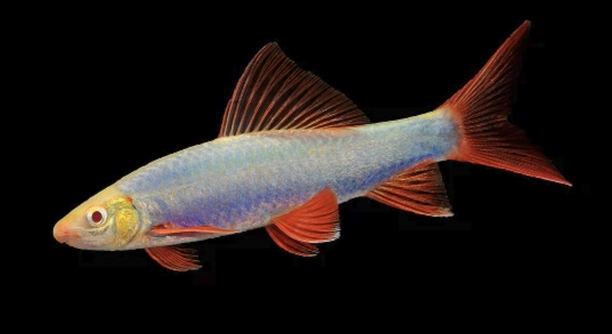
Rainbow sharks are popular aquarium fish known for their vibrant colors and active behavior. Ensuring they receive enough food is essential for their health and well-being. Proper feeding helps maintain their energy and supports their growth.
The best way to confirm your rainbow shark is getting enough food is by observing its eating habits and overall condition. Consistent feeding schedules, appropriate portion sizes, and monitoring water quality all contribute to ensuring adequate nutrition.
Knowing how to properly feed your rainbow shark will help maintain its health and keep your aquarium balanced. The following tips will guide you in providing the right care for your fish.
Observe Their Eating Behavior Closely
Rainbow sharks tend to be active during feeding time and usually eat quickly. Watching how much food they consume each time can help you determine if they are eating enough. If your shark leaves a lot of uneaten food regularly, you might be feeding too much. On the other hand, if your fish seems to chase food but leaves most of it, it may not be eating enough or could be stressed. Pay attention to their activity levels after feeding as well. A well-fed rainbow shark should appear lively and swim around confidently. Changes in behavior, such as hiding or sluggishness, can indicate hunger or other health issues. Feeding small amounts multiple times a day is often better than one large feeding, as it matches their natural habits.
Checking their eating behavior helps prevent overfeeding and underfeeding. Adjusting the amount based on what your fish consumes can keep them healthy.
Feeding your rainbow shark the right amount means balancing their diet carefully. Avoid overfeeding, which can cause water pollution and health problems. Use sinking pellets or algae wafers designed for bottom feeders since rainbow sharks prefer food near the tank bottom. Adding fresh vegetables occasionally, like zucchini or cucumber slices, provides extra nutrients. If other fish compete for food, feeding in different areas or at separate times can help ensure your rainbow shark gets enough. Monitor your fish regularly and adjust the feeding routine if you notice changes in appetite or appearance.
Maintain a Consistent Feeding Schedule
Rainbow sharks respond well to feeding at regular times. A consistent schedule helps regulate their digestion and reduces stress. Feeding once or twice daily at the same time encourages a healthy routine and helps you keep track of their food intake. Avoid feeding late in the day as uneaten food can decay and affect water quality.
Establishing a feeding schedule supports your fish’s overall well-being and makes it easier to spot any feeding problems early.
Regular feeding times create a stable environment in the aquarium. Consistency in timing and quantity allows your rainbow shark to anticipate food and remain calm. It also helps prevent accidental overfeeding from random snacks or leftover food. Keep in mind that hunger signals can sometimes be misleading, so sticking to a routine prevents unnecessary feeding. If your schedule is disrupted, try to return to the normal feeding times as soon as possible. Maintaining this habit will improve your rainbow shark’s health and behavior over time.
Provide a Balanced Diet
Rainbow sharks need a variety of foods to stay healthy. Their diet should include high-quality pellets, flakes, and occasional live or frozen foods like bloodworms. Vegetables such as spinach or zucchini are also good additions.
Offering a balanced diet helps ensure your fish get all necessary nutrients. Pellets and flakes should be formulated for omnivorous fish, providing proteins, fats, and vitamins. Live or frozen foods add protein and encourage natural hunting behavior. Vegetables support digestion and provide fiber. Variety also keeps the fish interested in feeding and prevents nutritional deficiencies. Regularly changing the types of food can simulate their natural eating habits and promote overall well-being.
Avoid relying solely on one type of food to prevent health problems. Incorporate fresh and frozen options along with dry foods. Feeding vegetables weekly supports a strong immune system and vibrant coloration. Monitor your rainbow shark’s response to different foods and adjust the diet as needed. Balanced nutrition directly influences their energy levels, growth, and longevity in your aquarium.
Monitor Water Quality Closely
Clean water is essential for your rainbow shark to absorb nutrients properly. Poor water quality can affect appetite and digestion. Regular water tests help detect harmful levels of ammonia, nitrites, and nitrates.
Keeping water conditions stable supports healthy feeding habits. Changes in pH, temperature, or chemical levels can stress fish, causing them to eat less. Performing partial water changes weekly or biweekly removes toxins and refreshes the environment. Use a reliable filtration system to maintain cleanliness. Avoid overfeeding as leftover food can quickly pollute the tank. By monitoring water quality, you create an environment where your rainbow shark can thrive and feed efficiently.
Well-maintained water promotes digestion and nutrient absorption, which improves your fish’s overall health. Consistent testing and cleaning prevent common problems that reduce appetite. Clean water also reduces disease risk, allowing your rainbow shark to stay active and well-nourished.
Avoid Overfeeding
Overfeeding can cause health problems and poor water quality. Feeding your rainbow shark only what it can eat in a few minutes helps prevent leftover food.
Too much food leads to excess waste, which pollutes the tank and stresses your fish. Keep feedings controlled to maintain a clean and healthy environment.
Use Sinking Food
Rainbow sharks are bottom dwellers and prefer food that sinks. Sinking pellets or wafers allow them to eat comfortably without competing at the surface.
Providing sinking food mimics their natural feeding habits and reduces stress during feeding times.
Watch for Competition
If your tank has aggressive or fast eaters, your rainbow shark may struggle to get enough food. Observe interactions during feeding carefully.
Ensuring your rainbow shark has access to food without interference is key to its proper nutrition.
FAQ
How often should I feed my rainbow shark?
Feeding your rainbow shark once or twice a day is ideal. Small, consistent meals help maintain their digestion and prevent overeating. Overfeeding can harm water quality and fish health, so stick to feeding only what they consume in about three to five minutes.
What type of food is best for rainbow sharks?
A mix of sinking pellets designed for omnivorous fish works well. Supplement their diet with occasional live or frozen foods like bloodworms or brine shrimp. Adding vegetables such as zucchini or spinach once a week provides fiber and variety.
Can I feed my rainbow shark flakes?
While flakes can be used, they often float and may not reach bottom feeders like rainbow sharks effectively. Sinking pellets or wafers are better suited to their natural feeding habits.
How do I know if my rainbow shark is hungry?
Signs of hunger include active searching for food, following movement near the tank surface, and alert behavior during feeding times. However, repeated aggressive behavior can indicate stress or competition rather than hunger.
Is it okay to feed live food every day?
Feeding live food daily is not necessary and may lead to an unbalanced diet. Live food should be offered occasionally to stimulate natural hunting behavior and provide protein but not as the main diet.
What should I do if my rainbow shark isn’t eating?
Check water quality first, as poor conditions often cause appetite loss. Also, observe if tank mates are outcompeting your shark for food. Try offering different foods or feeding at various times to encourage eating.
Can overfeeding harm my rainbow shark?
Yes, overfeeding can lead to obesity, poor water conditions, and digestive issues. Uneaten food decomposes and increases toxins like ammonia, stressing your fish and encouraging disease.
How much food should I give per feeding?
Feed an amount your rainbow shark can finish within three to five minutes. This prevents waste buildup and keeps the tank environment stable.
Are vegetables necessary for their diet?
Vegetables are not mandatory but are beneficial. They offer fiber and nutrients that support digestion and coloration. Fresh or blanched vegetables like zucchini and spinach are good options.
Should I adjust feeding during seasonal changes?
Rainbow sharks may eat less when water temperature drops. Adjust feeding frequency and amounts accordingly, but avoid feeding too little or too much during cooler months to maintain health.
What signs indicate my rainbow shark is well-fed?
A well-fed rainbow shark is active, displays bright colors, and maintains a healthy weight. Its behavior will be calm but alert, and it will eat eagerly during feeding times without appearing bloated.
Can feeding too late in the day cause problems?
Yes, feeding late can leave uneaten food to decay overnight, lowering water quality. Stick to morning and early afternoon feedings to reduce waste buildup and maintain a clean tank.
How important is water quality for feeding?
Water quality directly impacts feeding behavior and digestion. High ammonia or nitrite levels cause stress, making fish less likely to eat. Regular water changes and monitoring keep your fish healthy and willing to feed.
Can tank size affect how much my rainbow shark eats?
A larger tank usually means more stable water conditions and less stress, which can improve feeding habits. In smaller tanks, overcrowding may cause competition and reduce food intake for some fish.
What if my rainbow shark is shy or hiding during feeding?
Shyness can be caused by tank mates or stress. Try feeding in a quieter spot or at different times to reduce competition. Hiding fish may need extra patience and observation to ensure they get enough food.
Making sure your rainbow shark is getting enough food is important for its health and happiness. Observing how it eats, providing a balanced diet, and keeping a consistent feeding schedule all contribute to its well-being. Paying attention to the type of food and feeding amounts helps avoid common problems like overfeeding or underfeeding. A healthy rainbow shark will be active, show bright colors, and swim confidently in the tank.
Water quality also plays a significant role in your fish’s ability to eat properly. Clean, well-maintained water reduces stress and allows your rainbow shark to digest food efficiently. Regular water tests and partial water changes help keep the tank environment stable. Feeding the right amount and avoiding leftovers prevents pollution, which can harm your fish. When the water conditions are good, your rainbow shark is more likely to have a good appetite and stay healthy.
Finally, every aquarium setup is different, so observing your rainbow shark closely is essential. Watch for changes in eating habits, behavior, or appearance, and adjust feeding routines as needed. Offering a variety of foods and ensuring there is no competition for meals will support your fish’s nutrition. Taking these simple steps helps create a balanced environment that promotes your rainbow shark’s growth and longevity in your care.

Hello,
If you enjoy the content that we create, please consider saying a "Thank You!" by leaving a tip.
Every little bit helps us continue crafting quality advice that supports the health, happiness, and well-being of pets around the world, for pets of all shapes, sizes, and species.
We really appreciate the kindness and support that you show us!