
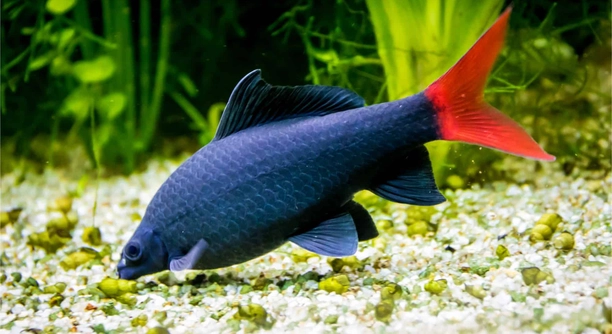
Is your rainbow shark acting differently or showing signs that something might be off in its usual routine or behavior?
Rainbow sharks may show signs of stress, aggression, or poor health when their environment no longer meets their needs. These signs often signal a need for changes in tank conditions, space, companions, or water quality.
Noticing these signs early can help you improve your fish’s well-being and create a healthier, more peaceful aquarium environment.
Aggression Toward Tank Mates
Rainbow sharks are territorial by nature, but excessive aggression can mean your fish is stressed or feels crowded. Chasing, nipping, or constant harassment of other fish may show that the tank is too small or lacks proper hiding spaces. This behavior can cause injury or stress to tank mates, leading to a less stable aquarium. Larger tanks with well-placed decorations help reduce territorial conflict. If aggression continues, it may be best to house the rainbow shark alone or with carefully chosen species. Constant fighting is a sign that the environment no longer supports peaceful living conditions for your fish.
Aggression may also increase as the fish ages and matures. Males, in particular, can become more dominant over time, especially in tanks with limited space.
Avoid keeping rainbow sharks in tanks smaller than 55 gallons. Choose non-aggressive bottom dwellers or fast-moving fish as companions. Provide caves or plants to help break line of sight.
Hiding Constantly
A rainbow shark that hides more than usual may be feeling unsafe. This can happen when there are too many bright lights, frequent movement outside the tank, or aggressive tank mates.
Stress from an unsuitable environment often leads to withdrawn behavior. If your rainbow shark hides for hours at a time, barely emerging for food, it may be reacting to poor tank conditions. Changes in water quality, lack of space, or bullying can all lead to this behavior. Rainbow sharks need territory to claim as their own, and if they feel threatened or overwhelmed, they will stay hidden. Dim the lighting, provide hiding spots like driftwood or caves, and monitor water parameters closely. If the shark is housed with other bottom dwellers, make sure there’s enough space and structure for each to claim separate territories. A confident rainbow shark should swim actively and explore its surroundings. Long periods of hiding show it’s time to reevaluate the environment.
Unusual Swimming Patterns
Odd swimming behavior can be a clear sign your rainbow shark feels uncomfortable in its environment. If it’s darting around, crashing into objects, or swimming in circles, something in the tank may be off.
This behavior is often linked to poor water quality, high ammonia, or sudden changes in pH or temperature. Check for overcrowding, since too many fish in the tank can create stress. Rainbow sharks are also sensitive to vibrations and sudden light changes, which can lead to erratic movement. A quiet, stable environment with consistent lighting helps minimize these issues. Always test your water regularly and make gradual adjustments. Fluctuations in parameters can affect their nervous system, causing them to act out of character. Keeping the tank balanced and clean is key to maintaining normal swimming habits and overall health.
Tank layout matters too. A cluttered tank with little swimming room may stress the fish, causing panicked behavior. Make sure there’s enough open space for the shark to move freely. Limit decorations to the tank’s sides and corners to give it a clear path. Strong currents can also disrupt their movement, so adjust filters if the water flow seems too harsh. A calm, stable layout can reduce this kind of erratic behavior.
Faded or Dull Coloring
Dull coloring is usually a sign of chronic stress or illness. Healthy rainbow sharks have deep gray bodies and vibrant red fins. When color fades, it can signal poor diet, bad water conditions, or emotional stress.
Poor water quality affects your fish’s ability to thrive. Even slight spikes in ammonia or nitrite levels can reduce their color. Temperature that’s too high or too low can also play a part. If your rainbow shark’s diet is lacking variety, the loss of essential nutrients can dull its natural colors. Feed a mix of quality flakes, sinking pellets, and occasional live or frozen food to maintain its health. Stress from tank mates or lack of space can also lead to faded fins. When color loss appears alongside hiding or aggression, it’s time to evaluate the entire tank setup for possible triggers. A healthy environment supports vibrant coloring and activity.
Loss of Appetite
A rainbow shark that stops eating or shows less interest in food might be dealing with stress or illness. Poor water quality, temperature shifts, or lack of privacy can all lead to decreased appetite and energy.
Watch how your fish responds during feeding. If it avoids food or only eats a small amount, test your water and check for signs of infection or bullying. An unhealthy environment often disrupts normal feeding habits.
Gasping at the Surface
Gasping at the water’s surface often means oxygen levels are too low. This can be caused by poor aeration, overcrowding, or high water temperatures. Increase surface movement using a bubbler or adjust your filter to improve oxygen exchange. Always keep water parameters stable and avoid sudden shifts.
Excessive Hiding After Tank Changes
Frequent hiding after a water change or rearranging decor shows the fish feels unsafe or unsettled. It may take days to readjust if changes are too drastic. Stick to gradual updates and keep hiding spots consistent.
FAQ
How often should I change my rainbow shark’s water?
Water changes are essential for maintaining a healthy environment. For most tanks, changing 20-30% of the water weekly works well. If the tank is smaller or more crowded, more frequent changes may be needed. Always use dechlorinated water to avoid harming your fish.
What water parameters are best for rainbow sharks?
Rainbow sharks thrive in water with a temperature between 72°F and 79°F (22°C–26°C). The pH should stay between 6.5 and 7.5, with low ammonia and nitrite levels. Regular testing helps catch any problems early before they stress the fish.
Can rainbow sharks live with other fish?
They can, but caution is needed. Rainbow sharks are semi-aggressive and territorial, especially in small tanks. Ideal tank mates are fast-moving mid or top dwellers like tetras or barbs. Avoid other bottom-dwelling fish or slow, peaceful species that may get bullied.
Why is my rainbow shark hiding so much?
Excessive hiding often means stress. Possible causes include aggressive tank mates, poor water quality, or lack of hiding places. Make sure the tank is spacious, clean, and provides caves or plants where the shark can retreat comfortably.
What do I feed a rainbow shark?
A varied diet keeps them healthy. Feed high-quality sinking pellets or wafers designed for bottom feeders. Supplement with frozen or live foods like bloodworms and brine shrimp to provide protein and keep their colors bright.
How big should my tank be?
At least 55 gallons is recommended. Rainbow sharks grow to about 6 inches and need room to swim and establish territory. Smaller tanks increase stress and aggression, which can lead to health problems and poor behavior.
Why is my rainbow shark showing aggression?
Territorial behavior is normal, but if it becomes excessive, the tank may be too small or overcrowded. Aggression can also increase if there aren’t enough hiding spots or if water conditions are poor. Adjusting tank size or layout often helps reduce conflicts.
How do I know if water quality is causing problems?
Watch for signs like faded colors, unusual swimming, loss of appetite, or gasping at the surface. Regularly test ammonia, nitrite, nitrate, pH, and temperature to catch issues early. Clear water does not always mean good quality, so testing is key.
Can sudden changes harm my rainbow shark?
Yes, sudden changes in water temperature, pH, or tank setup can stress your fish. Always make changes gradually to give your shark time to adapt. Quick shifts often cause hiding, erratic swimming, or loss of appetite.
How can I reduce stress in my rainbow shark?
Provide a stable environment with consistent water conditions and proper tank mates. Include hiding spots, keep the tank clean, and avoid overcrowding. Minimize sudden movements or loud noises near the tank that can scare the fish.
What signs indicate my rainbow shark needs a new environment?
Signs include persistent aggression, constant hiding, faded colors, erratic swimming, loss of appetite, or gasping for air. These behaviors often mean the current setup is not meeting its needs, and changes to tank size, water quality, or companions are necessary.
Is it okay to keep more than one rainbow shark together?
It’s generally not recommended unless the tank is very large (over 75 gallons) and has plenty of hiding spaces. Multiple rainbow sharks will often compete for territory and become aggressive toward each other in smaller tanks.
How long do rainbow sharks live?
With proper care, they can live up to 8 to 10 years. Providing a stable environment, good water quality, and a balanced diet are important for longevity.
What should I do if my rainbow shark looks sick?
Isolate the fish in a quarantine tank if possible. Check water parameters immediately. Treat common illnesses like ich or fungal infections with appropriate medication. Consult a veterinarian or aquarium expert if unsure.
Can rainbow sharks tolerate changes in tank decor?
They can, but sudden rearrangements can cause stress. Introduce changes gradually and keep some familiar hiding spots to help the fish adjust. Frequent or drastic changes may lead to hiding or aggression.
How do I properly acclimate a new rainbow shark?
Float the bag in the tank for 15-20 minutes to equalize temperature. Slowly add small amounts of tank water to the bag over 30 minutes before releasing the fish. This helps reduce shock and makes the transition smoother.
Final Thoughts
Taking care of a rainbow shark means paying close attention to its behavior and environment. This fish is sensitive to changes and needs a stable tank to thrive. When signs like aggression, hiding, or faded colors appear, it often means the current environment is no longer suitable. Making timely adjustments, such as improving water quality, providing enough space, and offering hiding places, can greatly improve the fish’s well-being. Observing your rainbow shark regularly helps catch problems early, preventing stress or illness.
Maintaining proper tank conditions is key for the health and happiness of your rainbow shark. Water temperature, pH levels, and cleanliness should be checked often to ensure they stay within safe ranges. It’s also important to provide a large enough tank with thoughtful decorations that allow the fish to claim territory and feel secure. Overcrowding or unsuitable tank mates can cause stress and aggression. Feeding a balanced diet keeps your fish strong and supports its vibrant colors, making your aquarium more lively and attractive.
Remember that a rainbow shark’s environment is not just about aesthetics; it directly affects the fish’s behavior and health. Regular care and attention create a peaceful tank where the fish can live comfortably for many years. When you notice signs that your rainbow shark needs a change of environment, don’t hesitate to take action. A well-maintained habitat benefits not only the rainbow shark but all the creatures sharing the tank, resulting in a balanced and enjoyable aquarium.

Hello,
If you enjoy the content that we create, please consider saying a "Thank You!" by leaving a tip.
Every little bit helps us continue crafting quality advice that supports the health, happiness, and well-being of pets around the world, for pets of all shapes, sizes, and species.
We really appreciate the kindness and support that you show us!