
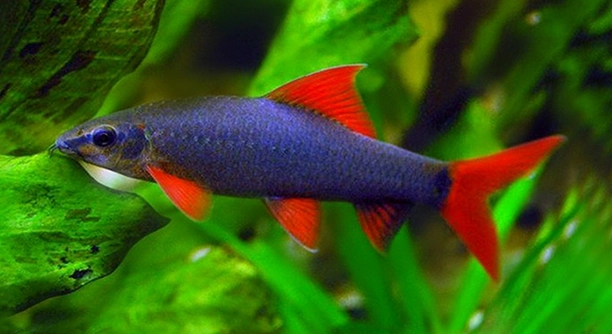
Are your rainbow sharks growing faster than expected? Rapid growth in these fish can sometimes indicate underlying issues in their environment or diet. Knowing the signs early can help maintain a healthy aquarium and avoid future problems.
Rapid growth in rainbow sharks often results from overfeeding, water quality imbalance, or genetic factors. These conditions can lead to stress, deformities, and shortened lifespan if not managed properly. Monitoring growth rates and adjusting care routines is essential for their well-being.
Recognizing these signs will help you support your fish’s healthy development and maintain a balanced aquatic environment. The following points highlight what to watch for.
Rapid Growth and Overfeeding
Overfeeding is one of the main reasons rainbow sharks grow too quickly. When they receive more food than necessary, their metabolism speeds up, leading to fast growth. This can strain their internal organs and make them more vulnerable to disease. Overfeeding also causes water quality issues, as uneaten food decomposes and increases ammonia levels. Maintaining a consistent feeding schedule with controlled portions is key. Feed your rainbow shark small amounts once or twice a day, avoiding excess leftovers. Observing how much your fish eats will help you adjust portions to prevent rapid growth and water problems. Balanced feeding supports their health and helps maintain a stable environment in the tank.
Overfeeding often leads to more waste, which affects water quality. Poor water conditions make it harder for fish to thrive.
It’s important to remember that fast growth is not always healthy. By feeding appropriately, you help your rainbow shark stay strong and avoid stress. Controlling food intake also keeps the tank cleaner and your fish active.
Signs of Stress from Rapid Growth
Rapid growth can cause physical and behavioral stress in rainbow sharks. You may notice changes like irregular swimming, hiding, or loss of appetite. Physically, their fins might appear clamped or frayed, and body shape could look distorted. These signs indicate that the fish is struggling to adapt to its fast-growing body. Stress weakens the immune system, making the fish prone to infections. Stress also reduces their lifespan, so early detection is important.
If you see these signs, check the tank conditions immediately. Test water parameters like ammonia, nitrites, nitrates, and pH. Poor water quality is a common factor that worsens stress symptoms in fish. Ensure your filtration system is working efficiently and consider partial water changes to improve the environment. Also, review your feeding routine to avoid overfeeding.
In some cases, rapid growth results from genetic factors or tank overcrowding. Overcrowding increases competition for resources and space, adding to the stress. Adjusting tank size or reducing fish numbers can improve well-being. Remember, creating a calm and stable habitat helps your rainbow shark handle growth changes better. Regular observation and tank maintenance are crucial steps in managing their health.
Impact on Tank Environment
Rapidly growing rainbow sharks produce more waste, which can quickly unbalance the tank’s ecosystem. Excess waste raises ammonia and nitrate levels, stressing all aquatic life. Regular water testing is essential to keep these chemicals in safe ranges and maintain water clarity.
Keeping water clean involves consistent filtration and frequent water changes. A strong filter helps remove toxins and keeps oxygen levels stable. Partial water changes every week reduce harmful buildup. Overgrown fish can also disturb plants and decorations, increasing debris in the tank. Monitoring the environment closely ensures your fish stay healthy and your tank remains balanced.
If you notice algae blooms or cloudiness, it could be linked to the faster growth and waste production. Adjusting tank maintenance routines helps counter these effects. Maintaining proper water quality supports both your rainbow shark and other tank inhabitants, preventing further stress or illness caused by poor conditions.
Nutritional Adjustments for Healthy Growth
Changing your rainbow shark’s diet is necessary if it grows too quickly. Reducing the quantity of food while focusing on high-quality, balanced nutrition prevents excessive growth and related health problems. Feed a mix of protein and vegetable-based foods to meet their dietary needs without encouraging too much weight gain.
Incorporate pellets, flakes, and occasional live or frozen foods like bloodworms or brine shrimp. This variety ensures your fish gets essential nutrients without overeating. Avoid feeding high-fat treats frequently, as they contribute to rapid growth and fat deposits.
Pay attention to feeding frequency. Feeding smaller amounts two times a day is better than one large meal. It helps regulate metabolism and reduces waste. Proper nutrition and portion control are key to maintaining a healthy growth rate and preventing stress from sudden size changes.
Monitoring Growth Rates
Tracking your rainbow shark’s size regularly helps catch rapid growth early. Use a ruler or measuring tape to record length every few weeks. Consistent measurements reveal any unusual growth patterns.
Comparing growth with other fish in the tank can also show if your rainbow shark is growing faster than normal. Keep notes to share with a vet if needed.
Adjusting Tank Size
A larger tank provides more space for growing rainbow sharks, reducing stress and aggression. Crowded tanks force fish to compete for resources, which can worsen health issues related to rapid growth.
Upgrading to a bigger tank helps your fish swim comfortably and promotes healthier development. It also allows for better water circulation and improved filtration.
Signs of Physical Changes
Rapid growth may cause visible physical changes like swollen bellies or uneven body shapes. These signs indicate health problems that need attention. Watching for these changes helps you act quickly to improve care and prevent lasting damage.
FAQ
Why is my rainbow shark growing so fast?
Rapid growth in rainbow sharks usually results from overfeeding, ideal water conditions, or genetic factors. When they get more food than needed, their metabolism speeds up, causing faster growth. Clean, warm water and good nutrition also support growth, but too much of these can lead to unhealthy size increases.
How can I slow down my rainbow shark’s growth?
Adjusting your feeding routine is the best way to slow growth. Feed smaller portions less frequently and focus on balanced nutrition. Avoid overfeeding and high-fat foods. Also, maintain proper tank size and water quality to reduce stress, which can contribute to abnormal growth.
Is fast growth harmful to rainbow sharks?
Yes, rapid growth can cause stress, organ strain, and deformities. It may shorten their lifespan and make them more vulnerable to disease. Monitoring growth and adjusting care helps prevent these problems and supports long-term health.
What signs show my rainbow shark is growing too quickly?
Look for physical changes like bloated bellies, uneven body shapes, or frayed fins. Behavioral signs include hiding, sluggishness, or reduced appetite. These indicate stress or health issues caused by fast growth.
How often should I measure my rainbow shark?
Measure your fish every two to four weeks to track growth. Use a ruler or measuring tape along the body length. Regular tracking helps catch problems early and allows timely adjustments.
Can tank size affect growth?
Yes, a small or overcrowded tank can increase stress and encourage rapid or unhealthy growth. Larger tanks provide space to swim freely, which helps maintain a healthy growth rate and reduces aggression.
What role does water quality play in growth?
Good water quality supports healthy growth, but poor conditions cause stress and illness. High ammonia or nitrate levels, incorrect pH, or poor filtration can harm your rainbow shark. Regular water testing and changes keep the environment safe.
How do I maintain good water quality?
Use a reliable filtration system and perform partial water changes weekly. Test water for ammonia, nitrites, nitrates, and pH regularly. Remove uneaten food and waste to prevent toxic buildup.
What should I feed my rainbow shark to support healthy growth?
Offer a balanced diet of quality pellets or flakes, supplemented occasionally with live or frozen foods like bloodworms or brine shrimp. Include vegetable-based foods to provide fiber and nutrients. Avoid fatty or sugary treats.
Can genetics cause fast growth?
Yes, genetics play a role. Some rainbow sharks naturally grow faster or larger than others. However, environmental factors like diet and tank conditions still greatly affect their growth and health.
When should I consult a vet?
If your rainbow shark shows signs of illness such as persistent bloating, unusual swimming, or loss of appetite despite proper care, seek veterinary advice. A vet can diagnose health issues linked to rapid growth and recommend treatment.
Is it normal for rainbow sharks to outgrow their tanks?
It’s common for rainbow sharks to outgrow small tanks. These fish need space to swim and explore. Upgrading to a larger tank prevents stress and allows for healthier growth.
Can stress from overcrowding cause fast growth?
Stress from overcrowding usually slows growth, but it can also cause irregular development. Crowding increases competition and weakens immune systems. Reducing tank population helps balance growth and health.
How often should I clean my tank when my fish is growing fast?
Clean the tank weekly by removing waste and changing 20-30% of the water. Rapid growth means more waste, so regular cleaning keeps the environment safe and comfortable for your fish.
Are there risks to slowing down growth artificially?
Slowing growth by controlling diet and environment is safe if done carefully. Avoid sudden changes or starvation, as these cause more harm. Gradual adjustments maintain health while preventing rapid growth problems.
Final thoughts on managing the growth of your rainbow shark focus on balancing care and observation. Rapid growth in these fish can sometimes signal underlying problems, such as overfeeding or poor water conditions. By keeping an eye on their size and behavior regularly, you can detect early signs of issues and take action before problems worsen. Simple steps like measuring your fish every few weeks and monitoring their swimming and eating habits are helpful ways to stay informed about their health.
Controlling feeding is one of the most important ways to manage growth. Feeding the right amount of high-quality food at scheduled times prevents overfeeding, which is a common cause of rapid growth. It also helps maintain good water quality, since less uneaten food means less waste buildup. Maintaining clean water through regular filtration and partial water changes further supports your rainbow shark’s health. Clean water reduces stress and illness, which can worsen problems related to fast growth.
Finally, providing enough space in the tank is essential. Crowding increases stress and can lead to health complications. A properly sized tank allows your rainbow shark to swim freely and develop at a healthier pace. Paying attention to these details—feeding, water quality, and tank size—creates a stable environment where your fish can thrive. Consistent care and observation help ensure your rainbow shark lives a long, healthy life, even if it grows quickly.

Hello,
If you enjoy the content that we create, please consider saying a "Thank You!" by leaving a tip.
Every little bit helps us continue crafting quality advice that supports the health, happiness, and well-being of pets around the world, for pets of all shapes, sizes, and species.
We really appreciate the kindness and support that you show us!