
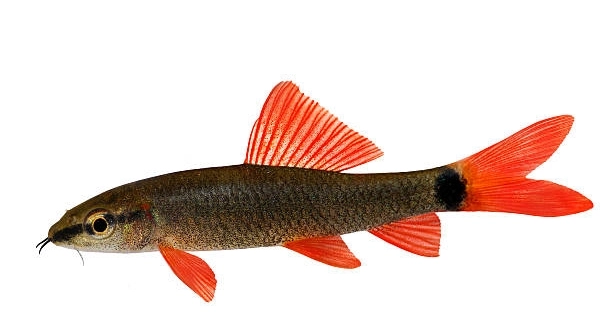
Rainbow sharks are popular freshwater fish known for their striking colors and active behavior. They require careful handling, especially during tank cleaning, to avoid injury. Maintaining their safety is essential for a healthy aquarium environment.
Preventing injury to rainbow sharks during tank cleaning involves gentle handling, avoiding sudden movements, and minimizing direct contact. Using soft nets, maintaining stable water conditions, and cleaning in sections reduces stress and the risk of harm to these delicate fish.
Following these simple practices will help keep your rainbow shark safe and comfortable during tank maintenance. Proper care supports their well-being and long-term health in your aquarium.
Handle Rainbow Sharks with Care
Rainbow sharks have delicate bodies that can easily be injured by rough handling or sharp objects during tank cleaning. Always use a soft net designed for fish, avoiding metal or hard plastic nets that can damage their fins or scales. When removing the fish from the tank, do it slowly and calmly to prevent sudden movements that may cause stress or injury. It’s important to keep your hands clean and wet if you need to touch the fish, as dry hands can harm their protective slime coat. Additionally, try to minimize the time the fish spends out of the water. These small steps make a big difference in protecting your rainbow shark during routine maintenance.
Avoid grabbing the fish directly whenever possible to reduce stress and injury risks.
Keeping your rainbow shark safe means treating it gently throughout cleaning. A calm, careful approach protects their health and reduces the chance of injury. Using the right tools and techniques ensures your fish stays comfortable and healthy. Over time, this will help maintain a peaceful tank environment, where all inhabitants can thrive.
Maintain Stable Water Conditions
Water quality can change quickly during cleaning, which can stress rainbow sharks. Sudden shifts in temperature, pH, or chemical levels increase their vulnerability to injury and illness. To avoid this, clean the tank in small sections rather than all at once. This approach maintains a more stable environment and prevents drastic changes. Use a water conditioner to neutralize chlorine or chloramines in tap water before adding it back to the tank. Monitor water parameters regularly with testing kits to catch any imbalances early. Stable water conditions reduce stress, allowing your rainbow shark to stay healthy and recover quickly if minor injuries occur.
Keeping the water consistent is essential for your fish’s well-being.
Gradual changes protect your rainbow shark during cleaning and keep it from getting sick. Taking time to test and adjust water quality before and after maintenance prevents dangerous fluctuations. If temperature differences are noticeable, warm new water to match the tank’s temperature. Consistent water conditions support your fish’s immune system and prevent stress-related injuries. Over time, careful water management leads to a more balanced tank, promoting better fish health and longevity. This simple practice greatly improves your rainbow shark’s comfort and resilience.
Use Appropriate Cleaning Tools
Choosing the right tools is crucial for protecting your rainbow shark during tank cleaning. Avoid abrasive sponges or rough brushes that can harm their delicate fins and scales.
Soft brushes and gentle siphons help remove debris without disturbing the fish too much. A fine mesh net reduces the risk of injury when moving the fish. Using these tools carefully limits physical damage and stress. It also prevents accidental scraping against tank surfaces or decorations. Proper tools make cleaning safer and more efficient for both you and your rainbow shark.
Always check tools for sharp edges or rough spots before use. This simple step can prevent many injuries.
Clean One Section at a Time
Cleaning the tank gradually helps keep water conditions stable and reduces stress for your rainbow shark. Working in sections means less disturbance at once. This approach maintains beneficial bacteria and prevents sudden changes in water chemistry. When you clean one part of the tank, leave the rest intact to avoid shocking the fish.
A staged cleaning routine allows time for the tank to recover. It also lowers the chance of accidentally injuring your fish during maintenance. Spreading cleaning tasks over several days or sessions keeps the environment more balanced. Rainbow sharks stay calmer and healthier when the tank isn’t disrupted all at once. This method supports long-term aquarium health and reduces risks associated with heavy cleaning.
Avoid Sudden Movements
Sudden movements can startle rainbow sharks, causing them to injure themselves. Move slowly and calmly around the tank during cleaning to minimize stress.
Keeping a steady pace helps your fish stay relaxed. Quick motions may lead to crashes against tank walls or decorations, resulting in damage.
Provide Hiding Spots
Hiding places help rainbow sharks feel secure during cleaning. Use plants, caves, or decorations to create safe spaces where they can retreat when stressed.
These shelters reduce anxiety and protect fish from accidental harm. A well-structured tank supports their natural behavior and health.
Monitor Your Fish Closely
Watch your rainbow shark carefully after cleaning for any signs of injury or stress. Early detection allows prompt care and prevents worsening conditions.
FAQ
How do I know if my rainbow shark is injured after cleaning?
Look for visible signs like torn fins, missing scales, or unusual swimming behavior. The fish might hide more than usual or show lethargy. Red or inflamed areas on the body are also warning signs. Early observation helps you provide care before the injury worsens.
What should I do if I notice an injury?
Isolate the injured fish in a separate tank if possible to prevent infection. Use aquarium salt or recommended medications to aid healing. Keep water clean and stable, and avoid stressful activities around the tank until your fish recovers. Monitor the injury daily for improvements or worsening.
Can rainbow sharks heal from fin damage?
Yes, rainbow sharks can recover from fin damage if properly cared for. Clean, stable water and minimal stress are important. Avoid aggressive tank mates during recovery, and ensure the fish gets a nutritious diet to support healing.
How often should I clean the tank to prevent injury?
Regular partial cleanings every 1 to 2 weeks are best. Avoid deep or full cleanings too often, as they increase stress and injury risk. Frequent small cleanings help maintain water quality without disturbing the fish too much.
Is it okay to catch rainbow sharks during cleaning?
Catching fish should be minimized and done gently. Use a soft net and slow movements. Avoid catching the fish unless necessary, as it stresses them and raises injury chances. When unavoidable, handle with care and return the fish quickly to the tank.
What water temperature is best for rainbow sharks during cleaning?
Keep the water temperature stable between 74°F and 80°F (23°C to 27°C). Sudden changes during cleaning can shock the fish and increase injury risk. Warm water helps reduce stress and supports healing if injuries occur.
Are there special cleaning products safe for tanks with rainbow sharks?
Always use aquarium-safe products designed for fish tanks. Avoid household cleaners or chemicals. Use water conditioners that remove chlorine and chloramines from tap water. These products help keep the environment safe and reduce the chance of harming your fish.
How can I reduce stress for rainbow sharks during cleaning?
Minimize noise and fast movements near the tank. Clean in small sections and avoid removing too many decorations at once. Provide hiding spots for your fish to retreat. Maintaining stable water parameters also lowers stress during maintenance.
Can other tank mates cause injury to rainbow sharks?
Yes, aggressive or overly active tank mates can injure rainbow sharks. Ensure compatible species are kept together. Separate or remove aggressive fish if injuries occur. A peaceful community reduces physical harm and stress.
Should I quarantine new fish to protect my rainbow shark?
Quarantining new fish is highly recommended. It prevents introducing diseases or parasites that could harm your rainbow shark. A 2-4 week quarantine period helps ensure new additions are healthy before entering the main tank. This practice safeguards your fish’s health over time.
What diet supports healing after injury?
Provide a balanced diet rich in vitamins and proteins to boost the immune system. High-quality flakes, pellets, and occasional live or frozen foods like brine shrimp promote recovery. Avoid overfeeding, which can harm water quality and slow healing.
Is tank size important for preventing injuries?
A spacious tank gives rainbow sharks room to swim freely and avoid accidents. Overcrowding increases stress and physical injuries. Aim for at least a 30-gallon tank for one rainbow shark and add more space for additional fish to keep them safe and comfortable.
Can lighting affect rainbow shark behavior during cleaning?
Bright or flickering lights can stress rainbow sharks, especially during cleaning. Use gentle, consistent lighting to maintain calm. Dimming lights during maintenance may reduce sudden movements and help fish feel more secure.
How do I maintain beneficial bacteria when cleaning?
Avoid cleaning all surfaces or replacing all water at once. Partial cleanings keep beneficial bacteria colonies intact. These bacteria break down harmful waste and support a healthy tank environment, reducing stress and injury risk for your fish.
What signs show that cleaning practices need adjustment?
If your rainbow shark shows increased hiding, fin damage, or lethargy after cleaning, review your methods. Too much disturbance, rough handling, or unstable water conditions may be the cause. Adjust cleaning frequency, tools, and techniques to protect your fish better.
Maintaining the health and safety of a rainbow shark during tank cleaning is an important part of responsible fishkeeping. These fish are delicate and can easily get injured if care is not taken. Gentle handling, using the right tools, and keeping the tank environment stable all contribute to preventing injuries. By following simple steps like avoiding sudden movements and cleaning in sections, you reduce stress on the fish and help them stay healthy. Small changes in how you approach tank maintenance can make a big difference for your rainbow shark’s well-being.
Consistent water quality and a calm environment are essential for preventing harm. Rainbow sharks are sensitive to sudden changes in temperature, pH, or chemicals. Keeping the water stable during cleaning avoids unnecessary shock to the fish. Using a water conditioner and monitoring water parameters regularly ensures a safe environment. Providing hiding spots also helps rainbow sharks feel secure when the tank is disturbed. These practices support not only injury prevention but also the overall health and comfort of your fish.
Taking time to observe your rainbow shark after cleaning is equally important. Watch for signs of injury or stress and act quickly if you notice any problems. Early care and isolation when needed can prevent issues from getting worse. Remember that gentle care, proper cleaning methods, and attention to the fish’s behavior will help your rainbow shark thrive. Maintaining a safe environment benefits both the fish and the overall aquarium community, making tank cleaning a positive experience.

Hello,
If you enjoy the content that we create, please consider saying a "Thank You!" by leaving a tip.
Every little bit helps us continue crafting quality advice that supports the health, happiness, and well-being of pets around the world, for pets of all shapes, sizes, and species.
We really appreciate the kindness and support that you show us!