
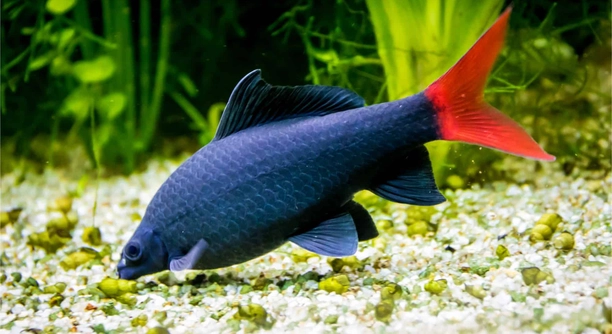
Many people enjoy keeping rainbow sharks in their home aquariums because of their unique colors and active nature. However, these fish can show signs of stress that affect their health and behavior. Recognizing these signs early helps in providing the best care for them.
Rainbow sharks often become stressed due to poor water quality, overcrowding, or lack of hiding spaces. Stress can cause changes in their swimming patterns, appetite, and color intensity, all of which negatively impact their well-being and survival.
Knowing how to spot stress in your rainbow shark and how to respond can make a big difference. This article will help you understand the common signs and offer practical ways to improve your fish’s environment.
Common Signs of Stress in Rainbow Sharks
Rainbow sharks often show stress through changes in their behavior and appearance. One clear sign is erratic swimming, where the fish darts around or stays at the bottom for long periods. Another sign is a loss of appetite, which can lead to weight loss and weakness. Their colors might also fade, making them look dull compared to their usual bright hues. Additionally, you might notice fin clamping, where the fins stay close to the body instead of spreading out. Some rainbow sharks may also scratch themselves against decorations or the tank walls, trying to relieve irritation. These behaviors are indicators that the fish is not comfortable in its environment and needs attention to prevent health problems.
Watching for these signs helps keep your rainbow shark healthy and happy in its tank.
Stress affects their overall health, making them more vulnerable to diseases and infections.
How to Improve Your Rainbow Shark’s Environment
Improving your rainbow shark’s environment starts with maintaining clean water. Regular water changes and monitoring water parameters like pH, ammonia, and nitrite levels are essential. Overcrowding can cause stress, so it’s important to provide enough space for each fish. Adding plenty of hiding spots such as plants, caves, or decorations helps the fish feel secure. Avoid keeping aggressive tank mates that might chase or bully your rainbow shark. Proper diet also supports their health—feeding a balanced mix of pellets, flakes, and occasional live or frozen food keeps them nourished. Monitoring temperature and keeping it stable between 72-79°F (22-26°C) is important, as sudden changes can stress the fish. Taking these steps creates a calm environment where your rainbow shark can thrive without stress.
Effects of Poor Water Quality
Poor water quality is a major cause of stress in rainbow sharks. High levels of ammonia, nitrites, or nitrates can harm their health quickly.
When water conditions deteriorate, rainbow sharks may become lethargic and lose their appetite. Their gills might look inflamed, and they can start gasping at the surface for air. Dirty water also encourages harmful bacteria and parasites that can cause infections. It’s important to test the water regularly and perform partial water changes to keep the environment safe. Using a good filtration system helps remove waste and toxins that build up over time.
Maintaining stable water parameters reduces stress and supports your rainbow shark’s immune system. Clear water and proper oxygen levels allow the fish to swim actively and display their natural colors. Frequent tank cleaning, combined with monitoring water quality, is the best way to keep your rainbow shark healthy.
Recognizing Aggression and Territorial Behavior
Rainbow sharks can become aggressive or territorial, especially in crowded tanks. This behavior often causes stress and injuries.
Aggression shows when your fish chases or nips at other tank mates. It may also guard a specific area of the tank, attacking anything that comes close. Stress increases when the fish has no place to retreat or hide. Providing enough space and decorations to break line of sight helps reduce fighting. Separating aggressive individuals or choosing more peaceful companions can improve harmony in the tank. Watching your fish’s interactions closely is key to preventing ongoing stress and harm.
Signs of Illness Linked to Stress
Stress can weaken a rainbow shark’s immune system, making it more prone to illness. Signs include white spots, torn fins, or unusual growths.
If you notice these symptoms, it’s important to isolate the fish and treat the tank promptly to prevent spreading diseases.
Proper Feeding to Reduce Stress
Feeding your rainbow shark a balanced diet supports its health and reduces stress. Provide high-quality pellets formulated for omnivores, supplemented with occasional live or frozen foods like bloodworms or brine shrimp. Avoid overfeeding, as leftover food pollutes the tank and worsens water quality.
Importance of Consistent Tank Maintenance
Regular tank maintenance is essential to keep stress levels low. Clean the tank, remove debris, and change part of the water weekly to ensure a healthy environment.
When to Seek Professional Help
If your rainbow shark shows persistent stress signs or illness, consult an aquatic veterinarian or experienced fish keeper for advice and treatment options.
FAQ
How do I know if my rainbow shark is stressed?
Signs of stress in rainbow sharks include erratic swimming, loss of appetite, faded colors, fin clamping, and scratching against tank decorations. These behaviors show that your fish is uncomfortable or unwell. Monitoring your fish closely helps you catch stress early before it leads to more serious health problems.
What causes stress in rainbow sharks?
Stress can come from poor water quality, overcrowding, lack of hiding spots, aggressive tank mates, or sudden changes in temperature. Each of these factors disrupts the fish’s comfort and safety. Keeping the tank clean, spacious, and stable helps reduce these stressors.
Can stress make my rainbow shark sick?
Yes, stress lowers the immune system, making your fish more vulnerable to infections and diseases like ich or fin rot. When stressed, rainbow sharks can also develop physical symptoms such as torn fins or white spots. Treating stress early is essential to prevent illness.
How often should I change the water to reduce stress?
A weekly partial water change of about 20-30% is ideal for maintaining good water quality. This helps remove harmful chemicals like ammonia and nitrates that build up over time. Regular water changes keep the environment healthy and reduce stress.
What is the best diet for a stressed rainbow shark?
A balanced diet includes high-quality pellets designed for omnivorous fish, along with occasional live or frozen foods like bloodworms or brine shrimp. Avoid overfeeding since leftover food can pollute the water, adding to stress.
Can tank decorations help reduce stress?
Yes, providing plenty of hiding spots with plants, caves, or decorations helps rainbow sharks feel safe. These shelters allow them to retreat and rest when they feel threatened or stressed. Without hiding places, they may become more aggressive or anxious.
How do I manage aggression between rainbow sharks?
Avoid overcrowding and provide enough space for each fish. Adding visual barriers like plants and decorations reduces line of sight, which lowers aggression. If aggression persists, separate the fish or choose peaceful tank mates.
What water temperature is best for rainbow sharks?
Keeping the water temperature steady between 72-79°F (22-26°C) is best. Sudden temperature changes cause stress, so avoid fluctuations by using a reliable heater and monitoring temperature regularly.
When should I seek professional help?
If your rainbow shark continues showing signs of stress or illness despite your efforts, it’s time to consult an aquatic veterinarian or experienced fish keeper. Persistent problems may require special treatment or advice beyond basic care.
Can stress cause my rainbow shark to hide all the time?
Yes, stressed fish often hide more to avoid perceived threats. If your rainbow shark is spending too much time hidden and not eating, this is a strong sign of stress or illness that needs attention.
Taking care of a rainbow shark means paying close attention to its behavior and environment. Stress is a common problem that can affect these fish if their needs are not met properly. When a rainbow shark shows signs of stress, it’s important to act quickly to improve its tank conditions. Regular water changes, keeping the tank clean, and providing enough space and hiding spots are key ways to reduce stress. These steps help the fish feel safe and comfortable, which supports its overall health.
Stress can make rainbow sharks lose their appetite, change their swimming habits, or show dull colors. These signs should never be ignored because stress weakens their immune system and can lead to illness. Watching your fish closely each day makes it easier to spot problems early. Adjusting water temperature to the right range, feeding a balanced diet, and avoiding overcrowding can prevent many stress-related issues. Being consistent with tank maintenance creates a stable environment where your fish can thrive.
Remember that each rainbow shark is unique and may react differently to changes in its surroundings. Paying attention to how your fish behaves helps you understand what it needs. If problems continue or your fish looks sick, don’t hesitate to get advice from a professional. Taking simple but regular steps to reduce stress will help your rainbow shark live a longer, healthier life in your aquarium.

Hello,
If you enjoy the content that we create, please consider saying a "Thank You!" by leaving a tip.
Every little bit helps us continue crafting quality advice that supports the health, happiness, and well-being of pets around the world, for pets of all shapes, sizes, and species.
We really appreciate the kindness and support that you show us!