
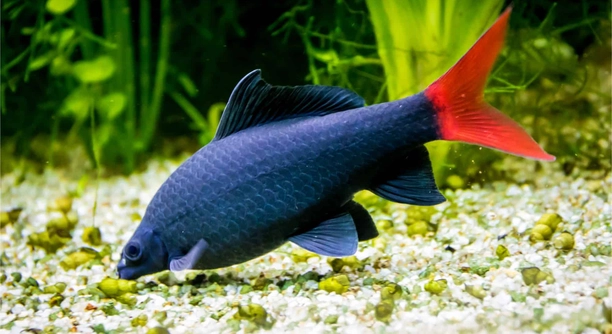
Are your rainbow sharks hiding when it’s time to eat? Many owners notice their fish acting shy around feeding but aren’t sure if it means something is wrong. This article helps identify signs of a shy rainbow shark during mealtime.
A rainbow shark that is too shy to eat often stays hidden in caves or plants, avoids food near the surface, and may show signs of stress like rapid breathing or dull colors. These behaviors indicate discomfort or fear rather than normal feeding habits.
Understanding these signs can improve your fish’s care and help you create a more comfortable environment for your rainbow shark to thrive.
Signs Your Rainbow Shark Is Hiding During Feeding
When your rainbow shark avoids the feeding area, it may be too shy to eat. These fish like to swim around the tank but sometimes retreat to hiding spots when they feel nervous. You might see your shark staying under rocks, inside caves, or behind plants during feeding time. It won’t come out even when food is added, unlike other fish. This behavior can be because of new surroundings, loud noises, or other aggressive fish in the tank. Shy rainbow sharks often wait for the tank to be quiet or safe before they eat. It helps to watch quietly and avoid sudden movements that can scare them more. Giving your fish a peaceful environment encourages it to feel secure and eat regularly.
If your rainbow shark hides often, it may need more time to adjust or changes in its tank environment.
Keeping a calm and stable tank helps shy fish come out more often and eat comfortably.
Water Quality and Tank Setup
Poor water quality or an unsuitable tank setup can stress your rainbow shark, making it too shy to eat. Water that is dirty, too cold, or has improper pH can cause your fish to hide and lose appetite. Rainbow sharks prefer clean, well-filtered water with stable temperatures between 74 and 80°F (23 to 27°C). Strong water currents or a tank that is too small may also make your fish uncomfortable. Adding hiding spots with plants, caves, or decorations can help your fish feel safe. Avoid overcrowding the tank, as too many fish can create stress and competition for food. Regular water changes and monitoring water parameters are key to keeping your rainbow shark healthy and confident during feeding time. Making these changes usually improves your fish’s eating habits and overall behavior.
Feeding Time Habits
Rainbow sharks are naturally cautious when eating. They prefer to grab food quickly and then retreat to safety. If your fish seems hesitant or stays hidden even during feeding, it could be due to fear or stress. This behavior is common in shy individuals.
Some rainbow sharks may take longer to get comfortable with feeding routines. If you notice your fish darting out briefly to grab food but quickly disappearing, it means they feel safer eating in small bites. Offering food in small amounts can encourage them to come out more often without feeling threatened.
Watching your rainbow shark over several feedings helps you understand its habits better. Adjust feeding times to quieter parts of the day when the tank is calm. Avoid sudden movements or tapping on the glass, as this can scare the fish. Over time, these small changes create a more relaxed environment that helps your fish eat more confidently.
Tank Mates Impact
Other fish in the tank can affect your rainbow shark’s eating behavior. Aggressive or fast-feeding species may intimidate shy sharks and prevent them from accessing food easily. Rainbow sharks often avoid confrontations by hiding during feeding.
It’s important to choose peaceful, compatible tank mates. Fish that share similar temperaments or slower feeders reduce competition. Observing how your rainbow shark interacts with others during feeding reveals if tank mates are causing stress. If aggression or bullying occurs, consider rearranging the tank or separating fish to give your shark a safe space to eat. A calm environment helps shy fish build trust and encourages regular feeding without fear.
Feeding Schedule Consistency
A consistent feeding schedule helps rainbow sharks feel more secure. Feeding your fish at the same times each day creates a routine they can predict, reducing anxiety around mealtime.
Irregular feeding times may confuse shy fish, causing them to hide or avoid eating. Keeping a steady schedule encourages them to come out when food is offered.
Types of Food Offered
Rainbow sharks can be picky eaters. Offering a variety of foods like pellets, flakes, and live or frozen treats ensures they get enough nutrition and helps stimulate their appetite. Changing up food types can encourage shy fish to try eating more regularly.
Stress Factors
Stress greatly affects a rainbow shark’s willingness to eat. Loud noises, sudden movements, or frequent tank disturbances can make them hide and refuse food.
Reducing stress by keeping the tank environment calm and stable supports healthier feeding habits and overall fish well-being.
FAQ
Why is my rainbow shark hiding and not eating?
Rainbow sharks often hide when they feel scared or stressed. New tank setups, aggressive tank mates, or poor water conditions can cause this. When a rainbow shark hides, it may avoid eating because it doesn’t feel safe. Checking the tank environment and making sure water quality is good can help your fish feel more comfortable and start eating again.
How long can a rainbow shark go without eating?
Rainbow sharks can survive for a few days without food, but it’s not healthy for them to go too long. If your fish stops eating for more than three days, it may be a sign of illness or stress. In that case, review water quality, tank mates, and feeding methods to find the cause and improve the situation.
What foods do rainbow sharks like best?
Rainbow sharks prefer sinking pellets, flakes, and frozen or live foods like bloodworms or brine shrimp. Offering a variety keeps them interested and ensures good nutrition. Feeding small amounts several times a day rather than one large feeding helps encourage shy eaters to come out more often.
Can poor water quality cause a rainbow shark to stop eating?
Yes, poor water quality is one of the main reasons rainbow sharks stop eating. High ammonia, nitrite, or nitrate levels cause stress and illness. Make sure to test your water regularly and perform partial water changes to keep it clean and safe. Stable temperature and pH also help your fish stay healthy.
How do I know if my rainbow shark is stressed?
Signs of stress include hiding more than usual, loss of color, rapid breathing, and erratic swimming. A stressed rainbow shark may refuse to eat and become less active. Reducing stress factors such as loud noises, overcrowding, and sudden changes in the tank environment improves their well-being.
Is it normal for rainbow sharks to be shy?
Yes, rainbow sharks can be naturally shy, especially when new to a tank. They often prefer hiding spots and come out mostly during feeding or quiet times. Over time, they usually grow more comfortable if the environment is stable and peaceful.
Can tank mates affect my rainbow shark’s eating habits?
Yes, aggressive or fast-feeding tank mates can intimidate rainbow sharks, making them too shy to eat. Peaceful fish and similar-sized species help reduce competition. If your rainbow shark hides when other fish are eating, it might be necessary to rearrange or separate them.
Should I feed my rainbow shark differently if it’s shy?
Feeding smaller amounts more often and offering food near hiding spots can help shy rainbow sharks eat more confidently. Avoid overfeeding other fish so your rainbow shark has a better chance to get food. Watching your fish’s behavior helps you adjust feeding times and methods.
When should I worry about my rainbow shark not eating?
If your rainbow shark refuses food for more than three days or shows signs of illness like weight loss, dull colors, or lethargy, it’s time to take action. Test water quality, check for illness, and review tank conditions. Consulting a fish expert or vet may be needed for serious concerns.
How can I encourage a shy rainbow shark to eat?
Create a calm tank environment with plenty of hiding places and stable water conditions. Feed during quiet times and offer a variety of foods in small amounts near the fish’s favorite spots. Be patient; with time and gentle care, most shy rainbow sharks begin eating regularly.
Final Thoughts
Taking care of a rainbow shark that is shy about eating requires patience and attention to detail. These fish have unique personalities and may take time to adjust to their environment. It is important to create a stable tank with clean water, proper temperature, and plenty of hiding spots. When their surroundings feel safe, rainbow sharks are more likely to come out and eat regularly. Observing their behavior over time helps you understand their needs better and make any necessary changes.
Feeding habits can be affected by many factors, including tank mates, water quality, and feeding schedule. A shy rainbow shark might hide during feeding if other fish are too aggressive or if the food is offered at inconsistent times. Offering small amounts of food multiple times a day and feeding near their hiding places can encourage them to eat more comfortably. Choosing peaceful tank mates that do not compete aggressively for food can also help reduce stress. Keeping a consistent routine and gentle environment helps shy fish feel secure.
It is normal for rainbow sharks to be cautious, especially when new to a tank or facing changes in their environment. However, prolonged hiding or refusal to eat should not be ignored. These signs can point to stress, illness, or unsuitable tank conditions. Regular water tests, proper feeding, and careful observation are key to keeping your fish healthy. With time and care, most shy rainbow sharks will become more confident, enjoy their meals, and show their bright colors. Patience and good tank management are the best tools for helping your rainbow shark thrive.

Hello,
If you enjoy the content that we create, please consider saying a "Thank You!" by leaving a tip.
Every little bit helps us continue crafting quality advice that supports the health, happiness, and well-being of pets around the world, for pets of all shapes, sizes, and species.
We really appreciate the kindness and support that you show us!