
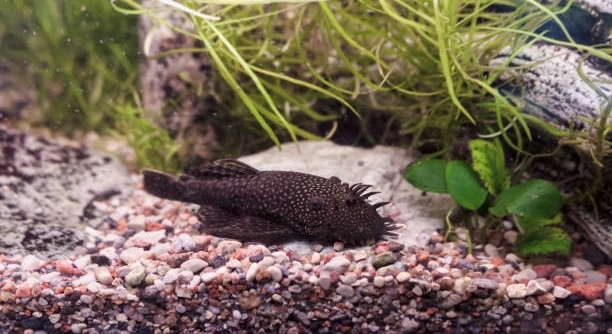
Have you ever noticed your pleco spending more time near hiding spots or showing unusual activity in the tank? These subtle changes can signal that your fish is entering a new stage of life. Observing their behavior carefully helps.
Plecos display clear physical and behavioral signs when ready to breed. Key indicators include changes in body size, color intensity, fin condition, and increased activity around caves or surfaces, signaling readiness for reproduction and the potential for spawning.
Recognizing these signs early ensures proper preparation and creates an environment that supports healthy breeding for your plecos.
Increased Hiding and Nesting Behavior
When a pleco is preparing to breed, you may notice it spending more time in its cave or behind decorations. This behavior shows that the fish is feeling territorial and is looking for a secure place to lay eggs. It may start moving substrate or small objects around the tank to create a more suitable environment. Both males and females show interest in hiding spots, but males usually guard the area more closely. Observing this behavior consistently over several days is a strong indication that your pleco is preparing for reproduction. Tank conditions, such as water temperature and pH, also influence these behaviors. Making sure the habitat is stable and safe can encourage your pleco to continue its nesting habits. Gentle observation without disturbing the fish is important to avoid stress, which can delay breeding or affect overall health.
This behavior often comes with slight color changes and increased activity around the chosen cave.
Watching these subtle actions helps identify readiness. Preparing the tank with proper hiding spots ensures a smoother breeding process and reduces stress for both fish.
Color and Physical Changes
Plecos ready to breed often display deeper body colors and a fuller, more robust appearance.
Physical changes are a reliable indicator of breeding readiness. Males may develop brighter markings or small bristles, while females appear rounder in the belly due to eggs. These visual cues usually appear alongside changes in behavior. Environmental factors like temperature, diet, and tank cleanliness can enhance or suppress these physical signals. Consistent observation allows you to notice these shifts early, giving you time to adjust the tank conditions to support breeding. Providing proper nutrition, including fresh vegetables and occasional protein, can also help maintain their optimal health.
Monitoring both color intensity and body shape over several weeks gives insight into the timing of spawning. Recognizing the differences between males and females ensures you can anticipate the breeding process. A well-prepared tank, combined with attentive observation, significantly increases the chances of successful spawning. Adjusting water parameters gradually to match their natural breeding conditions encourages these physical and behavioral changes. With patience, you will notice subtle shifts that indicate readiness, allowing you to support your plecos without unnecessary intervention. These visual cues, paired with behavioral signs, create a clear picture of reproductive readiness in your tank.
Increased Activity Around Tank Surfaces
Plecos ready to breed often become more active near tank surfaces or decorations. They may inspect caves repeatedly or move small objects, showing a strong interest in preparing a suitable spawning site. These actions signal that they are ready to reproduce and establish territory.
Males especially patrol the area around hiding spots, ensuring no other fish intrude. They may hover near the cave entrance, sometimes flaring their fins or showing subtle aggression toward tankmates. Females follow more cautiously, occasionally entering the area to inspect and select nesting locations. These behaviors are consistent and usually appear alongside changes in color and body shape. Observing this increased activity helps you identify which pleco is taking the lead in nesting and which may be preparing to lay eggs. Adjusting tank conditions, like stable water temperature and proper lighting, supports this natural behavior and reduces stress.
This heightened activity also signals that feeding patterns may change. Plecos may become more selective or eat less as they focus on nesting tasks, so monitoring diet is important to maintain health during this period.
Changes in Fin Condition
Fin condition often reflects breeding readiness, with males showing longer, more pronounced fins and slight fraying at times. Females may have slightly rounded or fuller fins, indicating physical maturity for spawning.
Healthy fins are essential for successful breeding. Males use their fins to signal dominance and attract females, while females rely on them for swimming stability when inspecting nesting sites. Proper nutrition and clean water conditions maintain fin health, reducing the risk of injury or disease during this delicate period. Observation of fin changes over several weeks allows you to track progress and anticipate spawning events.
Monitoring fin condition also helps prevent aggressive interactions in a shared tank. When plecos display minor fin wear, it’s often due to natural breeding activity rather than illness. Ensuring the tank is free of sharp objects and maintaining consistent water quality minimizes risks. This combination of physical observation and environmental care creates an optimal setting for breeding, supporting both fish health and reproductive success.
Restlessness and Frequent Movement
Plecos ready to breed often show increased restlessness. They swim more actively around the tank, especially near caves or hiding spots. This movement is part of their natural preparation for spawning.
Restlessness also includes occasional nudging of tank decorations or substrate. Both males and females display this behavior as they prepare the area for egg laying and guarding.
Brighter Coloration
Breeding plecos often develop more intense colors. Males usually display richer tones, while females may show subtle changes along their bodies. These visual cues indicate physical readiness for reproduction. Proper nutrition and stable water conditions help maintain these color changes, which often accompany other breeding behaviors.
Body Swelling in Females
Females ready to spawn may develop a noticeably rounder belly. This swelling is due to egg development and indicates they are approaching the spawning phase. Monitoring this physical change alongside other behaviors provides a reliable signal that reproduction is imminent.
FAQ
How do I know if my pleco is male or female?
Males often have more pronounced bristles on their heads and larger, more angular fins. Females generally have rounder bodies, especially around the belly when carrying eggs. Observing behavior can also help: males tend to guard caves and patrol nesting areas, while females are more cautious and selective in entering these spaces. Combining visual cues with behavioral observation gives the clearest picture of gender.
What tank conditions support breeding?
Stable water temperature, proper pH, and good filtration are essential. Most plecos prefer slightly warmer water, around 78–82°F, and a gentle current. Providing hiding spots, caves, and clean substrate helps them feel secure. Regular partial water changes maintain water quality, which encourages natural breeding behaviors and reduces stress.
How long does it take for plecos to spawn?
Once ready, spawning can occur within a few days to a week. The male typically prepares the cave and entices the female inside. After egg-laying, the male guards the eggs until they hatch, which usually takes 4–10 days depending on species and water temperature. Observing the male’s activity near the cave helps predict timing.
What should I feed plecos to encourage breeding?
A varied diet rich in vegetables, algae wafers, and occasional protein like bloodworms supports health and reproductive readiness. High-quality food ensures proper nutrition, which helps females develop eggs and males maintain stamina for guarding the nest. Feeding smaller amounts multiple times a day can stimulate natural foraging behavior.
Do plecos need a specific type of cave?
Yes, caves that mimic their natural environment are ideal. Smooth surfaces with enough space for the male to enter and guard are preferred. PVC pipes, ceramic tubes, or natural driftwood cavities can work. Depth and privacy matter; the more secure the location, the more likely the plecos will proceed with spawning.
Can plecos breed in a community tank?
It is possible but challenging. Other fish can stress the pair, interfere with the nest, or eat the eggs. A dedicated breeding tank provides a controlled environment, reduces disturbances, and increases the chances of successful hatching. Ensuring proper hiding spots and monitoring interactions is key if using a community setup.
What happens after the eggs are laid?
The male pleco usually guards the eggs, fanning them to keep them clean and aerated. Eggs typically hatch within 4–10 days. After hatching, the fry remain near the nest for a few days, absorbing yolk sacs before they start swimming freely. Monitoring water conditions during this period is crucial for survival.
How do I care for pleco fry?
Once free-swimming, fry need very fine food such as powdered algae or specially formulated fry pellets. Frequent small feedings and consistent water quality help them grow. Keeping the tank clean and minimizing stress from tankmates ensures the highest survival rate. Gradual introduction of other foods helps them transition to adult diets.
What signs indicate breeding stress?
Excessive hiding, fin damage, or refusal to eat can signal stress. Sudden aggression between the pair or with other tankmates may also appear. Stress can delay spawning or impact egg health. Adjusting tank conditions, improving hiding spaces, and reducing disturbances helps reduce stress and encourage normal breeding behavior.
How often can plecos breed?
This depends on species, age, and health. Many plecos can breed multiple times per year if conditions are optimal, but they require recovery time between spawning. Observing physical condition and behavior helps determine readiness for subsequent breeding cycles, ensuring the fish remain healthy and productive.
Are there signs that breeding won’t happen?
If the plecos show no interest in caves, ignore each other, or display prolonged stress behaviors, they may not be ready. Environmental factors, poor diet, or incompatible pairs often prevent breeding. Adjusting tank conditions, providing proper nutrition, and ensuring both fish are mature improves chances.
How can I prevent egg or fry loss?
Remove aggressive tankmates, provide sufficient hiding spots, and maintain water quality. Some breeders transfer eggs or fry to a separate tank to improve survival. Monitoring male behavior ensures the nest is protected, while gentle care and feeding routines support the development of healthy fry.
This FAQ covers the essential details needed to understand pleco breeding, from identifying males and females to caring for fry, ensuring you can create a supportive environment and successfully observe reproduction. Proper observation, tank setup, and care significantly increase the likelihood of healthy offspring.
Word count: 507
Final Thoughts
Breeding plecos can be a rewarding experience, but it requires careful observation and preparation. Recognizing the signs of readiness is the first step to supporting your fish through this process. Changes in behavior, such as increased hiding, restlessness, or frequent inspection of tank surfaces, indicate that your plecos are preparing for reproduction. Physical changes like brighter coloration, fin development, and swelling in females are equally important. These indicators help you understand when your fish are ready to spawn, allowing you to provide the right environment and care. Observing without disturbing them is crucial, as stress can delay or prevent breeding, so patience and attentiveness are key to successful outcomes.
Creating a suitable habitat is equally essential. Providing caves, smooth surfaces, and secure hiding spots encourages natural breeding behavior. Stable water conditions, including consistent temperature, pH, and cleanliness, support both the physical health and reproductive readiness of your plecos. Nutrition also plays a significant role. A varied diet of vegetables, algae, and occasional protein ensures that both males and females are in optimal condition for spawning. Maintaining these conditions reduces stress, increases the likelihood of successful egg-laying, and promotes healthy fry development. Watching how your plecos interact with the tank setup gives valuable insight into their comfort level and readiness to breed, so small adjustments can make a noticeable difference.
Once breeding begins, careful monitoring is important but should remain unobtrusive. The male usually guards the eggs and fans them to ensure proper oxygenation, while fry care requires specific attention to feeding and water quality. Understanding each stage, from egg-laying to free-swimming fry, allows you to provide the best support without interfering unnecessarily. Even after successful spawning, ongoing observation and maintenance of the tank are crucial to ensure the health of both adults and offspring. With consistent care, attention to environmental needs, and recognition of subtle behavioral and physical cues, breeding plecos can be a fulfilling experience. This process highlights the importance of patience, observation, and proper preparation in creating an environment where plecos can thrive naturally.
Word count: 407

Hello,
If you enjoy the content that we create, please consider saying a "Thank You!" by leaving a tip.
Every little bit helps us continue crafting quality advice that supports the health, happiness, and well-being of pets around the world, for pets of all shapes, sizes, and species.
We really appreciate the kindness and support that you show us!