
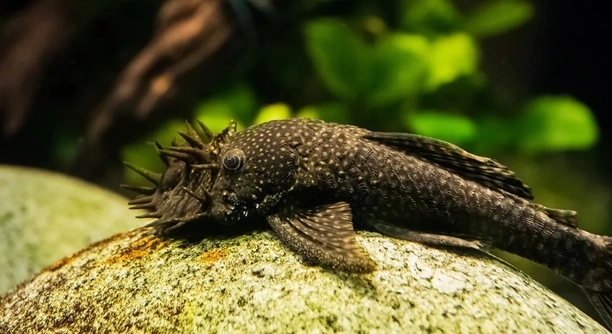
New bristlenose plecos are popular additions to freshwater aquariums due to their algae-eating habits and peaceful nature. Introducing them to your tank requires careful planning to ensure both their health and the stability of your aquatic environment.
Quarantining new bristlenose plecos before adding them to the main aquarium is strongly recommended. A quarantine period allows observation for diseases, parasites, and stress-related issues, reducing the risk of introducing pathogens that could harm established tank inhabitants.
Taking the time to quarantine helps protect both your new pleco and your existing fish population, creating a safer and healthier aquarium environment for everyone.
Why Quarantine Matters
Quarantining new bristlenose plecos gives them a safe space to adjust to a new environment. Even healthy-looking fish can carry hidden diseases or parasites that could spread quickly in an established tank. A separate quarantine tank reduces stress on the new fish and prevents potential harm to other inhabitants. During this time, you can monitor their eating habits, behavior, and overall health. If any signs of illness appear, treatment is easier and more effective in isolation. Quarantine also allows for proper acclimation to water parameters without sudden changes affecting the main aquarium. A controlled environment helps the pleco recover from transport stress, which often weakens their immune system. Observation over a few weeks gives confidence that the fish is ready for integration, minimizing risks. This simple precaution can save a lot of time, money, and heartache while keeping the aquarium balanced and healthy.
Quarantine protects both new and existing fish, ensuring a smooth transition without compromising tank health.
Proper quarantine practices involve monitoring water quality, feeding consistently, and treating any signs of illness. Maintaining clean conditions and observing behavior helps detect problems early.
Setting Up a Quarantine Tank
A separate tank should be fully cycled before introducing a new pleco. Basic equipment includes a filter, heater, and hiding spaces. Stable temperature and water parameters reduce stress and mimic the main tank environment. Avoid overcrowding; one pleco per quarantine tank is ideal.
Once set up, the pleco can be introduced gradually. Monitor closely for changes in appetite, coloration, or activity levels. Some plecos may hide for several days, which is normal, but sudden lethargy or loss of appetite signals potential issues. Regular water changes and gentle filtration maintain a clean environment. Feeding small amounts of algae wafers, vegetables, or other recommended foods encourages recovery and supports immune health. Observing the pleco daily helps detect early signs of parasites or infections, which can then be treated quickly and effectively. By taking this structured approach, the pleco adjusts safely, and the main tank remains secure from new health threats. Over time, the quarantine tank becomes a controlled space to ensure any new fish meet the same standards before joining the main aquarium.
Observing Health and Behavior
Watch for unusual spots, frayed fins, or rapid breathing during quarantine. These signs often indicate stress or illness that needs attention. Early detection makes treatment simpler and more effective.
Daily observation is crucial. Track eating habits, swimming patterns, and interactions with tank décor. A healthy pleco should explore the tank gradually, nibbling on algae or provided vegetables. Sudden hiding, loss of appetite, or erratic swimming signals that something may be wrong. Note any behavioral changes over time, as subtle shifts often precede visible illness. Quarantine allows intervention without endangering other fish, providing a controlled space for monitoring and treatment. Keeping a log of behavior and feeding can help identify patterns and detect problems quickly.
Stress from transport or new surroundings can weaken the pleco’s immune system. Maintaining stable water parameters, providing hiding spots, and feeding consistent meals supports recovery. Avoid sudden temperature changes or overcrowding. Clean the tank regularly but gently, using a soft siphon to remove debris without disturbing the fish too much. Small, frequent water changes are better than large ones, which can shock the pleco. Some fish may remain reclusive at first; patience is key. Over time, regular observation and proper care reduce stress and prepare the pleco for a safe move to the main tank.
Feeding During Quarantine
Offer small portions of algae wafers or blanched vegetables to ensure proper nutrition. Overfeeding can pollute the water and stress the fish.
Consistency is important. Feed the pleco once or twice daily, removing uneaten food promptly to maintain water quality. Observe how much the fish eats and adjust portion sizes accordingly. Providing a variety of foods encourages natural foraging behavior and supports overall health. Quarantined plecos may initially eat less due to stress, but regular feeding helps them regain strength. Supplementing with occasional protein-rich foods, like shrimp pellets, ensures balanced nutrition. By monitoring feeding closely, you can detect appetite loss early, which often signals illness.
Proper feeding supports immune function and recovery. Maintaining clean water while providing nutritious meals prevents complications and ensures the pleco remains healthy. Introduce vegetables such as zucchini, cucumber, or spinach, and rotate them to prevent deficiencies. Remove any uneaten food promptly to avoid ammonia spikes. Adjust feeding frequency based on the pleco’s appetite and behavior. Observing how the fish interacts with food gives insight into overall well-being. Consistent nutrition during quarantine reduces stress, strengthens the immune system, and prepares the pleco for a smoother transition to the main tank.
Preventing Disease Spread
Keep the quarantine tank isolated from the main aquarium. Avoid sharing equipment between tanks to prevent cross-contamination. Clean hands and tools thoroughly after maintenance.
Regular water testing and changes reduce the risk of infection. Removing waste and monitoring ammonia, nitrite, and nitrate levels keeps the environment safe for the pleco.
Ideal Quarantine Duration
A standard quarantine period lasts two to four weeks. This timeframe allows most common illnesses or parasites to appear, making early treatment possible. Monitoring the pleco during this period ensures health issues are addressed promptly.
Quarantining for the full period reduces the risk of introducing disease to the main tank. Even if the fish appears healthy, some infections take time to show symptoms. Observing behavior, appetite, and overall condition daily is essential. Adjust the quarantine length if any signs of illness appear, extending it until the pleco shows full recovery. By completing this step, you provide a safer environment for both the new pleco and existing tank inhabitants.
Tank Preparation Tips
Ensure the quarantine tank has sufficient hiding spots. Caves, driftwood, and plants help the pleco feel secure.
FAQ
How long should I quarantine a new bristlenose pleco?
Quarantine for at least two to four weeks. This allows enough time for most diseases and parasites to appear. Observing the pleco’s behavior, eating habits, and overall condition during this period helps ensure it is healthy before moving it to the main tank.
What equipment do I need for a quarantine tank?
A small tank with a filter, heater, and hiding spots is sufficient. Include gentle filtration to prevent stress, and maintain stable temperature and water parameters. Decorations like caves or driftwood provide security. Avoid overcrowding; one pleco per tank is ideal.
How do I monitor the pleco’s health?
Daily observation is key. Watch for changes in appetite, swimming patterns, or appearance. Frayed fins, white spots, or unusual lethargy can indicate illness. Keeping a log of daily behavior and feeding helps detect problems early.
What should I feed during quarantine?
Feed small portions of algae wafers, blanched vegetables, or occasional protein-based pellets. Overfeeding pollutes the water and increases stress. Remove uneaten food promptly and offer consistent, varied meals to support immune function.
Can I use medications preventively during quarantine?
Medications should only be used if signs of disease appear. Preventive treatments can stress the fish or disrupt the tank environment. Observation and maintaining clean water are usually sufficient to prevent most common issues.
How often should I change the water?
Small, frequent water changes are better than large ones. Removing waste and monitoring ammonia, nitrite, and nitrate levels keeps the environment stable. Frequent changes help reduce stress and prevent the spread of pathogens.
What are common signs of stress in bristlenose plecos?
Stress signs include hiding excessively, loss of appetite, erratic swimming, or faded coloration. Stress weakens the immune system and makes the fish more susceptible to disease. Providing hiding spaces and stable water conditions helps reduce stress.
Is it safe to introduce multiple plecos at once?
Introducing more than one pleco into a quarantine tank is not recommended. Overcrowding increases stress and the risk of disease spread. Isolating each fish ensures individual monitoring and reduces potential health problems.
How do I know when the pleco is ready for the main tank?
The pleco is ready once it shows normal eating behavior, active swimming, and no signs of illness. Ensure water parameters in the main tank closely match those of the quarantine tank for a smooth transition.
What if the pleco becomes sick during quarantine?
Isolate the sick pleco if multiple fish are in quarantine. Treat with appropriate medication and adjust water conditions as needed. Quarantine allows prompt treatment without risking established tank inhabitants.
Can bristlenose plecos hide too much during quarantine?
Some hiding is normal as the fish adjusts to the new environment. Persistent hiding combined with lack of appetite or discoloration may indicate stress or illness that requires attention.
Should I adjust lighting in the quarantine tank?
Dim lighting or natural light cycles help reduce stress. Bright lights can scare the fish and encourage hiding, so providing shaded areas or plants is beneficial.
Is quarantine necessary for all new plecos?
Yes, even healthy-looking fish can carry hidden diseases or parasites. Quarantine protects both the new pleco and existing tank inhabitants, ensuring a safer, healthier aquarium environment.
How do I maintain proper water quality?
Test water regularly for ammonia, nitrite, and nitrate. Keep temperature and pH stable. Perform small, frequent water changes and remove uneaten food to prevent toxic buildup. Proper water quality reduces stress and lowers disease risk.
Can quarantine tanks be reused?
Yes, a quarantine tank can be reused if cleaned thoroughly between fish. Avoid cross-contamination by sterilizing equipment and monitoring water parameters before introducing a new pleco.
How do I handle the pleco during quarantine?
Minimize handling to reduce stress. Use soft nets if necessary, and avoid sudden movements. Observation should primarily be visual unless treatment or relocation is required.
Is quarantine stressful for the pleco?
Quarantine can cause temporary stress, but providing hiding spots, stable water conditions, and proper feeding helps the fish adjust safely. Short-term stress is far better than risking disease in the main tank.
What if I notice parasites during quarantine?
Identify the parasite type and treat promptly according to recommended guidelines. Quarantine makes treatment easier and prevents infection of other fish in the main tank.
Can water parameters in the quarantine tank differ from the main tank?
Parameters should be similar to reduce stress during eventual transfer. Gradual acclimation to the main tank conditions helps the pleco adjust without shock.
How long should I continue monitoring after quarantine?
Even after moving to the main tank, continue observing for at least a few days. Some symptoms may appear after transfer, so ongoing monitoring ensures the fish remains healthy.
Does quarantine prevent all diseases?
Quarantine reduces risk but cannot prevent every possible disease. Observation, proper nutrition, and clean water are essential to maintaining long-term health.
How do I encourage the pleco to eat in quarantine?
Offer preferred foods like algae wafers or blanched vegetables, and remove uneaten food regularly. Feeding small amounts multiple times a day encourages appetite without polluting water.
Should I quarantine plecos from different sources together?
Avoid mixing plecos from different sources in the same tank. Each may carry unique pathogens, and isolation helps prevent potential outbreaks.
Can stress in quarantine cause long-term health issues?
Prolonged stress can weaken the immune system. Maintaining hiding spots, stable water, and proper feeding reduces risk and supports recovery.
Is quarantine needed for juvenile plecos?
Yes, young plecos are more vulnerable to stress and disease. Quarantine ensures they develop in a safe, controlled environment.
How do I transition the pleco to the main tank?
Acclimate gradually by matching temperature and water parameters. Float the bag or slowly mix water over an hour. Gentle transfer minimizes stress and reduces shock.
What is the most common mistake during quarantine?
Overcrowding, poor water quality, and premature introduction to the main tank are common errors. Avoid these to keep the pleco healthy.
How long should quarantine equipment be kept separate?
Keep nets, siphons, and other tools separate until the new pleco is fully integrated and no longer poses a disease risk.
Can quarantine help detect non-infectious health issues?
Yes, observing eating habits, swimming patterns, and body condition can reveal nutritional deficiencies or injuries that might otherwise go unnoticed.
How do I know if quarantine is successful?
A successful quarantine results in a pleco that eats well, swims actively, shows no signs of illness, and adjusts smoothly to the main tank environment.
Are there specific water parameters for quarantine?
Match temperature, pH, and hardness to the main tank. Consistency reduces stress and supports a smooth transition for the pleco.
How often should I clean the quarantine tank?
Perform gentle, frequent cleaning to remove waste and uneaten food. Avoid disturbing the pleco excessively while maintaining water quality.
What if multiple plecos are introduced at different times?
Each pleco should have its own quarantine period. Staggering introductions prevents cross-contamination and allows individual monitoring.
Can quarantine reduce mortality rates?
Yes, quarantining new plecos significantly reduces the risk of disease spread, leading to healthier fish and lower mortality in the main tank.
Should quarantine tanks have plants?
Including live or artificial plants provides hiding spots and reduces stress. Plants also help maintain water quality and create a more natural environment.
Can quarantine help with acclimation to water hardness or pH?
Yes, a controlled quarantine tank allows gradual adjustments to water parameters, helping plecos adapt without shock.
What are signs of improvement during quarantine?
Active swimming, consistent eating, normal coloration, and reduced hiding indicate the pleco is thriving and ready for the main tank.
Is quarantine needed for plecos bought online?
Yes, fish shipped from distant locations are under extra stress and may carry hidden pathogens. Quarantine ensures they recover and remain healthy.
Can quarantine prevent aggression in the main tank?
While bristlenose plecos are generally peaceful, quarantine allows observation of temperament and ensures any aggressive tendencies are managed before introduction.
How long after quarantine can I expect full acclimation?
Acclimation continues for several days in the main tank. Continue monitoring behavior and feeding to ensure a smooth adjustment period.
Are there alternatives to quarantine?
Strictly controlling water quality and monitoring new fish closely is an option, but quarantine remains the safest and most effective method.
Does quarantine require a separate filter?
Yes, dedicated filtration prevents cross-contamination and maintains a stable environment for the pleco.
Can quarantine help identify dietary preferences?
Yes, offering different foods in quarantine helps determine what the pleco prefers, ensuring proper nutrition once in the main tank.
How do I handle sick plecos during quarantine?
Isolate them, provide treatment, and maintain stable water conditions. Early intervention increases chances of recovery without affecting other fish.
Should quarantine be standard practice for all freshwater fish?
Yes, quarantining protects both new and existing fish, reduces stress, and helps maintain a healthy, balanced aquarium.
How do I know quarantine is long enough?
Two to four weeks is standard. Extend the period if illness appears or if the pleco shows delayed adjustment or stress symptoms.
Can quarantine reduce parasite transmission?
Yes, isolating new plecos prevents parasites from spreading to established fish, making treatment more effective and containment simpler.
Does quarantine affect breeding behavior?
Quarantine can temporarily suppress breeding, but it ensures healthier fish for future reproduction and reduces disease risks.
How much observation is enough?
Daily monitoring for feeding, swimming, and appearance is sufficient. Detailed notes help identify subtle changes early.
Is quarantine stressful for established tank inhabitants?
No, it protects them by keeping potential diseases isolated, reducing stress in the main aquarium.
Can quarantine improve survival after transport?
Yes, it allows fish to recover from transport stress, rebuild immunity, and adjust gradually to a new environment.
What is the best location for a quarantine tank?
Place it in a quiet, stable area away from heavy traffic and sudden temperature fluctuations. This reduces stress and promotes recovery.
How do I introduce multiple plecos after quarantine?
Introduce them gradually to the main tank, ensuring each has sufficient space and hiding spots. Monitor interactions closely.
Can quarantine help with acclimating plecos to diet changes?
Yes, it allows controlled feeding and testing new foods without affecting other tank inhabitants.
How do I handle water changes during quarantine?
Perform small, frequent changes to maintain water quality without shocking the pleco. Monitor parameters closely.
Is quarantine necessary for plecos from local stores?
Yes, even local fish may carry hidden pathogens. Quarantine protects your existing tank and reduces risk.
How do I maintain quarantine hygiene?
Use separate tools, clean hands, and perform regular water changes. Avoid sharing equipment between tanks until the pleco is fully integrated.
Can quarantine reveal behavioral issues?
Yes, observing the pleco in isolation can reveal hiding tendencies, aggression, or other behavioral patterns needing attention.
Does quarantine affect long-term health?
Proper quarantine supports immunity, reduces disease risk, and increases the pleco’s chances of thriving in the main tank.
Should quarantine tanks be lit differently than the main tank?
Dim or natural lighting reduces stress while still allowing observation. Bright lights may cause hiding or agitation.
How do I ensure successful quarantine for multiple fish over time?
Stagger introductions, maintain separate equipment, and follow consistent observation and care practices for each pleco.
Can quarantine prevent disease outbreaks entirely?
No method guarantees complete prevention, but quarantine drastically reduces risk, making the tank safer and healthier.
Is it necessary to quarantine wild-caught plecos?
Yes, wild-caught fish are more likely to carry parasites or infections, making quarantine essential for health and safety.
How do I know if quarantine was effective?
The pleco shows normal feeding, active swimming, and no signs of illness after transfer to the main tank.
Can quarantine tanks be smaller than the main tank?
Yes, smaller tanks work if space, hiding spots, and water quality are sufficient. Avoid overcrowding to reduce stress.
How do I deal with accidental escapes or spills during quarantine?
Contain spills quickly, clean the area thoroughly, and ensure water parameters remain stable to avoid stress or infection.
Are quarantine practices different for bristlenose plecos than other plecos?
Principles are similar, but bristlenose plecos need sufficient hiding spaces and algae-rich food to reduce stress and encourage healthy behavior.
How do I handle quarantine if I have a busy schedule?
Set up a simple, low-maintenance tank, schedule water changes, and observe the pleco briefly each day. Consistency is more important than extended periods of observation.
Can quarantine improve my confidence in introducing new fish?
Yes, observing the pleco and ensuring its health before moving it to the main tank reduces anxiety and makes integration smoother.
How do I prevent tank shock after quarantine?
Gradually acclimate water parameters, match temperature and pH, and transfer the pleco slowly to minimize stress.
What are the most common issues during quarantine?
Overcrowding, poor water quality, irregular feeding, and premature introduction to the main tank are frequent problems. Avoid these to ensure a smooth process.
Can quarantine affect breeding potential later?
Proper quarantine supports long-term health, indirectly improving breeding potential by reducing disease and stress.
Should quarantine be part of regular aquarium management?
Yes, it is a vital practice for protecting fish health, maintaining stable tanks, and preventing disease spread.
How do I track progress during quarantine?
Maintain a daily log of feeding, swimming behavior, and appearance. Note any changes for timely intervention.
Is it necessary to quarantine plecos bought from multiple sources together?
No, keep each pleco isolated. Different sources may carry unique pathogens, increasing risk if mixed prematurely.
Can quarantine help with early detection of parasites?
Yes, isolation allows observation for white spots, fins deterioration, or unusual swimming patterns, making treatment more effective.
How do I prepare for future quarantine needs?
Keep a ready tank with clean equipment, hiding spots, and basic supplies. Consistent practices make introducing new plecos safer and simpler.
Can quarantine reduce stress in newly introduced plecos?
Yes, it provides a controlled environment, stable water, and hiding spots, helping the fish adjust before entering the main tank.
Should I adjust feeding based on water temperature during quarantine?
Yes, lower temperatures slow metabolism, requiring smaller portions. Adjust feeding to avoid overfeeding and water quality issues.
How do I handle accidental illness during quarantine?
Treat promptly, isolate if necessary, maintain clean water, and monitor daily. Early action prevents disease spread.
Can quarantine help identify fish that may not thrive?
Yes, fish showing prolonged stress, poor eating, or recurring illness may indicate long-term health issues, making quarantine a valuable screening tool.
How do I ensure quarantine does not create more stress?
Maintain stable water, provide hiding spots, feed consistently, and minimize handling to keep the pleco comfortable.
Is quarantine equally important for all freshwater fish species?
Yes, while specifics may vary, quarantine is a key step for protecting established tanks and ensuring new fish health.
How do I manage quarantine if space is limited?
Use a small, properly equipped tank. Focus on clean water, hiding spots, and consistent monitoring rather than size alone.
Can quarantine improve survival after transport stress?
Yes, it allows recovery from transport, rebuilding immunity and strength before introducing the pleco to a full aquarium.
What is the final indicator that quarantine was successful?
The pleco eats well, swims actively, shows no illness, and adjusts smoothly to the main tank environment.
Can quarantine prevent long-term health problems?
Yes, it reduces exposure to pathogens, supports immune health, and ensures the fish integrates safely into the main tank.
How do I prevent cross-contamination during quarantine?
Use separate tools, avoid sharing water or equipment, and maintain strict hygiene to protect both new and established fish.
Should I continue some quarantine practices after introducing the pleco?
Yes, monitor behavior and feeding closely for several days to catch delayed stress or illness early.
Can quarantine help identify individual dietary needs?
Yes, offering varied foods in isolation helps determine preferences and ensures proper nutrition before introduction to the main tank.
Is quarantine necessary for healthy-looking plecos?
Yes, even visually healthy fish may carry hidden diseases or parasites. Quarantine ensures safety for all tank inhabitants.
How do I balance quarantine care with daily life?
Keep a simple schedule for feeding, observation, and water changes. Consistency ensures effective quarantine without being overwhelming.
Can quarantine reduce sudden deaths in a new aquarium?
Yes, by identifying illness early, supporting recovery, and reducing disease introduction, quarantine improves survival rates significantly.
How do I handle plecos that refuse food in quarantine?
Offer small portions, try preferred foods, and maintain clean water. Some plecos need time to adjust before eating normally.
Is quarantine stressful for other fish in the main tank?
No, it protects them by isolating potential health risks, reducing stress from disease exposure.
Can quarantine help with long-term tank stability?
Yes, preventing disease introduction and monitoring new fish ensures the main tank remains healthy and balanced over time.
How do I safely transfer a pleco after quarantine?
Float the bag or gradually mix water over 30–60 minutes, gently introducing the pleco to prevent shock and stress.
Can quarantine improve overall fishkeeping success?
Yes, it reduces disease, stress, and mortality, creating a more predictable and healthy aquarium environment.
How do I know quarantine is necessary for a particular pleco?
All new plecos, regardless of source or apparent health, should undergo quarantine to protect the existing tank population.
What is the biggest benefit of quarantine?
Early disease detection, reduced stress, and protection for existing fish are the main benefits, ensuring a healthier aquarium overall.
Can quarantine help identify temperament issues?
Yes, observing the pleco alone can reveal aggression, hiding tendencies, or other behaviors needing attention before main tank introduction.
How do I maintain patience during quarantine?
Focus on consistent care, observation, and clean water. Understanding the benefits of quarantine makes the process feel worthwhile.
Can quarantine prevent parasite outbreaks entirely?
While it cannot guarantee prevention, quarantine drastically reduces the chance of spreading parasites to other fish.
How do I know if quarantine methods are effective?
If the pleco eats well, swims normally,
Quarantining new bristlenose plecos is an important step in maintaining a healthy aquarium. Even fish that appear perfectly healthy can carry hidden diseases or parasites that may harm existing tank inhabitants. A quarantine period allows you to observe the fish closely, monitor its eating habits, and check for any signs of illness. Providing a separate tank with proper filtration, stable water parameters, and hiding spots helps the pleco recover from transport stress and adapt to its new surroundings. This controlled environment reduces the risk of introducing pathogens into your main tank, which can save time, money, and worry later. Regular observation during quarantine makes it easier to detect subtle changes in behavior or appearance, which often indicate early signs of health problems. Addressing these issues in isolation is more effective and prevents stress or disease from spreading to other fish.
Proper quarantine practices also give you the opportunity to establish consistent feeding routines and monitor how well the pleco adjusts to different foods. Offering a variety of algae wafers, blanched vegetables, and occasional protein-based pellets ensures balanced nutrition and encourages natural foraging behavior. Observing how much the fish eats and adjusting portions as needed helps maintain water quality and prevents overfeeding. Clean water and stable parameters are essential to reduce stress and support the pleco’s immune system. A well-maintained quarantine tank can reveal dietary preferences, hidden health issues, or behavioral tendencies that might otherwise go unnoticed. By taking the time to focus on these aspects, you can ensure that the pleco is strong, healthy, and ready to join your main aquarium without introducing unnecessary risks. This approach also reduces anxiety about adding a new fish, giving confidence that the main tank remains protected.
In the long term, quarantine benefits both the new pleco and the overall aquarium environment. It is a proactive measure that prevents sudden outbreaks, reduces mortality rates, and promotes smooth integration. Plecos that are properly quarantined tend to adjust more quickly to the main tank, exhibit healthier behavior, and maintain a stronger immune system. Consistent monitoring and care during quarantine also help establish habits that can be applied to future fish introductions, making the process easier and safer over time. While it requires patience and attention, the results are worthwhile. Quarantining new bristlenose plecos is a simple yet effective way to safeguard the health of your aquatic community, creating a stable and thriving environment for all your fish.

Hello,
If you enjoy the content that we create, please consider saying a "Thank You!" by leaving a tip.
Every little bit helps us continue crafting quality advice that supports the health, happiness, and well-being of pets around the world, for pets of all shapes, sizes, and species.
We really appreciate the kindness and support that you show us!