
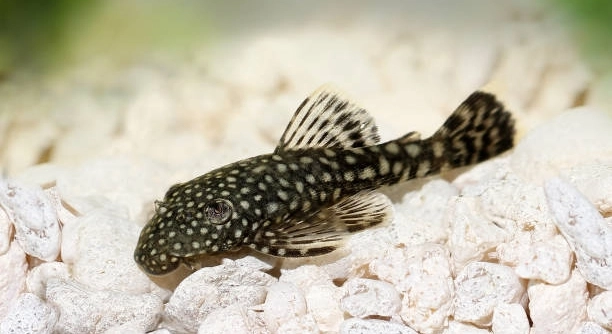
Breeding Bristlenose Plecos can be a rewarding experience for aquarium enthusiasts. These fish have specific needs, and providing the right environment is key to encouraging successful spawning and raising healthy fry.
Choosing the proper breeding cave is essential for Bristlenose Plecos. Ideal caves offer privacy, stable water conditions, and sufficient space for eggs. Placement within the aquarium, material type, and size all influence breeding success and fry survival rates.
Understanding cave preferences can improve your breeding results. Proper setup and careful observation ensure that both parents and fry thrive in a secure and supportive environment.
Selecting the Right Cave Material
Bristlenose Plecos prefer caves that mimic their natural habitat. Ceramic, resin, and natural wood caves are the most common options, each providing different textures and surfaces. Ceramic caves are durable and easy to clean but may feel cold and unnatural to the fish. Resin caves often resemble rocks or logs, offering a more natural look and texture, and are lightweight, making them easy to move within the aquarium. Wood caves, particularly driftwood, provide a natural scent and can slightly soften the water, which plecos may find appealing. When choosing a cave, consider the size relative to the fish. Adult Bristlenose Plecos need enough room to turn around comfortably, while smaller caves may encourage hiding but limit movement. Smooth interiors reduce the risk of injury to delicate fins and barbels. Consistent placement of the cave is important, as frequent movement may stress the fish and discourage breeding behavior.
Proper cave material encourages natural behavior and can significantly increase breeding success for your plecos.
Providing a mix of textures and stable placement gives the fish a sense of security, which is essential for egg-laying.
Ideal Cave Placement
Caves should be positioned in quieter areas of the tank with minimal current.
Placement near a stable substrate helps maintain water quality and temperature around the cave. The male pleco will guard the eggs, so a secure, undisturbed spot is crucial. Avoid areas with excessive light or high traffic from other fish. Some aquarists place caves near driftwood or plants to give extra cover, but the cave should remain easily accessible to the pleco. Testing different locations for comfort may be necessary, as fish can be picky about their spawning site. The surrounding water flow should be gentle, allowing fresh water to circulate without washing away eggs. Observing the fish’s behavior can guide adjustments; if the male ignores the cave or constantly leaves it, try repositioning. Once a preferred spot is found, avoid moving the cave to maintain breeding confidence. A carefully placed cave improves hatching rates and supports the development of fry.
Monitoring Water Conditions
Stable water conditions are crucial for Bristlenose Pleco breeding. Temperature, pH, and cleanliness directly affect spawning behavior and egg survival.
Maintaining a temperature between 78–82°F encourages breeding, while pH should stay around 6.5–7.5. Sudden changes in water chemistry can stress the fish, causing them to abandon the cave. Regular partial water changes help remove waste and provide fresh minerals, supporting healthy fry development. Filtration should be gentle near the cave to avoid disturbing eggs but still keep the water clear. Checking ammonia and nitrite levels frequently ensures the environment remains safe. Consistent monitoring prevents complications that may harm the eggs or the adult plecos.
Providing a stable environment involves careful observation and adjustment. Monitoring equipment like thermometers and test kits ensures that water remains within optimal ranges, reducing stress. Plecos are more likely to spawn when they feel secure in a predictable environment, so consistent water quality directly improves breeding success.
Encouraging Natural Behavior
Hiding spots and proper lighting help plecos feel secure and stimulate breeding instincts.
Caves should be accompanied by driftwood or plants to create shaded areas, simulating natural habitats. Dim lighting encourages the male to guard the cave while reducing stress from tank activity. Plecos may show increased activity around feeding times, so placing food away from the cave prevents disruption. Observing interactions between males and females helps identify readiness to breed. Some aquarists slightly increase water flow or perform minor water changes to mimic rainy season conditions, which can trigger spawning. Encouraging natural behavior requires patience and careful arrangement of tank elements to create a comfortable and supportive environment.
Balanced feeding supports energy levels needed for egg-laying. Providing algae wafers, vegetables, and occasional protein ensures plecos remain healthy. Avoid overfeeding near the cave, as leftover food can degrade water quality and disturb eggs. Observing the fish’s response to environmental cues allows adjustments in lighting, hiding spots, or flow, which can enhance natural breeding behavior. Maintaining this balance fosters a stable, secure environment, giving adult plecos confidence to spawn and care for their eggs.
Choosing the Right Cave Size
The cave should be slightly larger than the adult pleco, allowing space to turn around but still feel enclosed. A snug fit encourages spawning and gives the male confidence to guard the eggs.
Avoid oversized caves that reduce the sense of security. The right dimensions support natural breeding behavior and improve egg survival.
Observing Egg-Laying
Eggs are typically laid on the cave ceiling or walls, with the male guarding them closely. Watching the male’s behavior helps identify when spawning has occurred.
Protecting the Fry
Once the eggs hatch, fry are vulnerable to other tank inhabitants. A separate nursery or protective barriers can help ensure they survive and grow safely.
FAQ
How long does it take for Bristlenose Pleco eggs to hatch?
Eggs usually hatch within 4 to 7 days, depending on temperature and water conditions. Warmer water speeds up development, while cooler water slows it down. During this period, the male guards the eggs closely, fanning them with his fins to provide oxygen and keep them clean. Avoid disturbing the cave to ensure the eggs remain safe.
Can I use multiple caves in one tank?
Yes, providing multiple caves can reduce aggression between males and give females more options for spawning. Each cave should be placed in a quiet area with stable water flow. Observing which caves are preferred helps you understand your plecos’ behavior. Multiple caves also prevent conflicts and increase the likelihood of successful breeding.
Should I remove the male after spawning?
It’s usually not necessary. The male is the primary caretaker for the eggs and fry during the early days. Removing him too soon may reduce hatching success. Only consider removal if he becomes aggressive toward the female or fry, or if other tank conditions make supervision difficult.
What is the ideal diet for breeding Bristlenose Plecos?
A balanced diet supports energy for spawning and egg care. Provide algae wafers, blanched vegetables, and occasional protein sources like shrimp pellets. Feeding small amounts multiple times a day helps maintain water quality and keeps the plecos healthy. Avoid overfeeding near the cave to prevent waste buildup that could harm eggs or fry.
How do I know if the male is guarding the eggs properly?
A guarding male will remain inside the cave most of the time, fanning the eggs with his fins. He may chase away other tank inhabitants if they come too close. If the male leaves the eggs unattended, it can indicate stress or poor water conditions. Monitoring his behavior ensures that the eggs are cared for correctly.
When can fry be separated from the parents?
Fry can usually be separated after 3–4 weeks when they are large enough to feed independently. At this stage, they can survive on finely crushed foods, algae wafers, or specialized fry food. Early separation reduces the risk of adults accidentally harming the fry while allowing you to manage water quality more easily.
Can I breed plecos in a community tank?
Yes, but it requires careful management. Avoid aggressive tankmates and ensure there are plenty of hiding spots. Monitor water conditions closely, as other fish can disturb eggs or fry. Community tanks may reduce stress for plecos, but they increase the need for vigilance to protect vulnerable eggs and fry.
What signs indicate that a female is ready to spawn?
A ready female will appear plumper in the belly due to mature eggs and may spend more time near caves. She might follow or nudge the male, encouraging him to enter a cave. Observing these behaviors allows you to prepare the tank and ensure optimal conditions for spawning.
Is water flow important for breeding?
Yes, gentle water flow helps oxygenate eggs while preventing debris from settling inside the cave. Too strong a current can wash eggs away or stress the fish, while stagnant water may reduce oxygen levels. Positioning the filter output or adding a gentle bubbler near the cave creates a healthy environment.
How often should I clean the cave during breeding?
Avoid cleaning the cave until after the fry are free-swimming. Cleaning too early can remove eggs or disturb the male. Once the fry are independent, clean the cave carefully to prevent buildup of waste or algae, ensuring a safe habitat for future breeding cycles.
Can temperature changes trigger spawning?
Yes, slight increases in temperature, similar to seasonal changes in their natural environment, can stimulate breeding behavior. Gradual adjustments, rather than sudden shifts, encourage the plecos to spawn while minimizing stress. Maintaining stable temperatures after eggs are laid is crucial for hatching success.
What do I do if eggs get fungus?
Fungal growth can harm or kill eggs. Removing affected eggs with a small pipette or tweezers can prevent the fungus from spreading. Ensuring good water quality and proper fanning by the male reduces the risk of fungal infection naturally. In some cases, antifungal treatments may be used carefully.
How many fry can I expect from one spawning?
A typical clutch contains 20–50 eggs, though numbers vary with the age and health of the parents. Not all eggs will hatch, and some fry may not survive the first few weeks. Providing optimal conditions maximizes survival rates, making careful cave selection, water management, and feeding essential.
Can plecos breed multiple times in a year?
Yes, healthy adults can spawn several times annually if conditions remain favorable. Consistent water parameters, proper nutrition, and stress-free environments support repeated breeding. Observing cycles and providing multiple caves helps maintain success across several spawnings.
How do I care for fry after hatching?
Feed finely crushed foods, algae wafers, and soft vegetables. Maintain clean water and gentle filtration to avoid stressing the fry. Monitor their growth and remove any uneaten food to prevent water quality issues. Regular observation ensures the fry develop healthily into juvenile plecos.
Are there signs of stress that prevent breeding?
Yes, hiding excessively, refusing food, or abandoning the cave indicate stress. Stress can be caused by poor water quality, aggressive tankmates, or sudden changes in lighting and temperature. Addressing these factors promptly is essential for successful breeding.
Can I use artificial caves instead of natural ones?
Artificial caves made from ceramic or resin are effective if they are appropriately sized and placed. They provide a secure environment and are easier to clean. Plecos may show a preference for certain textures, so offering a few options helps determine the best choice for your tank.
What is the best lighting for breeding?
Moderate, indirect lighting works best. Too bright lighting can stress the fish and discourage spawning, while very low light can reduce visibility for observation. Providing shaded areas with plants or driftwood complements the cave and supports natural behavior.
How often should I check on the eggs?
Check the eggs once or twice a day without disturbing the male. Observation should focus on the male’s guarding behavior and egg condition. Frequent interference can cause stress or abandonment, so limit handling and movement around the cave.
Do Bristlenose Plecos need a partner for breeding?
Yes, both a male and female are required. Compatibility between the pair is important, as aggressive or mismatched fish may prevent spawning. Observing interactions before placing them near a cave helps ensure readiness and cooperation for breeding success.
How can I improve egg survival rates?
Providing a secure cave, stable water conditions, proper diet, and gentle flow are key. Avoid disturbing the eggs, monitor the male’s behavior, and separate fry if needed. Consistent care significantly increases the likelihood that more eggs hatch and fry develop healthily.
What size tank is suitable for breeding?
A tank of at least 20 gallons is recommended for a single breeding pair. This allows space for the cave, hiding spots, and proper swimming areas while maintaining stable water conditions. Larger tanks help reduce stress and aggression.
How long do males guard the eggs?
Males usually guard eggs until they hatch and sometimes a few days afterward to protect the fry. Guarding behavior includes fanning eggs, chasing intruders, and maintaining the cave. Observing the male ensures that eggs remain protected until fry are independent.
Can temperature swings harm eggs?
Yes, sudden temperature changes can reduce hatching success or kill eggs. Maintaining a consistent range around 78–82°F is crucial. Gradual adjustments are safer if needed to stimulate breeding. Extreme fluctuations should always be avoided.
Do all caves work for every pleco?
Not always. Some plecos prefer darker, smaller caves, while others may choose open or textured spaces. Providing multiple options and observing preferences ensures higher spawning success. Adjusting size and placement based on behavior improves breeding outcomes.
Is water hardness important for spawning?
Moderate softness is preferred, with general hardness around 2–15 dGH. Hard or overly soft water can stress plecos or reduce egg viability. Monitoring and adjusting hardness helps create an ideal environment for spawning.
How can I tell if fry are eating properly?
Healthy fry will actively forage and grow steadily. They will consume finely crushed algae wafers, vegetables, and fry-specific foods. Monitoring growth and activity ensures proper nutrition and helps detect early signs of issues.
What mistakes should I avoid during breeding?
Avoid frequent cave movement, poor water management, overfeeding near eggs, and placing aggressive tankmates nearby. Disturbing the male or eggs can reduce spawning success. Patience and consistent care are essential for raising healthy fry.
Can I breed plecos without driftwood?
Yes, but driftwood provides natural shelter and some softening of water, which plecos may prefer. If using artificial caves, ensure they offer secure hiding spots and proper texture for spawning.
How long before fry become independent?
Fry typically become independent after 3–4 weeks, when they can feed on solid foods and swim freely. Before this, they rely on protection and care from the male and a stable environment.
What signs indicate eggs are unhealthy?
Discoloration, fuzzy coating, or eggs detaching from the cave indicate poor health. Fungal infections or water quality issues are common causes. Prompt intervention, including cleaning or removal of affected eggs, can prevent further loss.
How do I prevent aggression during breeding?
Provide multiple caves, sufficient hiding spots, and monitor interactions closely. Separating overly aggressive individuals or providing extra space can prevent stress and improve breeding outcomes.
Do plecos need seasonal cues to breed?
Slight changes in temperature or water chemistry can mimic seasonal rains, which may trigger spawning. Gradual adjustments encourage natural behavior, but sudden changes should be avoided.
Can I breed plecos in cold water?
Cold water slows or prevents spawning. Maintaining temperatures within the preferred 78–82°F range is essential for successful breeding. Cold conditions reduce activity and egg development.
How often should I feed during breeding?
Small, frequent meals of varied foods maintain energy without compromising water quality. Avoid overfeeding near the cave to protect eggs.
Is a separate breeding tank necessary?
Not always, but it can increase control over water conditions, reduce stress, and protect fry from other fish.
Can I reuse caves for multiple spawnings?
Yes, as long as they are cleaned carefully between cycles and remain free from harmful buildup.
What behavior indicates successful hatching?
Fry moving freely, the male guarding nearby, and eggs gradually disappearing are signs of successful hatching.
How do I introduce a breeding pair?
Place both fish in the same tank with multiple hiding spots and monitor interactions. Avoid forcing the pair into a cave.
Are all plecos suitable for breeding?
Only mature, healthy adults with compatible temperaments should be used. Juveniles or stressed individuals may not spawn successfully.
How do I maintain water quality with fry?
Frequent small water changes, gentle filtration, and removal of uneaten food prevent harmful buildup. Monitoring parameters ensures a safe environment for growth.
Can plecos lay eggs without a male?
No, fertilization requires a male. A female alone may produce unfertilized eggs, but they will not hatch.
Do plecos need plants for breeding?
Plants are helpful but not required. They provide shading, reduce stress, and create a more natural environment, supporting comfort during spawning.
How often should I observe the cave?
Once or twice daily, without disturbing the male or eggs. Excessive interference can cause abandonment.
What size should fry food be?
Finely crushed wafers, softened vegetables, or specialized fry food are ideal. Small particle size ensures they can eat effectively and grow.
Can I breed plecos in a planted tank?
Yes, plants offer cover and shading, but ensure caves are accessible and eggs are protected. Observation is key to prevent disturbance.
How long after spawning do eggs hatch?
Typically 4–7 days, depending on temperature. Maintaining stable conditions ensures optimal development.
Is it necessary to remove other fish?
Aggressive or curious fish may threaten eggs and fry. Consider temporary separation to improve survival rates.
How do I encourage a female to enter the cave?
Ensure the cave is secure, shaded, and of proper size. Providing gentle water flow and nearby cover can make the site more attractive.
Can I use synthetic caves instead of natural wood?
Yes, synthetic caves work if sized correctly and placed in a quiet area. Plecos prioritize safety over material type.
How do I prevent egg fungus naturally?
Maintain clean water, stable temperature, and ensure the male fans the eggs consistently. Avoid excessive handling or moving the cave.
What signs indicate the fry are healthy?
Active swimming, steady growth, and feeding reliably are key indicators. Proper environment and nutrition support healthy development.
How can I maximize breeding success?
Provide secure caves, stable water conditions, balanced diet, gentle flow, and multiple hiding spots. Observing fish behavior and adjusting as needed increases success rates.
Are cave decorations necessary for spawning?
Not strictly, but extra cover and shaded areas reduce stress and improve egg-laying confidence.
Do plecos fight during breeding?
Mild territorial behavior is normal. Providing multiple caves and space prevents serious aggression and stress.
How often should water changes occur?
Small, frequent changes maintain water quality without stressing eggs or fry.
Can I breed plecos with different species?
Breeding is species-specific. Crossbreeding with other plecos is not recommended and usually does not occur naturally.
What’s the best way to feed fry?
Finely crushed algae wafers, soft vegetables, and fry-specific foods in small portions multiple times daily ensure proper growth.
How do I know the male is healthy?
Active guarding behavior, bright coloration, and proper feeding indicate a healthy male capable of successful spawning.
Are temperature fluctuations ever beneficial?
Slight, gradual changes can mimic seasonal cues, but large fluctuations harm eggs and fry.
Can plecos breed indoors year-round?
Yes, with controlled temperature, lighting, and water conditions, breeding can occur year-round.
How do I separate fry safely?
Use a fine mesh net or divider once they are free-swimming. Avoid sudden movement to reduce stress.
What if the male abandons the eggs?
Check water quality and stress factors. If abandonment occurs, you may need to remove eggs to a separate tank and care for them manually.
Do plecos recognize their own fry?
Not in the way mammals do. Parental care is instinctive, primarily by the male guarding eggs and fry.
Can I speed up hatching?
Only minor temperature adjustments within safe ranges can slightly influence timing. Extreme changes are harmful.
How many caves are ideal for one breeding pair?
Two to three options provide choice and reduce stress. Observation helps determine preference.
What is the best filtration for breeding tanks?
Gentle sponge filters or slow-flow setups keep water clean without disturbing eggs.
How long do eggs stay in the cave before hatching?
Typically 4–7 days, depending on water temperature and conditions. Consistent monitoring ensures they remain healthy.
Do plecos need a specific pH to breed?
Yes, slightly acidic to neutral water (6.5–7.5) is ideal for egg viability and adult comfort.
What is the first sign of fry emerging?
Small movement inside the egg and gradual decrease in egg opacity indicate hatching is near.
Can stress prevent breeding entirely?
Yes, excessive light, poor water, or aggressive tankmates can stop spawning. Reducing stress increases success.
Are artificial caves easier to clean than natural ones?
Yes, ceramic and resin caves can be scrubbed or soaked without degrading, making them convenient for repeated use.
How often should I feed the adult plecos during spawning?
Small, frequent meals maintain energy without compromising water quality or disturbing the cave.
Do plecos need current near the cave?
Gentle flow helps oxygenate eggs but should not be strong enough to disturb them.
What is the ideal water hardness for eggs?
Moderate softness supports egg development. Avoid extreme hardness or very soft water.
Can eggs survive in a planted tank?
Yes, provided the cave is secure and other fish cannot reach them. Plants provide cover and reduce stress.
How do I know if eggs are fertilized?
Fertilized eggs appear clear or slightly opaque, while unfertilized eggs may turn white or fuzzy.
How long before fry can eat solid foods?
About 3–4 weeks after hatching, once they can swim freely and forage independently.
Is male-only care common in plecos?
Yes, males typically guard eggs and fry, while females may stay nearby but do not provide direct care.
Do plecos lay eggs repeatedly in one cave?
Yes, if conditions remain favorable and the cave is secure, multiple spawnings can occur in the same site.
What happens if eggs fall out of the cave?
They may dry out, be eaten, or fail to develop. Keeping the cave stable prevents this.
Can I use a heated tank for breeding?
Yes, controlled heating maintains optimal temperature and supports faster, safer spawning.
Are all adults suitable for breeding?
Only healthy, mature fish of compatible temperament are suitable. Juveniles or stressed adults may not spawn successfully.
Do plecos prefer caves in a corner?
Corners offer security, making plecos more likely to choose them for spawning.
How long should I leave fry with the male?
Usually 3–4 weeks until they are free-swimming and able to feed independently.
Can I breed plecos in a community tank safely?
Yes, with careful observation, hiding spots, and protective measures for eggs and fry.
What size should the cave opening be?
Slightly larger than the adult pleco’s body for comfortable entry and guarding space.
Do plecos need quiet surroundings?
Yes, minimal disturbance encourages spawning and proper guarding behavior.
Can lighting affect spawning?
Dim or indirect lighting reduces stress and encourages natural behavior, while bright light may deter spawning.
Are synthetic caves durable for repeated use?
Yes, ceramic and resin caves are long-lasting and easy to clean between spawnings.
How often should I check water parameters?
Daily monitoring of temperature, pH, and ammonia ensures a safe environment for eggs and fry.
Do plecos breed better with multiple females?
Multiple females can increase egg production but may also require additional caves to prevent conflict.
Can I use a separate tank for the male?
Only if necessary to protect fry. Normally, the male stays in the main tank guarding the cave.
Do plecos need soft water to breed?
Slightly soft to moderate water is preferred, supporting egg viability and adult comfort
Final Thoughts
Breeding Bristlenose Plecos can be both challenging and rewarding. Success relies on understanding their needs and creating a supportive environment. Providing a proper breeding cave is one of the most important steps. The cave should feel secure, be the right size for the adults, and be placed in a quiet area of the tank. The male will guard the eggs and fry, so it is important that he feels safe and undisturbed. Choosing a cave made from durable materials such as ceramic, resin, or wood can make the process easier and reduce maintenance. Observing the plecos’ behavior helps identify which caves they prefer and ensures that the environment supports natural spawning habits. Multiple caves in the tank can reduce competition and aggression while giving the plecos options for egg-laying.
Water conditions also play a crucial role in breeding success. Maintaining a stable temperature between 78 and 82°F, a pH around 6.5–7.5, and low levels of ammonia and nitrites supports healthy egg development. Gentle water flow near the cave is important for oxygenation but should not disturb the eggs or fry. Regular monitoring and partial water changes help keep water clean and balanced. Providing a nutritious diet for the adults, including algae wafers, vegetables, and occasional protein, ensures they have enough energy for breeding and caring for the eggs. Observing how the male guards the eggs and adjusting the environment as needed can increase hatching success and fry survival. Paying attention to these details creates an environment where Bristlenose Plecos feel secure and encouraged to reproduce naturally.
Caring for the fry is another important aspect of breeding. After hatching, the fry are small and vulnerable, requiring a clean and stable environment to grow. They need finely crushed food, algae wafers, and soft vegetables to meet their nutritional needs. Monitoring their growth and removing uneaten food prevents water quality issues and supports healthy development. Over time, fry become independent and are able to feed on their own. Successful breeding is a combination of providing the right cave, maintaining stable water conditions, feeding a balanced diet, and observing the fish carefully. With patience and attention, Bristlenose Plecos can thrive in a well-prepared aquarium, and you can enjoy the process of seeing them reproduce and grow. Creating this environment not only encourages breeding but also ensures that both adults and fry remain healthy and comfortable throughout the process.

Hello,
If you enjoy the content that we create, please consider saying a "Thank You!" by leaving a tip.
Every little bit helps us continue crafting quality advice that supports the health, happiness, and well-being of pets around the world, for pets of all shapes, sizes, and species.
We really appreciate the kindness and support that you show us!