
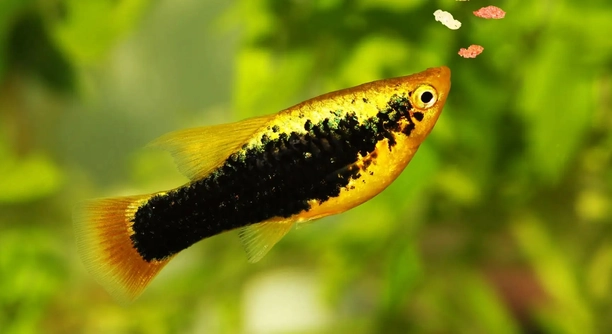
Is your platy acting strangely after mealtime, showing signs that something might be off with its feeding routine?
Overfeeding in platies can lead to several health issues, including bloating, poor water quality, and increased stress levels. Recognizing the signs early can help prevent serious complications and support a healthier aquarium environment.
Knowing what to watch for can make a big difference in your platy’s well-being and help you maintain a balanced feeding routine.
Uneaten Food Collecting in the Tank
Overfeeding often leaves behind extra food that sinks and stays in the tank. This leftover food doesn’t just make the water look dirty—it also breaks down and affects water quality. It releases waste into the water, which can cause ammonia and nitrate levels to rise. These changes make the tank less healthy for your platy and can lead to stress or illness. If you notice flakes or pellets sitting at the bottom of the tank long after feeding time, it’s likely a sign you’re giving too much food. It’s best to only feed what they can eat within two to three minutes. Using a feeding schedule and watching how much is left behind can help you adjust your routine. Keeping the tank clean and limiting leftover food also reduces algae and keeps your filter working efficiently. A few small changes can go a long way in maintaining balance.
Leftover food can create a messy and harmful tank environment. If you’re seeing uneaten flakes often, it may be time to cut back.
Cleaning out extra food and reducing portion sizes can quickly improve tank conditions. You may also want to test your water to make sure things haven’t been thrown off. Keeping a regular cleaning schedule helps prevent long-term problems.
Bloating or Swollen Appearance
Your platy’s shape can be one of the easiest signs to spot. If their belly looks larger than normal or seems rounded most of the time, overfeeding might be to blame.
Overeating can lead to digestive issues in platies. Their small bodies aren’t meant to handle large amounts of food in one sitting. When they eat too much, especially rich or high-protein foods, they can become bloated. This can make them look swollen and uncomfortable, sometimes even affecting how they swim. A swollen belly should not be mistaken for pregnancy or normal fullness after feeding—it’s usually more constant and may appear puffy or tight. Reducing the amount you feed and spacing out meals can help ease this problem. You can also offer boiled, skinned peas once a week to support digestion. Make sure your fish finish their food within a few minutes, and avoid adding more if they still seem interested. Platies are known to keep eating, even when they shouldn’t.
Changes in Swimming Behavior
Overfed platies may swim less or move in unusual ways. You might notice them floating near the bottom or struggling to stay balanced. These changes can be caused by bloating or pressure on their swim bladder.
When a platy eats more than its body can handle, the digestive system becomes overloaded. This can affect the swim bladder, which helps the fish stay upright and control its position in the water. A fish that is swimming sideways, tilting, or hovering low in the tank may be experiencing swim bladder pressure from overeating. These symptoms often appear a short time after feeding and can last for hours. Reducing food amounts and offering easily digestible options can help ease the strain. Watch how your fish swims after meals—it’s a useful way to tell if their feeding habits need adjustment. Proper feeding supports comfort and normal behavior.
Feeding your platy once or twice a day in very small portions is usually enough. Even if they seem hungry, it’s better to resist offering more. Platies don’t always stop eating on their own. Keeping them active, responsive, and swimming normally means you’re giving the right amount. Always keep an eye out for signs of slow movement or unusual posture after meals.
Cloudy or Foul-Smelling Water
Too much food in the tank quickly affects water quality. If the water becomes cloudy or starts to smell bad, that’s a strong sign of overfeeding.
Excess food that isn’t eaten settles on the bottom and begins to rot. As it breaks down, it releases waste into the water, raising ammonia and nitrite levels. This makes the tank unsafe for your platy and may lead to stress, sickness, or even death if not addressed. Cloudy water is one of the first signs, often followed by a strong, unpleasant odor. Filters also get clogged faster, and algae may grow more quickly. You might notice your fish swimming near the surface more often, trying to get oxygen. Doing smaller, more frequent water changes and vacuuming the gravel can help, but the real fix is feeding less. Feeding carefully keeps both your fish and the tank cleaner and healthier.
Slow or Sluggish Behavior
A platy that’s been overfed may start to move less or stay in one spot for long periods. Instead of swimming actively, they might rest near the bottom or hang out near the top with little motion.
This slow behavior often shows up after feeding. Their body may be too full to move comfortably, or they might feel discomfort from bloating. If your platy becomes less playful and seems less responsive, overfeeding could be part of the issue.
Increased Waste in the Tank
Overfed platies produce more waste, which builds up quickly in the tank. You may notice more debris on the gravel, in the filter, or floating near the surface. This can make the tank look dirty faster than usual and can throw off the balance of your water parameters.
Reduced Interest in Food
Platies that are constantly overfed may lose interest in food. If they stop rushing to the top during feeding or ignore flakes they once liked, it could be a sign they’re full too often.
FAQ
How often should I feed my platy?
Most adult platies do well with one to two small feedings per day. Each feeding should only include what they can eat within two to three minutes. If food is left over, you may be offering too much. It’s better to underfeed slightly than to overfeed. A regular feeding schedule helps maintain healthy digestion and prevents water quality issues. Feeding at the same time each day also keeps your platy calm and helps with routine. Young platies may need to eat a bit more often, but portion size should still be small.
What types of food are best for platies?
Platies do best on a varied diet that includes high-quality flakes or micro pellets made for tropical fish. You can also add freeze-dried or frozen foods like brine shrimp or daphnia a few times a week. For plant content, offer blanched spinach or boiled peas (with skins removed). This keeps their digestion smooth and avoids bloating. Avoid fatty or protein-heavy foods in large amounts. Too much protein can lead to constipation and swimming problems. A balanced mix of animal and plant food is key for keeping your platy healthy and active.
How can I tell if my platy is constipated from overfeeding?
If your platy has a swollen belly, struggles to swim upright, or isn’t pooping regularly, constipation could be the cause. Sometimes, the poop will look long and stringy, hanging from the body. These signs often follow heavy feeding, especially if the food was hard to digest. Offering a small portion of skinned, boiled peas can help move things along. Avoid feeding for a day or two to let their system rest. If symptoms continue, water quality should also be checked to rule out stress or illness caused by poor tank conditions.
Will my platy stop eating when it’s full?
Platies are opportunistic eaters, which means they’ll often keep eating even if they’re already full. In the wild, food isn’t always available, so they’ve developed the habit of eating whenever food appears. That’s why it’s important for you to control the amount. Trusting your platy to stop on its own can lead to overfeeding and its side effects. Sticking to small, measured feedings is safer and helps avoid bloating, stress, and extra waste in the tank.
What should I do if I’ve been overfeeding my platy?
The best first step is to cut back on the amount you feed and remove any uneaten food right away. You might also want to skip feeding for a day to give their digestive system time to rest. Do a small water change to clear up any waste, and check your filter for buildup. Going forward, feed once or twice daily in tiny portions. Watch for changes in swimming, waste levels, or appetite. A few simple adjustments can make a big difference in your platy’s health and your tank’s cleanliness.
Can overfeeding affect other fish in the tank?
Yes, overfeeding doesn’t just affect your platy—it also impacts tankmates and water conditions. Uneaten food breaks down and releases waste, which lowers water quality for everyone. Fish like snails or bottom feeders might try to eat the leftovers, but they can become overfed too. High waste levels can lead to disease outbreaks or algae growth, which affect the whole aquarium. Keeping food portions small helps all the fish in the tank stay healthy and active. Clean water and a well-managed feeding routine benefit the entire setup.
What are signs that I’m feeding the right amount?
Your platy should eat all the food within two or three minutes, swim actively, and show a normal appetite at mealtime. The tank should stay clear, without cloudy water or heavy debris buildup. A healthy platy will have a smooth, slightly rounded belly—not bloated or sunken—and will poop regularly without stringy waste. If these things stay consistent, your feeding routine is likely on track. Watching your fish closely during and after meals will help you adjust as needed. A little observation goes a long way in keeping everything balanced.
Final Thoughts
Feeding your platy the right amount may seem like a small detail, but it plays a big role in their overall health. Overfeeding is a common mistake, especially because platies often act hungry even when they’ve had enough. They may swim quickly to the surface and beg for more food, which can be confusing. It’s easy to assume they’re still hungry, but in reality, they are just responding to routine. Keeping portions small and feeding no more than twice a day can prevent many of the problems caused by overfeeding. Sticking to this habit helps you avoid bloating, swim bladder issues, and poor water quality.
It’s also helpful to watch your platy closely for changes in behavior or appearance. If you see uneaten food, cloudy water, or a bloated belly, these are all signs that your feeding routine might need adjusting. Over time, too much food in the tank leads to more waste and more cleaning work. It can also cause stress for your platy and other fish living in the same space. Making a few small changes, like feeding less and cleaning more often, will create a more stable and comfortable environment for everyone in the tank. Your platy will be more active, swim normally, and show a healthy appetite at mealtime.
Caring for your platy doesn’t have to be complicated. A simple routine with small portions, clean water, and regular observation is usually enough. When feeding is done right, you’ll notice fewer issues and enjoy a cleaner tank. You don’t need to offer many types of food every day—just focus on balance and consistency. And remember, skipping a feeding day once a week is sometimes helpful too. It gives their digestive system time to rest. By paying attention to your platy’s behavior and adjusting when needed, you’re more likely to catch problems early. Overfeeding may seem harmless at first, but the effects can add up quickly. Being mindful of how much you feed and how your platy responds makes a big difference in their long-term well-being.

Hello,
If you enjoy the content that we create, please consider saying a "Thank You!" by leaving a tip.
Every little bit helps us continue crafting quality advice that supports the health, happiness, and well-being of pets around the world, for pets of all shapes, sizes, and species.
We really appreciate the kindness and support that you show us!