
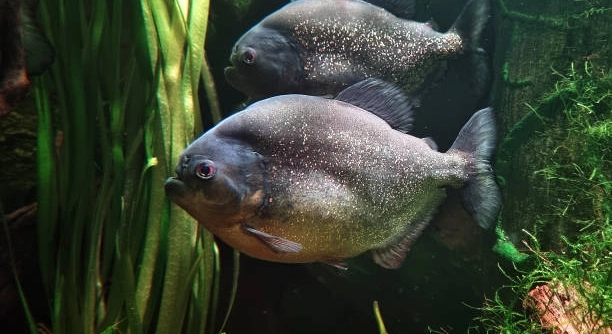
Is your piranha tank louder than you expected? Many owners notice unexpected noise coming from their aquatic setup. Excessive sound can affect both the fish and the overall environment around the tank. Managing noise is important for a healthy aquarium.
Excessive noise in a piranha tank usually results from improper filtration, overcrowding, or aggressive fish behavior. Addressing these factors by adjusting equipment, reducing tank inhabitants, and monitoring fish interactions can significantly reduce noise levels and improve tank stability.
Recognizing the signs of a noisy tank can help maintain a peaceful environment for your piranhas and your home. This article will guide you through common causes and solutions to keep noise at bay.
Common Causes of Noise in a Piranha Tank
Noise in a piranha tank often comes from equipment like filters and air pumps. Filters can become noisy if they are clogged or not properly maintained. Air pumps may create bubbling sounds that add to the overall noise level. Another cause is overcrowding, which leads to fish bumping into the tank or each other, increasing splashing and commotion. Aggressive behavior among piranhas also contributes to noise, as they can be territorial and fight with one another. Movement of tank decorations or loose lids can cause rattling or vibrations. Even the placement of the tank matters; if it’s on an unstable surface, vibrations can amplify sound. Regularly checking these aspects can help reduce unnecessary noise and create a more peaceful environment.
Maintaining equipment and managing tank conditions are key to reducing noise. Proper care and setup are essential for quieter tanks.
Fish stress and disturbance caused by noise can affect piranha health. Reducing noise supports their well-being and tank balance.
How to Reduce Noise in Your Piranha Tank
One of the easiest ways to lower noise is to clean and maintain your filter regularly. This ensures it runs smoothly without excess vibration or clogging sounds. Placing a rubber mat or foam pad under the tank can absorb vibrations and reduce noise from the surface. Using quieter equipment, such as low-noise filters or pumps designed for minimal sound, is also effective. Reducing the number of fish in the tank can lessen collisions and splashing, which lowers noise levels. Providing plenty of hiding places reduces aggression and limits noisy interactions between piranhas. Tightening any loose parts on the tank or lids prevents rattling sounds. Checking the tank’s location and placing it on a sturdy, level surface can further reduce noise. Implementing these changes creates a calmer, quieter environment that benefits both the fish and the room around the tank.
Signs Your Piranha Tank Is Too Noisy
A constantly loud tank can indicate stress for your piranhas. Unusual splashing, persistent bubbling, or rattling noises are clear signs the tank is louder than it should be. These sounds often mean something in the tank environment needs attention or adjustment.
Persistent noise may cause behavioral changes in your piranhas. They may become more aggressive or hide more often. Stress from loud environments can affect their feeding habits and overall health. Noticing changes in fish behavior alongside the noise can help identify problems quickly. Quieting the tank helps maintain a stable, healthy habitat for the fish.
Noise may also signal equipment issues like dirty filters or loose fittings. Regular inspection of tank gear and conditions can prevent unnecessary noise. Addressing these issues early avoids long-term problems and keeps your piranha tank peaceful.
Impact of Noise on Piranha Behavior
Excessive noise disrupts the natural behavior of piranhas, increasing stress and aggression. Loud or constant sounds may make them more territorial, leading to frequent fights or chasing. Stress weakens their immune system, making them prone to diseases.
Piranhas rely on calm surroundings to thrive. A noisy tank can cause them to hide excessively or reduce activity. This affects their feeding patterns and growth. When fish are disturbed by noise, they expend more energy on defense rather than normal functions.
Minimizing noise supports healthier, calmer fish that display natural behaviors. Monitoring sound levels and fish reactions is essential for maintaining a balanced environment. Reducing stress through noise control improves piranha longevity and well-being.
Common Noises from Equipment
Filters and air pumps are the main sources of noise in most piranha tanks. Over time, buildup or wear can cause them to sound louder than usual. Regular maintenance keeps these devices running quietly.
Loose parts or vibrations can add extra noise. Checking and tightening all components helps reduce rattling sounds and improves overall tank quietness.
Overcrowding and Noise Levels
Too many piranhas in one tank increase activity and noise. Fish bumping into each other or tank walls cause splashing and vibrations. Overcrowding also raises stress, which can lead to aggressive behavior and more noise. Keeping a proper fish count helps maintain a quieter, healthier environment.
Aggressive Behavior Noise
Fighting and chasing between piranhas create loud splashes and movement. This noise signals stress and territorial disputes. Reducing aggression through adequate space and hiding spots lowers noise and improves fish welfare.
Loose Decorations and Noise
Loose tank decorations can rattle or shift, adding to tank noise. Securing all ornaments reduces unwanted sounds and keeps the environment stable.
FAQ
Why is my piranha tank making a loud bubbling noise?
Loud bubbling usually comes from the air pump or filter. If the equipment is old, clogged, or improperly set up, it may produce more noise than usual. Regular cleaning and adjusting the air flow can reduce bubbling sounds. Using quieter models or placing equipment on soft surfaces also helps.
How can I tell if the noise is harming my piranhas?
If your fish show signs of stress like hiding constantly, reduced appetite, or aggressive behavior, noise could be a factor. Stress from noise weakens their immune system and affects overall health. Observing changes in behavior alongside noisy conditions indicates a need to reduce sound.
What is the best way to quiet down the filter?
Cleaning the filter regularly prevents clogging and vibration. Make sure it is installed properly and parts are tight. Placing a sponge or foam pad between the filter and tank can absorb vibration. Also, check the water flow rate; lowering it may reduce noise without affecting performance.
Can overcrowding really make the tank noisier?
Yes. Too many piranhas in a tank lead to more movement, splashing, and bumping. This increases noise and stress among fish. Keeping the right number of fish for the tank size limits excessive activity and helps maintain a quieter environment.
Are all air pumps noisy?
No. Some air pumps are designed to operate quietly. Choosing a low-noise model and placing it on a soft surface or inside a soundproof box reduces noise. Regular maintenance also prevents loud operation caused by wear or blockages.
How often should I check my tank equipment to prevent noise?
Equipment should be checked weekly or biweekly. Regular inspections for buildup, loose parts, or damage keep the system running smoothly and quietly. Early detection of issues prevents loud noises and helps maintain a healthy tank.
What role do tank decorations play in noise production?
Loose or unstable decorations can rattle or shift with fish movement or water flow. This creates additional noise. Securing ornaments firmly reduces rattling and vibrations, helping to keep the tank quieter.
Does the tank’s location affect noise levels?
Yes. Tanks placed on unstable or hollow surfaces can amplify vibrations and sound. Placing the tank on a sturdy, flat surface with a rubber mat or foam padding reduces noise transfer to the surroundings.
Can stress from noise cause health problems in piranhas?
Stress weakens the immune system and makes piranhas more vulnerable to diseases. Constant noise can cause behavioral changes that affect feeding and growth. Reducing noise helps maintain fish health and longevity.
Is it normal for piranha tanks to be noisy during feeding?
Some noise is normal during feeding due to fish activity and movement. However, excessive noise from splashing or aggression during feeding could signal overcrowding or stress. Managing fish numbers and providing enough space reduces feeding noise.
What equipment upgrades help reduce tank noise?
Upgrading to quiet filters, low-noise air pumps, and vibration-dampening pads significantly reduces noise. Newer models often have improved designs focused on silent operation. Investing in quality equipment creates a calmer tank environment.
How do I know if my piranhas are stressed because of noise?
Signs include hiding, erratic swimming, aggression, loss of appetite, and color changes. These behaviors often accompany noisy environments. Monitoring fish behavior closely helps identify stress and the need to reduce tank noise.
Is it better to turn off equipment to reduce noise?
Turning off essential equipment like filters and pumps harms water quality and fish health. Instead, focus on maintenance and noise reduction methods. Equipment should always run properly but quietly to keep the tank safe and peaceful.
Can I use plants to reduce noise?
Live or artificial plants can help by breaking water movement and reducing splashing sounds. Plants also provide hiding spots, reducing fish stress and aggressive behavior, which lowers noise.
How do I stop aggressive noise from piranhas fighting?
Reducing overcrowding and adding hiding places help decrease aggression and noisy fights. Feeding the fish well and maintaining water quality also reduce stress and territorial behavior that causes noise.
Should I consult a professional if noise persists?
If noise remains despite adjustments and maintenance, consulting a fish care expert or aquarium specialist is advisable. They can help diagnose hidden problems and recommend specific solutions for quieter tanks.
Final Thoughts
Maintaining a quiet piranha tank is important for the health and comfort of the fish. Excessive noise often signals that something in the tank needs attention, whether it is equipment, overcrowding, or aggressive behavior. Regular maintenance and careful observation can prevent most noise problems. By addressing these factors early, it is possible to create a calm environment where piranhas can thrive.
Noise affects piranhas beyond just being a nuisance. It can cause stress that leads to changes in behavior and health issues. Loud bubbling, splashing, and rattling sounds are not normal and should not be ignored. Ensuring that equipment runs smoothly and that the tank is not overcrowded helps reduce noise. Providing hiding spaces and monitoring fish behavior also supports a quieter, healthier tank.
Creating a peaceful aquarium requires consistent effort but is rewarding. Keeping the tank clean, securing decorations, and choosing quality equipment can greatly reduce noise levels. Paying attention to how the fish respond to their environment is essential. A quieter tank not only improves the well-being of piranhas but also makes the experience more enjoyable for the owner. Regular checks and adjustments help maintain balance in the aquarium for the long term.

Hello,
If you enjoy the content that we create, please consider saying a "Thank You!" by leaving a tip.
Every little bit helps us continue crafting quality advice that supports the health, happiness, and well-being of pets around the world, for pets of all shapes, sizes, and species.
We really appreciate the kindness and support that you show us!