
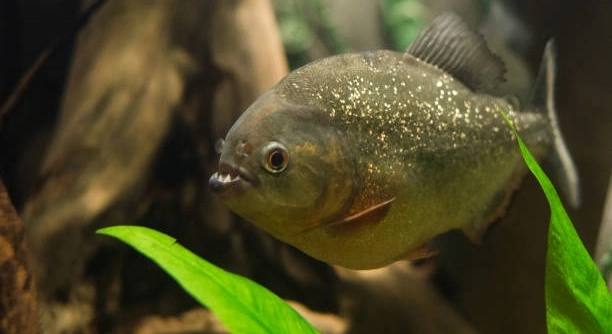
Choosing the right tank size for a piranha is essential for its health and well-being. Piranhas require specific living conditions that help them thrive. Tank size impacts water quality, fish behavior, and overall care needs. Proper preparation ensures a safe environment.
The appropriate tank size for a piranha depends on its species and number. A minimum of 20 gallons per adult piranha is recommended to provide enough space for swimming and territorial behavior. Larger tanks help maintain water quality and reduce stress.
Knowing how to select the right tank size will improve your piranha’s health and happiness. This article explains key factors to consider for an ideal aquatic home.
Factors to Consider When Choosing a Tank Size
When selecting a tank size for your piranha, several important factors come into play. The species of piranha affects the space it needs, as some grow larger than others. The number of fish is also crucial because overcrowding can cause stress and aggression. Piranhas are territorial and need enough room to swim freely without feeling threatened. Water quality is easier to maintain in larger tanks, which helps prevent disease and keeps your fish healthy. A bigger tank allows for better filtration and reduces the buildup of harmful substances. Proper tank size supports natural behavior and provides a stable environment. Also, remember to plan for future growth when choosing the tank, as young piranhas can quickly outgrow small tanks. Overall, investing in an adequately sized tank improves the well-being of your aquatic pet.
A larger tank improves water quality and reduces stress, which is essential for maintaining healthy piranhas.
Besides size, tank shape and placement also affect the comfort of your piranha. Tanks with more horizontal swimming space are preferable, as piranhas are active swimmers. A tank placed away from direct sunlight helps regulate temperature and algae growth. Using secure lids prevents fish from jumping out. Proper decoration and hiding spots help reduce aggression by providing territories within the tank. Smooth substrate and sturdy plants protect the fish from injury. It is important to balance space with environmental enrichment for a suitable habitat. Setting up the tank with these considerations creates a healthier environment and supports natural behaviors.
How Many Piranhas Can You Keep in One Tank?
It is best to keep piranhas in groups to encourage social behavior, but tank size limits the number you can safely house.
A 20-gallon tank can accommodate one adult piranha comfortably. For two or more, a larger tank of 40 gallons or more is recommended to prevent overcrowding.
Overcrowding piranhas can lead to stress, territorial fights, and poor water conditions. Each additional fish requires space to swim and establish territories. A larger tank reduces aggressive encounters by providing room for separation. It also helps maintain stable water parameters, essential for the health of all inhabitants. When planning your tank setup, account for the adult size of the piranhas and their need for personal space. Keeping fewer fish in a larger tank generally results in better health and less maintenance. Careful consideration of tank capacity supports long-term care and prevents common problems related to overcrowding.
Tank Setup and Maintenance
Maintaining the tank properly is essential to keep piranhas healthy. Regular cleaning and water changes prevent toxin buildup and promote a stable environment.
A filtration system suited to the tank size is necessary to keep the water clean. Filters remove waste, uneaten food, and harmful chemicals. Weekly water changes of 20 to 30 percent help maintain water quality. Avoid sudden temperature shifts by using a reliable heater and thermometer. The tank should be monitored for ammonia, nitrites, and nitrates, which affect fish health. Keeping the tank clean reduces stress and the risk of disease in piranhas.
Decorations and plants in the tank need regular maintenance as well. Remove debris and clean surfaces to prevent algae growth. Using non-toxic plants and smooth decorations minimizes injury risk. Maintaining proper water parameters and cleanliness ensures your piranhas live in a healthy and comfortable environment.
Choosing the Right Tank Material
Glass and acrylic are the most common materials for piranha tanks. Glass tanks are sturdy and scratch-resistant, providing clear views. Acrylic tanks are lighter and more impact-resistant but can scratch more easily.
Glass is often preferred for larger tanks due to its durability. Acrylic tanks can be easier to move and shape but require more care to avoid damage. Both materials support a safe habitat if maintained well. Consider your budget, tank size, and placement before choosing. Proper care ensures either material offers a suitable environment for your piranhas.
Tank Location and Environment
Choosing the right location for your piranha tank affects their health. Place the tank away from direct sunlight to prevent overheating and algae growth.
A quiet area with minimal vibrations is best to reduce stress. Avoid high-traffic spots and keep the tank stable to prevent accidents.
Water Temperature and Quality
Maintaining stable water temperature between 75°F and 80°F is important for piranha health. Use a reliable heater and thermometer to monitor conditions. Frequent water testing for ammonia, nitrites, and nitrates helps prevent toxic buildup. Proper filtration and regular water changes are key to maintaining clean, healthy water for your fish.
Tank Decorations and Hiding Spots
Piranhas need places to hide to feel secure. Use smooth rocks, driftwood, and sturdy plants to create hiding spots. Avoid sharp decorations that can injure your fish. Proper hiding places reduce aggression and stress, improving overall well-being.
FAQ
How big should my tank be for a single piranha?
A single adult piranha needs at least a 20-gallon tank to have enough space for swimming and territory. Smaller tanks cause stress and poor water quality. Providing adequate room supports healthier fish and better behavior.
Can I keep more than one piranha in the same tank?
Yes, but you must increase the tank size accordingly. For two piranhas, a minimum of 40 gallons is recommended. More fish means more space to prevent aggression and overcrowding. Overcrowding increases stress and can lead to illness.
What type of filtration system should I use?
A strong filtration system suited for the tank size is necessary to handle waste and keep water clean. Canister filters or hang-on-back filters are commonly used. The filter should cycle the water multiple times per hour and be easy to maintain.
How often should I change the water?
Weekly water changes of about 20 to 30 percent help maintain water quality. This removes toxins and replenishes minerals essential for fish health. Avoid changing too much water at once to prevent shocking the fish.
What water temperature is best for piranhas?
Keep the water temperature stable between 75°F and 80°F. Piranhas are tropical fish and sensitive to temperature changes. Use a reliable heater and thermometer to monitor and adjust the tank’s temperature as needed.
Can I use any decorations in the tank?
No. Use smooth rocks, driftwood, and sturdy plants that won’t harm the fish. Avoid sharp or rough decorations that could injure your piranhas. Hiding spots help reduce aggression and make your fish feel secure.
Do piranhas need live plants?
Live plants can improve water quality and provide hiding spots but require care. Choose hardy plants that tolerate the tank environment. Artificial plants can be used as an alternative but may not offer the same benefits.
How can I prevent piranha aggression?
Providing enough space, hiding spots, and proper tank size reduces aggression. Avoid overcrowding and monitor fish behavior regularly. Keeping water quality high also lowers stress, which can trigger fighting.
What should I feed my piranhas?
Piranhas eat a diet of meat-based foods such as fish, shrimp, and insects. High-quality pellets designed for carnivorous fish are suitable as well. Feed small amounts once or twice daily to prevent overfeeding and water pollution.
How long do piranhas live in captivity?
With proper care, piranhas can live 10 to 15 years. Maintaining the right tank size, water quality, and diet contributes to their longevity. Regular health checks help catch problems early and keep your fish thriving.
Is it safe to keep piranhas with other fish?
It is generally not recommended to keep piranhas with other fish species. Piranhas are aggressive and may attack smaller or slower fish. If housed with others, the tank must be very large and carefully monitored.
What signs show my piranha is stressed?
Signs of stress include hiding excessively, loss of appetite, rapid breathing, or damaged fins. Stress often results from poor water quality, overcrowding, or an unsuitable tank environment. Addressing these factors improves fish health quickly.
How do I acclimate a new piranha to my tank?
Float the sealed bag in the tank for about 15-20 minutes to equalize temperature. Gradually add small amounts of tank water to the bag over 30 minutes to an hour before releasing the fish. This reduces shock and helps the fish adjust smoothly.
Can I keep juvenile piranhas in a smaller tank?
Juvenile piranhas can stay in smaller tanks temporarily but will quickly outgrow them. Planning ahead for a larger tank is important to avoid stress and health issues as they mature.
What is the best way to clean a piranha tank?
Use a gravel vacuum to remove debris during water changes. Clean the filter media gently to preserve beneficial bacteria. Avoid using soap or chemicals inside the tank, as they can harm fish. Regular maintenance keeps the environment safe.
How important is lighting for a piranha tank?
Lighting is important for viewing and plant growth but should not be too intense. Use a timer to maintain a consistent day-night cycle, which supports fish health. Avoid direct sunlight to prevent overheating and algae growth.
These FAQs cover common concerns about tank size and care for piranhas. Following these guidelines helps ensure a healthy, comfortable environment for your fish.
Final Thoughts
Choosing the right tank size for a piranha is one of the most important decisions you can make as a fish owner. Providing enough space is essential for their health, comfort, and behavior. A tank that is too small can lead to stress, illness, and aggressive behavior. Piranhas are active fish that need room to swim and establish territories. It is best to plan ahead and invest in a tank that allows for growth and multiple fish if you want to keep more than one. The minimum size recommendations serve as a guideline, but larger tanks often offer a better environment overall.
In addition to tank size, maintaining water quality and a suitable environment plays a crucial role in piranha care. Regular cleaning, proper filtration, and stable water temperature help create a healthy habitat. Decorations and hiding spots also contribute to reducing stress and aggression. It is important to monitor water parameters often to prevent harmful toxin buildup. Paying attention to these details supports the well-being and longevity of your fish. While tank size is a foundation, a well-maintained tank is equally vital for successful piranha keeping.
Overall, owning piranhas requires commitment and attention to their needs. Taking the time to choose the right tank size and setting up a proper environment can make a big difference in their quality of life. It is helpful to research and prepare before bringing piranhas home. With the right care, these fish can live long, healthy lives and display interesting behaviors. Understanding their requirements promotes responsible ownership and a positive experience for both you and your fish.

Hello,
If you enjoy the content that we create, please consider saying a "Thank You!" by leaving a tip.
Every little bit helps us continue crafting quality advice that supports the health, happiness, and well-being of pets around the world, for pets of all shapes, sizes, and species.
We really appreciate the kindness and support that you show us!