
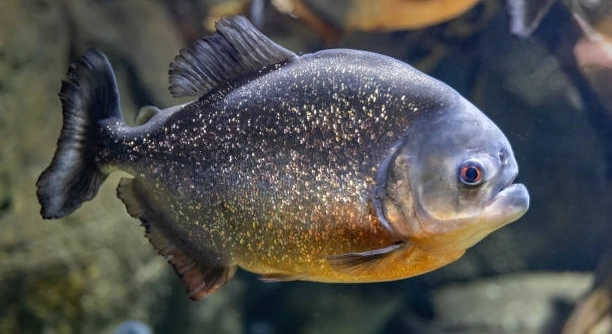
Is your piranha acting different since moving to a new tank, showing signs that don’t quite match its usual behavior?
The most common reason your piranha isn’t adjusting to its new tank is environmental stress. Factors like water temperature, pH imbalance, unfamiliar surroundings, and lack of proper hiding spots can negatively affect its comfort and behavior.
Learning what signs to watch for can help you respond quickly and keep your piranha healthy in its new home.
Sign 1: Loss of Appetite
When a piranha isn’t eating, it often means something is off in its environment. These fish are sensitive to changes, and even minor differences in water chemistry or temperature can make them stop feeding. It’s important to monitor how much and how often your piranha eats after being moved to a new tank. A healthy piranha usually has a steady appetite and shows interest when food is introduced. If it ignores food or spits it out, this is often one of the first signs that it’s not feeling secure. Stress can also cause digestive issues, leading to a refusal to eat. Double-check the tank setup, including hiding spots, tank mates, and lighting. Make sure there is minimal external disturbance. Allow your piranha time to adjust, but don’t ignore more than a few missed meals, especially if it is paired with other changes in behavior or appearance.
A piranha that consistently refuses food may need environmental changes or a water parameter check to regain normal behavior.
Even small shifts in water temperature or light exposure can interrupt your piranha’s comfort, so staying consistent is key during tank transitions.
Sign 2: Hiding Constantly
It’s normal for piranhas to enjoy having places to hide, but if your fish is always tucked away and never ventures out, something might be off.
Constant hiding can indicate that your piranha feels threatened or insecure in its new tank. In a healthy environment, a piranha will explore, swim freely, and react to activity outside the glass. If it remains still in dark corners or behind decorations most of the time, the setup may lack the balance it needs to feel safe. This can be caused by improper lighting, aggressive tank mates, or a layout that doesn’t allow for easy navigation. Tank size also plays a part—if the space is too small or overcrowded, it may retreat often. Make sure the tank includes shaded areas but also enough open space to roam. Keep loud noises and movement around the tank to a minimum. With the right setup and a stable routine, your piranha should start to feel more secure and show natural activity patterns again.
Sign 3: Rapid Breathing
If your piranha is breathing quickly or gasping near the surface, it may be struggling to get enough oxygen. This usually points to water quality or oxygenation issues in the tank.
Check if the water temperature is too high, as warmer water holds less oxygen. Make sure your tank has enough surface agitation or a functioning air pump to help oxygen circulate. High levels of ammonia, nitrites, or nitrates can also stress your piranha and affect its breathing. Test the water with a reliable kit and do a partial water change if needed. Also, watch for other signs like color fading or sluggish movement. These often show up with rapid breathing and can confirm something isn’t right in the tank. Keeping a regular maintenance schedule can prevent these changes and help your piranha breathe easily again.
Frequent testing and proper filtration help your fish avoid stress linked to poor water quality and oxygen issues.
Sign 4: Aggression Toward Tank Mates
Aggression can increase after a move if your piranha feels threatened or boxed in. It may see its tank mates as competition or even as a threat, especially in a smaller or crowded tank.
A stressed piranha may become territorial, chasing or nipping at other fish more than usual. This behavior often comes from a lack of space or too few hiding spots, making the fish feel exposed. Some tank mates may also be too active or bold for your piranha’s comfort. Separate aggressive fish if needed and reassess the tank layout. Adding plants or decorations can help break lines of sight and reduce tension. In some cases, rehoming certain tank mates may be necessary to keep the peace. Always observe new behaviors closely and be ready to adjust the setup. A peaceful environment gives your piranha space to calm down and adjust properly.
Sign 5: Glass Surfing
Glass surfing is when a piranha repeatedly swims along the tank walls. This often means it feels stressed or confused. It could be reacting to its reflection, trying to escape, or struggling to adjust to the new surroundings.
Make sure the tank is large enough and not overly bare. Bright lighting or sudden movement outside the tank can also trigger this behavior. Covering part of the tank or using a background can help reduce distractions and make your piranha feel safer.
Sign 6: Faded Colors
Faded colors are a common sign of stress in piranhas after being moved. When a piranha doesn’t feel secure, it may lose its usual rich tones and appear dull or washed out. Water issues, lack of proper hiding spots, or constant disturbances around the tank can all contribute to this. Keep lighting low and calm, reduce outside noise, and make sure the water is clean and well-maintained. Sometimes, color returns slowly as your fish begins to feel safe again. A stable routine and peaceful setting help a piranha regain its normal color and feel more at ease.
Sign 7: Unusual Swimming Patterns
Erratic or unsteady swimming can mean the water conditions are off or your piranha is feeling disoriented. Keep a close eye on this behavior and test the water right away.
How long does it usually take for a piranha to adjust to a new tank?
Most piranhas take about one to two weeks to settle into a new environment. During this time, they may show signs of stress like hiding, reduced appetite, or erratic swimming. Consistent tank conditions and minimal disturbances help speed up this adjustment period.
What water parameters are best for piranhas to reduce stress?
Piranhas prefer water temperatures between 75°F and 80°F (24°C to 27°C). The pH should be slightly acidic to neutral, ideally between 6.5 and 7.5. Maintaining low levels of ammonia, nitrites, and nitrates is critical. Regular water testing and changes keep these parameters stable and help reduce stress.
Can piranhas live with other fish peacefully?
Piranhas can be aggressive and territorial, especially in smaller tanks. It’s best to keep them with other piranhas of similar size in a large tank. Introducing other species often leads to bullying or injury. If you want tank mates, choose larger, fast-swimming fish and monitor interactions closely.
What are the signs that a piranha is too stressed to recover on its own?
Signs include constant hiding, refusal to eat for more than a week, rapid breathing, faded colors, and injury from aggression or scratching. If these persist despite proper care, it might need veterinary attention or a change in tank conditions. Early intervention is important to avoid serious health issues.
How often should I change the water after moving a piranha to a new tank?
Perform partial water changes of about 20-30% once a week. This helps keep water quality high without shocking the fish with too much change at once. Avoid full water changes during adjustment, as sudden shifts in water chemistry can increase stress.
What tank size is ideal for one piranha?
A single piranha needs at least 20 to 30 gallons of water to swim comfortably. Larger tanks are better if you plan to keep more than one. Crowded conditions increase aggression and stress, so always provide enough space for movement and hiding.
Are hiding spots necessary for piranhas?
Yes, hiding spots are important. Piranhas feel safer with places to retreat, which lowers stress. Use plants, rocks, or decorations to create shaded areas. Avoid overcrowding the tank but provide enough cover to mimic their natural environment.
Can sudden changes in lighting affect my piranha’s behavior?
Yes, sudden bright lights or frequent changes can startle piranhas and cause hiding or erratic swimming. Use a consistent lighting schedule and keep light levels moderate. If needed, dim lights or use floating plants to soften the tank’s brightness.
What food should I offer to help a stressed piranha regain appetite?
Offer fresh, high-quality protein like fish fillets, shrimp, or specially formulated piranha pellets. Feeding small amounts several times a day encourages eating without overfeeding. Avoid feeding frozen or spoiled food, as this can worsen health problems.
Is it normal for piranhas to stop moving much after a tank change?
Some reduction in activity is normal during adjustment. However, if your piranha remains inactive for days or shows other signs like poor appetite or rapid breathing, it may be more than just stress. Check water quality and environment carefully to rule out health issues.
How can I reduce stress during the tank transfer process?
Acclimate your piranha slowly by floating its transport bag in the new tank water for at least 30 minutes. Gradually add small amounts of tank water to the bag to equalize temperature and chemistry. Avoid rushing the transfer, and keep the new tank environment stable and quiet.
Can water temperature swings cause serious problems for piranhas?
Yes, sudden or frequent temperature changes can weaken a piranha’s immune system and cause stress-related behaviors. Maintain a steady temperature within the recommended range, and use a reliable heater and thermometer to monitor the tank.
What should I do if my piranha bites the tank glass?
Glass biting is usually a sign of stress or boredom. It can cause injury or damage to teeth. Provide more enrichment with hiding spots, rearranged decorations, and tank mates if appropriate. Reduce external disturbances and check for water quality issues that might cause agitation.
Is it okay to use tap water for water changes?
Tap water is fine if properly treated with a water conditioner to remove chlorine and chloramines. Untreated tap water can harm your piranha. Always test water parameters after changes to ensure a safe environment.
When should I consider consulting a vet for my piranha?
If your piranha shows persistent signs of illness such as open sores, white spots, extreme lethargy, or loss of appetite lasting more than a week despite proper care, it’s time to seek professional help. Early diagnosis improves the chances of recovery.
When you bring a piranha into a new tank, it takes time for the fish to settle in and feel comfortable. It’s normal for them to show some signs of stress at first, like hiding more or eating less. These behaviors happen because the fish is adjusting to new water, new space, and new surroundings. Being patient and paying close attention during this period is important. Keeping the tank clean, water parameters stable, and minimizing sudden changes will help your piranha feel safer. Giving it enough space and places to hide also supports a smoother adjustment.
Watching your piranha closely for signs of stress or discomfort can make a big difference. If you notice anything unusual, like rapid breathing or aggression, try to find the cause and correct it quickly. Sometimes, it is a simple fix like adjusting the temperature or changing the tank layout. Other times, it may mean doing water tests or changing the water more often. Stress weakens a piranha’s immune system, so preventing long-term problems is key. A calm environment, proper diet, and good care help the fish grow healthy and strong over time.
Remember that every piranha is different, and some may take longer to adjust than others. Don’t rush the process or make sudden changes that could cause more stress. Instead, create a stable and peaceful home that meets the piranha’s needs. The more comfortable your fish feels, the better it will behave and thrive. Paying attention to the signs discussed here can keep your piranha happy and healthy in its new tank. With steady care and patience, your piranha will settle in well and become a fascinating part of your aquarium.

Hello,
If you enjoy the content that we create, please consider saying a "Thank You!" by leaving a tip.
Every little bit helps us continue crafting quality advice that supports the health, happiness, and well-being of pets around the world, for pets of all shapes, sizes, and species.
We really appreciate the kindness and support that you show us!