
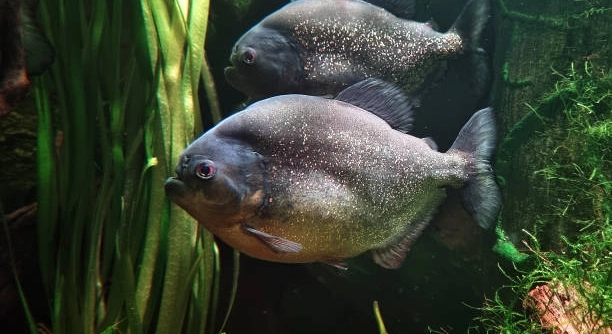
Piranhas have a fierce reputation that often scares people. Many think these fish are always attacking anything that moves nearby. However, their behavior is more complex and not as aggressive as most believe.
Piranha aggression is often exaggerated. While they can be aggressive in specific situations like feeding, most piranhas are shy and avoid confrontation. Their attacks are usually triggered by hunger or threat rather than constant hostility.
Knowing the truth behind these myths helps create a clearer picture of piranhas. Understanding their real behavior can change how people view and respect these unique fish.
Myth 1: Piranhas Always Attack in Large Groups
Many people believe that piranhas swarm in huge numbers and attack anything that enters the water. This idea likely comes from movies or sensational stories. In reality, piranhas usually swim in small groups or alone. They are more cautious and avoid unnecessary fights. Large, aggressive groups only happen when food is scarce or during breeding season. Outside these times, piranhas prefer to stay hidden and calm. Their sharp teeth and powerful jaws do make them capable hunters, but they don’t constantly hunt in packs like some might imagine. This myth has made people fear piranhas unnecessarily, often leading to misunderstandings about their natural behavior.
Piranha groups are typically small, and they are not constantly aggressive.
Understanding their social habits shows that piranhas are not mindless attackers. They use group behavior mainly for protection and feeding efficiency, not to attack without reason.
Myth 2: Piranhas Can Strip a Human to Bones in Minutes
It’s a common belief that piranhas can devour a human body in moments, leaving only bones behind. This idea is extreme and mostly untrue. While piranhas have sharp teeth and can bite quickly, they rarely attack large animals or humans. Their bites can be painful, but they are more interested in smaller prey. Attacks on humans are usually defensive or caused by mistakes, like disturbing their territory or water during dry seasons when food is limited. In many cases, piranha bites are minor and don’t lead to serious injury.
Piranha bites on humans are generally defensive, not predatory.
Real incidents show piranhas are opportunistic feeders rather than aggressive killers. Their reputation often grows from exaggerated stories, and understanding this can help people respect these fish without unnecessary fear or alarm.
Myth 3: Piranhas Are Always Hungry
Piranhas do not constantly hunger for food. They eat according to their needs, often feeding on plants, insects, and small fish. Their feeding is balanced and not driven by constant aggression.
Piranhas are opportunistic feeders. They will eat when food is available and avoid wasting energy when not hungry. Their diet varies with season and environment, which influences their behavior. Hunger can make them more active, but it doesn’t make them mindless attackers. Most of the time, piranhas calmly swim and wait for the right moment to feed.
This shows piranhas are not driven by a permanent state of hunger. Their feeding habits are natural and controlled. Their aggressive behavior during feeding is often limited to competition rather than attacking anything nearby.
Myth 4: All Piranhas Are Aggressive Predators
Not all piranha species behave aggressively. Some are peaceful and prefer to scavenge or eat plant matter. Aggression varies by species and environment.
Different species of piranhas have unique temperaments. While some are known to be more aggressive, others coexist quietly with other fish. Their environment plays a big role—stressful conditions or lack of food can increase aggression, but in balanced habitats, many piranhas remain calm. This variety means it is incorrect to label all piranhas as dangerous predators. They adapt their behavior to survive and avoid unnecessary conflict.
Recognizing the diversity among piranhas helps reduce fear. It also encourages respect for their place in the ecosystem rather than seeing them as threats. This understanding is important for anyone interested in fish behavior or keeping piranhas in aquariums.
Myth 5: Piranhas Are Always Dangerous to Humans
Piranhas rarely pose a real threat to people. Most bites happen when the fish feel threatened or cornered.
Many attacks are minor and caused by accidental disturbance rather than true aggression. Piranhas usually avoid humans whenever possible.
Myth 6: Piranhas Can Live Only in Warm, Shallow Waters
Piranhas adapt to different environments, not just warm, shallow waters. They inhabit rivers, lakes, and floodplains with varying temperatures and depths.
Their ability to survive in diverse conditions shows they are more flexible than often believed. This adaptability helps them find food and avoid predators in many parts of South America. Understanding this can help when studying their behavior or keeping them in captivity.
Myth 7: Piranhas Attack Anything That Moves
Piranhas are selective feeders and do not attack everything nearby.
They focus mostly on vulnerable or injured prey rather than healthy, moving creatures.
FAQ
Are piranhas really as dangerous as people say?
Piranhas have a scary reputation, but they are not as dangerous as most stories suggest. They can bite when threatened or hungry, but attacks on humans are rare and usually minor. Piranhas prefer to avoid confrontation, and many species are not aggressive unless provoked. Most incidents occur because people accidentally disturb their space, especially during dry seasons when food is limited. In general, piranhas are more shy than scary and do not hunt humans as prey.
What causes piranhas to become aggressive?
Piranha aggression typically arises from hunger, competition for food, or protecting their territory. When food is scarce, they may act more aggressively to secure resources. Breeding season can also increase territorial behavior, making piranhas more defensive. However, outside these situations, they tend to swim calmly and avoid fights. Understanding the context behind their behavior helps explain why piranhas are not always aggressive but react mainly to stress or survival needs.
Can piranhas really strip an animal or person to the bone?
The idea that piranhas can completely strip an animal or human to bones quickly is exaggerated. While piranhas have sharp teeth and can bite efficiently, such feeding frenzy rarely happens in nature. They mostly feed on small fish, plants, and insects. Large attacks tend to be rare and happen only when the fish are starving or disturbed in large numbers. Realistic encounters show piranhas usually take smaller bites and do not aim to completely devour large animals.
How big do piranhas get?
Most piranha species grow to about 6 to 10 inches long. Some species can reach up to 12 or 14 inches, but those are less common. Their size depends on the species and their environment. While they have powerful jaws, their relatively small size limits the danger they pose to large animals or humans. Knowing their size helps in understanding their natural prey and behavior in the wild.
Do piranhas attack people swimming or fishing?
Piranhas usually avoid people and do not actively hunt swimmers or fishermen. However, if the water is low or food is scarce, piranhas might bite out of fear or hunger when disturbed. Most bites are defensive reactions rather than attacks. Fishermen sometimes attract piranhas when cleaning fish or baiting hooks, which can cause the fish to become more aggressive temporarily. Overall, the risk of serious injury to people is very low.
Are all piranha species aggressive?
No, aggression varies by species. Some piranhas are peaceful, eating mostly plants or scavenging, while others show more aggressive feeding behavior. Environmental conditions such as food availability and water quality also influence their temperament. This diversity means it is incorrect to label all piranhas as dangerous predators. Many live quietly without causing harm to other fish or humans.
What do piranhas eat?
Piranhas eat a mix of plants, insects, small fish, and sometimes carrion. Their diet depends on the species and environment. They are opportunistic feeders but usually prefer smaller prey or scavenged food rather than constantly hunting large animals. This varied diet allows them to adapt well to different habitats and seasons, influencing their behavior and aggression levels.
Can piranhas survive outside South America?
Piranhas are native to South America and thrive in its rivers and lakes. While some have been introduced to other areas, they often struggle to survive outside their natural habitat because of different water conditions and temperatures. Their adaptability is good but has limits. In captivity, piranhas need specific care to mimic their natural environment and stay healthy.
How should you behave if you encounter piranhas?
If you find yourself near piranha habitats, it’s best to stay calm and avoid splashing or disturbing the water. Avoid swimming in areas known for piranha activity during dry seasons. If bitten, clean the wound properly to prevent infection. Remember, piranhas rarely attack unless provoked, so respectful distance and calm behavior reduce risks.
Are piranhas good aquarium fish?
Piranhas can be kept in home aquariums, but they require special care. They need plenty of space, clean water, and a diet similar to their natural one. Because some species can be aggressive, tank mates should be chosen carefully or avoided. Keeping piranhas demands knowledge about their behavior and environment to keep them healthy and reduce stress-related aggression.
Final Thoughts
Piranhas have earned a fearsome reputation that is not always fair or accurate. Many myths about their aggression and behavior have spread over time, making people believe they are more dangerous than they really are. The truth is that piranhas are usually shy, cautious fish that prefer to avoid conflict. Their aggressive behavior tends to happen only in specific situations, such as when they feel threatened, during feeding, or when protecting their territory. Understanding these facts helps us see piranhas as part of nature, rather than as mindless killers. This clearer view can reduce unnecessary fear and encourage respect for these fish.
It is important to remember that not all piranha species act the same way. Some are peaceful and mainly eat plants or small insects, while others may be more aggressive but only under certain conditions. Their environment also plays a big role in how they behave. For example, during dry seasons when food is limited, piranhas may show more aggressive behavior than usual. But in normal, balanced conditions, they usually live quietly and avoid unnecessary fights. This variety shows that piranhas are adaptable fish that change their behavior to survive, not just creatures driven by hunger or hostility.
Overall, learning the truth behind the myths about piranha aggression helps us understand them better. Instead of fearing them, we can appreciate their role in aquatic ecosystems and how they fit into their natural habitats. Respecting piranhas means recognizing their needs and behaviors without exaggerating the dangers they pose. Whether you encounter piranhas in the wild or in an aquarium, knowing the facts allows you to interact safely and responsibly. These fish deserve to be seen clearly, not through the lens of myth and fear, but as fascinating animals with their own natural patterns.

Hello,
If you enjoy the content that we create, please consider saying a "Thank You!" by leaving a tip.
Every little bit helps us continue crafting quality advice that supports the health, happiness, and well-being of pets around the world, for pets of all shapes, sizes, and species.
We really appreciate the kindness and support that you show us!