
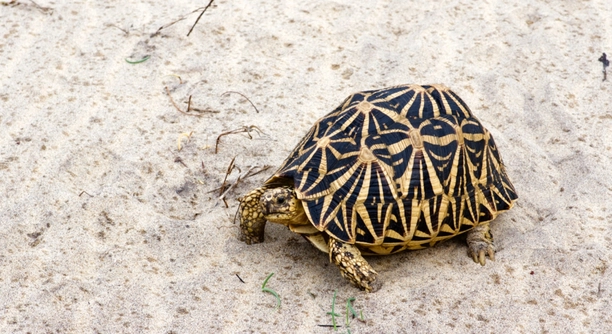
Indian star tortoises are fascinating and delicate creatures that need plenty of space to thrive. Providing the right environment is key to their well-being, and noticing signs that they need more space is essential.
When your Indian star tortoise is confined to a small area for too long, it can become stressed and less active. More space allows them to roam, exercise, and engage in natural behaviors, ultimately improving their overall health.
Understanding these signs will help you create a more suitable environment for your tortoise. By addressing space issues, you can ensure their comfort and happiness. Keep reading to discover what to look for.
Restricted Movement
When your Indian star tortoise is in a small space, it will show signs of restricted movement. This might be in the form of less walking or exploring. Tortoises naturally love to roam around, and if they don’t have enough room, they may become sedentary. Without the space to move freely, their physical health may decline. A lack of exercise can lead to obesity, shell deformities, and a weakened immune system. If your tortoise is often seen sitting in one spot or seems to wander aimlessly, it’s a clear sign they need more space. You’ll also notice that they may not seek food as actively. If this continues, it could affect their overall well-being.
It’s important to observe whether your tortoise is moving around as it should. When there’s a lot of room to move, tortoises tend to be much more active and alert.
Providing larger enclosures gives your tortoise the freedom to move, which is vital for maintaining physical strength. It also mimics their natural environment more closely. In the wild, they travel long distances daily, so in captivity, they need enough room to behave naturally. Not giving them that space can lead to stress, which can then affect their eating habits, activity level, and even their mood. A larger enclosure with hiding spots and natural elements like rocks and plants can encourage more movement. The key is to recreate a space where they feel comfortable to explore and exhibit their natural behaviors. This promotes better health, physical fitness, and mental well-being, all of which are important for a thriving tortoise.
Shell Deformities
Shell deformities are another sign that your tortoise may not have enough space. When confined to a cramped area, the shell can develop irregularities like soft spots or uneven growth. These issues can result from a lack of exercise and improper posture. Tortoises require a specific type of environment to maintain the shape and health of their shell. When they are unable to move freely, their shell can suffer, leading to long-term damage.
More space allows your tortoise to stretch, move around, and maintain the proper shell structure. Regular movement is essential to help them avoid deformities and ensure proper growth.
Lack of Appetite
When an Indian star tortoise has limited space, it may begin to lose its appetite. A small, cramped enclosure can cause stress and discomfort, which often results in reduced food intake. Tortoises need space to roam and feel secure, and without this, they may avoid food.
Providing enough space for your tortoise will make it feel more at ease and encourage it to eat properly. Stress from being confined can lead to digestive issues and general malnourishment. When the tortoise has the freedom to move around, it becomes more active, which typically boosts its appetite. A larger enclosure can give your tortoise a more natural environment, encouraging it to explore and forage for food. A well-balanced diet in a comfortable, spacious habitat ensures that your tortoise remains healthy and nourished.
Tortoises also benefit from access to a variety of food sources that they can explore. When their space is limited, they might not have the opportunity to search for different foods. A larger enclosure with hiding places or areas to dig can stimulate their natural behavior, increasing their food interest. Making sure your tortoise has enough space will prevent appetite loss and encourage a healthier, more balanced diet.
Boredom and Stress
Boredom and stress can be a result of not providing enough space. Tortoises are active and curious animals that require room to explore. If confined to a small space, they may become anxious, agitated, and more prone to unhealthy behaviors.
Stress affects tortoises in many ways, including their overall well-being and lifespan. Without enough space, your tortoise may exhibit signs of aggression, like biting or erratic movement. They may also become more defensive or withdraw from interaction with you. By offering a larger area for your tortoise to explore, you can reduce these stressors. A bigger space provides enrichment that helps alleviate boredom, allowing your tortoise to engage in natural activities such as burrowing, climbing, or seeking food. Keeping them busy reduces the risk of stress and behavioral problems.
Unusual Behavior
Tortoises that feel cramped may start to display unusual behaviors, such as pacing, digging excessively, or hiding more than usual. These actions are often signs of stress or frustration due to a lack of space. They are trying to escape the feeling of confinement.
More room helps reduce these behavioral changes. Tortoises need space to feel comfortable and secure, allowing them to exhibit normal, calm behaviors. Without it, their routines become disrupted, leading to behaviors like excessive scratching at the walls or attempting to climb out of their enclosure. Giving them more space will reduce these stressful actions and promote more relaxed, healthy behaviors.
Limited Social Interaction
If your tortoise seems less interactive with you or others, it might be due to limited space. When confined to a smaller area, it can become less social and may not engage in the same way. More room lets them feel secure and open to interaction.
FAQ
How much space does an Indian star tortoise need?
An Indian star tortoise requires a minimum of 40 to 50 square feet of space for one adult. This allows enough room for the tortoise to move around, explore, and engage in natural behaviors. If you have multiple tortoises, you’ll need to increase the space accordingly. The more space you provide, the better it will be for their overall health and well-being. Tortoises are territorial and prefer to have room to roam without being confined. A larger area also promotes better exercise, reducing the risk of obesity and other health issues.
What happens if my tortoise doesn’t have enough space?
If your tortoise doesn’t have enough space, it may show signs of stress, like aggression, lethargy, and lack of appetite. A cramped environment can limit your tortoise’s ability to move freely, leading to muscle atrophy and shell deformities. Tortoises may also become less active and more prone to behavioral problems. Over time, the lack of exercise and enrichment can impact their physical and mental health. Ensuring enough space will help prevent these issues and improve their overall quality of life.
Can I use a smaller enclosure for a baby tortoise?
A smaller enclosure is acceptable for baby tortoises, but it should still provide enough room for them to move around. The size should allow them to engage in natural behaviors such as walking, exploring, and eating. As your tortoise grows, you will need to upgrade the enclosure to ensure it has enough space to thrive. Avoid keeping a baby tortoise in too small of a space for an extended period, as it could stunt its growth and cause health problems.
How do I know if my tortoise is stressed due to lack of space?
Signs of stress in a tortoise from insufficient space include pacing, excessive digging, hiding more than usual, and lack of interest in food. A stressed tortoise may also become more aggressive, snapping or biting when handled. If your tortoise seems unusually inactive or unresponsive, it’s a good indication that it might be stressed from a lack of space. Providing a larger enclosure can help alleviate these behaviors and make your tortoise feel more secure.
Can I give my tortoise more space outside?
Yes, providing outdoor space is an excellent option for your tortoise. It mimics their natural environment, offering them the opportunity to engage in activities like basking, foraging, and digging. Be sure the outdoor space is secure, as tortoises can wander off if not properly enclosed. The area should also be free from predators and extreme weather conditions. Outdoor enclosures should be large, providing enough room for your tortoise to roam and explore while staying safe.
How often should I upgrade my tortoise’s space?
You should upgrade your tortoise’s space as it grows. Baby tortoises can begin in smaller enclosures, but as they reach maturity, they will require larger areas to maintain their health. Monitor your tortoise’s size and behavior. If they seem restricted or start to show signs of stress, it’s time for an upgrade. Generally, you should assess their space every 6 to 12 months to ensure it’s suitable for their growth and development.
Can overcrowding affect my tortoise’s health?
Yes, overcrowding can significantly impact a tortoise’s health. When there are too many tortoises in one space, it can cause stress, aggression, and competition for food. Overcrowding may also increase the risk of disease transmission. Tortoises are solitary animals by nature, and they need their own space to feel secure. If multiple tortoises are kept together, they should have plenty of room to avoid conflict. Each tortoise requires enough space to roam, eat, and rest comfortably.
Is there a specific type of substrate I should use for a tortoise’s enclosure?
The substrate in your tortoise’s enclosure is important for its comfort and health. It should be easy to clean and allow the tortoise to dig or burrow. Common substrates include coconut coir, organic topsoil, or a mix of sand and soil. Avoid using wood chips or pine shavings, as they can be harmful to tortoises. Ensure the substrate is deep enough for your tortoise to move around and burrow, but not too deep that it poses a risk of entrapment. Regularly change the substrate to keep the environment clean and safe for your tortoise.
Can I provide enough space in a tank or should I use a larger enclosure?
While tanks are common for smaller reptiles, they can be too restrictive for an Indian star tortoise. Tanks often lack proper ventilation, natural lighting, and enough space for your tortoise to move around. A larger, open enclosure is a better choice, allowing for more space to roam, climb, and explore. You can create a more natural habitat with more room, which is essential for your tortoise’s well-being. Enclosures made of wood, mesh, or plastic can be used as long as they provide enough space and proper ventilation.
Should I provide hide spots in my tortoise’s enclosure?
Yes, hide spots are essential for your tortoise’s comfort and well-being. These spaces provide a sense of security and allow your tortoise to retreat when it feels stressed or needs rest. You can use rocks, logs, or commercially available hide boxes to create these safe spots. Hide spots also encourage natural behaviors, like burrowing, which help to keep your tortoise active and mentally stimulated. Having a variety of areas for your tortoise to explore and rest will make it feel more secure in its environment.
Final Thoughts
Providing your Indian star tortoise with enough space is crucial for its overall well-being. These tortoises need room to move, explore, and engage in natural behaviors. A cramped environment can lead to stress, reduced appetite, and even physical issues like shell deformities. Without sufficient space, tortoises can become inactive, which in turn affects their health. A larger enclosure promotes better activity, reduces stress, and helps your tortoise live a happier, healthier life.
It’s important to assess your tortoise’s space regularly as it grows. Babies may need smaller enclosures, but as they mature, their space requirements increase. A suitable enclosure should not only offer enough room for them to move freely but also provide elements like hiding spots and different surfaces for them to interact with. Having an environment that mimics their natural habitat will encourage your tortoise to exhibit more natural behaviors, such as foraging and exploring. By doing this, you can ensure they stay active, healthy, and mentally stimulated.
Ultimately, a spacious and well-enriched environment is one of the most important aspects of caring for an Indian star tortoise. By paying attention to their needs and making sure their enclosure is large enough to give them the freedom they need, you’re setting the foundation for a happy and healthy life. Ensuring they have space to move around, bask, and dig will also help prevent many health problems in the future. In the end, your tortoise’s well-being depends largely on how comfortable and safe it feels in its living space.

Hello,
If you enjoy the content that we create, please consider saying a "Thank You!" by leaving a tip.
Every little bit helps us continue crafting quality advice that supports the health, happiness, and well-being of pets around the world, for pets of all shapes, sizes, and species.
We really appreciate the kindness and support that you show us!