
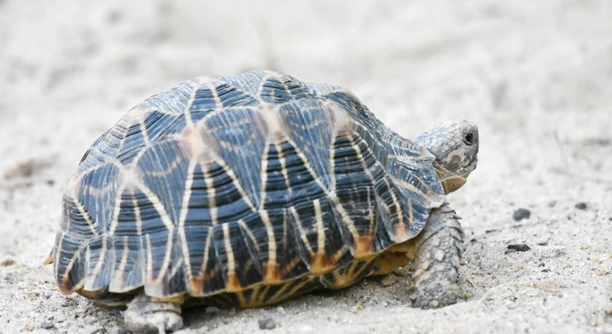
An Indian Star Tortoise scratching its shell might catch your attention and leave you wondering what’s going on. Understanding the cause of this behavior can help you better care for your pet and ensure its well-being.
Scratching its shell is often a sign of a natural shedding process, stress, or even irritation caused by the environment or diet. It’s essential to observe the tortoise’s behavior and check for any underlying health concerns.
Taking note of the scratching could help identify the issue and guide you toward the right steps. This article explores the reasons behind this behavior and provides tips for your tortoise’s health and comfort.
Why Is My Tortoise Scratching Its Shell?
The most common reason for an Indian Star Tortoise to scratch its shell is related to the natural shedding of its scutes (the hard, outer plates of its shell). This process, known as ecdysis, occurs as the tortoise grows. While it’s normal for the scutes to come off gradually, the scratching behavior can help them loosen and fall off. If the tortoise is constantly scratching, it could be trying to help remove old, dead skin. You’ll usually notice this around the time of shedding, which may happen a few times a year depending on the tortoise’s age and growth rate.
While natural shedding is common, it’s essential to consider other factors that might contribute to scratching. An improper diet can affect the health of the shell, leading the tortoise to scratch more often. Poor lighting conditions, a lack of UVB exposure, or insufficient humidity may also cause the tortoise to scratch its shell. Stress is another factor to keep in mind, especially if the environment is too crowded or the habitat is too small.
If your tortoise seems overly focused on scratching, check if it’s eating a balanced diet rich in calcium. Without this nutrient, your tortoise’s shell may not develop properly, leading to discomfort or irritation. You can also inspect the habitat, ensuring it’s warm enough and provides space to move around freely. An environment that lacks stimulation or causes stress may make your tortoise more prone to scratching.
When Is Scratching a Sign of Illness?
Scratching could also indicate an underlying health issue if the behavior seems excessive or is accompanied by other signs, like changes in appetite or lethargy. It’s crucial to monitor your tortoise for any unusual behavior that might point to a more significant problem.
Infections or injuries to the shell might also lead to scratching. If your tortoise’s shell is soft, cracked, or discolored, it could be a sign of an infection or fungal growth. A vet should examine any noticeable changes, as early treatment can prevent further damage. A healthy, well-maintained shell is a sign of proper care and attention.
How Does Diet Affect Shell Scratching?
A poor diet can cause your tortoise’s shell to become unhealthy and more prone to scratching. If your tortoise is lacking essential nutrients like calcium and vitamin D3, it might scratch more often in an attempt to relieve discomfort. A diet that includes fresh leafy greens, grasses, and calcium supplements is crucial for shell health. If the tortoise isn’t getting enough of these nutrients, it could lead to softening or damage to the shell.
An improper diet can also lead to shell deformities, which might make scratching more frequent. Overfeeding, especially foods high in phosphorus, can also lead to imbalances that affect shell development. A balanced diet ensures the tortoise grows properly and doesn’t experience irritation or discomfort that might make it scratch its shell more often. Regularly providing the correct foods, along with access to UVB light, can prevent many of these issues from arising.
Ensure your tortoise is getting the correct nutrition, such as calcium-rich foods like dandelion greens and calcium dust for their food. A proper diet will reduce the chances of scratching caused by nutrient deficiencies. Always research which foods are best for your specific tortoise species, as different types may require slightly different diets to stay healthy and avoid shell issues.
Environmental Factors and Shell Scratching
Your tortoise’s environment plays a significant role in whether or not it will scratch its shell. If the enclosure is too small or lacking in proper features, your tortoise could become stressed and start scratching. Inadequate space to roam or poor substrate choices could lead to irritability. Additionally, the temperature and humidity levels should match your tortoise’s natural habitat to avoid discomfort that can lead to excessive scratching.
Temperature and humidity levels affect a tortoise’s overall comfort. If the enclosure is too dry or too humid, the tortoise may scratch its shell as it tries to adjust to the environment. A proper setup with enough space to move around, as well as access to areas of warmth and coolness, will help your tortoise feel at ease and reduce unnecessary scratching. Regularly check the enclosure’s conditions, including basking spots and hiding areas, to ensure it matches the needs of your tortoise.
Keeping your tortoise in a spacious, well-maintained environment ensures it won’t experience stress that can trigger excessive scratching. A happy, healthy tortoise is less likely to engage in such behaviors.
Is Stress a Major Factor?
Stress can lead your tortoise to scratch its shell more often. Factors like overcrowding, loud noises, or changes in the environment can trigger stress. When stressed, tortoises often exhibit behaviors like scratching or trying to escape, which might signal they’re uncomfortable in their space.
If your tortoise seems stressed, try to reduce any potential triggers. A quieter, calm environment with minimal disturbances can help ease the stress and reduce scratching behavior. Ensuring the tortoise feels safe and secure can lead to less anxiety, helping it settle into its habitat more comfortably.
The Role of Shell Injuries
A scratch or injury on the shell itself can cause irritation, prompting the tortoise to scratch further. If the injury is minor, the tortoise may try to heal it naturally. However, if the injury is more severe, it’s essential to seek veterinary care for proper treatment.
Ignoring shell injuries can lead to infections or complications, so keeping a close eye on the shell’s condition is important. Regularly inspect your tortoise for cracks, punctures, or other damage to ensure any potential issues are caught early.
FAQ
What should I do if my tortoise scratches excessively?
If your tortoise scratches excessively, first check its environment and diet. Ensure that the enclosure is large enough, with proper lighting, temperature, and humidity. Make sure the tortoise has access to a balanced diet, including calcium and vitamin D3, and that the shell is healthy. If the scratching continues or you notice other symptoms like changes in behavior or appetite, consult a veterinarian to rule out infections or shell injuries.
How do I know if my tortoise is shedding its scutes?
When a tortoise sheds its scutes, the outer layer of its shell will start to loosen and fall off in patches. This process is natural, and the tortoise may scratch to help the old scutes come off. During shedding, you may notice slight changes in the shell’s appearance, like a slightly duller color or small, rough patches. If the shedding seems excessive or abnormal, consult a vet to confirm it’s part of a normal cycle.
Could my tortoise be scratching because of a shell infection?
Yes, shell infections can lead to scratching. If your tortoise’s shell is soft, discolored, or has visible cracks, there could be an infection or fungus. Infected shells may cause discomfort, prompting the tortoise to scratch. If you notice any of these signs, it’s important to seek veterinary treatment immediately to prevent the infection from worsening.
Is it normal for a tortoise to scratch its shell after bathing?
It is normal for a tortoise to scratch its shell after a bath. This behavior may be due to the tortoise feeling a bit itchy as its skin or scutes start to loosen. Bathing can also stimulate circulation, causing the tortoise to scratch more as a way to self-soothe. However, if the scratching continues beyond bath time, other factors like stress or a poor diet might be contributing.
Can a poor diet cause scratching in my tortoise?
Yes, a poor diet can lead to scratching. Tortoises require calcium and vitamin D3 for healthy shell development. A lack of these nutrients can cause the shell to soften or become weak, leading to irritation and scratching. Ensure your tortoise’s diet includes leafy greens, calcium supplements, and access to UVB light to prevent these issues.
How do I provide the best lighting for my tortoise?
To provide the best lighting for your tortoise, use a UVB light that mimics natural sunlight. UVB light helps your tortoise absorb calcium and maintain strong, healthy bones and shells. The light should be on for 10-12 hours a day and placed 10-12 inches above the tortoise’s basking area. Ensure the tortoise also has access to areas of both heat and cooler temperatures.
Can stress lead to shell scratching?
Yes, stress can cause your tortoise to scratch its shell more. Stressors such as overcrowding, loud noises, or a sudden change in habitat can make your tortoise feel anxious, causing it to scratch or even attempt to escape. To reduce stress, provide a quiet, calm environment with enough space and hiding places.
How often should I check my tortoise’s shell?
You should check your tortoise’s shell regularly, especially if you notice any scratching behavior. Inspect for cracks, soft spots, or signs of infection, such as unusual discoloration or odor. Regular checks will help you spot potential issues early and seek veterinary care if necessary.
Can my tortoise scratch its shell if the humidity is too low?
Yes, low humidity can lead to dry skin and an uncomfortable shell, prompting your tortoise to scratch. Make sure the humidity in your tortoise’s enclosure is at the appropriate level for its species, usually between 50% and 70%. Use a humidifier or mist the enclosure regularly to maintain proper humidity levels.
Should I be concerned if my tortoise scratches its shell at night?
Scratching at night may not be a cause for concern, but it’s worth monitoring. Tortoises are generally more active during the day, but some may scratch their shells at night due to restlessness or environmental factors. If the scratching seems excessive or if you notice other changes in behavior, check the enclosure for stress factors or consult a vet.
Final Thoughts
When your Indian Star Tortoise scratches its shell, it’s important to first consider natural behaviors like shedding. This is a common reason for scratching, and it’s often harmless. The tortoise might be trying to help loosen the scutes, which is a normal part of its growth. As long as the scratching is not excessive and the shell looks healthy, it’s probably just a part of the natural process. Regular checks can help ensure that the shedding is happening properly and that there are no signs of infection or injury.
However, if the scratching becomes more frequent or intense, it might be a sign of something else. Stress, improper lighting, or an imbalanced diet can all contribute to discomfort and cause your tortoise to scratch more than usual. Creating a calm environment with proper UVB lighting and a balanced diet can go a long way in preventing these issues. It’s also important to ensure the tortoise has enough space to move around, as overcrowding can cause stress. If the scratching doesn’t stop after addressing these factors, it’s best to consult a veterinarian to rule out health concerns like shell infections.
Overall, keeping a close eye on your tortoise’s shell, diet, and environment is the best way to prevent unnecessary scratching. By ensuring it’s getting the right nutrition, exposure to proper light, and a comfortable habitat, you can help your tortoise live a healthy, happy life. While scratching can sometimes be part of the normal shedding process, paying attention to any changes or excessive behaviors is crucial for catching potential problems early.

Hello,
If you enjoy the content that we create, please consider saying a "Thank You!" by leaving a tip.
Every little bit helps us continue crafting quality advice that supports the health, happiness, and well-being of pets around the world, for pets of all shapes, sizes, and species.
We really appreciate the kindness and support that you show us!