
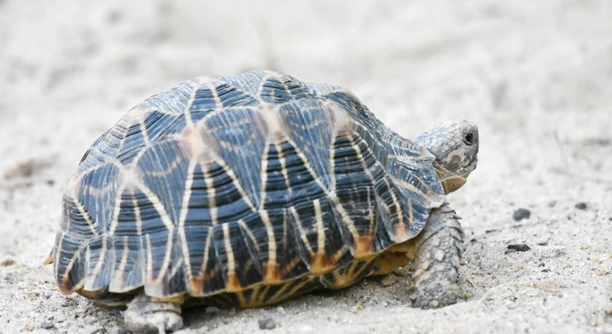
Indian Star Tortoises are lovely companions, but ensuring they stay active is key to their health and happiness. Regular exercise is vital for them to maintain strong muscles and avoid health problems.
To keep your Indian Star Tortoise healthy, provide opportunities for daily exercise in a safe and stimulating environment. This promotes physical strength and prevents common health issues like shell deformities and obesity.
By giving your tortoise enough space and engaging activities, you will see a significant improvement in their overall well-being. There are simple ways to encourage their movement and keep them active.
1. Create a Spacious Environment for Exploration
A larger space will encourage your Indian Star Tortoise to roam freely and explore its surroundings. This is an essential part of their exercise routine. A confined space can lead to a sedentary lifestyle, which might cause various health issues. When you provide a larger area, they have the freedom to move, dig, and climb, all of which are natural behaviors. Ideally, the space should replicate their natural habitat, giving them a chance to interact with various elements like plants, rocks, and small obstacles. You can design their habitat to include safe pathways and hiding spots to make their exercise sessions more engaging. Be sure the area is free from hazards such as sharp objects or anything that might harm them.
Adding new objects to the environment helps keep things interesting, preventing boredom. If you want to take it a step further, you can rotate toys or rocks to keep their exploration fresh.
A spacious setup also makes it easier to monitor your tortoise’s movements. By observing their behavior, you can determine if they are moving around enough or if they need more encouragement. Regular changes in the environment can keep your tortoise physically active and mentally stimulated.
2. Set Up an Outdoor Play Area
Sometimes, bringing your tortoise outdoors can be a great way to ensure they get enough exercise. Exposure to natural sunlight helps them with vitamin D production, while the outdoor space gives them even more room to roam.
The outdoors offers natural obstacles like grass, small hills, and varied terrain that are ideal for your tortoise to explore. You can set up a secure, fenced-off area where they are free to walk around safely. Keep in mind that outdoor play areas should be predator-proof and free from any plants that may harm your tortoise. Depending on your climate, ensure the area remains warm enough for your tortoise to stay comfortable.
A well-maintained outdoor play area can become a regular activity for your tortoise, giving them a chance to engage in natural behaviors. The variety in their environment will also enhance their physical health, as they move across different surfaces and obstacles. Providing an outdoor space is one of the most enjoyable ways to encourage your tortoise to stay active.
3. Offer Safe Obstacles for Climbing
Climbing is an excellent form of exercise for tortoises. Providing safe obstacles like small rocks or ramps encourages them to stretch their muscles and practice coordination. It’s important that the obstacles are low enough for them to climb safely but high enough to make them challenge themselves. This not only helps with physical strength but also engages them mentally.
Add different textures to the obstacles, such as smooth and rough surfaces, to make it more interesting for your tortoise. Be sure that nothing is sharp or dangerous, as this could cause injury. Over time, these obstacles can help prevent obesity and keep their muscles toned.
Tortoises naturally climb over things in the wild, so giving them the opportunity to do so in their enclosure helps mimic their instinctual behavior. You don’t need anything complex—just some simple rocks or logs can work wonders. Changing the arrangement of obstacles from time to time can keep your tortoise active and engaged.
4. Use Food to Encourage Movement
You can also use food to motivate your tortoise to move. Placing food in different spots around their enclosure encourages them to walk, climb, or dig. This form of exercise not only stimulates their body but also their mind. Just make sure the food is healthy and safe.
Scatter the food throughout the habitat, making your tortoise search for it. This will naturally make them more active as they walk around and explore every corner. Be mindful not to overfeed them, as food placement should just be an exercise tool. You can change the food’s location each time to keep the challenge interesting.
Offering food as an incentive is a simple but effective way to increase your tortoise’s activity levels. It creates a positive association with movement and helps them get the exercise they need. Just be sure to offer a variety of foods, such as leafy greens or small fruits, to keep them motivated.
5. Encourage Digging and Burrowing
Tortoises love to dig and burrow, and it’s great for their physical exercise. Offering loose soil or sand allows them to engage in this natural behavior. You can also add a hideaway for them to dig around, making it feel like a fun challenge.
Providing different textures and materials for digging will keep them moving. Digging helps stretch their legs and muscles while also providing mental stimulation. If you notice they are spending too much time inactive, adding more digging opportunities will encourage movement and help them stay healthy.
Allowing your tortoise to dig in a safe area will help strengthen their muscles and joints. These activities mimic their natural habitat and provide enrichment, so be sure to keep the area clean and safe.
6. Rotate Toys and Objects
Rotating toys and other objects keeps your tortoise interested and encourages them to move. You can introduce simple items like plastic tunnels, soft balls, or sturdy plants to create new challenges.
Changing these objects regularly will stimulate their curiosity, motivating them to interact and exercise. This variety keeps the environment fresh, preventing boredom and encouraging activity. Be sure the toys are safe and easy for your tortoise to handle, and ensure they don’t cause any injury.
Rotating toys provides more opportunities for exercise, as your tortoise will enjoy investigating new objects. This keeps them engaged and active, preventing them from becoming too sedentary. Regular changes help them stay physically and mentally fit.
FAQ
How much exercise does my Indian Star Tortoise need daily?
Indian Star Tortoises need at least 30 minutes to an hour of exercise each day to stay healthy. This can be broken up throughout the day, giving them time to rest between sessions. Some tortoises may need more, depending on their age, size, and energy levels. If your tortoise is younger, they may require more activity, as they are growing and developing. Older tortoises may prefer shorter, gentler sessions. Keep track of their activity levels to make sure they are moving enough to maintain good muscle tone and avoid becoming overweight.
Can I let my tortoise roam freely around the house?
While it’s tempting to let your tortoise roam around the house, it’s better to keep them in a controlled, safe environment. If you let them roam freely, they may get into places where they can’t move or explore properly, or worse, injure themselves. It’s also difficult to monitor their activity levels in an open house setting. However, if you choose to let them out of their enclosure for short periods, be sure to create a safe, secure area where they can move around without risk. Avoid areas where they might get stuck or hurt.
What type of surface is best for my tortoise to exercise on?
A natural, rough surface is ideal for exercise, as it helps your tortoise wear down its claws and keeps its muscles active. Gravel, smooth rocks, or sand work well, as long as the surface is not too harsh. Avoid slippery floors, as they can make it difficult for your tortoise to move and may cause joint strain. If your tortoise is indoors, you can use non-slip mats or textured flooring in their play area. The goal is to provide a surface that encourages movement without causing discomfort.
Can I use a treadmill or other equipment for my tortoise?
While it’s an interesting idea to use equipment like a treadmill for your tortoise, it’s not necessary. Tortoises need natural forms of exercise, such as walking, climbing, and digging, rather than mechanical equipment. A treadmill or similar device could cause unnecessary stress or injury to your tortoise. Instead, focus on providing a large, secure area where they can move freely. You can also introduce natural obstacles, toys, or food to stimulate movement. These methods are far more beneficial for their physical and mental health.
Is it okay to exercise my tortoise in cold weather?
Exercising in cold weather is not ideal for tortoises. They are cold-blooded animals and rely on external temperatures to regulate their body heat. If the weather is too cold, your tortoise may become sluggish or even fall into hibernation. To avoid health issues, always ensure your tortoise’s exercise environment is warm enough. Indoor play areas are best for cold weather, but be mindful of the temperature. If you plan to take your tortoise outside, make sure the temperature is between 70°F and 85°F (21°C to 29°C) for safe exercise.
How can I tell if my tortoise is getting enough exercise?
It’s easy to monitor your tortoise’s exercise levels by observing their behavior. If they are moving around regularly, climbing obstacles, and actively exploring their habitat, they are likely getting enough exercise. Pay attention to their weight and shell health as well. A tortoise that isn’t getting enough activity may become overweight, lethargic, or develop issues like shell deformities. If you notice signs of inactivity or weight gain, it’s time to increase their exercise routine. Regular check-ups with a vet can also help assess their physical health.
Should I take my tortoise to the vet if they don’t seem active?
If your tortoise is not as active as usual, it could be a sign of health issues. A lack of movement may indicate injury, illness, or an improper diet. If your tortoise shows signs of lethargy, loss of appetite, or abnormal behavior, it’s a good idea to take them to the vet. A professional can check for any underlying conditions, such as parasites or shell problems, that might be affecting their activity levels. Early intervention can prevent more serious issues from developing. Regular vet visits are important for overall health.
Can I exercise my tortoise indoors?
Yes, you can exercise your tortoise indoors as long as you create a safe and stimulating environment. Use different objects like rocks, tunnels, or ramps to encourage climbing and movement. Ensure the temperature and humidity levels are appropriate for your tortoise’s species. Indoor environments allow you to monitor their exercise more closely, which can be beneficial if outdoor conditions aren’t ideal. Be sure to give your tortoise enough space to roam and explore. You can also use food or toys to encourage activity indoors.
Do I need to supervise my tortoise during exercise?
Supervision is important, especially if your tortoise is new to exercise or you’ve set up a new environment. You should always keep an eye on them to ensure they are moving safely and not getting stuck or injured. It’s also important to monitor how much exercise they are getting, especially if they are new to a certain routine. Once your tortoise is familiar with their play area and comfortable moving around, supervision can be less frequent, but always be mindful of their well-being.
Incorporating regular exercise into your Indian Star Tortoise’s routine is crucial for their overall health and well-being. A tortoise that stays active is less likely to face issues like obesity, shell deformities, and muscle weakness. Whether it’s providing a spacious environment, encouraging natural behaviors like digging and climbing, or introducing food as a motivator, there are simple ways to ensure they get enough movement each day. These activities also provide mental stimulation, helping to keep your tortoise happy and engaged.
It’s important to remember that tortoises are creatures of habit, so consistency is key. They thrive on routines and feel comfortable when they know what to expect. Keeping their environment enriched with safe obstacles, different textures, and occasional changes in their surroundings can keep them interested and active. A variety of activities helps them stay physically and mentally fit, preventing boredom and promoting natural behavior. Creating a stimulating environment that encourages exploration can make exercise an enjoyable part of your tortoise’s day.
Lastly, monitoring your tortoise’s health and activity levels is essential. If you notice signs of inactivity, lethargy, or any unusual behavior, it’s a good idea to check in with a veterinarian. Regular check-ups will help catch any health issues early, allowing you to adjust their routine if needed. Ensuring your tortoise gets enough exercise doesn’t have to be complicated—it’s about providing opportunities for movement and maintaining a safe, engaging space for them to thrive. With the right balance, your tortoise will remain healthy and active for years to come.

Hello,
If you enjoy the content that we create, please consider saying a "Thank You!" by leaving a tip.
Every little bit helps us continue crafting quality advice that supports the health, happiness, and well-being of pets around the world, for pets of all shapes, sizes, and species.
We really appreciate the kindness and support that you show us!