
Paragraph 1:
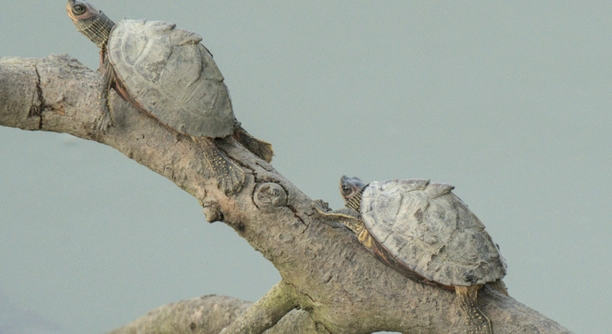
Your Indian Roofed Tortoise is a unique and fascinating pet that requires proper care to thrive. One of the most important factors is maintaining an ideal temperature in its habitat.
Paragraph 2:
Excessive heat can lead to stress and health problems for your Indian Roofed Tortoise. Common signs that your tortoise is too hot include lethargy, reduced appetite, and attempts to escape its enclosure.
Paragraph 3:
By recognizing these signs, you can make adjustments to improve their environment. Keeping your tortoise cool and comfortable will help maintain its well-being and happiness.
Understanding the Ideal Temperature for Your Indian Roofed Tortoise
Indian Roofed Tortoises thrive in warm environments, but it’s essential to ensure their habitat isn’t too hot. The ideal temperature range for these tortoises is between 80°F and 90°F during the day, with a basking area reaching up to 95°F. This allows them to absorb enough warmth without being overheated. When temperatures exceed this range, your tortoise can face health issues like dehydration, stress, or even heatstroke. It’s important to have a temperature gradient in their enclosure, where they can move between warmer and cooler areas to regulate their body temperature.
Proper heating equipment, like heat lamps and ceramic heat emitters, can help maintain this balance. Be sure to monitor the temperature regularly, as too much heat can be just as harmful as too little. Keeping a consistent, comfortable temperature will ensure your tortoise stays healthy and happy.
Signs of Overheating in Your Tortoise
If your tortoise seems too hot, there are several signs to watch for. Look out for behaviors like excessive digging or attempting to escape its enclosure.
Heat can cause a lot of discomfort for your Indian Roofed Tortoise. Overheating often leads to a lack of appetite, which is one of the first things you may notice. If your tortoise is not eating or drinking regularly, it could be a sign that the temperature is too high. You may also see them retreating into their shell more often. This is their way of trying to cool down and avoid further stress. Additionally, overheating can make them lethargic. If your tortoise is spending too much time resting in one spot, they may be struggling to deal with the heat. Pay attention to these signals so you can adjust their environment accordingly.
How to Adjust the Temperature in Your Tortoise’s Enclosure
To help your tortoise feel comfortable again, it’s crucial to manage their enclosure temperature. Start by moving their heat source, like the heat lamp, to one side of the habitat to create a temperature gradient. This gives your tortoise the option to move to a cooler area when it gets too warm. Make sure your heat source isn’t too close to the basking spot; it should be high enough to avoid burning your pet. A thermometer is an essential tool here, allowing you to accurately measure the temperature in various parts of the enclosure.
Additionally, you can provide a cool area in the habitat. This might include a shaded corner or a spot with access to a water bowl. Hydration is crucial in hot weather, so ensure that your tortoise has access to fresh water at all times. During particularly hot weather, consider lowering the temperature by turning off the heat lamps during cooler hours. Monitoring your tortoise’s behavior and adjusting the habitat accordingly will help prevent overheating and ensure they stay in optimal health.
Hydration and Its Role in Temperature Control
If your tortoise is too hot, dehydration is a concern. It’s important to ensure they have fresh, clean water available at all times. Dehydration can worsen the effects of heat stress, making it harder for your tortoise to regulate its body temperature.
A simple way to encourage hydration is by offering a shallow water dish that they can easily access. Make sure the dish is not too deep, as your tortoise might accidentally drown. If the environment is too hot, consider lightly misting your tortoise with water to help them cool down. Always keep the water clean and change it regularly.
Excessive heat combined with dehydration can lead to long-term health problems for your tortoise. Keeping them hydrated will not only help with temperature regulation but also maintain their overall health. If your tortoise is consistently not drinking water, it could be a sign that they’re too hot. In that case, lowering the enclosure temperature and offering cool water can help them recover.
Making Adjustments for a Cooler Environment
To help your tortoise recover from the heat, you can adjust the habitat by introducing more shade. Place a hide or a larger rock in the cooler part of the enclosure to give them a place to retreat.
You can also use cooling tiles or stones that retain cooler temperatures. These can be placed in shaded areas, giving your tortoise a way to regulate its body temperature. Another method to cool the environment is by adjusting the room temperature. If your tortoise’s enclosure is in direct sunlight or a heated room, moving the enclosure to a cooler location will help.
Creating a balanced environment with cooler spots is key to keeping your tortoise safe. Regularly check the temperature throughout the day, as heat levels can fluctuate. Adding ventilation to the enclosure will also improve airflow and help reduce overall temperature.
Using a Fan to Improve Airflow
A simple fan can help improve airflow and reduce heat buildup in your tortoise’s enclosure. Ensure the fan isn’t blowing directly on them but instead circulating air around the habitat. This will help maintain a more stable temperature.
A fan can be especially helpful if the room tends to get stuffy or lacks ventilation. By moving air around, it helps avoid hotspots that might be too warm for your tortoise. Regular airflow will keep the temperature in a safe range, preventing excessive heat buildup. However, always monitor the temperature to ensure it’s not too cold.
Choosing the Right Substrate for Temperature Control
Choosing the right substrate for your tortoise’s enclosure plays a role in temperature regulation. Substrates like coconut coir, hay, or grass can help maintain moisture and moderate temperature changes. A thicker layer of substrate can also provide a cooler spot for your tortoise to dig into.
The material you select should allow your tortoise to burrow, as this helps regulate their temperature naturally. It’s important that the substrate stays dry in the warmer areas and slightly damp in the cooler areas. This balance helps with humidity control and keeps your tortoise comfortable.
FAQ
How can I tell if my tortoise is too hot?
If your tortoise is too hot, it may show signs like excessive digging, lethargy, or trying to escape its enclosure. You might also notice a lack of appetite or reduced activity. Overheating can cause stress and dehydration, leading your tortoise to retreat into its shell more often. In extreme cases, your tortoise could become inactive or unresponsive. It’s essential to monitor the temperature regularly and adjust the environment if necessary.
Can I use a heat lamp for my tortoise at night?
Heat lamps are typically not needed at night unless the temperature in the room drops below the recommended range. Most tortoises can tolerate cooler temperatures during the night, but the ambient temperature should stay within a comfortable range. If it’s too cold, you can use a ceramic heat emitter, which doesn’t emit light but still provides warmth. This helps your tortoise maintain its regular day-night cycle and ensures a more natural sleep pattern.
What should I do if my tortoise seems dehydrated?
If your tortoise appears dehydrated, offer it fresh water in a shallow dish. You can also gently mist it with water to help hydrate the skin. Dehydration can be a result of high temperatures, so lowering the temperature and ensuring your tortoise has easy access to water is vital. If dehydration persists, consider consulting a vet for proper care and treatment. Regularly check your tortoise’s hydration levels and monitor their behavior to catch any issues early.
Is it safe to let my tortoise roam outside in hot weather?
Letting your tortoise roam outside during hot weather is not recommended unless you can monitor the temperature and ensure they have plenty of shade and water. Tortoises can overheat quickly, especially if the outside temperature is high. If you do take your tortoise outdoors, make sure it has access to shaded areas and cool spots to retreat. Always supervise them to avoid heat stress or escape attempts.
Can I use a fan to cool down my tortoise’s enclosure?
Yes, a fan can help circulate air and prevent heat buildup in your tortoise’s enclosure. However, the fan should not blow directly on the tortoise, as this could cause the environment to become too dry. Instead, place the fan near the enclosure to improve airflow. Be sure to check the temperature regularly to ensure it stays within the proper range. A fan can also help avoid hot spots, which can occur in poorly ventilated enclosures.
How do I maintain the right humidity for my tortoise?
Maintaining proper humidity is essential for your tortoise’s health. You can increase humidity by lightly misting the enclosure or adding a shallow water dish. Some substrates, like coconut coir or moss, retain moisture better and help maintain humidity levels. Be sure to monitor humidity and adjust based on your tortoise’s specific needs. Too much humidity can lead to mold or respiratory issues, while too little can cause dehydration or shell issues.
Can my tortoise survive without a heat source?
Indian Roofed Tortoises rely on heat sources to regulate their body temperature. Without proper heating, your tortoise may become lethargic, lose its appetite, or develop health issues. It’s crucial to provide a heat source, such as a heat lamp, to ensure that your tortoise can bask and stay warm enough to digest food and remain active. Ensure the temperature gradient in the enclosure allows your tortoise to move to cooler areas if necessary.
What type of lighting does my tortoise need?
Tortoises require UVB lighting to help them synthesize vitamin D3, which is essential for calcium absorption and shell health. UVB light should be provided for 10-12 hours a day, mimicking natural sunlight. Without proper UVB exposure, your tortoise can develop metabolic bone disease, which can lead to weak bones and shells. Regularly replace UVB bulbs to ensure they remain effective and provide adequate lighting for your tortoise.
Can I overheat my tortoise by using a heat lamp?
It is possible to overheat your tortoise if the heat lamp is placed too close or if the temperature is too high. Always ensure that the basking spot doesn’t exceed the recommended 95°F. Use a thermometer to monitor the temperature in various parts of the enclosure. If the basking area gets too hot, move the heat lamp farther away or adjust its intensity. Providing a temperature gradient in the enclosure allows your tortoise to move to cooler areas when needed.
What can I do if my tortoise refuses to eat in hot weather?
If your tortoise refuses to eat, the temperature may be too high, or they could be stressed due to the heat. Lowering the temperature or offering fresh food at a cooler time of day may encourage eating. Additionally, make sure your tortoise is hydrated, as dehydration can affect their appetite. If the problem persists, consult a veterinarian to rule out any underlying health issues. Avoid offering food when your tortoise is too hot, as it can lead to digestive problems.
Final Thoughts
Taking care of an Indian Roofed Tortoise involves a lot of attention to detail, especially when it comes to temperature management. These tortoises thrive in warm conditions, but like all pets, they can be negatively affected if their environment becomes too hot. Overheating can lead to dehydration, stress, and even more serious health problems, so it’s important to closely monitor their habitat and make any necessary adjustments. This means checking their temperature regularly, ensuring that there are both warm and cooler spots in their enclosure, and offering plenty of water.
Creating the ideal environment for your tortoise goes beyond just managing the heat. Humidity, hydration, and airflow also play significant roles in their comfort and well-being. A good balance of warmth and cool areas allows your tortoise to regulate its body temperature naturally, which is crucial for their digestion and overall health. Proper hydration is just as important, especially during hot weather. Without enough water, your tortoise can become dehydrated, which only makes it harder for them to deal with the heat. Using a fan to improve airflow or adjusting your heating setup can make a big difference in keeping the habitat comfortable.
Finally, it’s important to always be observant and aware of your tortoise’s behavior. If they’re acting lethargic, not eating, or trying to escape, these can all be signs that the temperature is not quite right. Making small adjustments can help prevent stress and ensure that your tortoise remains healthy and happy in its environment. With a little effort and attention, you can create a safe and comfortable home for your Indian Roofed Tortoise, allowing them to live a long, healthy life.

Hello,
If you enjoy the content that we create, please consider saying a "Thank You!" by leaving a tip.
Every little bit helps us continue crafting quality advice that supports the health, happiness, and well-being of pets around the world, for pets of all shapes, sizes, and species.
We really appreciate the kindness and support that you show us!