
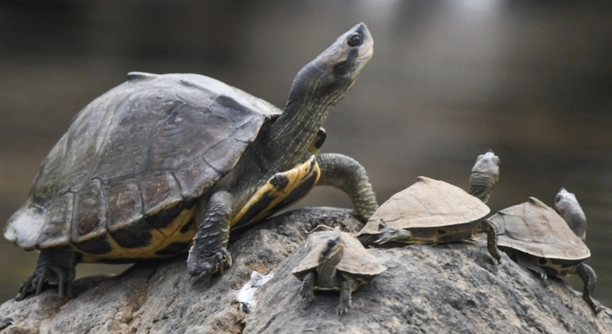
Are you wondering if your Indian Roofed Tortoise has outgrown its current tank?
The easiest way to determine if your tortoise needs a larger tank is by evaluating its size and activity levels. If your pet frequently seems cramped or inactive, it could be a sign that the enclosure is too small.
As your tortoise grows, it’s important to ensure its living space supports its needs. Knowing when to upgrade will help maintain your pet’s health and happiness. Keep reading to learn more about how to assess tank size for your tortoise.
Signs Your Indian Roofed Tortoise Needs More Space
One of the easiest signs that your tortoise may need a bigger tank is when it starts showing signs of stress. If your tortoise frequently bumps into walls, struggles to find a comfortable spot, or spends most of its time inactive, it could be a sign that the tank is too small. As your tortoise grows, it requires more room to move around and explore. A cramped space limits its ability to exhibit natural behaviors and can even affect its health. You should also observe its eating habits and overall activity levels. If the tortoise seems to have less energy or is eating less than usual, the lack of space could be a contributing factor.
A tank that is too small can lead to stress and discomfort, which can impact your tortoise’s health. Keep an eye on these signs to determine when it’s time to make the change.
Additionally, it’s essential to consider your tortoise’s age and size. Young tortoises may start out in a smaller tank but will quickly outgrow it as they develop. This growth rate varies, but if you notice your tortoise is significantly larger than when you first got it, it’s likely time for a new setup. Older, larger tortoises also need a more spacious environment. They will often need a tank that provides at least 10 to 20 times their body length in floor space. A larger tank offers them better opportunities to move, eat, and maintain a healthy lifestyle. The environment also helps prevent issues like shell deformities or poor digestion, which can occur when a tortoise is kept in cramped quarters for too long.
The Right Size for Your Indian Roofed Tortoise
When choosing the right size tank for your tortoise, think about the space it needs to live comfortably.
A general rule of thumb is that a 40-gallon tank is suitable for smaller tortoises, but larger ones will need significantly more room. For a fully grown Indian Roofed Tortoise, a minimum of 75 gallons is recommended, with some experts suggesting up to 100 gallons for extra comfort. The tank should also have proper ventilation, a basking area, and room to explore.
Tank Size Based on Growth Stage
As your Indian Roofed Tortoise matures, its needs will change, and so should its tank size.
Baby tortoises require less space compared to adults, but they still need room to grow. A tank size of 20-40 gallons is ideal for younger tortoises, but this will soon be inadequate as they grow. When they reach adulthood, a 75-gallon tank or larger is essential to give them enough space to move comfortably. Providing ample room will allow your tortoise to stay active, healthy, and prevent stress. Regularly reassessing the tank size as your tortoise grows is important to ensure it always has enough space to thrive.
If you’re unsure whether your tortoise has outgrown its tank, you can check by measuring its size against the available space. A cramped tank can lead to stress and health issues. Additionally, giving your tortoise enough space will allow you to set up various areas in the tank to encourage natural behaviors, like basking, hiding, and exploring. For tortoises that are fully grown, having a tank that allows them to stretch out is vital for their well-being.
Activity Levels and Behavior Changes
Your tortoise’s behavior can tell you a lot about whether it needs a bigger tank.
Tortoises that are confined to small tanks often show signs of boredom or stress, like pacing, excessive digging, or lethargy. If your tortoise seems unusually inactive, it may be a sign that it doesn’t have enough space to move around. Tortoises are naturally active and curious, and they need room to explore. The more space they have, the more they will engage with their environment. If the tank doesn’t allow for this, your tortoise may display signs of distress.
As your tortoise becomes more active, you’ll also need to provide areas for different activities. A larger tank allows for a basking spot, hiding area, and a place for food and water. When these areas are spread out, your tortoise will feel less stressed and more comfortable. In a cramped environment, they are likely to feel confined and overwhelmed, which can negatively impact their health.
Effects of Overcrowding in the Tank
Overcrowding can lead to unnecessary stress for your tortoise.
When there’s not enough space in the tank, your tortoise might feel trapped or anxious. This can result in poor appetite, lack of movement, and even aggression toward other pets. It’s important that each animal has enough room to move freely, avoiding the stress that overcrowding causes.
A larger tank ensures that your tortoise has space to spread out and maintain its health. By reducing stress, you’ll see improvements in your pet’s behavior and physical condition. More space encourages your tortoise to move, eat well, and stay active, which ultimately leads to a healthier pet.
Proper Tank Setup for a Growing Tortoise
As your tortoise grows, the setup should also change.
The tank should offer a variety of features, including a basking area, hiding spots, and a water source. For larger tanks, adding different textures or terrain, like rocks or logs, will give your tortoise more opportunities to explore. You should also ensure the tank maintains the proper temperature and humidity levels to support its well-being.
Evaluating Your Tortoise’s Health and Tank Size
Health issues can be a clear sign that the tank is too small.
If your tortoise is showing signs of physical problems, like shell deformities or lack of growth, it may be due to insufficient space. These issues can be prevented by providing a larger, more accommodating tank that promotes proper movement and access to food.
FAQ
How do I know when it’s time to upgrade my tortoise’s tank?
If your tortoise seems to be outgrowing its current space or shows signs of stress, it may be time to upgrade. Signs include inactivity, poor eating habits, or frequent bumping into tank walls. You should also consider upgrading if the tortoise has reached or surpassed its typical adult size.
What size tank does my Indian Roofed Tortoise need as an adult?
Adult Indian Roofed Tortoises require at least a 75-gallon tank. Larger tanks, such as 100 gallons or more, will provide your tortoise with enough space to move comfortably and engage in natural behaviors. The more room you can provide, the better it will be for their overall health.
Can I keep multiple tortoises in the same tank?
It’s possible to keep multiple tortoises in the same tank, but only if the tank is large enough to accommodate them. You’ll need at least 75 gallons for one tortoise and add 10-20 gallons for each additional tortoise. However, make sure to monitor their behavior for aggression or territorial disputes, as tortoises may not always get along.
How often should I be checking my tortoise’s tank size?
You should check your tortoise’s tank size regularly, especially as it grows. Assess the tank at least once every six months to see if your tortoise has outgrown its space. Regular checks will help you stay ahead of potential problems, ensuring your pet always has enough room.
What happens if I don’t upgrade the tank when needed?
If you don’t upgrade the tank in time, your tortoise could experience stress, stunted growth, and health issues like poor digestion or shell deformities. A cramped tank limits its ability to move freely, which can lead to behavioral problems and reduced life expectancy. It’s important to ensure the tank grows with your tortoise to avoid these risks.
Can a smaller tank affect my tortoise’s behavior?
Yes, a smaller tank can significantly affect your tortoise’s behavior. A lack of space can cause your tortoise to become lethargic, stressed, or overly aggressive. Stress can also reduce its appetite, making it harder for your tortoise to stay healthy. A larger tank promotes more natural behaviors like exploration and basking.
How do I properly set up a larger tank?
When setting up a larger tank, it’s essential to replicate a natural environment for your tortoise. Provide areas for basking, hiding, and eating. Include substrates like soil, grass, or sand for burrowing. You should also maintain the appropriate temperature gradient with a basking light and a cooler side. Proper humidity is crucial, so ensure your tortoise has access to water and moisture.
Is it safe to keep my tortoise in a tank that’s too big?
While it’s important to avoid overcrowding, a tank that is too large isn’t a problem as long as your tortoise can find areas that suit its needs. A larger tank can actually be beneficial by providing different zones for your tortoise to enjoy, such as a basking area and a cool, shaded area.
What should I do if I can’t afford a large tank right away?
If a large tank is not immediately available, you can temporarily use a smaller tank and make adjustments to help your tortoise feel more comfortable. You can add enrichment like logs or rocks to help it explore. However, plan to upgrade the tank as soon as possible to ensure your tortoise’s long-term well-being.
How can I tell if my tortoise is stressed in a small tank?
Common signs of stress in a small tank include pacing, lack of appetite, excessive digging, and hiding. Your tortoise may also appear lethargic or stop moving altogether. These signs indicate that the tank might not be large enough and that your tortoise is feeling confined.
Can I house different species of tortoises in the same tank?
It’s generally not recommended to house different species of tortoises in the same tank. Different species have different habitat needs, and this can lead to stress or aggression. Also, species of different sizes may struggle with space limitations. It’s better to house them separately to ensure each tortoise has its own space to thrive.
Should I consider outdoor enclosures instead of a tank?
Outdoor enclosures are a great alternative to tanks for adult tortoises, especially if you have the space and live in a suitable climate. Outdoor enclosures provide more space and mimic the natural environment more closely. Just be sure the enclosure is secure and safe from predators. If outdoor enclosures aren’t an option, a large indoor tank will still work.
How much space does a tortoise need to stay healthy?
Tortoises need a lot of space to stay healthy. In general, the larger the tank, the better. For adult Indian Roofed Tortoises, a minimum of 75 gallons is needed. Providing ample space encourages natural behaviors like foraging, walking, and basking. A cramped space can lead to stress, poor digestion, and a weaker immune system.
Can I use other types of enclosures like a plastic storage bin?
Plastic storage bins can be used temporarily for younger tortoises, but they are not ideal long-term. While they may be cheap and portable, they don’t provide proper ventilation or space for growth. For a healthy and happy tortoise, you’ll need to upgrade to a more permanent, well-ventilated tank or enclosure that allows your pet to thrive.
Final Thoughts
Choosing the right tank size for your Indian Roofed Tortoise is crucial to its well-being. As your tortoise grows, it needs more space to move around, explore, and maintain a healthy lifestyle. A tank that is too small can cause stress, limit its natural behaviors, and even lead to health issues. Regularly assessing your tortoise’s size and activity level will help you determine when it’s time to upgrade its tank. Paying attention to these signs will ensure that your pet has the space it needs to live a long, happy life.
While it’s important to upgrade the tank when necessary, the setup of the tank is just as important. A larger tank should provide more than enough space for your tortoise to move around. It should also include areas for basking, hiding, and eating. Providing these different environments will help your tortoise feel secure and allow it to engage in natural behaviors. Proper lighting, temperature, and humidity are also essential for keeping your tortoise healthy. By taking the time to create a suitable environment, you will give your tortoise the best chance to thrive.
If you’re unsure whether your tortoise needs more space, pay attention to its behavior and health. If it’s becoming less active, seems stressed, or isn’t eating well, these may be signs that the tank is too small. While it might seem like a big investment, upgrading to a larger tank is a simple and effective way to ensure your tortoise’s comfort and happiness. Taking care of your tortoise’s habitat will pay off in the long run, helping to prevent issues before they arise and promoting a healthier and more content pet.

Hello,
If you enjoy the content that we create, please consider saying a "Thank You!" by leaving a tip.
Every little bit helps us continue crafting quality advice that supports the health, happiness, and well-being of pets around the world, for pets of all shapes, sizes, and species.
We really appreciate the kindness and support that you show us!