
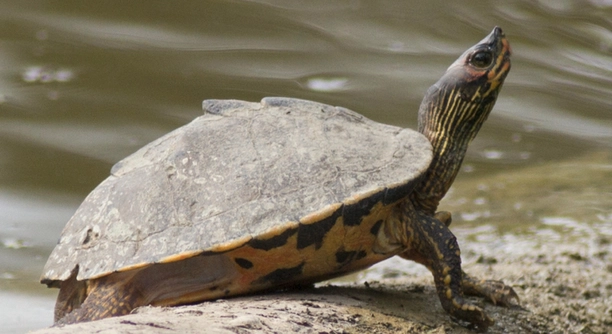
Many tortoise owners notice their pets scraping their shells against various surfaces, leading them to wonder why this behavior occurs. Understanding the reasons behind this can help you ensure the well-being of your Indian roofed tortoise.
The scraping behavior in Indian roofed tortoises is typically a response to environmental stressors or physical discomfort, such as an incorrect substrate or insufficient space. It may also stem from the tortoise’s natural instinct to keep its shell clean or shed old scutes.
A few simple adjustments to your tortoise’s habitat might help. Continue reading to learn about the possible causes and solutions for this behavior.
Possible Causes for Scraping
There are several reasons your Indian roofed tortoise might scrape its shell. One of the most common is a result of improper habitat conditions, such as a substrate that is too rough or unsuitable. If the surface your tortoise is on is uncomfortable, it may instinctively scrape against it to adjust. Another reason could be stress. Changes in environment, sudden noise, or even a lack of hiding spots can cause discomfort, leading to unusual behavior. Additionally, improper lighting or heating can make the tortoise feel uneasy, prompting it to scrape its shell.
In some cases, scraping is a sign of an underlying health issue. If the scraping is persistent and seems to cause harm, it might be worth consulting with a veterinarian. This is especially true if the scraping is accompanied by any signs of injury or infection on the shell. It’s crucial to observe your tortoise closely and monitor its overall behavior.
To prevent these issues, make sure your tortoise’s habitat is clean, properly lit, and has a soft yet stable surface. Sometimes, simply adjusting the enclosure can solve the problem. Regularly check the condition of the shell and ensure the temperature and humidity levels are correct.
Stress and Shell Scraping
Stress can easily trigger scraping behavior in tortoises. They are creatures of habit and don’t respond well to sudden changes. Whether it’s a new environment or too much interaction, stress can make them act out.
Tortoises are territorial and enjoy having a consistent environment. If the temperature or humidity fluctuates too much, or if the space feels cramped, the tortoise may scrape its shell as a way to cope. This is why it’s important to maintain a stable habitat for them.
Poor Substrate Choices
The type of surface you use in your tortoise’s enclosure can affect its behavior. If the substrate is too rough or sharp, it might irritate the tortoise’s shell, causing it to scrape. Make sure the material is soft but firm enough to support its weight.
Wood chips, sand, and even gravel can be problematic. They can lead to abrasions, discomfort, or even injury. Instead, try using coconut coir or a soft bedding material. These are gentle on the shell and allow your tortoise to move around freely without causing any harm.
Regularly change the substrate to ensure that it’s clean and free of sharp edges. Keeping the environment tidy helps reduce the likelihood of scraping. Also, ensure that the material is safe and won’t harm your tortoise if ingested.
Overcrowded Enclosure
If there are too many tortoises in a small space, it can create stress and frustration. Overcrowding can lead to territorial behavior, making your tortoise feel cramped and uncomfortable.
Give your tortoise plenty of space to move around. A cramped enclosure leads to stress, which often results in excessive scraping. It’s also important to create hiding spots and areas where the tortoise can feel safe. If it’s constantly exposed to other tortoises or animals, it may start scraping its shell as a sign of distress. Proper space is essential for the well-being of your pet.
Shell Growth and Shedding
Tortoises naturally shed their scutes (the plates on their shell) as part of their growth process. Scraping could simply be a way for your tortoise to help remove old, shedding scutes. It’s a normal and healthy behavior, as long as it’s not excessive.
The process of shedding may vary from tortoise to tortoise. If your tortoise is scraping a lot, it may just be trying to remove old scutes. Sometimes the scutes may not come off easily, and the tortoise might need to scrape against objects to loosen them.
Make sure the shell is not getting stuck or injured during this process.
Improper Temperature or Lighting
Improper lighting and temperature can cause stress or discomfort, leading your tortoise to scrape its shell. Without the right warmth, it might feel more vulnerable and engage in abnormal behaviors.
Ensure that the enclosure has a proper basking area with a heat lamp to mimic natural sunlight. Check the temperature frequently and make adjustments if needed. Having both a warm area and a cooler area allows your tortoise to regulate its body temperature.
FAQ
Why is my tortoise scraping its shell on the ground?
Scraping against the ground is a natural behavior for many tortoises, often related to shedding old scutes or adjusting to their environment. If the shell is clean, it’s likely the tortoise is trying to remove old layers. However, it can also indicate environmental stress, like incorrect substrate or uncomfortable lighting.
To help, check your tortoise’s enclosure. Ensure that the surface is smooth and not too rough, and make sure the temperature and humidity are suitable for your pet. A comfortable environment will help reduce unnecessary scraping. If the behavior seems excessive or is accompanied by injury, you may need to consult a vet.
How can I tell if the scraping is from an injury or just normal shedding?
Normal shedding is usually a slow process, with the tortoise gradually scraping off the old scutes. If the scraping is causing visible damage to the shell or the skin underneath is exposed, it could be a sign of injury or infection.
Look closely at the shell for any cracks, chips, or unusual marks. The tortoise might also show signs of discomfort, like reduced movement or reluctance to eat. If this happens, it’s best to consult a vet to rule out any underlying health issues. Keeping the environment clean and checking for sharp objects or rough surfaces can prevent injuries.
Can I prevent my tortoise from scraping its shell?
Yes, there are a few preventive steps you can take to reduce scraping. First, ensure that the enclosure provides the right substrate. Soft materials like coconut coir are ideal. Avoid using rough materials like sand, wood chips, or gravel, as these can irritate the tortoise’s shell.
Make sure there’s enough space in the enclosure for your tortoise to move around freely. Stress from overcrowding or improper temperature can lead to scraping. Additionally, provide a basking area with appropriate lighting to ensure your tortoise feels secure and comfortable. Regularly monitor the condition of the shell and the habitat to catch any issues early.
Is it normal for my tortoise to scrape its shell constantly?
Constant scraping isn’t necessarily normal. If your tortoise is scraping all the time, there might be an underlying problem. The most common reasons for frequent scraping include stress from poor habitat conditions, inappropriate substrate, or an inability to shed scutes properly.
If you notice your tortoise scraping continuously and it seems to be in discomfort, it’s important to evaluate its living conditions. Check the temperature, humidity, and lighting, and consider adjusting the substrate. If the problem persists, a vet visit can help identify if there’s an injury, infection, or another health issue affecting your tortoise.
How often should I clean my tortoise’s shell?
Cleaning your tortoise’s shell is important for its health but shouldn’t be done too frequently, as it can cause irritation. Typically, cleaning once every few weeks is enough unless you notice dirt or debris that could cause harm.
Use a soft, damp cloth to gently wipe away any excess dirt. Avoid using harsh chemicals or scrubbing too hard, as this can damage the shell. If you observe any areas that seem dirty or stuck, you can carefully remove debris with warm water. Always make sure to dry the shell afterward to prevent mold or fungal growth.
How do I help my tortoise shed its scutes properly?
If your tortoise is struggling to shed its scutes, providing the right conditions can help the process. Ensure that your tortoise has access to adequate humidity and warmth. Dry or excessively cold environments can hinder the shedding process.
Consider adding a shallow water dish where the tortoise can soak. This will help soften the old scutes, making them easier to shed. Avoid forcibly removing scutes, as this can lead to injury. Instead, allow the tortoise to shed naturally in its own time. If shedding problems persist, consult a veterinarian.
Is it harmful if my tortoise’s shell starts to crack?
Cracking is a serious concern. If your tortoise’s shell begins to crack, it could be a sign of trauma, improper diet, or an infection. Cracks in the shell can allow bacteria to enter, leading to further health complications.
If you notice any cracks, immediately assess the cause. Look for signs of injury or infection. The tortoise may need medical attention if there’s any indication that the shell is damaged. Provide a proper diet, including calcium, and ensure the habitat is safe to avoid future damage. A vet can provide treatment for cracked shells and help promote healing.
Can I use supplements to help my tortoise’s shell health?
Yes, supplements can be beneficial to your tortoise’s shell health, especially calcium and vitamin D3. Calcium helps maintain the integrity of the shell and promotes healthy growth. Vitamin D3 is crucial for calcium absorption, particularly if your tortoise does not get enough sunlight.
However, avoid over-supplementing, as this can lead to toxicity. A balanced diet that includes leafy greens, vegetables, and safe fruits should meet most of your tortoise’s nutritional needs. Only use supplements when recommended by a vet, and follow their guidance on dosage to keep your tortoise healthy.
Why is my tortoise’s shell becoming soft?
A soft shell is a serious concern and can indicate a calcium deficiency, metabolic bone disease, or improper lighting. Calcium is essential for shell hardness and overall health. Without enough calcium, the shell becomes weak and vulnerable to damage.
Make sure your tortoise has access to UVB light, which is necessary for calcium absorption. Offer calcium-rich foods like kale, dandelion greens, and calcium supplements as needed. If the shell remains soft despite these changes, consult a vet to rule out any serious conditions like metabolic bone disease.
Final Thoughts
Observing your Indian roofed tortoise scraping its shell can raise concerns, but it’s important to remember that this behavior isn’t always a cause for alarm. In many cases, scraping is a natural process related to shedding old scutes. Tortoises, like many reptiles, periodically shed the outer layers of their shell as they grow, and this process can involve scraping against surfaces to help loosen and remove the old scutes. As long as your tortoise is not causing injury to its shell or showing signs of discomfort, this behavior is usually harmless and part of its normal routine. However, if you notice persistent scraping that seems excessive, it may indicate an issue that requires attention.
A common reason for excessive shell scraping is stress, often linked to poor habitat conditions. Tortoises are creatures of habit and rely on a stable environment to thrive. If your tortoise’s living space is too small, too crowded, or has rough surfaces, it may lead to behavioral issues like scraping. Ensuring your tortoise has a comfortable, spacious enclosure with proper lighting, temperature, and humidity can help minimize stress and reduce the likelihood of scraping. Additionally, using soft substrates like coconut coir can prevent irritation and provide a more comfortable surface for your tortoise. Monitoring the condition of the shell regularly and adjusting the habitat as needed can greatly improve your pet’s well-being.
In rare cases, scraping could be a sign of an underlying health issue. If your tortoise seems to be scraping excessively and is showing signs of injury, discomfort, or a lack of appetite, it’s important to consult a veterinarian. Health problems such as shell infections or calcium deficiencies can cause abnormal behaviors. Addressing these concerns early can help prevent further complications and ensure your tortoise remains healthy. By understanding the causes of shell scraping and making the necessary adjustments to your tortoise’s habitat, you can help keep your pet happy and comfortable for years to come.

Hello,
If you enjoy the content that we create, please consider saying a "Thank You!" by leaving a tip.
Every little bit helps us continue crafting quality advice that supports the health, happiness, and well-being of pets around the world, for pets of all shapes, sizes, and species.
We really appreciate the kindness and support that you show us!